 Food & culture
By Clever Tourists · Published
The best souvenirs from Japan are things Japanese people buy for themselves: a kitchen knife from a specialist shop, gold leaf from Kanazawa, Kutani porcelain, an Imabari towel, a tenugui cloth, and tea and snacks from a supermarket. The worst are the generic keyrings and "Japan" T-shirts in station kiosks. We spent 33 days in Japan, from Tokyo through the Alps to Kanazawa, Kyoto and Osaka, and these are the 10 things we would buy again, grouped by type, with where to find the real thing, rough prices and the rules that catch people out: the 6 cm knife rule, and the new tax-free system that started on 1 November 2026. Prices are tiers, because the yen moves: $ is small change, $$ a considered buy, $$$ a splurge. The short version for every country we covered is in our hub, best souvenirs to buy in 20 countries.
This page contains affiliate links. If you book or buy through them we may earn a commission, at no extra cost to you.
• A Japanese kitchen knife ($$ to $$$). The souvenir most worth its weight. Buy from a specialist knife shop that will sharpen it, engrave your name and box it, rather than from a general souvenir shop. In Tokyo, go to Kappabashi, the kitchenware street between Asakusa and Ueno, where around 170 shops sell restaurant supplies and well over ten are knife specialists. Tell the staff what you cook and they will steer you to a blade.
• Kanazawa gold leaf ($ to $$). Kanazawa makes more than 98% of Japan's gold leaf. Chopsticks, small lacquer trays, cosmetics and sweets with leaf on them are sold all over the Higashi Chaya teahouse district, and some workshops let you apply the leaf yourself. Our Kanazawa guide has the area.
• Kutani porcelain ($$ to $$$). Brightly overglazed porcelain from southern Ishikawa: Kanazawa, Kaga, Komatsu and Nomi. Its history goes back to the 17th century, and it is one of the most popular things to buy in Kanazawa. A single sake cup or small plate is a reasonable first piece; shops in Kanazawa sell both traditional and modern designs.
• An Imabari towel ($ to $$). Towels from Imabari in Ehime prefecture. The real thing carries the red, white and blue Imabari Towel brand label, which a towel only gets after passing the makers' association tests, including one where a small piece of fabric must start to sink in water within five seconds. A missing tag does not always mean a bad towel, but the tag is the guarantee.
• Tenugui and furoshiki ($). Printed cotton hand towels and wrapping cloths. They are light, flat and made in Japan, and a furoshiki doubles as the wrapping for your other gifts.
• Matcha and loose-leaf tea ($ to $$). Supermarkets and tea shops sell sealed tins that travel well.
• Regional KitKats and snacks ($). The flavours change by region and season. A supermarket or drugstore sells them for less than a souvenir shop or the airport; our Japanese supermarket guide lists the best buys.
• Sake ($ to $$$). Buy a bottle from a brewery or a department store food hall, where staff will let you taste. Bottles over 100 ml go in checked luggage, so wrap them in clothes.
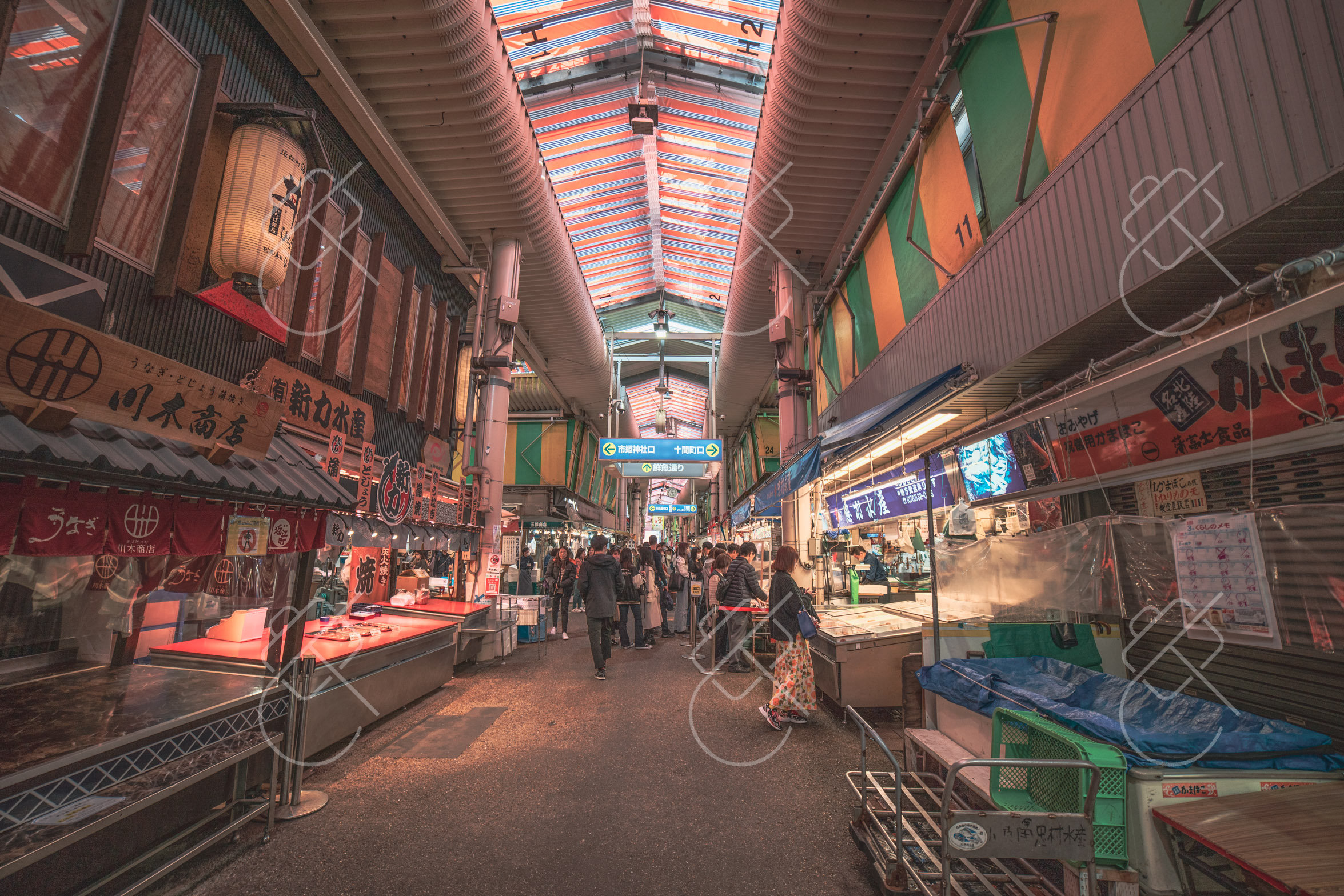
• Eat the fresh food there. Kanazawa's Omicho Market has been the city's kitchen since the Edo period, but its crab and sea urchin are for lunch, not your suitcase. See what to eat in Kanazawa.
• Chopsticks ($). Lacquered or plain wooden pairs, often sold boxed with a rest. Kanazawa's gold-leaf versions make a two-in-one gift.
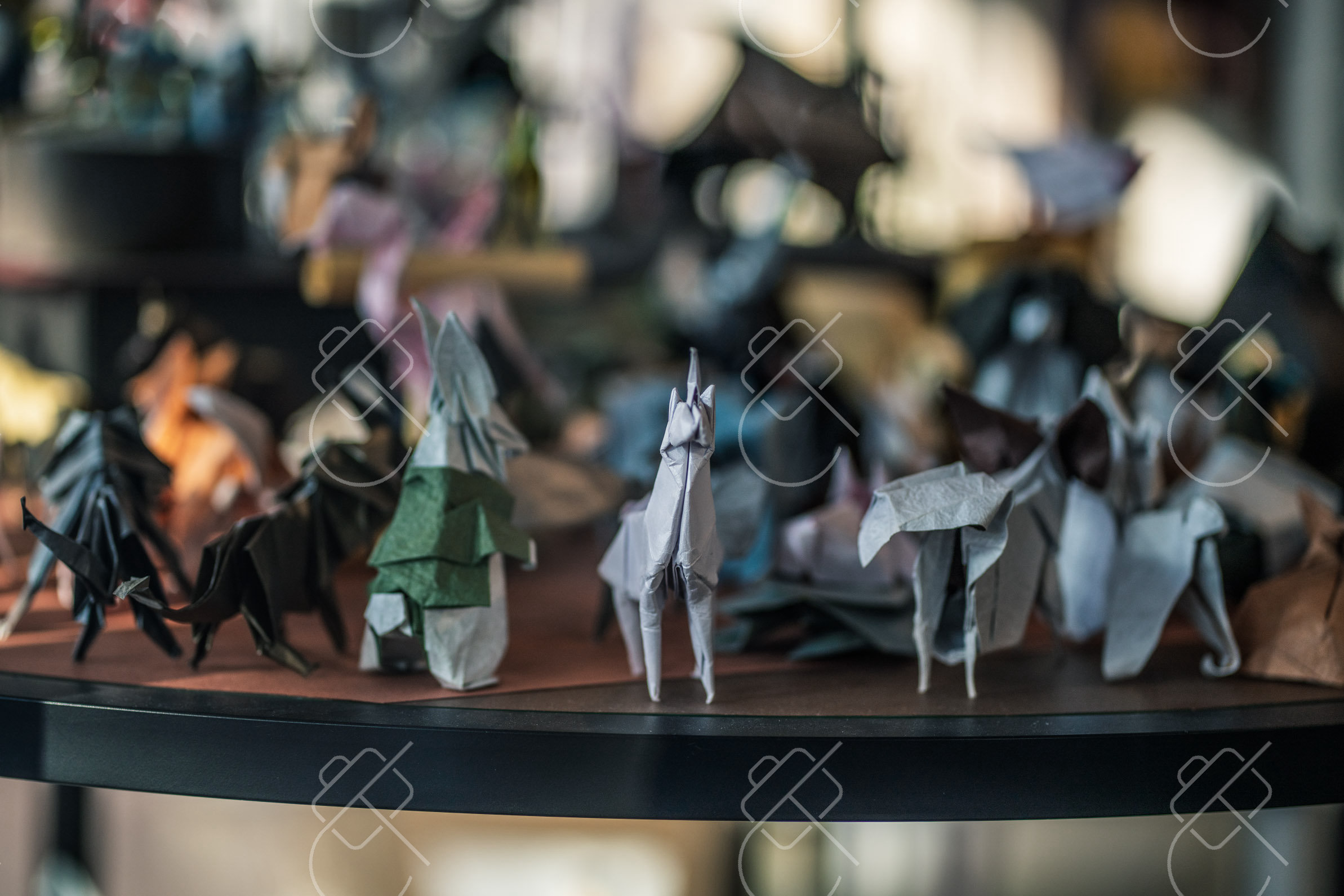
• Origami paper and stationery ($). Patterned washi paper, notebooks and pens from a stationery shop are light and cheap.
• Don Quijote for the late-night haul ($). The "Donki" discount stores in Shibuya, Shinjuku and Osaka's Dotonbori are open late or all night and have dedicated tax-free registers. Good for snacks, cosmetics and novelty gifts in bulk.

Practical travel tips, straight to your inbox. Unsubscribe anytime.
• A knife set or a single hand-forged blade ($$$). If you want something serious, give yourself an unhurried hour on Kappabashi rather than buying the first knife you see in a department store.
• A Kutani or gold-leaf lacquer piece ($$$). A boxed bowl or tray from a Kanazawa maker. Ask the shop to pack it for checked luggage.
Our guides cover each city: Tokyo, Kanazawa, Kyoto and around and Osaka. Tokyo's shopping streets are mostly honest, but read tourist scams in Tokyo before a night out in Kabukicho or Roppongi.
| City | Where | Best for |
|---|---|---|
| Tokyo | Kappabashi kitchenware street, between Asakusa and Ueno | Knives, kitchen tools |
| Tokyo and Osaka | Department stores, Don Quijote | Towels, tea, snacks, cosmetics |
| Kanazawa | Higashi Chaya teahouse district and city shops | Gold leaf, Kutani porcelain |
| Anywhere | Supermarkets and drugstores | KitKats, tea, snacks |
Japan changed its tax-free system on 1 November 2026. Shops now charge the full price including the 10% consumption tax (8% on food), and you get it back after Japan Customs confirms at your departure airport that the goods are leaving with you. The minimum is still ¥5,000 (≈ $31) before tax at one shop on one day, there are no more sealed bags, and you must leave within 90 days.
Two traps for souvenir shoppers: snacks you eat before the flight no longer count, and you must do the customs check before you check in, with the goods still in your hands. Refunds come back by card, bank, app or cash at the airport depending on the shop. Full details: Japan tax-free shopping.
• Carrying a knife around unpackaged. Japanese law restricts carrying blades over 6 cm without good reason. Keep a new knife sealed in the shop's box in your bag until you leave, and put it in checked luggage for the flight.
• Station kiosk souvenirs. The same boxed sweets are cheaper in a department store food hall, and the keyrings are rarely made in Japan.
• Fresh seafood, meat and fruit for home. Most countries restrict them on arrival. Dried, sealed and commercially packed food is far more likely to be allowed; check your own country's rules before you pack.
• The airport shop. The same tea, sweets and sake are almost always cheaper in the city.
Before you go, read things to know before visiting Japan and, for the rest of the trip's etiquette, tipping in Japan and South Korea (short answer: don't).
A Japanese kitchen knife from a specialist shop, gold leaf goods from Kanazawa, Kutani porcelain, an Imabari towel or tenugui cloths. For cheap gifts, regional KitKats, matcha and stationery from a supermarket or stationery shop.
Kappabashi, the kitchenware street between Asakusa and Ueno, has well over ten specialist knife shops among around 170 restaurant supply stores. Buy somewhere that will sharpen, engrave and box it.
Yes, in checked luggage. In Japan, keep it sealed in the shop's packaging until you leave, because the law restricts carrying blades over 6 cm without good reason.
Yes, but since 1 November 2026 you pay the full price and get the 10% tax back after customs checks your goods at departure. The minimum is ¥5,000 (≈ $31) before tax at one shop on one day.
Look for the red, white and blue Imabari Towel brand label. Towels only get it after passing the makers' tests, including a five-second water absorbency test.
Practical travel tips, straight to your inbox. Unsubscribe anytime.
Look up Japan hotels near the places in this guide on Booking.com.