Home
About us
Destinations & Country Guides
Travel Guides
Recipes
Featured
Photos As Art
Abstract Prints
Locations
Travel Gear
Travel Resources
Favorites
Photo Framer
Explore Photos
Contact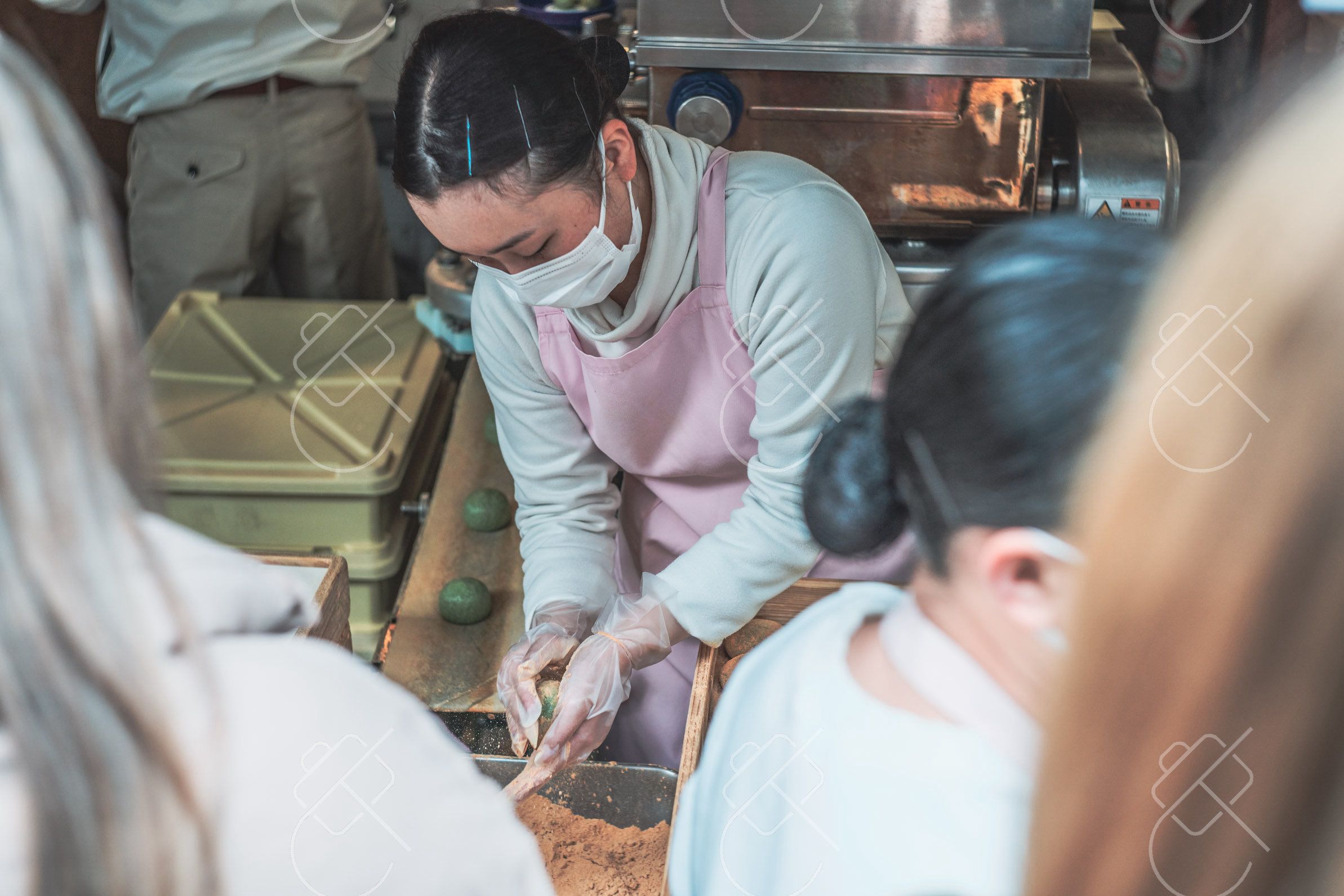 Food & culture
By Clever Tourists · Published
Takoyaki, okonomiyaki and kushikatsu are the three foods that define Osaka. Osaka calls itself the nation's kitchen and has a word for its attitude to food, kuidaore, roughly "eat until you drop". Its food is cheap, hot, fried or griddled, and eaten standing up or at a counter, the opposite of Kyoto half an hour away. We spent 3 days in Osaka in April 2023, after 2 nights in Nara and before going on to Kobe and Himeji. Three days is plenty to eat through this list, because most of it is concentrated in two districts, Namba and Shinsekai.
Takoyaki. Balls of dashi batter with a piece of octopus inside, turned with picks in a dimpled iron pan, then topped with sauce, mayonnaise, bonito flakes and aonori seaweed. It was invented in Osaka in the 1930s. Stalls line Dotonbori and the streets around Namba; the ones with a queue of locals and a cook turning dozens at once are the ones to pick. Wait before biting: the inside stays molten long after the outside is cool enough to hold.
Okonomiyaki. A savoury pancake of batter and shredded cabbage with pork, squid or prawn, griddled and finished with sauce, mayonnaise and bonito. The Osaka style mixes everything into the batter, unlike the layered Hiroshima version. At many restaurants you cook it yourself on the hotplate in your table; staff will help. Modanyaki adds noodles; negiyaki, piled with spring onion and dressed with soy and lemon, is a lighter local variant.
Kushikatsu. Skewers of meat, seafood, vegetables and cheese, breaded and deep-fried, and dipped in a shared steel tub of thin sauce. Shinsekai, the old district around Tsutenkaku tower, is the kushikatsu heartland. The one rule everyone knows: no double dipping in the shared sauce. If you need more sauce after biting, scoop it with the free raw cabbage and pour it on.
Kitsune udon. Udon in a light, clear Kansai dashi topped with a sheet of sweet simmered fried tofu. Osaka claims to have invented it. Kansai broth is paler and more delicate than Tokyo's dark soy version, so this is worth ordering even if you have had udon elsewhere.
Doteyaki. Beef tendon stewed for hours in miso and mirin until soft. It is a Shinsekai side dish at kushikatsu restaurants; order a bowl with your skewers and a beer.
Ikayaki. In Osaka this is not grilled squid on a stick but a thin squid-and-batter crepe pressed between hot plates, sometimes with egg. The best-known place to try it is the food hall of the Hanshin department store at Umeda, where the queue moves fast.
Butaman. Steamed pork buns, sold hot from shops in Namba and in stations across the city, and a standard thing to carry home on the train.
Horumon. Grilled offal, a working-class Osaka tradition from the city's Korean community. Tsuruhashi, east of the centre, has the densest cluster of horumon and yakiniku restaurants.
Kansai sushi: battera. Pressed mackerel sushi in a box shape, the Osaka cousin of Kyoto's saba-zushi. Department-store food halls sell it ready to take away.
Fugu. Puffer fish, served as thin sashimi, hotpot or deep-fried, by licensed chefs only. Shinsekai and Dotonbori both have fugu specialists with the fish displayed in tanks out front. It is a once-in-a-trip splurge, mostly in the cold months.
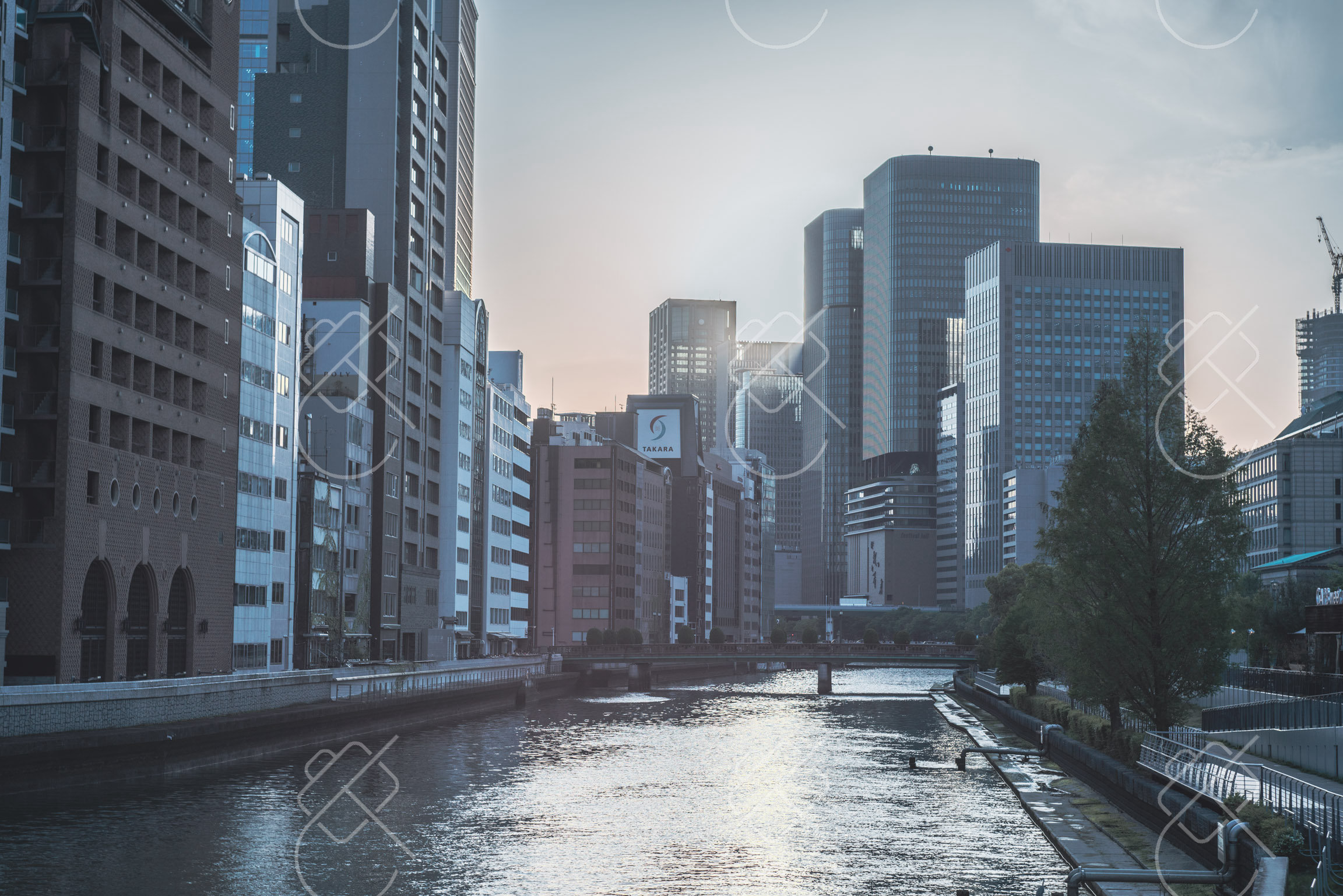
• Dotonbori: the canal and neon strip, best after dark. Takoyaki, okonomiyaki and kushikatsu side by side. It is crowded and priced for visitors, but it is the place everyone should see once. The narrow, lantern-lit Hozenji Yokocho alley a block south is quieter and older.
• Kuromon Market: a long covered market near Nippombashi Station, historically the place restaurants bought fish. Today much of it serves visitors grilled scallops, wagyu skewers and fresh fruit at visitor prices. Go in the morning for the most open stalls.
• Shinsekai: kushikatsu, doteyaki and fugu around Tsutenkaku. Go in the afternoon or early evening.
• Ura-Namba: the small backstreets behind Namba Station are full of tiny standing bars and izakaya, which is where Osaka people actually go out.
• Umeda: the depachika and food halls under the department stores at the northern hub, good for a rainy day.
Our Osaka guide has the city's sights to pair with each of these areas.
Do not tip in Osaka; see our tipping in Japan guide. Osaka is more relaxed than Kyoto about street eating, but most stalls still expect you to eat next to the stall rather than walking off with your takoyaki, and bins are rare, so keep your rubbish until you find one.
Many Namba and Shinsekai restaurants have picture menus or tablets in English. At hotplate restaurants, wait for staff to tell you when to flip, and use the small spatula to eat straight from the griddle. Cash is still useful at stalls. For what else to avoid, see Japan etiquette mistakes.
• Morning: Kuromon Market for grilled seafood and fruit.
• Lunch: kitsune udon, then walk to Shinsekai for kushikatsu and doteyaki in the afternoon.
• Evening: Dotonbori after dark for takoyaki, then okonomiyaki at a sit-down restaurant, and a drink in Hozenji Yokocho or Ura-Namba.
Osaka is an easy base for the region. Kyoto is about 15 minutes from Shin-Osaka by Shinkansen or around 30 minutes from Osaka Station by JR Special Rapid, and its food is a complete contrast; see what to eat in Kyoto. Hiroshima's layered okonomiyaki is the natural comparison; see what to eat in Hiroshima and the Hiroshima and Miyajima day trip guide. For trip length, see how many days in Osaka and where to stay in Osaka.
Takoyaki, okonomiyaki and kushikatsu above all, plus kitsune udon, doteyaki, ikayaki, butaman and horumon. The city's food is cheap, hot and griddled or fried.
Dotonbori after dark for takoyaki and okonomiyaki, Shinsekai for kushikatsu and doteyaki, Kuromon Market in the morning, and the backstreets of Ura-Namba for small bars and izakaya.
No. The sauce tub is shared, so dip once before your first bite. If you need more, scoop sauce with the free raw cabbage and pour it on.
Osaka okonomiyaki mixes everything into the batter. Hiroshima okonomiyaki is layered on the griddle and usually includes noodles.
Get our new Japan guides and practical tips by email: where to stay, what to eat, what things cost and the rules that catch travelers out.
Free. No spam, only new guides and tips.
Get the best deals on a place to stay in Japan on Booking.com.