Home
About us
Destinations & Country Guides
Travel Guides
Recipes
Featured
Photos As Art
Abstract Prints
Locations
Travel Gear
Travel Resources
Favorites
Photo Framer
Explore Photos
Contact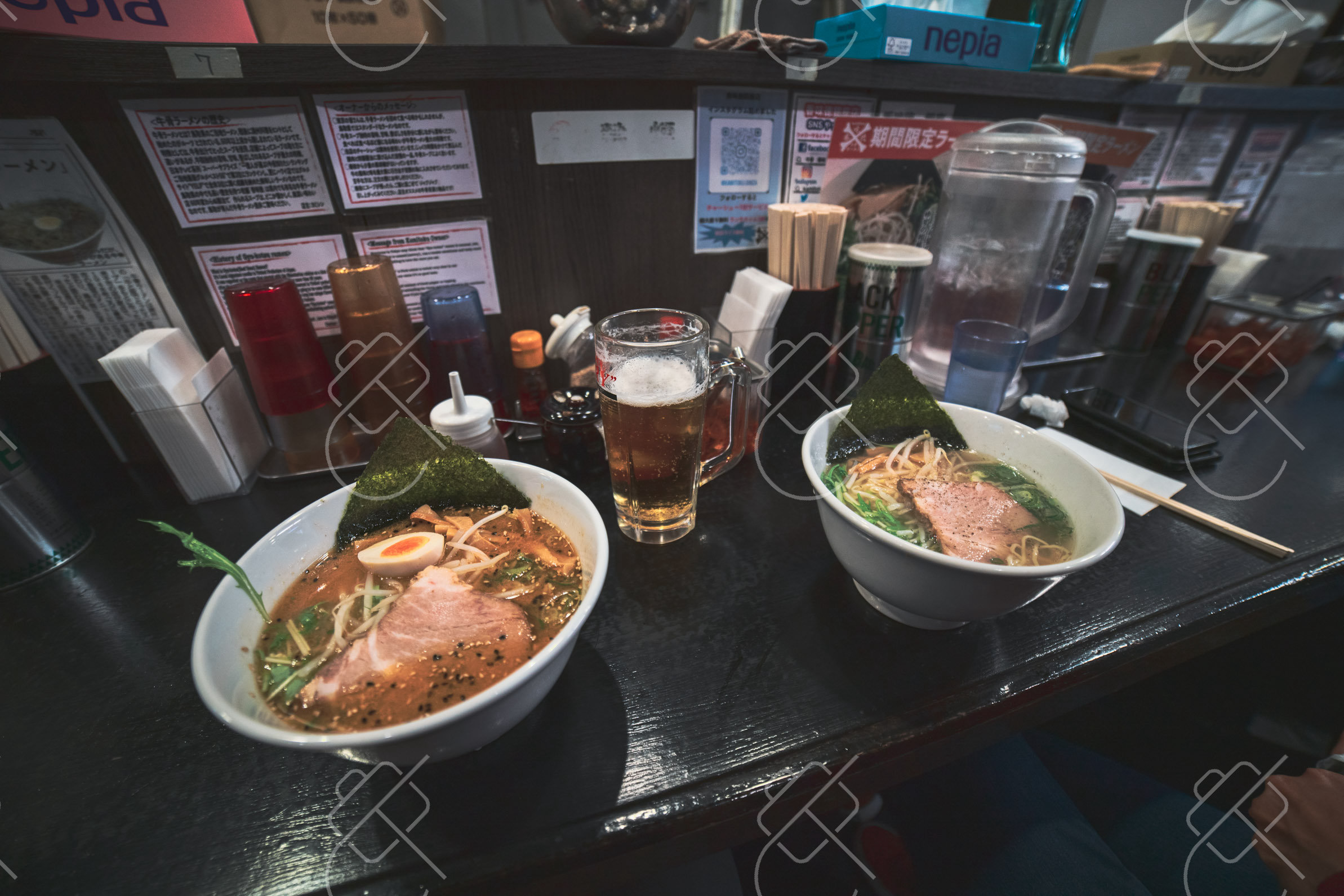 Food & culture
By Clever Tourists · Published
Edomae sushi, shoyu ramen and monjayaki are the three foods that are most specifically Tokyo. Tokyo has every Japanese cuisine, but a handful of dishes were born here when the city was Edo, and those are the ones to prioritise. We spent 9 days in Tokyo in 2023, 4 at the start of our Japan trip in March and 5 at the end in April. That is enough to eat through this list by neighbourhood, which is how Tokyo food works: each dish has a district that does it best.
Edomae sushi. Nigiri as it is eaten today began in Edo as fast food: fish from Tokyo Bay, often cured, marinated or simmered, on hand-pressed vinegared rice. The Tsukiji Outer Market is the easiest place for a sushi breakfast; the wholesale market moved to Toyosu in 2018, but the outer market's shops and counters stayed. Many shops there close on Sundays, national holidays and some Wednesdays, so check the market calendar. Order the omakase or a set if you are unsure. At a counter it is fine to eat nigiri with your fingers.
Soba. Buckwheat noodles were Edo's everyday meal, and the old shops around Kanda and Asakusa still serve them cold on a bamboo tray (zaru) with a dipping sauce. When you finish, the staff bring sobayu, the cooking water, to pour into the leftover sauce and drink.
Tempura and tendon. Tempura was street food in Edo. Asakusa is the district for tendon, battered prawns and vegetables over rice with a sweet soy sauce, and it pairs with a morning at Senso-ji; see our Senso-ji guide. At a tempura counter each piece is served as soon as it is fried. Eat it straight away.
Unagi. Grilled eel glazed with sweet soy over rice. Tokyo grills it Kanto style, steamed before grilling, which makes it softer than the crisp Kansai version you find in Osaka. It is expensive, and good shops are often busy at lunch.
Monjayaki. A runny batter of dashi, cabbage and toppings cooked on a griddle at your table until it forms a soft, crisp-edged mass you scrape up with a tiny spatula. It looks unpromising and tastes very good. Tsukishima Monja Street, a short walk from Tsukishima Station, has dozens of monja restaurants on one strip. Staff will cook the first one for you if you ask; build a ring of the solids first, then pour the liquid into the middle.
Chanko nabe. The protein-heavy hotpot sumo wrestlers eat to bulk up. Ryogoku, home of the Kokugikan sumo hall, is full of chanko restaurants, some run by retired wrestlers. It is a sharing dish, ordered for two or more.
Yakitori. Grilled chicken skewers, salt (shio) or sauce (tare). The atmospheric places are under the railway arches at Yurakucho and in the narrow alleys of Omoide Yokocho by Shinjuku Station, where tiny counters seat a handful of people. Many charge a small seating charge with a starter, which is normal in izakaya.
Ningyo-yaki. Small cakes filled with red bean paste and baked in moulds shaped like Senso-ji's lanterns, pigeons and gods. Nakamise-dori in Asakusa has shops making them in the window. Buy them warm.
Tokyo ramen. The city's own style is shoyu ramen: a clear soy-seasoned chicken and pork broth with curly noodles. Tokyo also popularised tsukemen, thick noodles dipped into a concentrated broth. Most ramen shops take orders through a ticket machine at the door: pay, take the ticket, hand it over. The longest queue on the street is usually the right one. Our 3 days in Tokyo guide lists the ramen and festival yakisoba we photographed.
Tonkatsu. A thick panko-crumbed pork cutlet with shredded cabbage, rice and miso soup, usually with refills of cabbage and rice. Tonkatsu shops cluster around Ueno and Ginza. Pick rosu (loin, fattier) or hire (fillet, leaner); our teishoku vs tonkatsu explainer covers how these set meals work.
Depachika. The basement food halls of department stores, at Ginza, Nihonbashi, Shinjuku and Ikebukuro, sell bento, sushi, sweets and perfect fruit. They discount fresh food in the last hour before closing. For cheap everyday food, see our konbini food guide.
• Tsukiji Outer Market: sushi, tamagoyaki and grilled seafood. Go early; it is busiest late morning. The market asks you to eat at the shop or in an eating area, not while walking, and to keep large bags out of the lanes.
• Ameyoko, Ueno: a street market under and beside the JR tracks, with seafood, fruit skewers and standing izakaya.
• Omoide Yokocho, Shinjuku, and the Yurakucho arches: yakitori and beer after dark.
• Tsukishima Monja Street: monjayaki, best for an early dinner.
• Depachika at Ginza and Nihonbashi: the best picnic shopping in the city, and good for edible souvenirs.
If you want to bring food home, our guide to what to buy at a Japanese supermarket covers what travels well.
There is no tipping in Tokyo, including at high-end sushi counters; see our tipping guide. Cards are widely accepted now, but small ramen shops and izakaya can still be cash only, so carry some yen; our cash in Japan guide has amounts.
Do not eat while walking in markets and shopping streets, and do not leave chopsticks upright in rice. Slurping noodles is normal. The Japan etiquette mistakes list covers the rest.
• Breakfast: sushi and tamagoyaki at the Tsukiji Outer Market, around 8am.
• Lunch: tendon or cold soba in Asakusa after Senso-ji, with ningyo-yaki on Nakamise-dori.
• Afternoon: a depachika in Ginza or Nihonbashi.
• Dinner: monjayaki in Tsukishima, or yakitori at Yurakucho, then ramen in Shinjuku late at night.
For a longer stay, how many days in Tokyo explains how we split our 9 days, where to stay in Tokyo helps you base yourself near the food districts, and day trips from Tokyo covers where to go next. Kansai is a different food culture; compare what to eat in Kyoto.
Edomae sushi, soba, tempura and unagi from the Edo period, plus Tokyo shoyu ramen, monjayaki in Tsukishima, chanko nabe in Ryogoku and yakitori at Yurakucho and Omoide Yokocho.
At the Tsukiji Outer Market. The wholesale market moved to Toyosu in 2018, but the outer market's shops and sushi counters stayed. Many close on Sundays, national holidays and some Wednesdays, so check the market calendar.
A runny batter of dashi, cabbage and toppings cooked on a griddle at your table and scraped up with a small spatula. Tsukishima Monja Street, a short walk from Tsukishima Station, has dozens of monja restaurants.
No, not even at high-end sushi counters. Some izakaya add a small seating charge with a starter, which is normal.
Get our new Japan guides and practical tips by email: where to stay, what to eat, what things cost and the rules that catch travelers out.
Free. No spam, only new guides and tips.
Best deals on Japan hotels this week — check Booking.com.