Home
About us
Destinations & Country Guides
Travel Guides
Recipes
Featured
Photos As Art
Abstract Prints
Locations
Travel Gear
Travel Resources
Favorites
Photo Framer
Explore Photos
Contact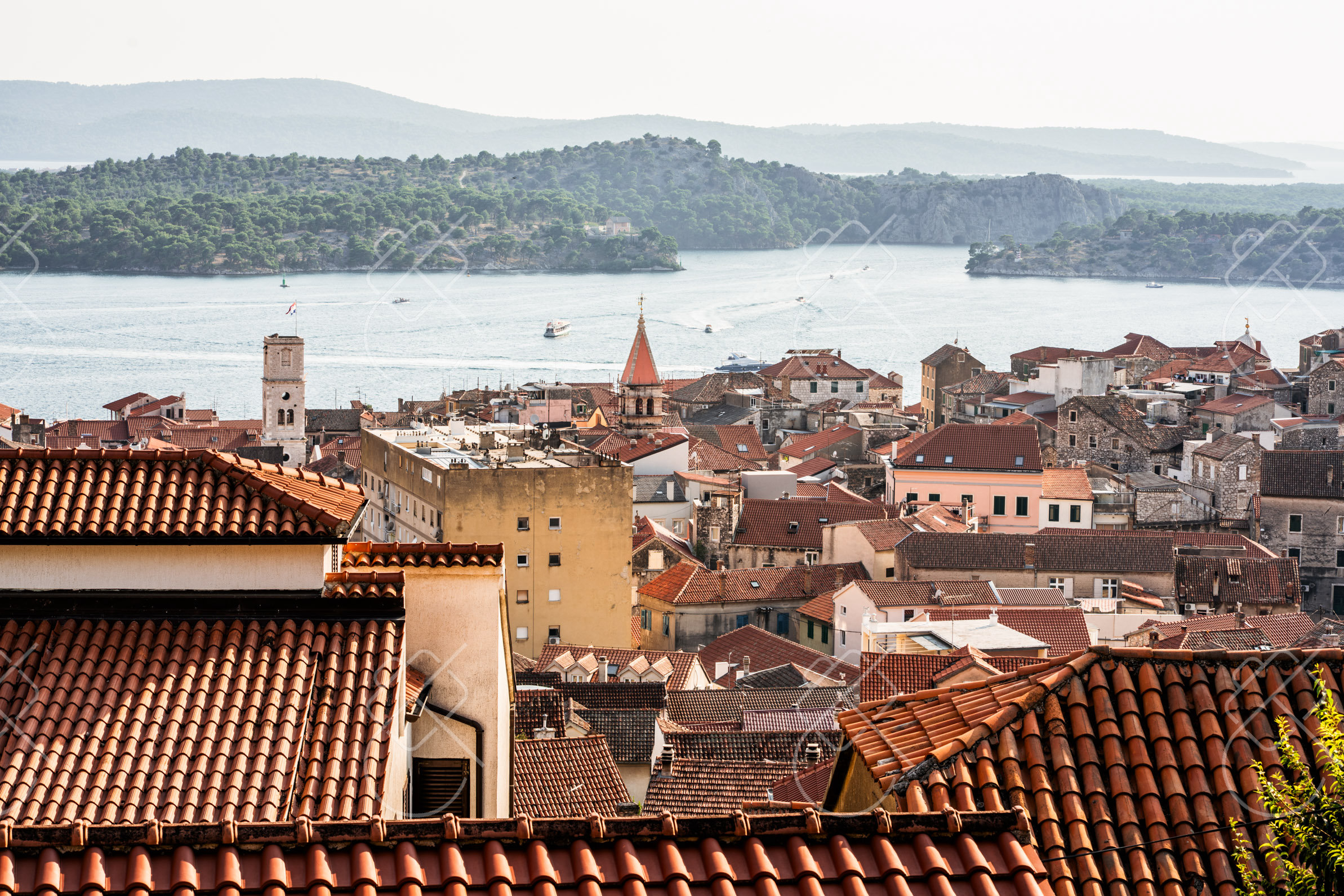 Transit & logistics
By Clever Tourists · Published
For most people the bus is best: about 5 hours, up to 17 FlixBus departures a day, fares from about €18 (roughly $21). The train is the scenic, cheapest-if-booked-early option, from about €15 (≈ $16.7) with advance fares but 7 to 8 hours, with only one year-round day train. Flying is fastest at about 45 to 50 minutes in the air on Croatia Airlines, but once you add airport transfers and check-in it rarely saves more than an hour or two over the bus. Driving the A1 motorway takes a little over 4 hours plus tolls.
Free toolConvert to your own currency at live rates →Live mid-market rates for all 17 currencies we used, so you can see what a price actually costs.Last checked 27 October 2026. Fares are approximate; dollar figures convert at our committed exchange-rate snapshot.
| Option | Time | One-way price |
|---|---|---|
| Bus FlixBus, Arriva, Promet Makarska | 5h–7h | 18 EUR (≈ $20) |
| Train HŽPP | 7h–8h | 15–28 EUR (≈ $16.7–31) |
| Flight Croatia Airlines | 45 min–50 min | — |
| Car / taxi | 4h | — |
Planning more legs? Use the route finder.
FlixBus lists about 17 departures a day from Zagreb to Split in 2026, with the fastest taking about 5 hours and fares from about €18 (≈ $20). Other Croatian operators on the route include Arriva and Promet Makarska; some of their services stop more often and take 6 to 7 hours, so check the arrival time, not just the price. Aggregators list around 20 daily buses in total once all operators are counted.
Buses leave from Zagreb's main bus station (Autobusni kolodvor) at Avenija Marina Držića 4, about 2 km south-east of Ban Jelačić Square: tram lines run there from the centre in about 10 minutes, or it is a 25-minute walk. In Split, buses arrive at the main bus station at Obala kneza Domagoja, right beside the ferry port and the train station and about a 10-minute walk from Diocletian's Palace. Some FlixBus services also call at the ferry-port stop on the same street.
Book on the operator's own site or app, or through aggregators such as Omio, FlixBus or GetByBus. In July and August, buy a few days ahead for daytime departures; at other times you can usually buy at the station on the day. Some domestic operators charge a small fee per hold bag, paid to the driver; check the luggage rules on your ticket.
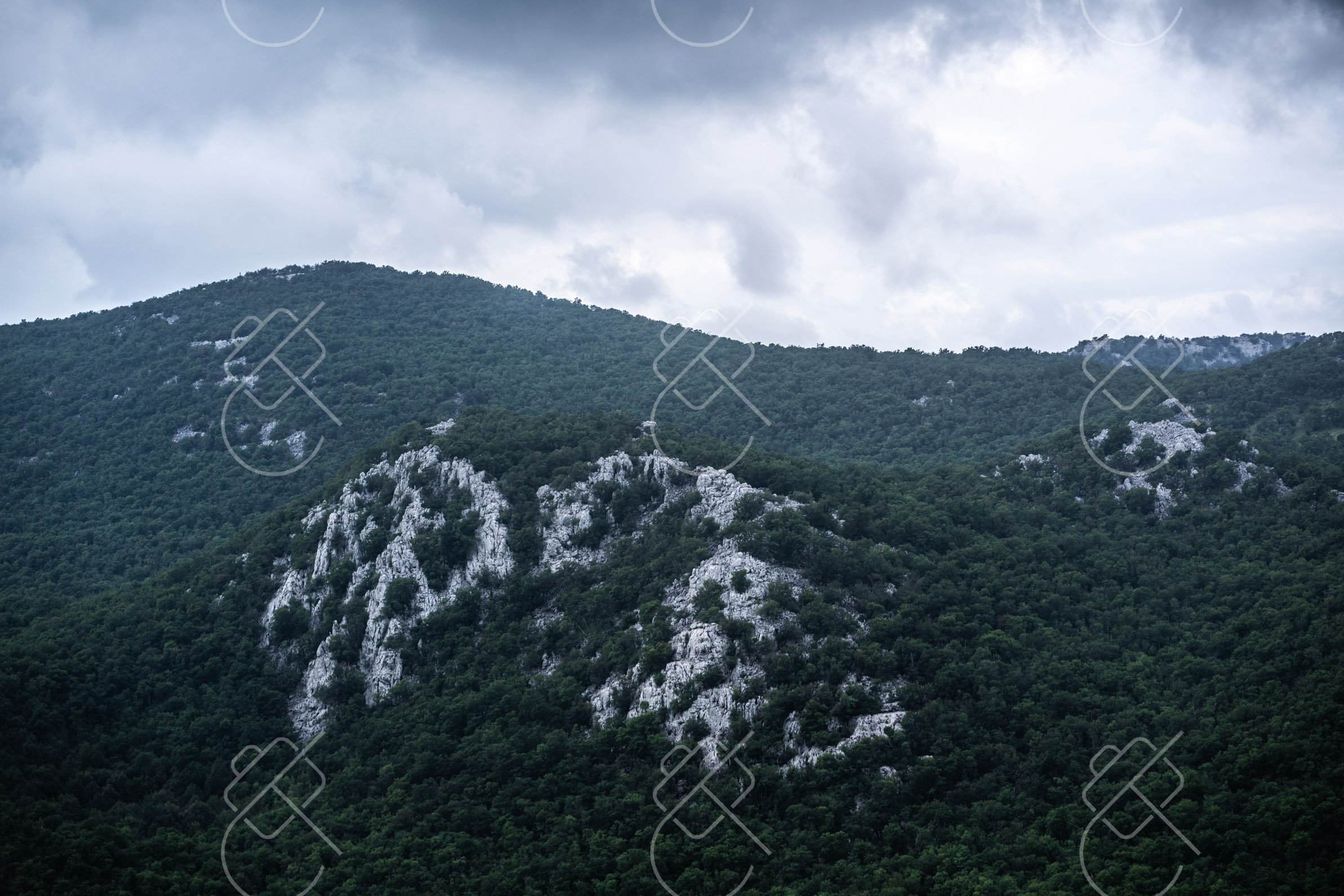
Croatian Railways (HŽPP) runs one year-round direct day train: in the 2026 timetable it leaves Zagreb Glavni kolodvor at 13:49 and reaches Split at 21:47, just under 8 hours. From 27 June to 29 August 2026 an extra summer train leaves at 07:08 and arrives at 14:09, about 7 hours. There is also a night train with couchettes on most Friday nights, daily in high summer.
The standard 2nd-class fare is roughly €28 (≈ $31), with advance fares from about €15 (≈ $16.7); a seat reservation (about €1 (≈ $1.1)) is compulsory, and a couchette adds about €7 (≈ $7.8). Book on the HŽPP website or app; sales open about two months ahead. There is no buffet car on these trains, so bring food and water, and do not count on Wi-Fi or power sockets on every carriage.
Why pick it? The line climbs through the Lika highlands and drops to the coast through karst country, and the train is the most comfortable way to cover the distance if you have a spare day. Zagreb Glavni kolodvor is at the south end of the centre, a short walk from the Esplanade hotel, and Split station sits next to the bus station on the harbour. HŽPP has said new air-conditioned trains will start entering service from September 2026, with more departures planned for 2027, so check the latest timetable before relying on the times above.
Croatia Airlines flies Zagreb to Split with a flight time of about 45 to 50 minutes, usually several times a day in summer and fewer in winter; the exact pattern varies by day, so check the airline's timetable. Fares move a lot with demand, so compare against the bus before deciding.
Zagreb Airport is about 17 km south of the city, and Split Airport is at Kaštela, about 25 km west of Split (and close to Trogir). Add the transfers at both ends, plus arriving at the airport ahead of departure, and door to door you are looking at roughly 3 to 4 hours. Flying makes most sense if you are connecting from an international flight at Zagreb anyway, or if you are short on time and travelling with little luggage.
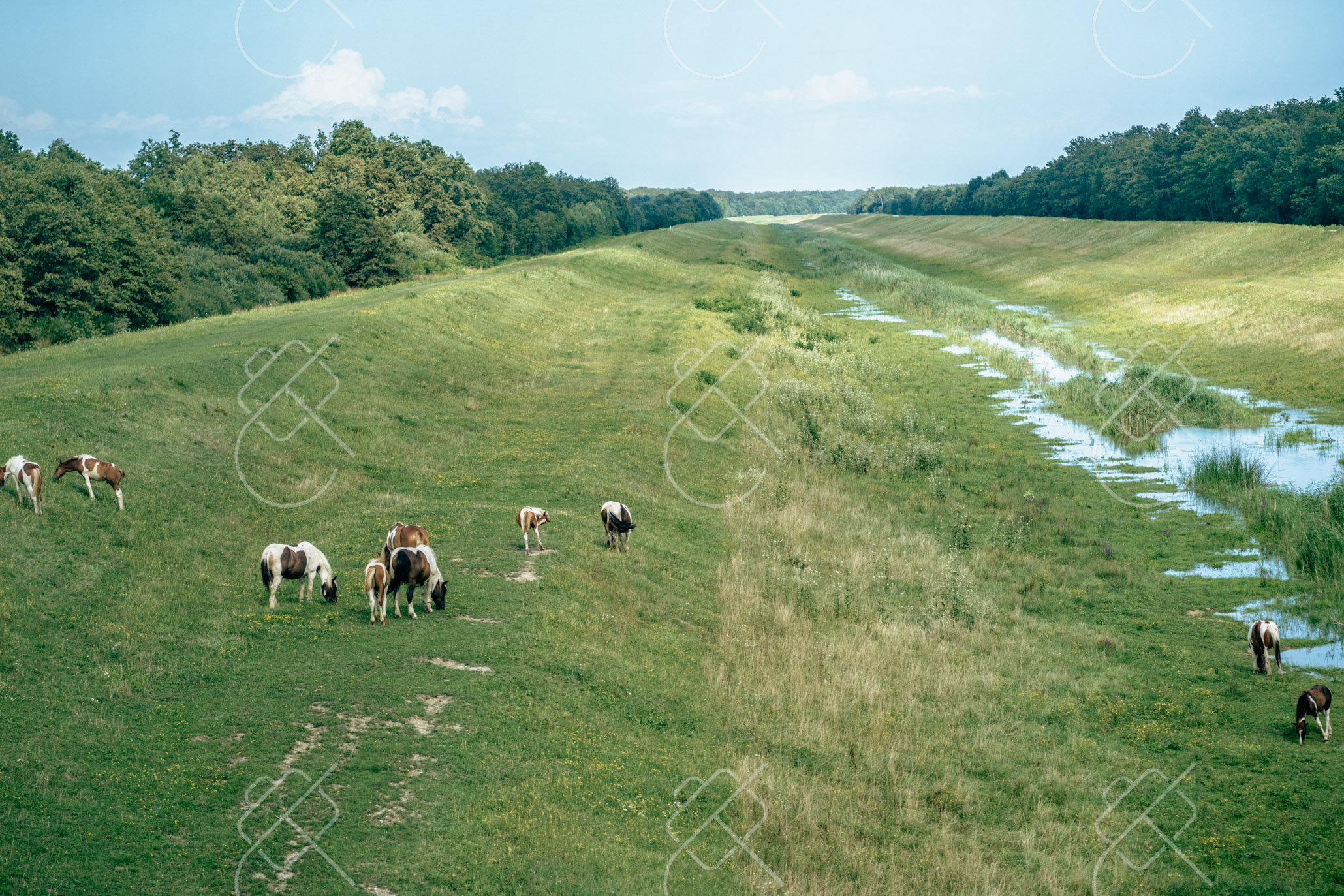
The drive is about 410 km on the A1 motorway, a little over 4 hours without stops. The A1 is a toll road charged by distance; read our Croatia driving and tolls guide for how to pay. The big advantage of a car is stopping on the way: Plitvice Lakes sits on the older road a short detour off the A1, and Zadar and Šibenik are both near the motorway.
In Split, parking near the old town is limited and expensive in summer, and the centre around the palace is largely pedestrian, so many visitors return the car on arrival. Private transfers exist on this route but cost several times the bus for a solo traveller; they mainly make sense for groups that want a Plitvice stop built in.
You do not have to do Zagreb to Split in one go. Many buses on the coastal route call at Zadar and Šibenik, and some services between Zagreb and Split run via the Plitvice Lakes area, which lets you stop for a night. Our route is an example of a slower version: we spent 4 days in Zagreb in early August 2023, then 3 in Osijek in the east, then went to the coast for 3 days in Zadar and 2 in Šibenik before 2 days in Split and 3 in Dubrovnik.
If you have a week, our Croatia itinerary shows how those stops fit together, and where to stay in Zadar helps with the middle night. Leaving Split, the next leg south is covered in Split to Dubrovnik by ferry or bus.
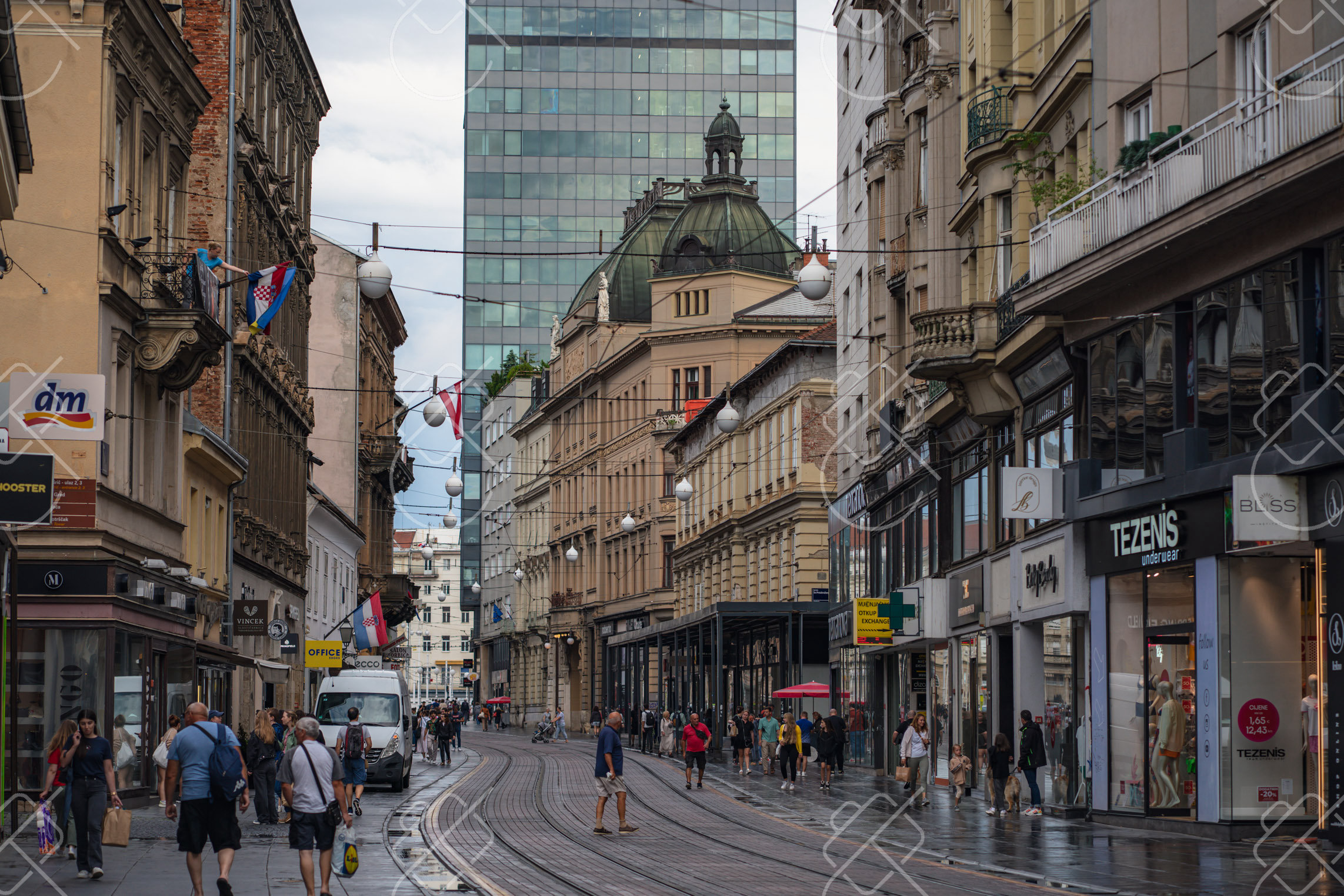
• Pick a seat on the right heading south on the bus for more of the coast as you near Split, though most of the motorway section runs inland.
• Summer traffic: in July and August, weekend afternoons on the A1 can add an hour or more, and Split's harbour area jams near the ferry port. Morning buses are more predictable.
• Night options: late-evening buses and the summer night train save a hotel night, but you arrive in Split around dawn, before most check-ins.
• Cash: Croatia uses the euro; carry a few euros in coins for luggage fees or snacks on the road.
• Before you go, see how many days in Zagreb, where to stay in Zagreb, our Zagreb guide and, for Split, Diocletian's Palace tickets.
About 5 hours on the fastest FlixBus services, and 6 to 7 hours on buses with more stops.
Yes. HŽPP runs a year-round direct day train taking just under 8 hours, an extra summer morning train taking about 7 hours, and a seasonal night train.
FlixBus fares start from about €18 (≈ $20) in 2026, rising closer to departure and in summer.
Only if you are short on time or connecting from an international flight. The flight is about 45 to 50 minutes, but airport transfers make it roughly 3 to 4 hours door to door.
Yes, by car it is a short detour off the A1, and some buses run via the Plitvice area so you can break the trip for a night.
Get our new Croatia guides and practical tips by email: where to stay, what to eat, what things cost and the rules that catch travelers out.
Free. No spam, only new guides and tips.
Search verified local fleets with low security deposits and exact model delivery on Localrent.
Find the best deals on Croatia accommodation with Booking.com.