Home
About us
Destinations & Country Guides
Travel Guides
Recipes
Featured
Photos As Art
Abstract Prints
Locations
Travel Gear
Travel Resources
Favorites
Photo Framer
Explore Photos
Contact Transit & logistics
By Clever Tourists · Published
Cheapest and year-round: the bus, about 3 hours 45 minutes to 4 hours 15 minutes, roughly €16 to €35 (≈ $17.8–39) with FlixBus or Nomago/Arriva, a dozen departures a day in summer. Best for most people from April to October: the catamaran, about 4.5 to 6 hours for around €50 (≈ $56), calling at islands like Hvar and Korčula on the way. Driving takes about 3 hours over the Pelješac Bridge. There are no direct flights and no train. We were in Split on 15 to 17 August 2023, then spent three nights in Dubrovnik before going on to Kotor.
Last checked 27 October 2026. Fares are approximate; dollar figures convert at our committed exchange-rate snapshot.
| Option | Time | One-way price |
|---|---|---|
| Bus FlixBus, Nomago, Arriva | 3h 45m–4h 15m | 16–35 EUR (≈ $17.8–39) |
| Ferry Catamaran, April to October Kapetan Luka (Krilo), TP Line, Jadrolinija | 4h 30m–6h | 50 EUR (≈ $56) |
| Car / taxi Driving or private transfer | 3h | — |
Planning more legs? Use the route finder.
Operators: FlixBus runs the most departures, alongside Nomago and Arriva-operated Croatian lines. Booking listings for 2026 show around 8 to 12 direct buses a day in season, with fewer in winter, including overnight departures in the early hours.
Journey: mostly 3 hours 45 minutes to 4 hours 15 minutes. Summer traffic on the coast road can add to that.
Price: roughly €16 to €35 (≈ $17.8–39) one way, cheapest when booked a few days ahead, highest on summer weekends. Expect a small fee (often €1 to €3 (≈ $1.1–3.3)) for each bag placed in the hold, paid in cash to the driver on many Croatian services.
From/to: Split main bus station is on the waterfront beside the ferry port and the train station, a 5 to 10 minute walk from Diocletian's Palace. Buses arrive at Dubrovnik bus station in Gruž, about 3 km from the Old Town's Pile Gate; Libertas city buses run from outside, or it is a short taxi ride.
Booking: on the operator's own site or app, at the station counter, or on aggregators such as Omio, Busbud or GetByBus. In July and August, buy at least a day or two ahead.

The coast road between Split and Dubrovnik is cut by a 9 km strip of Bosnia and Herzegovina at Neum. Since the Pelješac Bridge opened in July 2022, drivers can stay inside Croatia the whole way, but both routes remain open and some buses still go through Neum.
If your bus crosses at Neum, that is two border checks: leaving the Schengen area and re-entering it. Since the EU's Entry/Exit System (EES) became fully operational on 10 April 2026, non-EU travellers have their passport scanned and biometrics recorded at Schengen external borders, which can mean waiting on the bus. Carry your passport whichever route you take; EU citizens can use a national ID card. Check the Croatia visa page if you are not sure of your status.
If you want to avoid Neum entirely, ask the operator before booking or choose the catamaran.
Operators: three companies run foot-passenger catamarans: Kapetan Luka (Krilo), TP Line and Jadrolinija. Krilo and TP Line operate roughly April to October; Jadrolinija's line has run only from about mid-June to mid-September. There is no service in winter.
Journey: about 4.5 to 6 hours, depending on stops. Boats call at islands such as Hvar, Korčula, Brač (Bol) or Mljet on the way, which is why many people use the route for island hopping and stop overnight.
Price: around €50 (≈ $56) per person for the full Split to Dubrovnik leg in 2026, per published fare tables; shorter legs (to Korčula, for example) are cheaper.
Frequency: usually one or two sailings a day, often only a morning departure from Split. Schedules for the season are released in spring; check the operator's own timetable, as aggregators do not always show every sailing.
From/to: catamarans leave from Split's harbour by the bus station, a short walk from the palace, and arrive at Dubrovnik Gruž port, near the bus station and about 3 km from the Old Town.
Booking: on the operator sites, at their kiosks on the Split waterfront, or on Ferryhopper. In July and August the boats sell out; book several days ahead. Sailings can be cancelled in strong wind, mostly a risk in shoulder months.

The drive is about 230 km and takes roughly 3 hours: the A1 motorway south to around Ploče, then the coast road and the Pelješac Bridge, which keeps you in Croatia. The A1 is tolled; payment details are in our planned Croatia driving and tolls guide.
One-way rentals dropped in Dubrovnik usually carry a large extra fee. If you drive through Neum, tell the rental company and make sure you have the cross-border insurance document. Parking near Dubrovnik's Old Town is scarce and expensive, so drop the car before you check in if you can.
Private transfers run the same road in about 3 hours and suit groups of three or four with luggage; get a fixed quote in advance.
There are no direct flights between Split and Dubrovnik. Croatia Airlines' 2026 summer network connects both cities through Zagreb, which takes longer and costs more than the bus.
• On a budget, or between November and March: the bus. Sit on the right-hand side heading south for sea views along much of the coast.
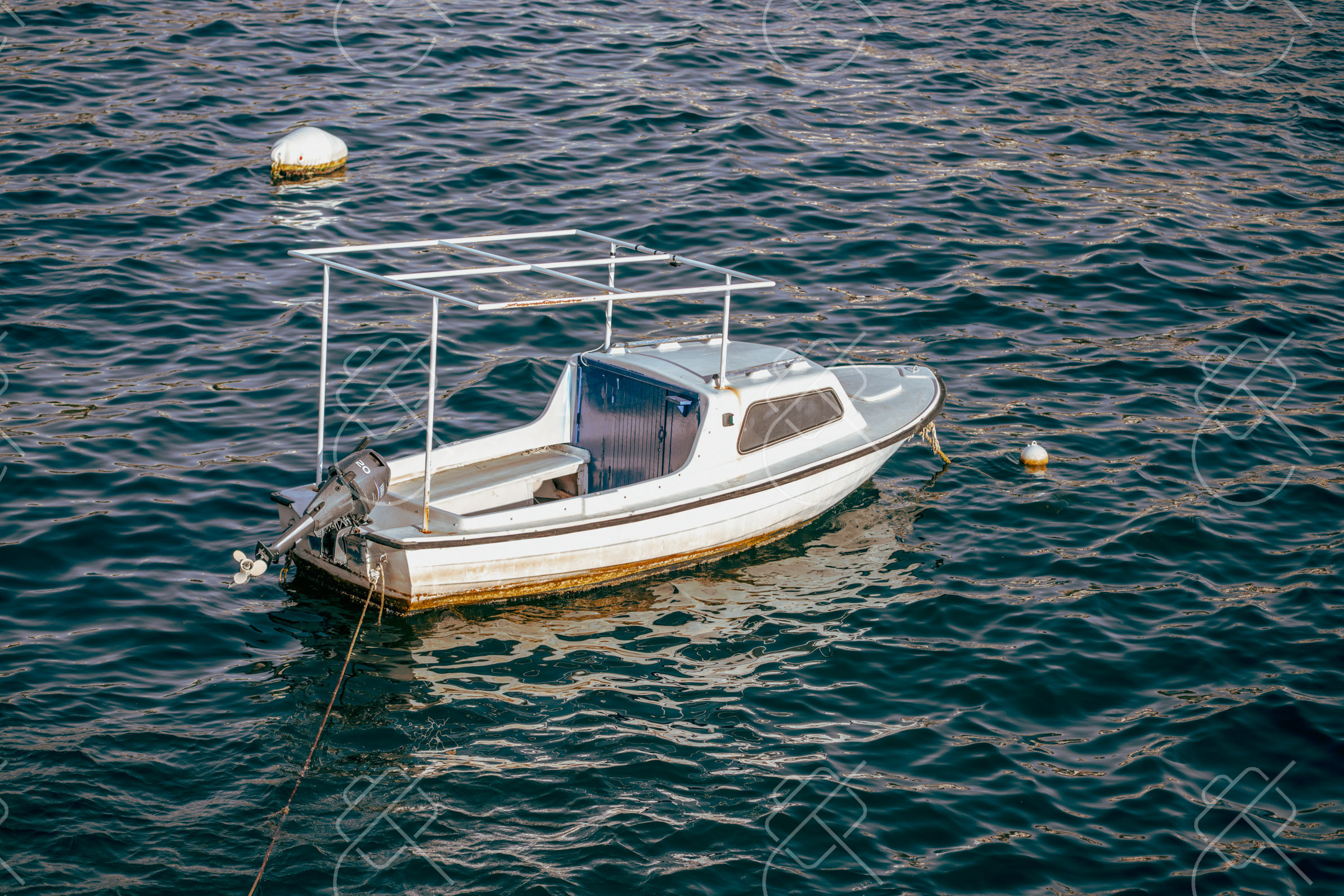
• Summer, with time to spare: the catamaran, and break the trip on Hvar or Korčula for a night or two.
• Groups or heavy bags: a transfer or a car.
Plan the end of the trip with our where to stay in Dubrovnik and how many days in Dubrovnik guides; if you are continuing south as we did, Kotor to Dubrovnik covers that border. Coming from the north, see Zagreb to Split. In Split, the Diocletian's Palace guide covers tickets. Our route ran Zagreb, Osijek, Zadar, Šibenik, Split and Dubrovnik in August 2023; the full order is in the Croatia itinerary and the Croatia guide. For timing, read best time to visit Croatia.
About 3 hours 45 minutes to 4 hours 15 minutes, with fares roughly €16 to €35 (≈ $17.8–39) from FlixBus, Nomago and Arriva-operated lines.
No. Catamarans from Kapetan Luka (Krilo) and TP Line run roughly April to October, and Jadrolinija's only from about mid-June to mid-September.
Carry one. Some buses still cross Bosnia at Neum, which means two Schengen border checks; the Pelješac Bridge route stays in Croatia.
Not directly. Croatia Airlines connects them via Zagreb, which is slower and more expensive than the bus.
Get our new Croatia guides and practical tips by email: where to stay, what to eat, what things cost and the rules that catch travelers out.
Free. No spam, only new guides and tips.
Search verified local fleets with low security deposits and exact model delivery on Localrent.
Compare flights to Croatia and get the best deals on Kiwi.com.