Home
About us
Destinations & Country Guides
Travel Guides
Recipes
Featured
Photos As Art
Abstract Prints
Locations
Travel Gear
Travel Resources
Favorites
Photo Framer
Explore Photos
Contact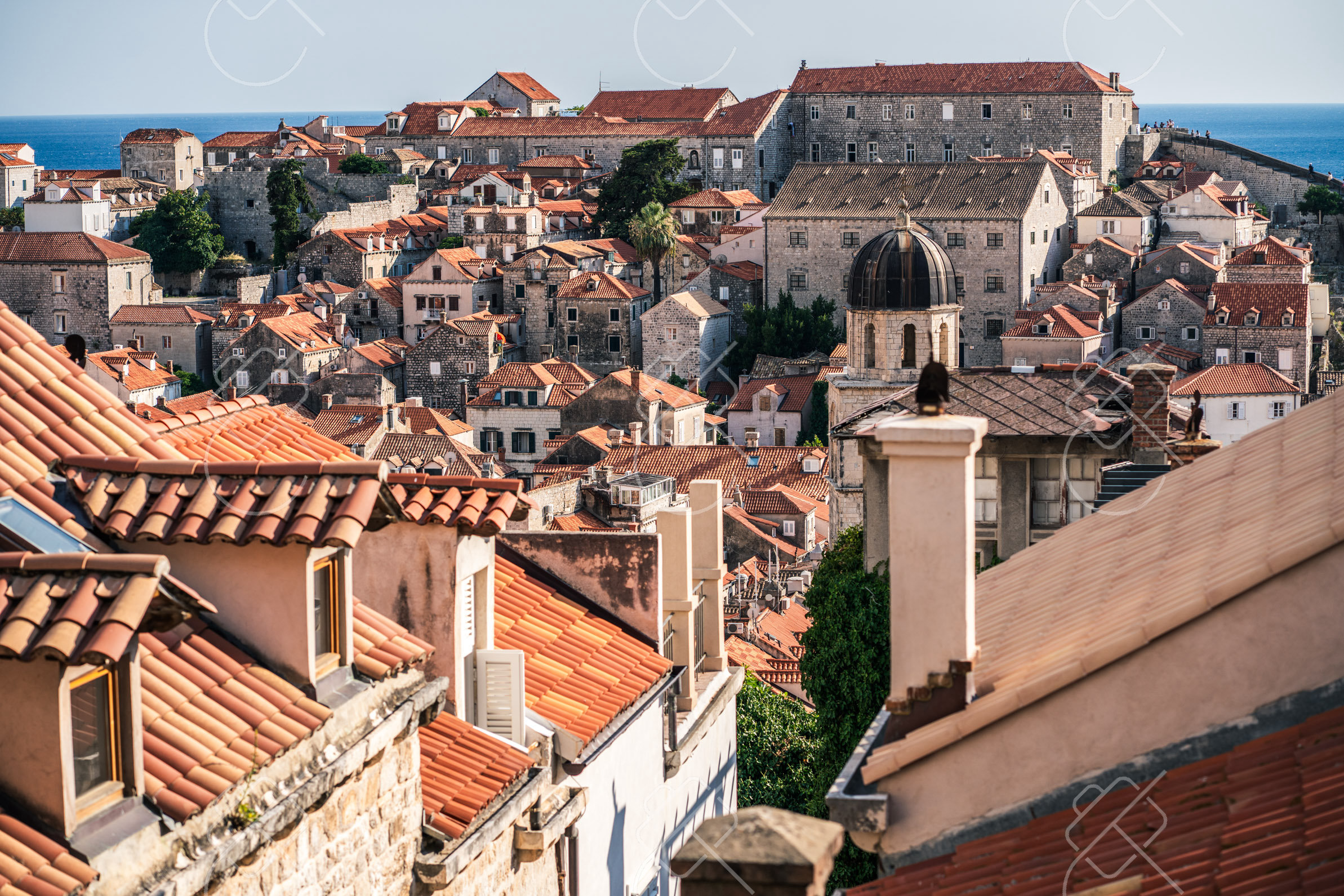 Destinations & Itineraries
By Clever Tourists · Published
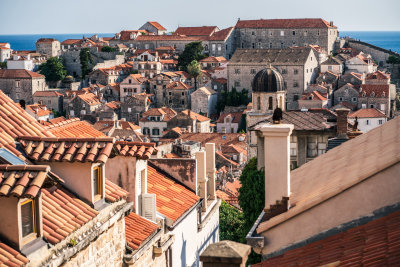
Two to three days. We spent 3 days in Dubrovnik, 17 to 20 August 2023, after Split and before crossing into Montenegro for Kotor. The walled Old Town itself is small, but in summer you can only enjoy its main sights early and late, when the cruise and tour crowds are gone, so you need more time than its size suggests. Two days covers the City Walls, the Stradun, Fort Lovrijenac and either Lokrum or the Srđ cable car. A third day adds the other one, or a day trip.
• 1 day: walls at 8am, the Stradun and Rector's Palace, Lovrijenac in the late afternoon. Exhausting in August.
• 2 days: the walls and Old Town on day one; Lokrum island or the cable car and sunset on day two.
• 3 days: what we had, and the best balance. Both Lokrum and Srđ, or a day trip along the coast.
• 4 or more: room for Cavtat, the Elaphiti islands or Ston, or a beach day.
The rule that shapes every Dubrovnik plan: the Old Town is at its best before about 10am and after about 6pm. Midday is for the island, the beach or a long lunch.
Day 1, the City Walls and the Old Town. Be at the walls when they open at 8am in summer. The ticket is €40 (≈ $45) for adults in 2026 and includes Fort Lovrijenac; the 1-day Dubrovnik Pass costs the same and adds museums and city buses, so it is the better buy. The circuit is about 1.9 km, one way, counterclockwise, and takes 1.5 to 2 hours. Afterwards walk the Stradun, the Rector's Palace and the Old Port. Come back for Lovrijenac in the late afternoon, when the walls are crowded. Full details: Dubrovnik City Walls guide.
Day 2, Lokrum. Boats leave the Old Port about every 30 minutes in high season, starting around 9am, for the wooded island a short ride offshore: rocky swimming, peacocks, a botanical garden and the ruined Benedictine monastery. The return ferry and island fee together come to about €30 (≈ $33); prices change, so check at the port.
Day 3, Srđ and the evening. The cable car climbs 412 m to the top of Srđ in under four minutes; a return ticket is about €30 (≈ $33) and is not included in the Dubrovnik Pass. Go up for the hour before sunset, when the walled city below turns gold. Or use this day for a trip out: see day trips from Dubrovnik.
Dubrovnik limits big cruise-ship calls to two a day, but check the port schedule: on two-ship days the walls and Stradun are busiest from late morning to mid-afternoon.
On our route Dubrovnik was the last stop in Croatia: Šibenik (2 days) → Split (2) → Dubrovnik (3) → Kotor (3). From Split, buses take about 4 to 4.5 hours, and seasonal catamarans, which run in the warmer months, about 4 to 5 hours with island stops. There is no train. The Pelješac Bridge means the road no longer has to cross Bosnia's short coastal strip at Neum.
Going on to Montenegro, the main crossing is Karasovići / Debeli Brijeg, about 45 minutes south. Croatia is in Schengen and Montenegro is not, so there are full passport checks, and the EU's Entry/Exit System registers non-EU travellers' fingerprints. Midday queues of 2 to 3 hours are common in July and August. Buses to Kotor take about 2 to 2.5 hours plus the border; see Kotor to Dubrovnik.
That border is why we would not do Kotor as a day trip from Dubrovnik in summer: two crossings can eat most of the day. Stay a few nights instead, as we did; see how many days in Kotor. For a whole-country plan, see our Croatia itinerary.
May, June, September and early October are the best months: the sea is warm and the walls are bearable at midday. July and August, when we were there, are the hottest, busiest and most expensive. In winter the walls open later and close mid-afternoon, and a cheaper winter ticket applies.
Staying inside the walls puts you on the Stradun at 7am and after the crowds leave, at the cost of stairs and noise; Ploče and Lapad trade that for beaches and quieter streets. Our where to stay in Dubrovnik compares them, and what to eat in Dubrovnik covers the food. Tipping norms are in tipping in the Balkans.
Dubrovnik is the most expensive stop on the Croatian coast, and the sightseeing costs add up. Approximate 2026 prices per adult:
• City Walls: €40 (≈ $45), including Fort Lovrijenac; €15 (≈ $16.7) for ages 7 to 18, free under 7.
• Dubrovnik Pass: €40 (≈ $45) for 1 day, €50 (≈ $56) for 3 days, €60 (≈ $67) for 7 days, including the walls, several museums and city buses. The 3-day pass suits this itinerary.
• Srđ cable car: about €30 (≈ $33) return, not included in the pass.
• Lokrum: about €30 (≈ $33) for the return ferry and island fee.
Prices have changed several times in recent years, so check the official sites before you buy. Buy walls tickets from the official webshop or the entrance desks; third-party sites often add a fee.
• Walking the walls at noon in August. There is almost no shade. Go at 8am or in the last two hours before closing.
• Buying a walls ticket and a Dubrovnik Pass. The 1-day pass costs the same and includes the walls.
• A summer day trip to Kotor or Montenegro on a fixed schedule. Border queues make it a gamble.
• Only seeing the Old Town. Lokrum and the view from Srđ are what turn two days into a good trip.
Yes for most people: the City Walls at 8am and the Old Town on day one, then Lokrum or the Srđ cable car and sunset on day two.
It covers the walls, the Stradun and Fort Lovrijenac if you start at 8am, but in summer the midday crowds and heat make a single day hard work.
€40 (≈ $45) for adults, including Fort Lovrijenac. The 1-day Dubrovnik Pass costs the same and adds museums and city buses.
Possible, but risky in July and August, when the border at Karasovići / Debeli Brijeg can add 2 to 3 hours each way. Staying in Kotor is better.
By bus, about 4 to 4.5 hours, or by seasonal catamaran in the warmer months, about 4 to 5 hours. There is no train.
Get our new Croatia guides and practical tips by email: where to stay, what to eat, what things cost and the rules that catch travelers out.
Free. No spam, only new guides and tips.
Search verified local fleets with low security deposits and exact model delivery on Localrent.
Get the best deals on a stay in Croatia — compare on Booking.com.