Home
About us
Destinations & Country Guides
Travel Guides
Recipes
Featured
Photos As Art
Abstract Prints
Locations
Travel Gear
Travel Resources
Favorites
Photo Framer
Explore Photos
Contact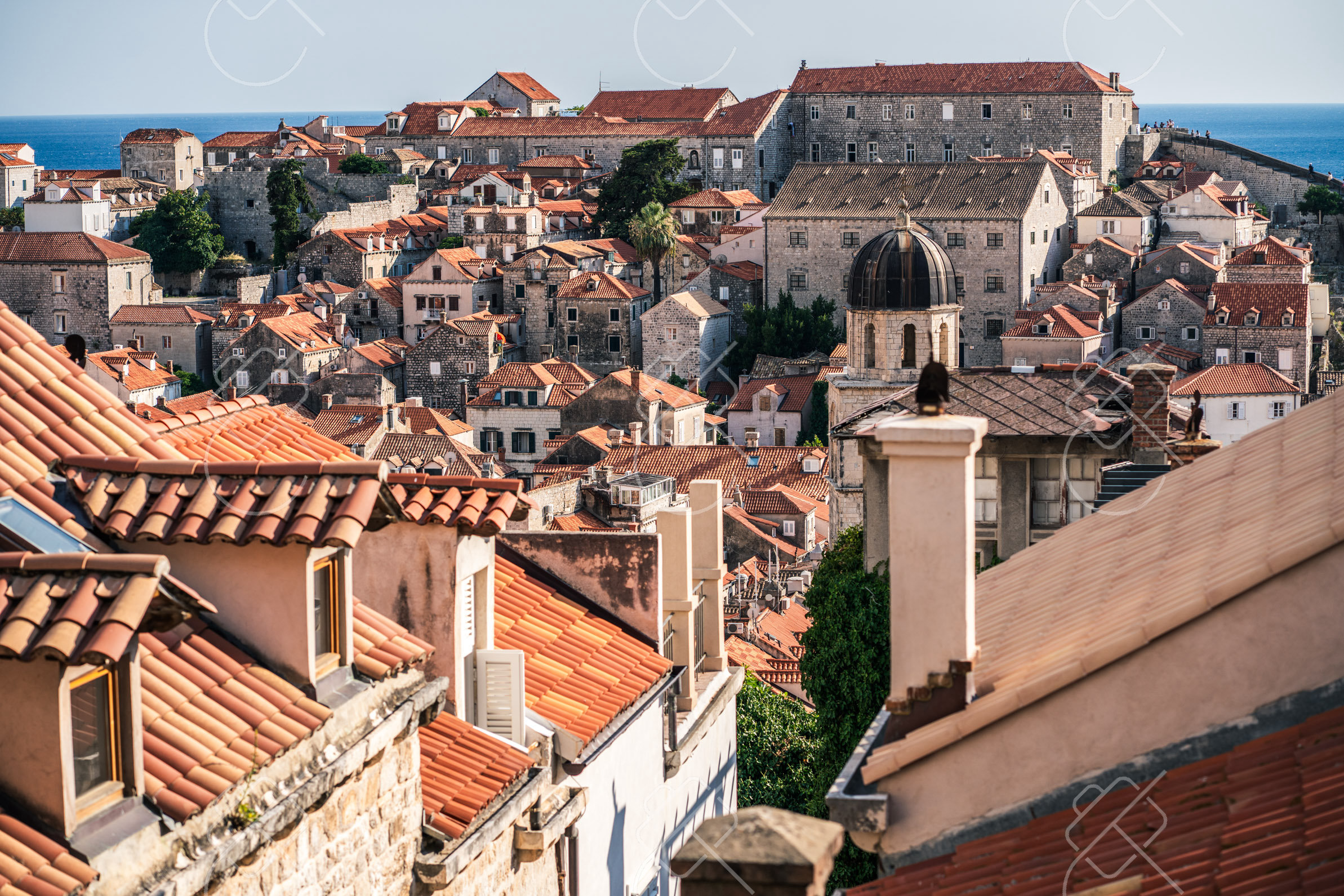 Connectivity & tech
By Clever Tourists · Published
Croatia is in the EU, so EU visitors roam free and an eSIM is mainly for Americans, Canadians, Australians and UK travellers on EE, Vodafone or Three; but the bigger Croatia-specific risk is not the price at home, it is your phone silently switching to a Bosnian or Montenegrin network near Dubrovnik and charging non-EU roaming rates. A travel eSIM that covers the Balkans, or a Croatian tourist SIM from Hrvatski Telekom, A1 or Telemach, fixes both problems. We spent 17 days in Croatia in August 2023, from Zagreb and Osijek to Zadar, Šibenik, Split and Dubrovnik, and went on to Montenegro, so the border edge is the part of this guide we would read first.
Southern Dalmatia is a narrow strip of Croatia squeezed between the Adriatic and Bosnia and Herzegovina, and the Dubrovnik area is cut off from the rest of Croatia by Bosnia's short coastline at Neum. Bosnia and Montenegro are both outside EU roaming. If your phone connects to a Bosnian or Montenegrin mast, an EU or UK plan that is free in Croatia can bill you at non-EU rates, sometimes several pounds or euros per megabyte.
Where this happens:
• The coast road through Neum, and the hills either side of it. The Pelješac Bridge, open since 2022, lets the main road skip Neum, but the coast near the bridge and the Pelješac peninsula itself still sit within reach of Bosnian masts.
• Konavle and Cavtat, south of Dubrovnik towards the Montenegrin border and Dubrovnik airport.
• Dubrovnik's hillside and the old town walls facing inland, where Bosnian signals reach over the ridge.
• Day trips to Mostar, Kotor or Bay of Kotor, which leave the EU entirely. See our Kotor to Dubrovnik border guide and driving across Balkan borders.
The fix: in network settings, turn off automatic network selection on your home line and choose a Croatian operator (HT, A1 or Telemach) manually. Or keep data roaming off on your home line and use an eSIM whose coverage list includes Bosnia and Montenegro, so a handover costs nothing.
EU/EEA: you do not need anything. Roam Like at Home means your domestic allowance works here at no extra cost, subject to your operator's fair-use limit on cheap unlimited plans.
UK: post-Brexit, the four big networks no longer match. As of 2026 O2 still includes EU roaming at no daily charge (with a fair-use cap of about 25GB), while EE, Vodafone and Three charge a daily fee of roughly £2 to £2.75 (≈ $2.7–3.7) on most plans. Smarty, iD Mobile and Lebara include EU roaming. Check your own plan's roaming page before you go, because the fee depends on when you joined.
US and Canada: your home plan works, but usually through a paid daily pass. AT&T's International Day Pass is $12 a day for the first line (capped at 10 charges per bill), and Verizon's TravelPass is also $12 a day. On a two-week trip that is well over $100, which is the main reason Americans buy a travel eSIM.
Australia and New Zealand: home-carrier international day passes exist but are priced per day, so the same maths applies as for US travellers: anything over a few days is usually cheaper on a data eSIM or local SIM.
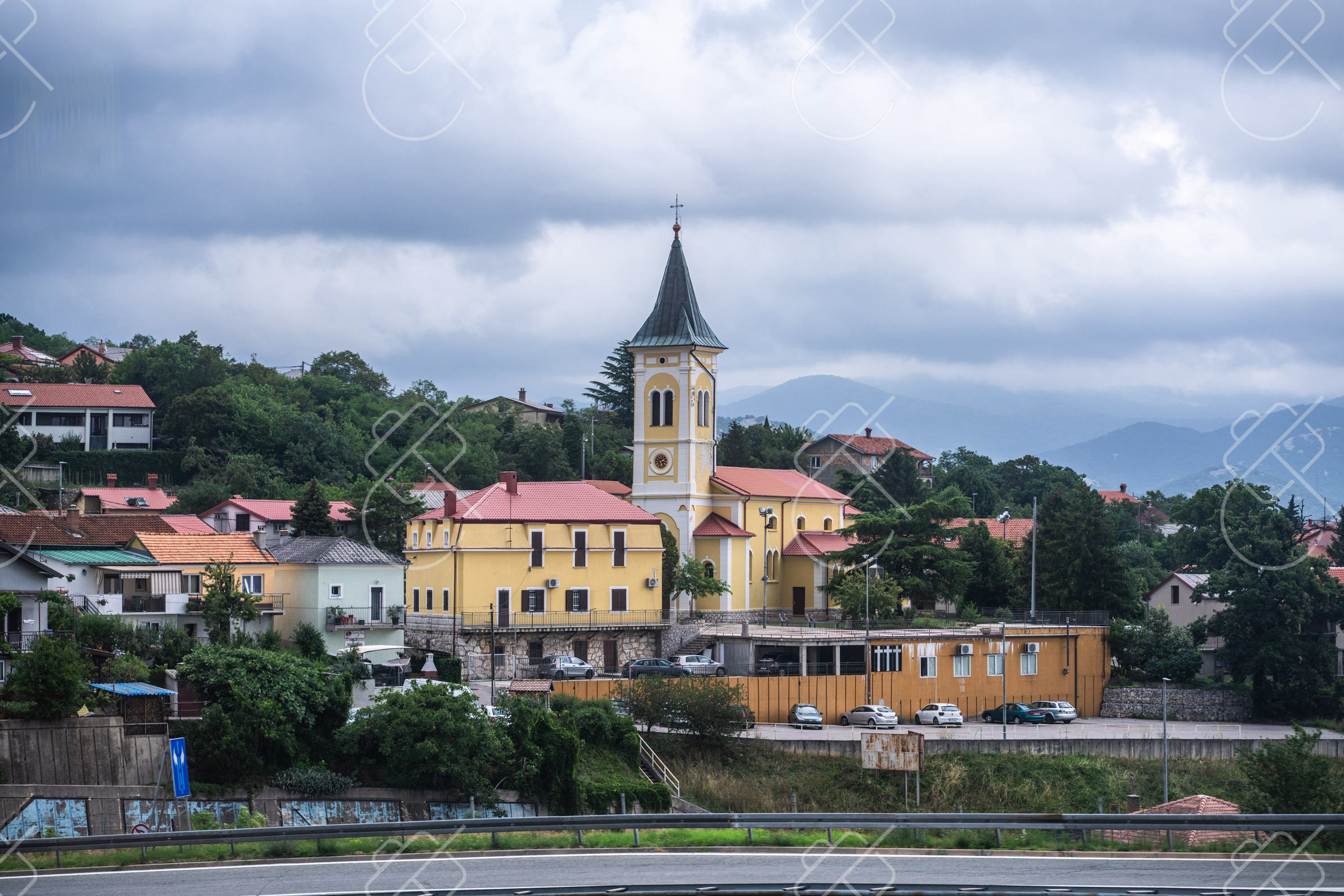
Croatia has three networks. Hrvatski Telekom (HT, part of Deutsche Telekom, with the cheaper Bonbon sub-brand) has the widest coverage including the islands. A1 Hrvatska is second. Telemach is the third and often cheapest.
All three sell tourist prepaid packs with large data allowances, aimed at summer visitors and sold at airport kiosks, operator shops and many newsstands (Tisak). To buy one you show your passport (or an EU ID card) at the point of sale; there is none of Italy's tax-code step or Germany's video identification. Telemach and A1 packs tend to include some local minutes, while HT's visitor packs charge extra for calls.
A travel eSIM is data only and installed before you fly. For a one-week island trip it saves a kiosk queue at Split airport in August. For a three-week summer trip, a Croatian tourist pack is cheaper per gigabyte. Our eSIM or local SIM guide covers the general trade-off.
Realistic numbers for a phone used for maps, messaging, ticket QR codes and some photo uploads: about 0.5 to 1GB a day. Add 1 to 2GB a day if you video call home, stream music on long train rides or hotspot a laptop. A one-week trip is comfortably 5 to 10GB; two weeks, 10 to 20GB.
Unlimited plans are worth it only if you will hotspot a laptop or stream video daily. Note that many "unlimited" travel eSIMs slow you down after a daily threshold, so read the fair-use line before you pick one.
Croatia-specific: Jadrolinija and catamaran ferry tickets and timetables, Bolt and Uber (both run in Zagreb, Split and Dubrovnik), and parking apps in the coastal towns. A week island-hopping with hotspotting for a laptop can reach 15GB.

Most travel eSIMs have no number. In Croatia that rarely matters: apartment hosts, which most coastal visitors book, communicate by WhatsApp or Viber, and ferry tickets arrive by email.
A Croatian number helps if you rent a car and need the agency to reach you locally, or stay longer than a month. Keep your home line on the physical SIM for banking texts, with data roaming off if you are near the border.
• Your phone must be carrier-unlocked and eSIM-compatible. Most iPhones since the XS and recent Pixel and Galaxy models are; check Settings before you buy.
• Install the eSIM at home on Wi-Fi, but leave it off. Many plans start their validity clock on first connection, not on purchase.
• On landing, switch mobile data to the eSIM line, turn data roaming on for that line (travel eSIMs technically roam on a local network) and keep data roaming off on your home line so it cannot run up charges.
• Keep your home SIM active for calls and SMS so banking and two-factor texts still arrive. Turn on Wi-Fi Calling on the home line to take calls over hotel Wi-Fi without roaming charges.
Zagreb, Split, Zadar and Dubrovnik have strong 4G and 5G. The Adriatic islands are mostly covered from coastal masts, but there are real gaps:
• Outer islands such as Vis, Lastovo and Mljet's interior have weaker signal, and the open sea between them is patchy on ferries.
• Kornati and Telašćica, the national parks off Zadar and Šibenik, have little or nothing in many coves.
• Velebit and Gorski Kotar, the mountains between Zagreb and the coast, drop out in valleys and the A1 motorway tunnels.
• Plitvice Lakes has signal at the entrances, thinner on the lower lake trails.
On the eastern side, Osijek and Slavonia border Serbia and Hungary; Hungary is EU, Serbia is not, so the same manual-network trick applies near the Serbian border. For route planning, see our Croatia itinerary and Croatia guide.
Not with an EU plan or a UK plan that includes EU roaming. US, Canadian and Australian visitors, and EE, Vodafone or Three customers, usually save with a data eSIM or a Croatian tourist SIM.
The Dubrovnik area borders Bosnia and Herzegovina and Montenegro, both outside EU roaming. Near Neum, Pelješac, Konavle and Dubrovnik's hills your phone can connect to their masts. Select a Croatian network manually or keep data roaming off on your home line.
Yes. Hrvatski Telekom, A1 and Telemach sell tourist prepaid packs at airports, operator shops and newsstands. You show a passport or EU ID card at the point of sale.
Mostly yes from coastal masts, but outer islands such as Vis and Lastovo, Mljet's interior and the Kornati coves have weak or no signal, and open-sea ferry crossings are patchy.
Get our new Croatia guides and practical tips by email: where to stay, what to eat, what things cost and the rules that catch travelers out.
Free. No spam, only new guides and tips.
Search verified local fleets with low security deposits and exact model delivery on Localrent.
Compare flights to Croatia and get the best deals on Kiwi.com.