Home
About us
Destinations & Country Guides
Travel Guides
Recipes
Featured
Photos As Art
Abstract Prints
Locations
Travel Gear
Travel Resources
Favorites
Photo Framer
Explore Photos
Contact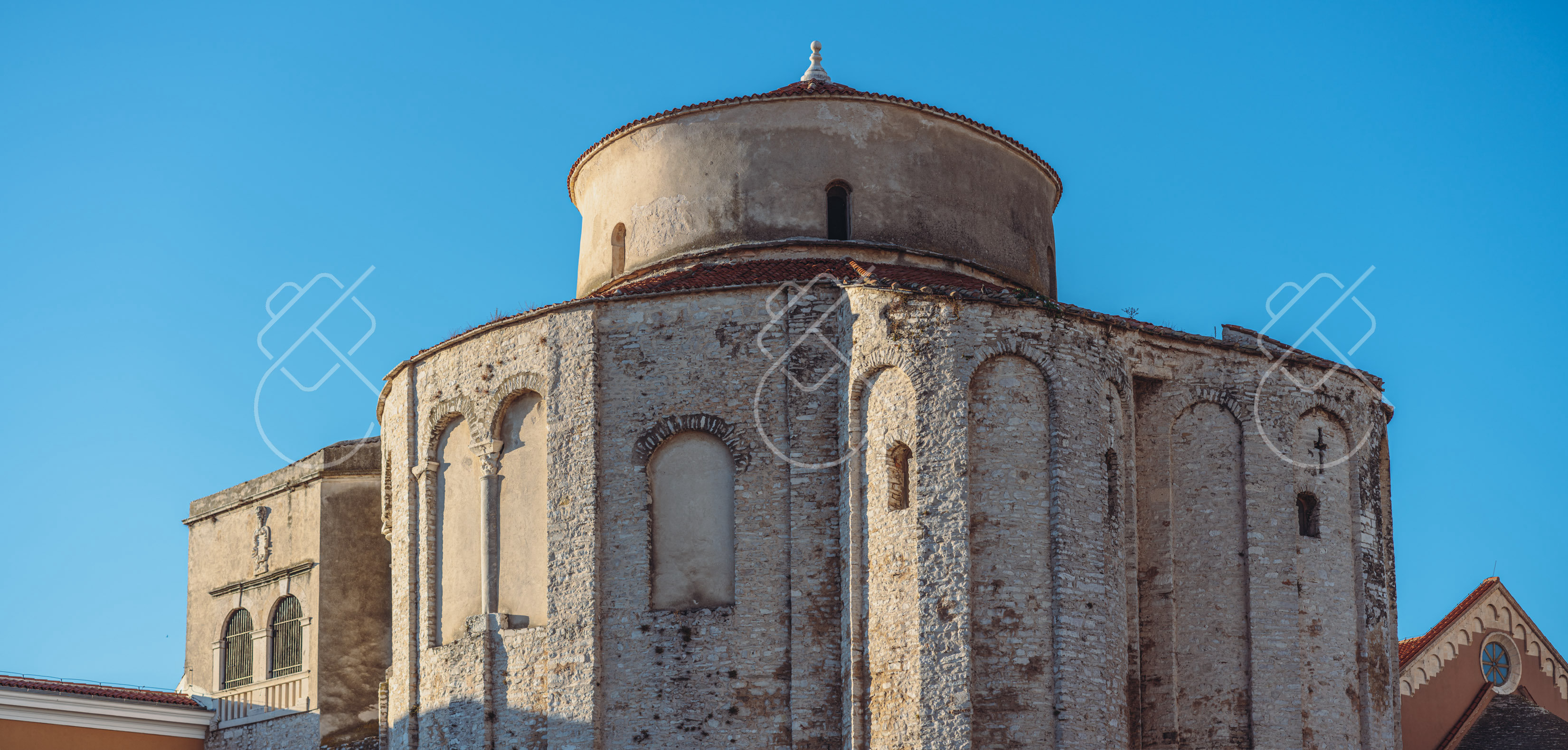 Gear & packing
By Clever Tourists · Published · Last updated
The single most useful thing to pack for the Croatian coast is a pair of water shoes: most beaches are pebble or rock, and sea urchins live on the rocks you climb in from. After that, it is a summer sun kit, a small bag for ferry days, a type C or F adapter, and decent walking shoes for old-town stone that turns slippery when polished by millions of feet. We spent August 2023 in Croatia: 4 days in Zagreb, 3 in Osijek, then down the coast with 3 days in Zadar, 2 in Šibenik, 2 in Split and 3 in Dubrovnik.
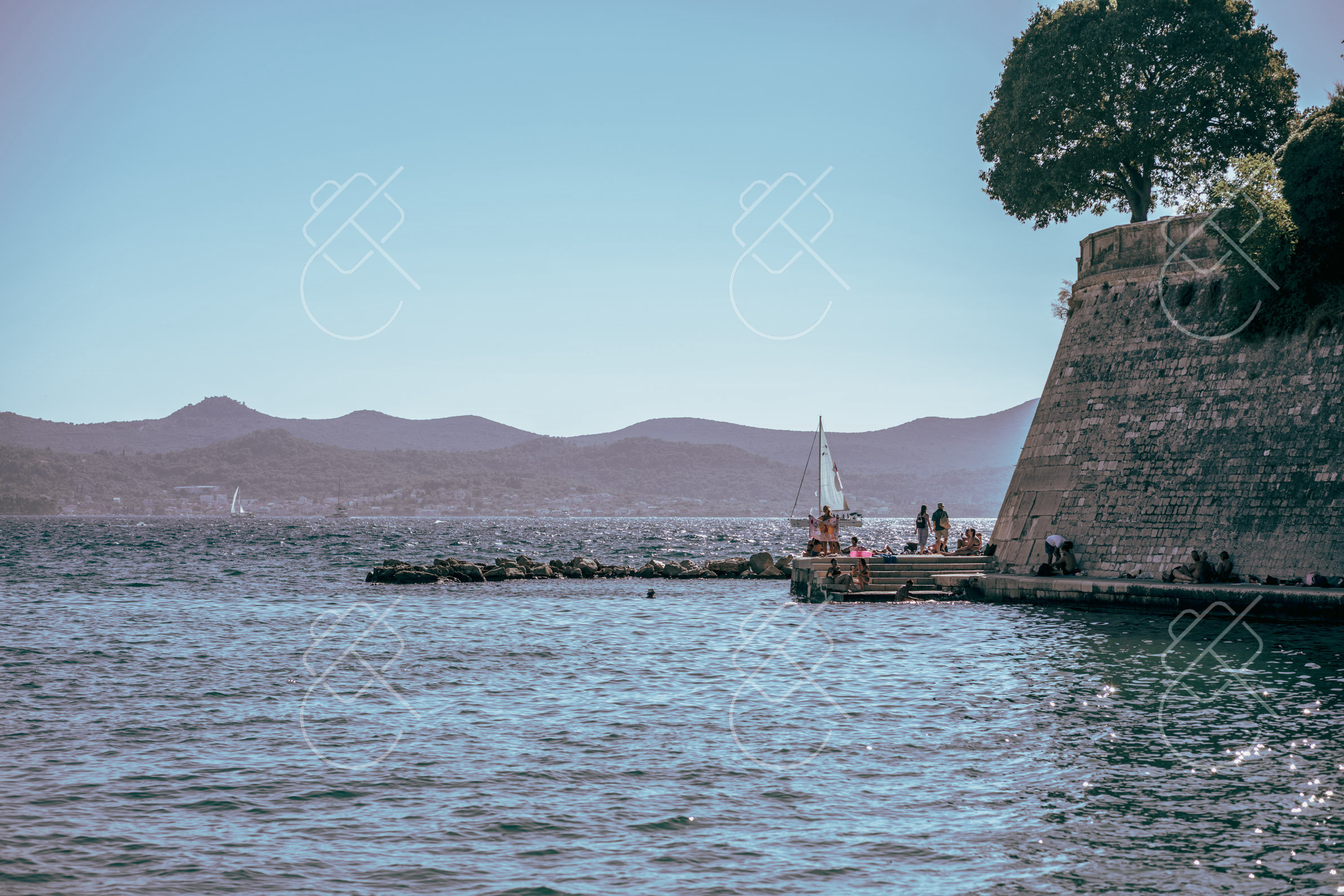
• Water shoes. The Adriatic is clear because the coast is stone, not sand. Getting in from rocks, concrete platforms or pebbles is painful barefoot, and black sea urchins are common in shallow rocky water. Beach shops sell cheap plastic pairs everywhere, so you can buy them on day one.
• A quick-dry towel or a thin mat. Many beaches are rock slabs with no sun loungers for rent.
• Snorkel mask. Visibility is excellent around the islands and along the Dalmatian coast.
• A dry bag or zip-lock pouch for the phone on boat trips and when swimming from a beach with no one to watch your things.
Croatia's sea is warmest in August and September. Jellyfish appear some summers; there is no need to pack anything special for them.
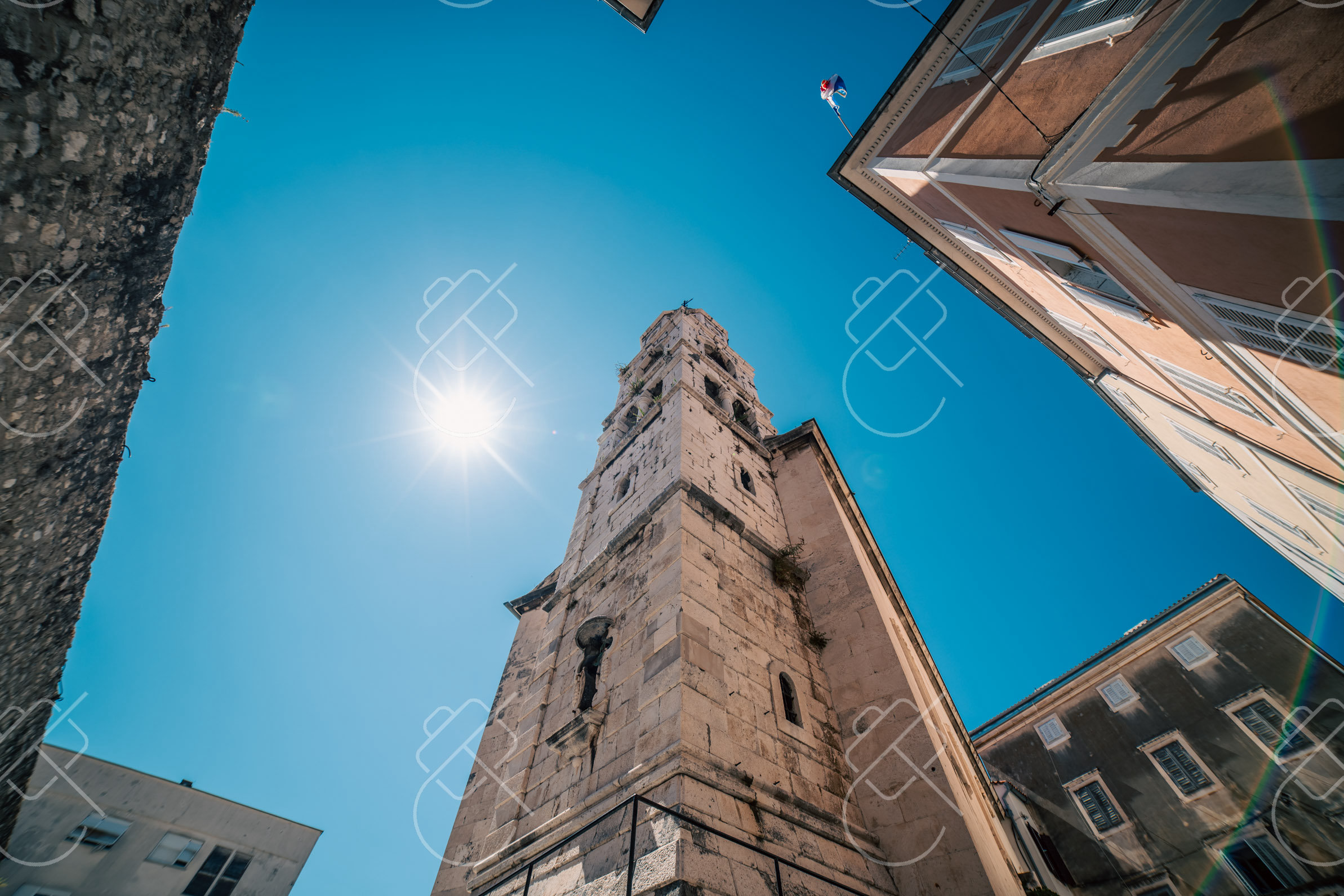
Inland Dalmatia and the coastal towns regularly reach the mid-30s °C in July and August, and the white stone of Split, Zadar and Dubrovnik reflects heat back at you.
• High-factor sunscreen and after-sun; both are sold in every drugstore (dm and Müller are the big chains) at normal EU prices.
• A wide-brimmed hat that stays on in wind. We carried a Selke oilskin hat (on our gear page).
• A refillable bottle. Tap water is safe to drink in Croatia.
• Walking shoes with grip. The marble-like limestone paving in Dubrovnik's old town and Split's Diocletian's Palace is slippery, especially after rain. Dubrovnik's city walls also involve many steps in full sun; go early, with water. See Dubrovnik city walls tickets and hours.
Jadrolinija runs the main car ferries and catamarans between Split, the islands and Dubrovnik, with private catamaran lines on some routes. Catamarans sell out in peak summer, and ferry ports have long queues.
• A day bag with water, snacks and a layer. Catamaran cabins are air-conditioned and can be cold; open decks are windy.
• Motion-sickness tablets if you get seasick. The Adriatic is usually calm in summer, but the bora and jugo winds can make crossings rough.
• Tickets on your phone and a power bank. Buy catamaran tickets online in advance in July and August.
• A backpack or a case with good wheels. Old towns are pedestrian-only, stepped and cobbled, and ports are often a walk from the centre.
For the coastal leg, compare options in Split to Dubrovnik: ferry vs bus. If you are driving, read driving in Croatia.
Plitvice Lakes National Park sits inland between Zagreb and the coast, at a higher altitude than the coast, so mornings can be noticeably cooler than in Split. Swimming is not allowed anywhere in the park, so leave the swim kit in the car.
• Comfortable shoes with grip. The boardwalks run right over the water and are wet and slippery in places.
• A light layer and a rain jacket. Weather in the hills changes faster than on the coast.
• Water and snacks. Food options in the park are limited and busy at midday.
• Your timed ticket. Tickets are sold for a set day, time slot and entrance, and summer numbers are limited; buy in advance on the park's official ticketing site. Online tickets cannot be changed or refunded.
We did not stop at Plitvice on our route, which went Zagreb to Osijek and then to Zadar, but it sits just off the main Zagreb to Zadar road and is the usual stop between them.
• Euros. Croatia has used the euro since January 2023. Cards are accepted widely, but carry cash for beach bars, small konobas, market stalls, parking machines and some boat trips.
• Plug adapter: Croatia uses 230 V with type C and F sockets. US, UK and Australian visitors need an adapter.
• Passport or ID. Croatia is in the Schengen area. Non-EU visitors are now registered under the EU's Entry/Exit System, and ETIAS is planned to follow; check do I need a visa for Croatia.
• Data: EU visitors roam at home rates; others should read our Croatia eSIM guide.
• ID for day trips: if you plan a day in Mostar or Kotor, you cross a non-EU border, so carry your passport.
Leave out: heavy jackets in July and August, more than a week of clothes (laundromats exist in the big towns, and many apartments have washing machines), and a large inflatable: everything inflatable is sold on the beach.
Buy there: water shoes, sunscreen, snacks for ferry days and picnic food from Konzum, Studenac, Lidl or Tommy. Our Croatia grocery guide lists what is worth picking up.
For the full route, see our Croatia itinerary from Zagreb to Dubrovnik, the Croatia guide and the Zadar guide. If you are going in shoulder season, the best time to visit Croatia explains what changes, and our long-trip packing list covers the core kit.
Yes, for most beaches. The coast is pebble and rock, and sea urchins are common in shallow rocky water. Cheap pairs are sold in beach shops everywhere.
No. Swimming is not allowed anywhere in Plitvice Lakes National Park. Bring shoes with grip for the wet boardwalks, a light layer, water and a timed ticket bought in advance in summer.
Types C and F, at 230 V, the standard two-round-pin European plug. US, UK and Australian visitors need an adapter.
Some. Croatia uses the euro and cards work widely, but beach bars, small restaurants, market stalls, parking machines and some boat trips want cash.
Get our new Croatia guides and practical tips by email: where to stay, what to eat, what things cost and the rules that catch travelers out.
Free. No spam, only new guides and tips.
Search verified local fleets with low security deposits and exact model delivery on Localrent.
Get the best deals on Croatia hotels on Booking.com before prices climb.