Home
About us
Destinations & Country Guides
Travel Guides
Recipes
Featured
Photos As Art
Abstract Prints
Locations
Travel Gear
Travel Resources
Favorites
Photo Framer
Explore Photos
Contact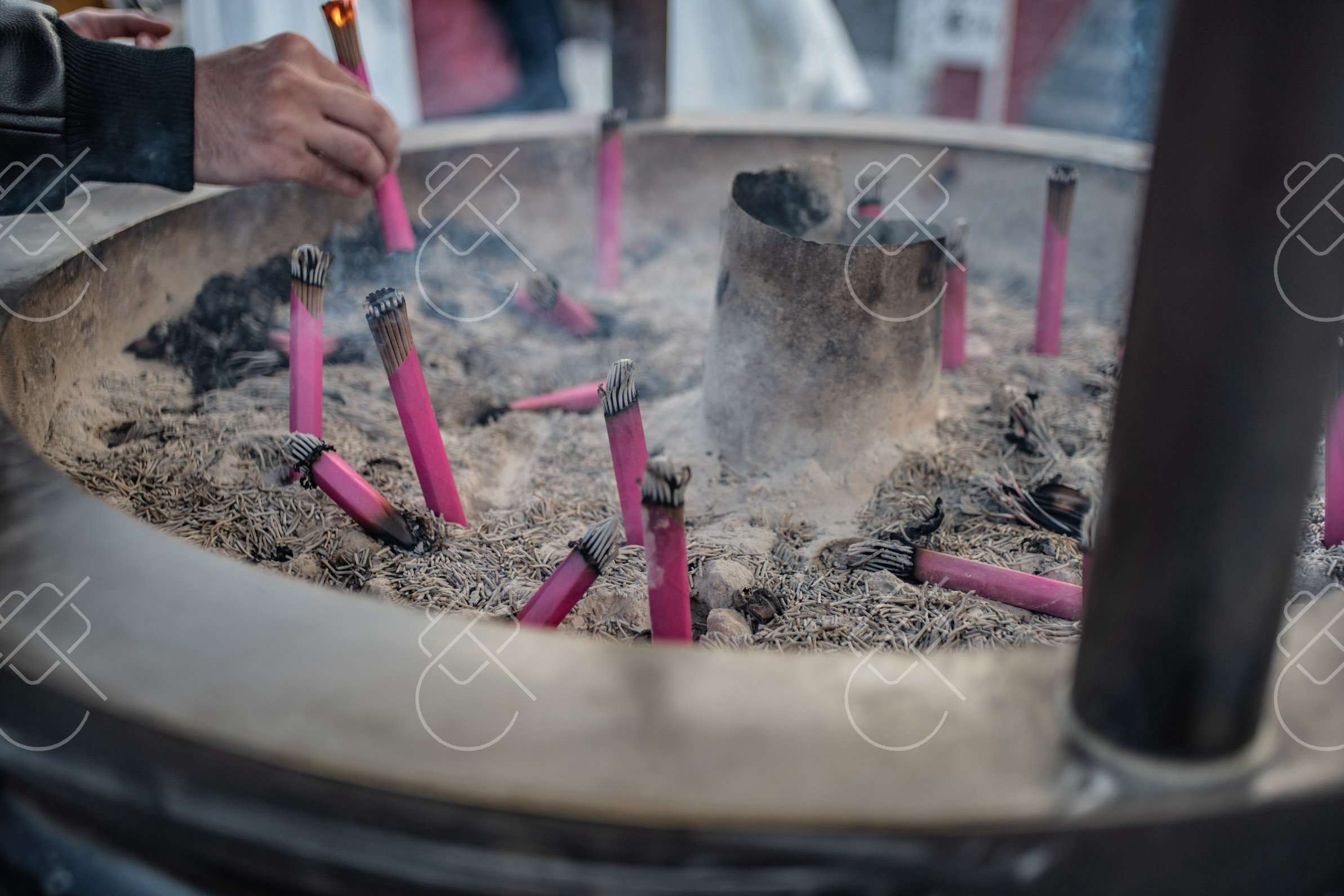 Where to stay
By Clever Tourists · Published
For a first trip, stay in Shinjuku, ideally within a few minutes' walk of the station's south or west side. It is the most practical base in the city: the JR Yamanote loop, a dozen other lines, the Romancecar to Hakone and food at any hour. If you want old Tokyo and lower prices, stay in Asakusa or Ueno instead; if you are catching early Shinkansen, stay near Tokyo Station or Ginza. We spent 9 days in Tokyo in 2023, split into 4 at the start of our Japan trip in March and 5 at the end in April, and that split is the best argument for trying two neighborhoods.
• First visit: Shinjuku. Every line, every budget, late food.
• Budget: Asakusa or Ueno. Hostels, business hotels and small ryokan for less than the west side.
• Nightlife: Shibuya or Shinjuku. Shibuya for bars and the crossing, Shinjuku for Golden Gai and Omoide Yokocho.
• Families: Tokyo Station, Ginza or Ueno. Wider streets, quieter nights, big station lifts, and Ueno Park's museums and zoo.
• Transit-focused (Shinkansen, airports): Tokyo Station or Shinagawa.
• Quiet or romantic: Asakusa near the Sumida River, or the side streets of Ginza once the shops close.
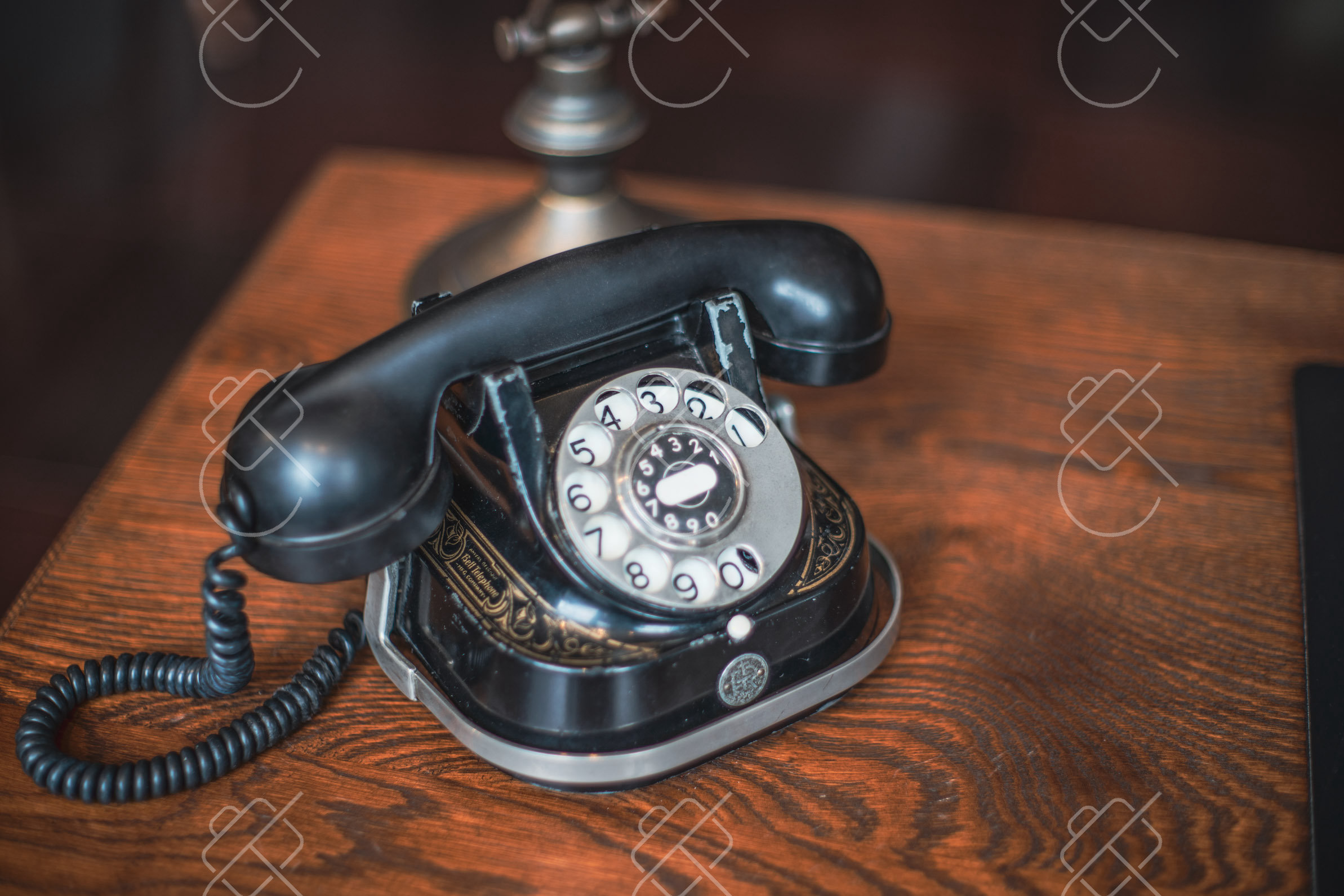
What it's like: the world's busiest station, ringed by department stores, office towers on the west side and Kabukicho's entertainment streets on the east. Omoide Yokocho's yakitori lanes and Golden Gai's tiny bars are a short walk, and the Tokyo Metropolitan Government Building's free observation deck is on the west side. Our Tokyo guide calls it the most practical base for this reason.
Who it suits: first-timers, short stays and anyone heading to Hakone or Mount Fuji, since the Odakyu Romancecar leaves from here; see our Mount Fuji day trip guide.
Downside: the station itself is a maze, and choosing the wrong exit can add 15 minutes with a bag. Rooms on the Kabukicho side can be loud late at night. Check which exit your hotel is near and book south or west of the tracks if sleep matters.
What it's like: the low-rise east, built around Senso-ji, Tokyo's oldest temple, with Nakamise-dori's stalls, side lanes of craft shops and the Sumida River with Tokyo Skytree on the far bank. It is quiet at night, and our 3 days in Tokyo guide calls it the budget-friendly base, with traditional ryokan and hostels.
Who it suits: budget travelers, couples who want Senso-ji before 8am without an early train, and anyone arriving at Haneda, since Keikyu trains from the airport run through onto the Asakusa subway line. Read our Senso-ji etiquette guide for the temple.
Downside: it is not on the Yamanote loop, so Shinjuku and Shibuya are 30 to 40 minutes away by subway. Evenings are early; most of the shopping street closes by early evening.
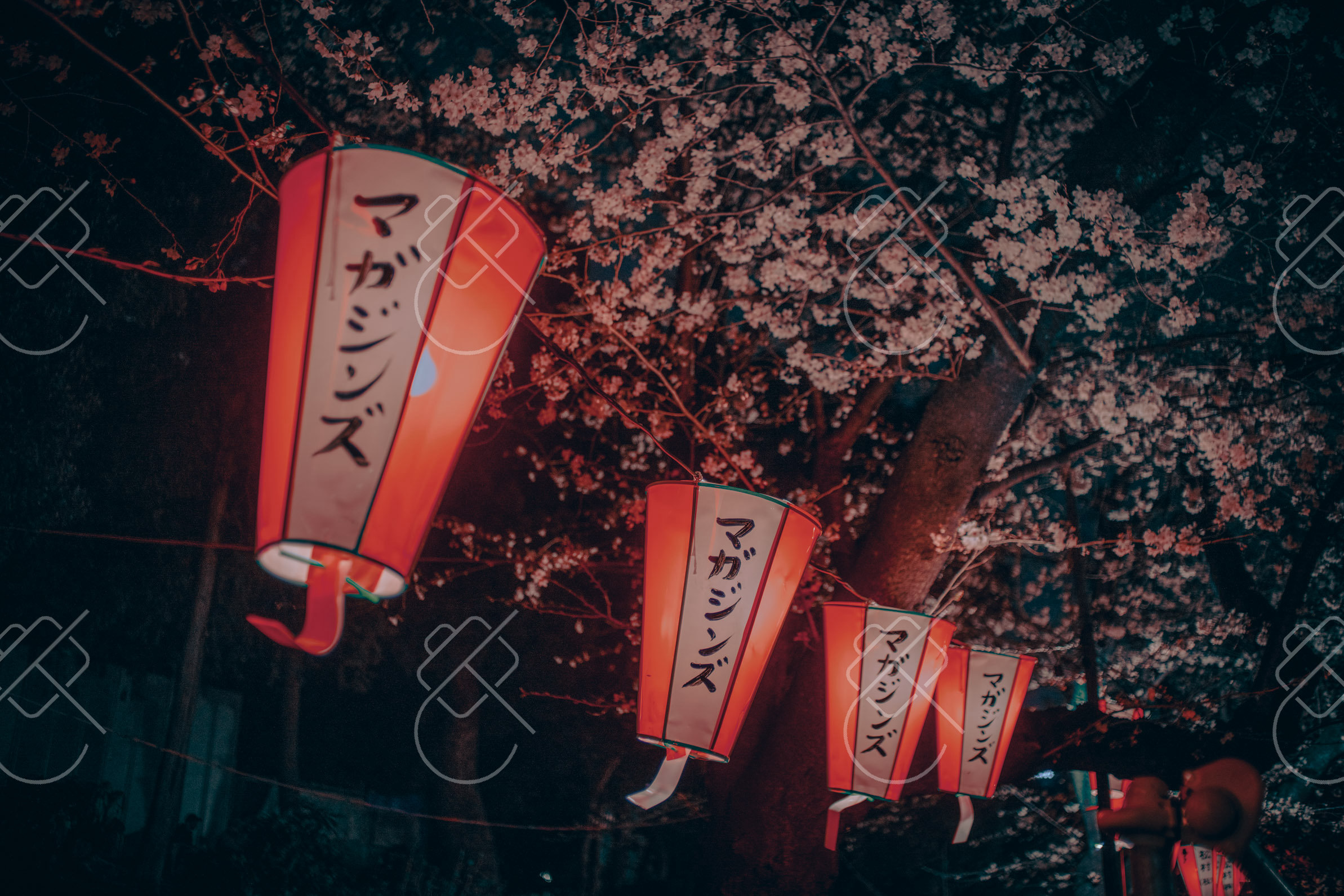
What it's like: Ueno Park with the Tokyo National Museum and Shinobazu Pond, Ameyoko market under the tracks, and the wooden lanes of Yanaka a 15-minute walk north. The Keisei Skyliner reaches Ueno from Narita in about 41 minutes, which makes it the easiest arrival if you fly into Narita; see our Haneda vs Narita guide.
Who it suits: families, museum visitors and budget travelers who want the Yamanote line on the doorstep. Rooms are generally cheaper than on the west side.
Downside: the streets right around the station are busy and a little scruffy after dark, and it is a long ride to Shibuya. Most museums close on Mondays, so do not plan your Ueno day then.
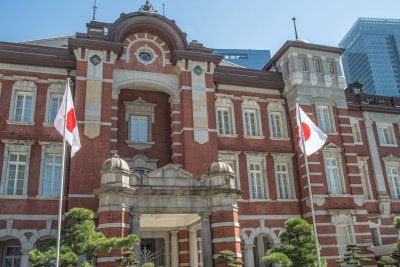
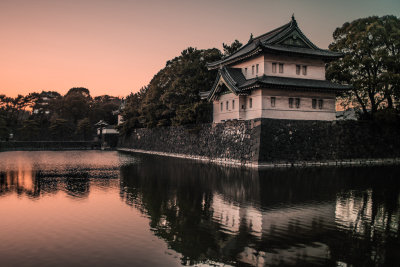
What it's like: business districts around the red-brick Tokyo Station, the Imperial Palace moat and Ginza's shopping avenues. Every Shinkansen to Kyoto and Kanazawa leaves from Tokyo Station, and the Narita Express reaches it in about 55 minutes.
Who it suits: travelers with early trains, families who want calm streets in the evening, and anyone who values the palace East Gardens on foot. Our Tokyo guide notes Marunouchi and Otemachi are expensive but inside walking distance of the moat and on every train line in the country.
Downside: the highest prices in this list, and the business district is quiet at night and on weekends. Ginza's side streets have good restaurants, but few late ones.
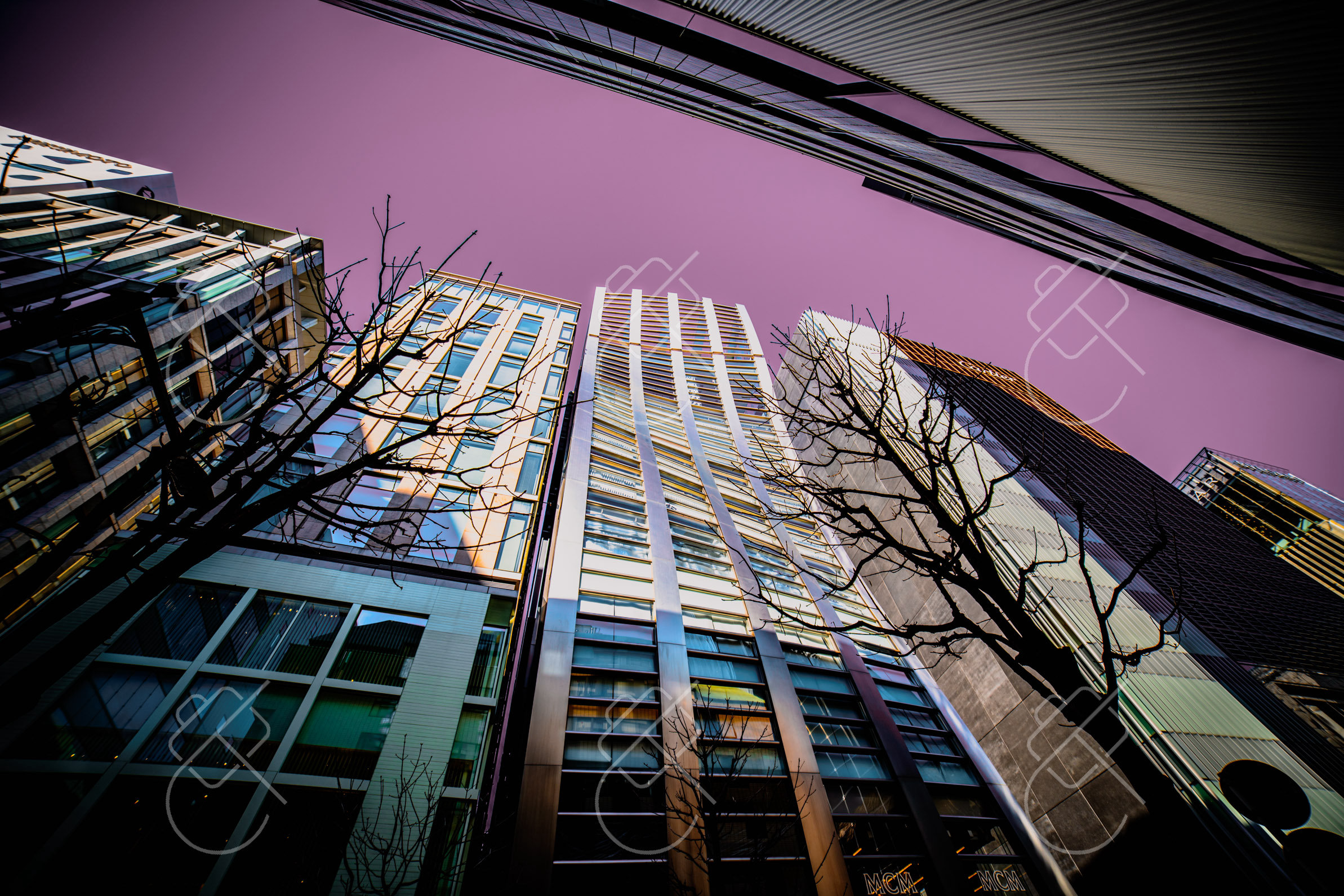
What it's like: the scramble crossing, Shibuya Sky above it, and a dense grid of bars, music venues and shops. Harajuku and Meiji Jingu are one stop on the Yamanote line, and our Shibuya Sky guide covers the sunset slots.
Who it suits: nightlife, shopping and second visits. It is also convenient for the west side of the city that our how many days in Tokyo plan saves for day 4.
Downside: rooms are small and expensive for what they are, the station is in a long redevelopment, and it is far from Asakusa and Ueno.
Pick the station, not the district. Tokyo neighborhoods are large; the useful number is minutes from your door to a station on the line you will use most. Under 5 minutes is worth paying for.
Room size. Standard doubles at business hotels can be very small. If you have two large suitcases, check the room's square meters and consider luggage forwarding between cities.
Seasons. Cherry blossom (late March to early April) and Golden Week (late April to early May) are the most expensive weeks. Book early for those, and check our cherry blossom forecast guide.
Getting around. Buy a Suica or Pasmo on arrival; our IC card guide covers it.
Plan 3 to 4 nights for a first trip, more if Tokyo is your base for day trips; see our day trips from Tokyo and Tokyo food guide.
If your flights go in and out of Tokyo, split the stay in two, as we did: 4 days on arrival, then Hakone, the Japan Alps, Kyoto, Osaka and Hiroshima, and 5 more days in Tokyo before moving on to Vietnam. Change neighborhoods between the stays, for example Asakusa first and Shinjuku at the end, so the second feels like a new city. The full route is in our 33-day Japan itinerary, and our next stop is covered in where to stay in Hakone.
Shinjuku. It has the JR Yamanote loop and a dozen other lines, rooms at every price, food at any hour and the Romancecar to Hakone.
Yes for budget travelers and for Senso-ji before 8am. It is quiet at night but not on the Yamanote loop, so Shinjuku and Shibuya are 30 to 40 minutes away.
Ueno is the easiest: the Keisei Skyliner reaches it in about 41 minutes. The Narita Express also runs to Tokyo Station in about 55 minutes and on to Shinjuku.
Tokyo Station, Ginza or Ueno, for calmer streets in the evening, big station lifts and Ueno Park's museums.
Shinjuku for convenience and value, Shibuya for nightlife and shopping. Shibuya rooms are usually smaller and pricier, and both are on the Yamanote line.
Get our new Japan guides and practical tips by email: where to stay, what to eat, what things cost and the rules that catch travelers out.
Free. No spam, only new guides and tips.
Find the best deals on Japan accommodation with Booking.com.