Home
About us
Destinations & Country Guides
Travel Guides
Recipes
Featured
Photos As Art
Abstract Prints
Locations
Travel Gear
Travel Resources
Favorites
Photo Framer
Explore Photos
Contact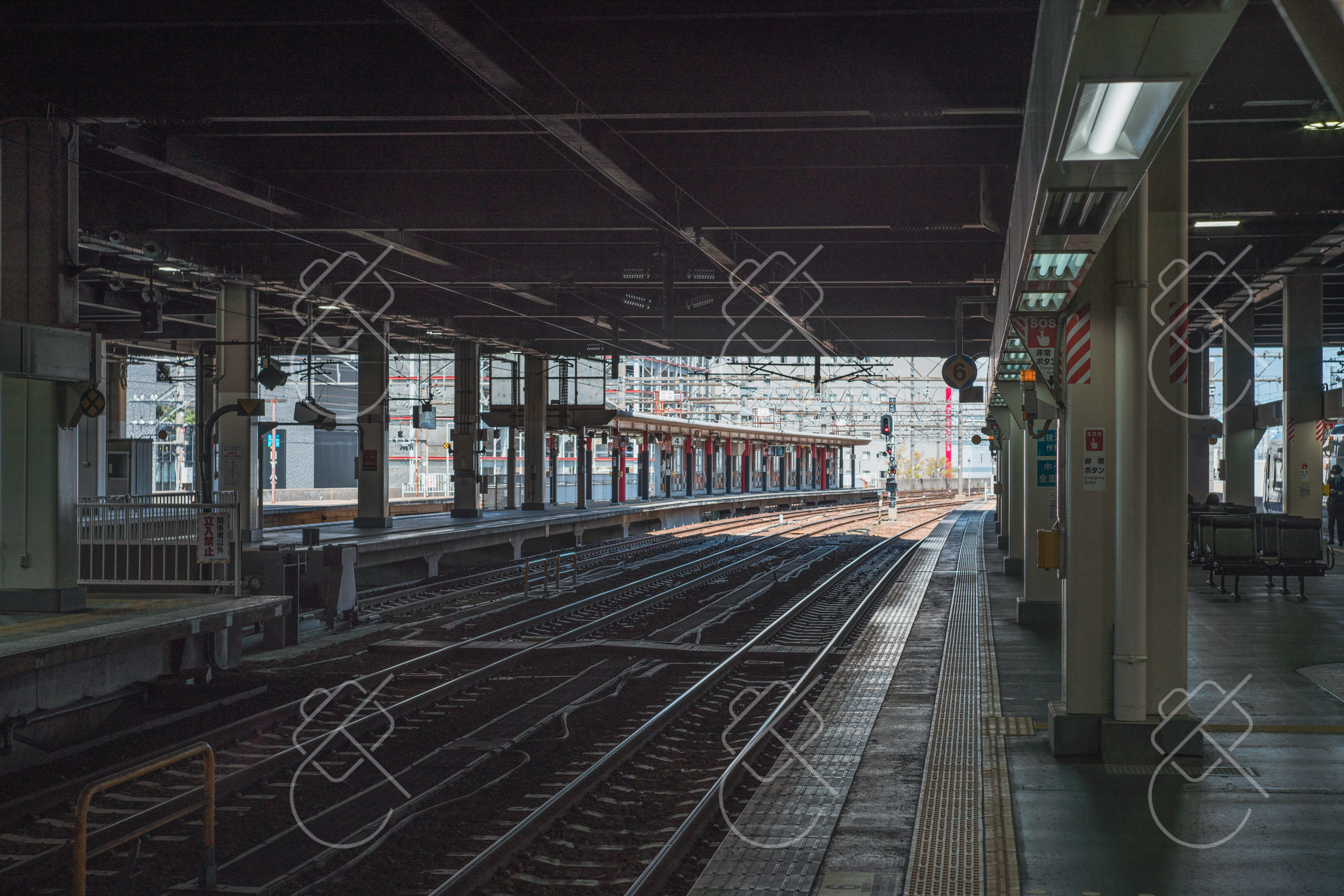 Transit & logistics
By Clever Tourists · Published
The Nozomi Shinkansen is the best option for almost everyone: about 2 hours 15 minutes from Tokyo Station to Kyoto Station for roughly ¥14,000 (≈ $89) (about US$95) one way in a reserved seat, or about ¥12,430 (≈ $79) if you book the EX early-bird fare three weeks ahead. The cheapest way is an overnight highway bus: roughly 8 to 10 hours, with midweek seats from about ¥2,500 to ¥5,000 (≈ $15.8–32) and more at weekends and holidays. Flying makes little sense, because Kyoto has no airport. Below are the details for each option, where they leave from and how far ahead to book.
Free toolConvert to your own currency at live rates →Live mid-market rates for all 17 currencies we used, so you can see what a price actually costs.Last checked 27 October 2026. Fares are approximate; dollar figures convert at our committed exchange-rate snapshot.
| Option | Time | One-way price |
|---|---|---|
| Train Nozomi Shinkansen JR Central | 2h 15m | 12,430–14,000 JPY (≈ $79–89) |
| Train Hikari Shinkansen | 2h 40m | — |
| Bus Overnight highway bus Willer Express, JR Bus Kanto, Tourist Bus, Grace Travel, VIP Liner | 8h–10h | 2,500–4,600 JPY (≈ $15.8–29) |
Planning more legs? Use the route finder.
The Tokaido Shinkansen, run by JR Central, links Tokyo and Kyoto with Nozomi trains several times an hour from early morning until late evening. Board at Tokyo Station or Shinagawa (handy if you are staying in the south of the city, or arriving from Haneda), and get off at Kyoto Station, which sits at the southern edge of central Kyoto with the subway, city buses and JR lines underneath. The fastest Nozomi takes about 2 hours 15 minutes.
A standard reserved seat costs roughly ¥14,000 (≈ $89) one way in 2026, about US$95; unreserved seats are a little cheaper. JR Central's smartEX app sells the Hayatoku 21 early-bird fare at ¥12,430 (≈ $79) for Tokyo to Kyoto on Nozomi trains when you book at least 21 days ahead (the official fare sheet in effect from March 2026). Seats in that fare class are limited, so they go first in spring and autumn.
• Hikari trains make more stops and take about 2 hours 40 minutes; Kodama stops everywhere and takes nearly four hours. Neither is cheaper on a regular ticket.
• Sit on the right side (seat E) going west for the best chance of seeing Mount Fuji, roughly 40 to 45 minutes after leaving Tokyo, on a clear day.
• Large suitcases (total dimensions over 160 cm) need an oversized-baggage seat reserved in advance; see our Shinkansen luggage rules guide.
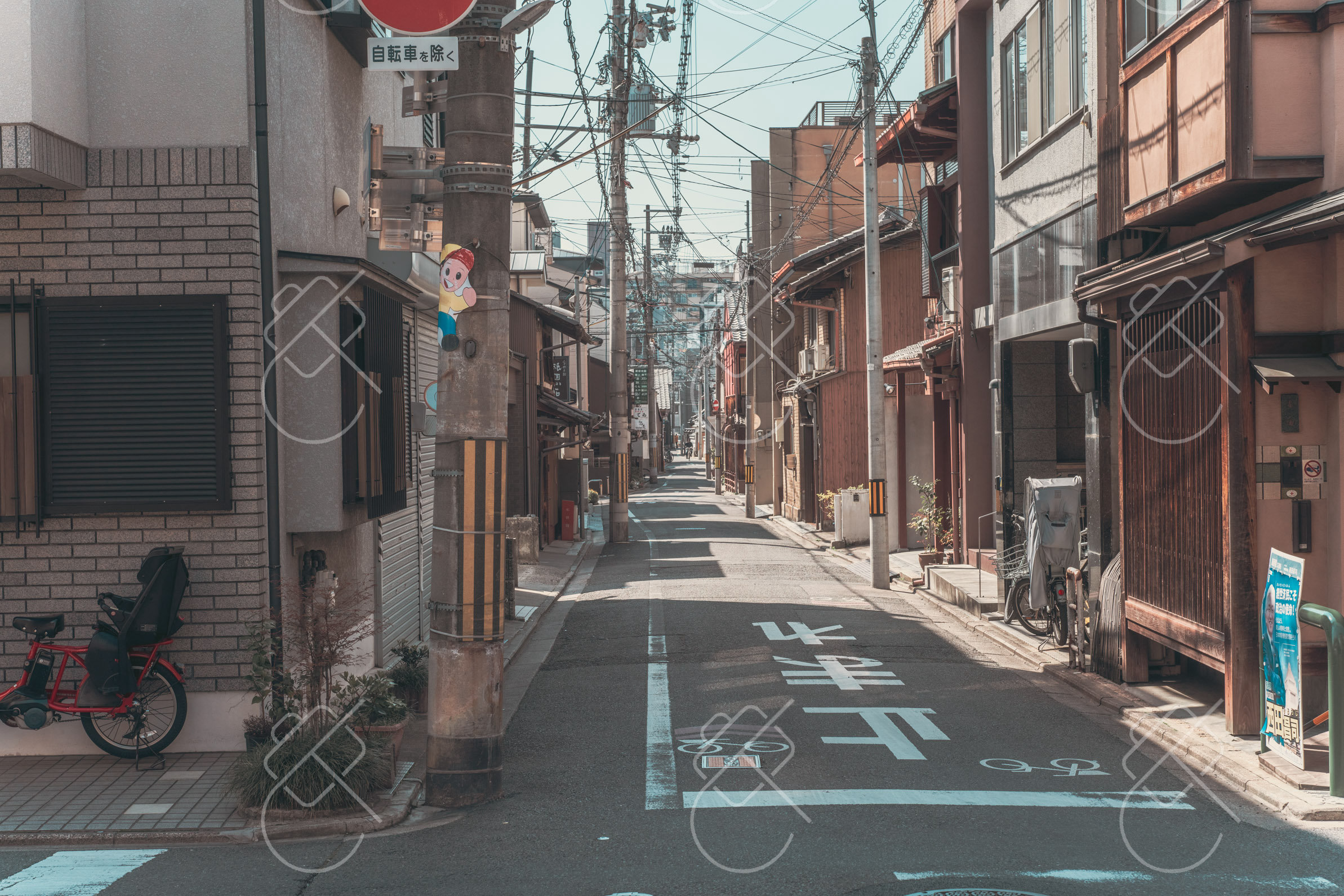
The nationwide Japan Rail Pass covers Hikari and Kodama trains without extra charge. Since October 2023 pass holders can ride the Nozomi by buying a special supplement ticket, listed at ¥4,960 (≈ $31) one way from Tokyo to Kyoto. A Hikari leaves roughly twice an hour and only costs you about 25 minutes, so most pass holders take that instead.
A Tokyo to Kyoto return on the Nozomi is about ¥28,000 (≈ $177), well short of the 7-day pass price of ¥50,000 (≈ $317). The pass only pays off if the same week includes another long leg, such as Kyoto to Hiroshima. Our JR Pass worth-it guide and route cost table do the sums, and the Shinkansen tickets guide explains how to buy and reserve.
Dozens of night buses run between Tokyo and Kyoto every evening. Operators include Willer Express, JR Bus Kanto (the Dream services), Tourist Bus, Grace Travel and VIP Liner. Most leave Tokyo between about 21:00 and midnight and reach Kyoto Station around 06:00 to 07:30, so the ride takes roughly 8 to 10 hours including rest stops.
Departure points vary by company. Common ones are Busta Shinjuku (the bus terminal above Shinjuku Station's New South exit), Tokyo Station Yaesu side (the Bus Terminal Tokyo Yaesu), Ikebukuro and Tokyo Disneyland. In Kyoto most buses stop at Kyoto Station's Hachijo (south) side or the stops on the station's north side; some continue to Osaka.
Prices change by date and seat type. On the booking site Kosokubus.com, a Thursday in late October 2026 showed standard 4-across seats between Kyoto and Tokyo from about ¥2,500 to ¥4,600 (≈ $15.8–29). Expect two to three times that on Friday and Saturday nights and in Golden Week, Obon and New Year, and more for 3-across reclining seats or women-only coaches. Book on the operator's own site, or on Kosokubus.com or Willer's English site, a week or two ahead for weekends.
The trade-off is real: you save about ¥10,000 (≈ $63) and a night's hotel, but arrive at dawn before most hotels allow check-in. Lockers at Kyoto Station fill early; see our station luggage storage guide.
Kyoto has no airport. The nearest are Itami (Osaka International), about 1 hour 10 minutes from Haneda, and Kansai International, which is further out. From Itami, an Osaka Airport Transport limousine bus runs to Kyoto Station in about 50 to 55 minutes in normal traffic for roughly ¥1,300 to ¥1,400 (≈ $8.2–8.9); check the operator's current timetable.
Add the trip to Haneda, security and the bus, and door to door takes at least as long as the Shinkansen, often longer. Flying only makes sense if you find a cheap fare and are starting near Haneda anyway. If you are flying into Kansai, our Kansai Airport to Kyoto guide covers the Haruka train.
You don't have to go straight down the coast. We spent 4 days in Tokyo in March 2023, then went on to Hakone, Matsumoto, Takayama and Kanazawa before reaching Kyoto on 2 April, where we stayed 4 days before Nara. That inland route turns a two-hour transfer into a week of stops. Our 10-day Tokyo, Alps, Kyoto and Osaka itinerary and our 33-day route show how it fits together.
Hakone is the easiest break: it is about 35 minutes from Tokyo on the Shinkansen to Odawara, or 85 minutes or so on the Odakyu Romancecar; see Tokyo to Hakone: Romancecar vs Shinkansen. From Odawara the Hikari continues to Kyoto. Sending your bags ahead with a delivery service makes these detours far easier; see our luggage forwarding guide.
• Short trip, or travelling with luggage: the Nozomi. Book a reserved seat on the right side, or take the Hikari if you have a JR Pass.
• Tight budget, travelling light: the night bus, ideally midweek. Book a 3-across seat if you want any sleep.
• Planning ahead: the Hayatoku 21 fare saves about ¥1,500 (≈ $9.5) per person on the same Nozomi.
For where to base yourself once you arrive, read where to stay in Kyoto and how many days in Kyoto, and see our Kyoto guide and Tokyo guide. From Kyoto, the next long leg west is covered in Kyoto to Hiroshima.
About 2 hours 15 minutes on the fastest Nozomi, about 2 hours 40 minutes on a Hikari and nearly four hours on a Kodama.
Roughly ¥14,000 (≈ $89) one way for a reserved Nozomi seat in 2026, or ¥12,430 (≈ $79) with the Hayatoku 21 early-bird fare booked at least 21 days ahead on smartEX.
Midweek standard seats start around ¥2,500 to ¥4,600 (≈ $15.8–29); weekends, holidays and roomier 3-across seats cost more. The ride takes about 8 to 10 hours.
Not directly, because Kyoto has no airport. The nearest is Itami in Osaka, with a limousine bus to Kyoto Station of about 50 to 55 minutes, so door to door it is rarely faster than the Shinkansen.
Get our new Japan guides and practical tips by email: where to stay, what to eat, what things cost and the rules that catch travelers out.
Free. No spam, only new guides and tips.
Get the best deals on flights to Japan with Kiwi.com.