Home
About us
Destinations & Country Guides
Travel Guides
Recipes
Featured
Photos As Art
Abstract Prints
Locations
Travel Gear
Travel Resources
Favorites
Photo Framer
Explore Photos
Contact Trip planning
By Clever Tourists · Published · Last updated
The Philippines is visa-free for 30 days for most Western passports, but it is strict about two pieces of paper: the free eTravel registration in the 72 hours before you land, and proof of an onward ticket, which airlines and immigration really do ask for. Once you are in, the challenges are physical rather than bureaucratic. It is a country of thousands of islands, so you move by plane and boat, the weather can cancel both, and the islands run on cash from ATMs that are few and charge ₱250 (≈ $3.9) a time. Here are 17 things to know, each linked to our deeper guide where we have one. We spent 29 days in the Philippines from 8 November to 7 December 2022: Manila, Sabang, Port Barton, El Nido, Coron, Oslob, Moalboal and Cebu City. The rules below come from official sources checked in October 2026.
1. 30 days visa-free, with an onward ticket. UK, US and many other nationals can visit for up to 30 days without a visa, according to the UK Foreign Office, and can extend inside the country through the Bureau of Immigration. Your passport must be valid for at least six months after arrival, and you should carry proof of return or onward travel: airlines and immigration check it. See do I need a visa for the Philippines.
2. Register on eTravel in the 72 hours before landing. eTravel is the free government arrival form at etravel.gov.ph or in the eGovPH app; it gives you a QR code for the airline and the airport, and some airlines will not board you without it. Paid lookalike sites are common. Walkthrough: eTravel guide.
3. Mind the cash limits. The UK Foreign Office says you cannot bring in more than 50,000 pesos, and foreign currency over US$10,000 must be declared on arrival.
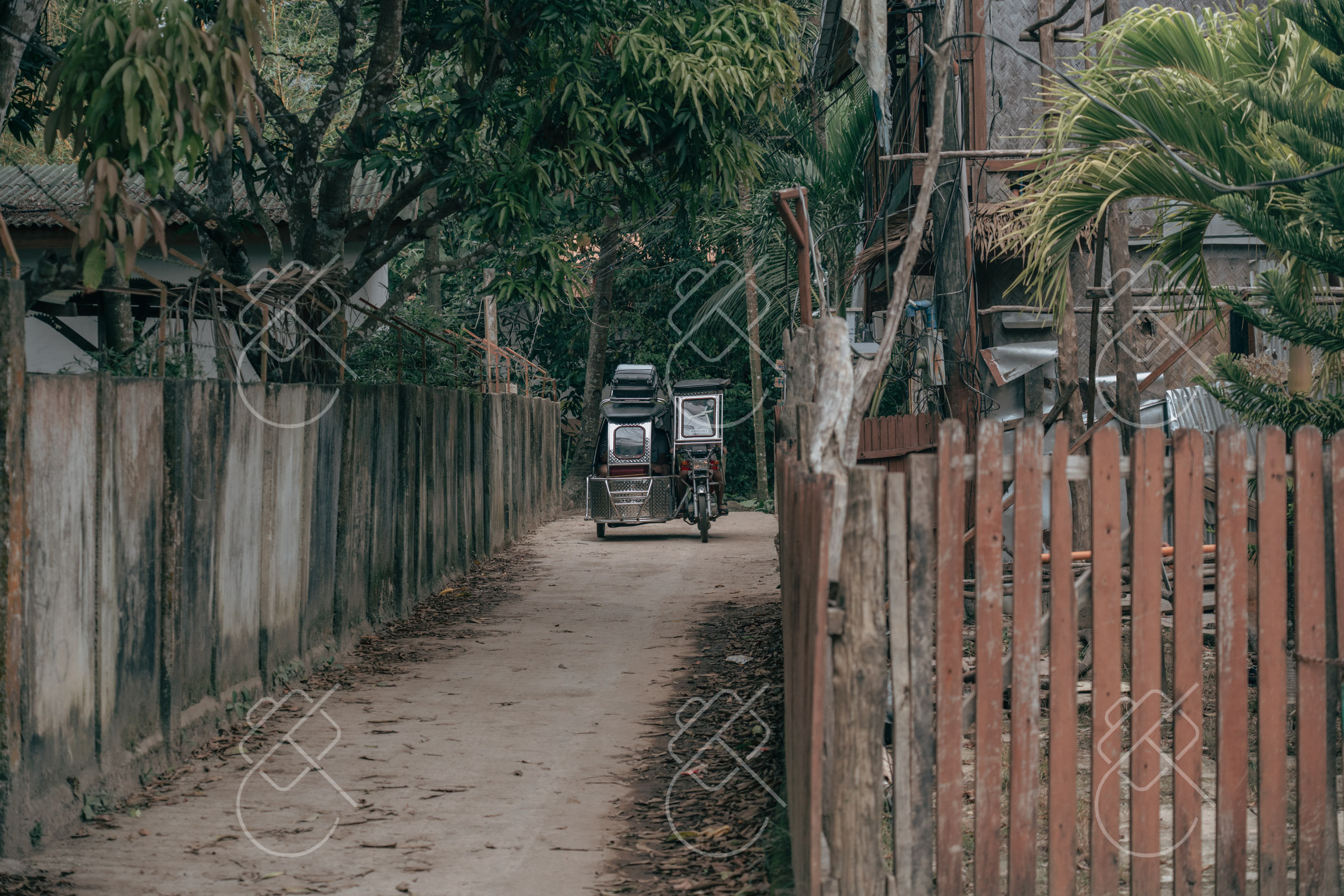
4. Take cash to the islands. Manila and Cebu City take cards in malls and hotels, but tours, tricycles, small restaurants and environmental fees on the islands are paid in pesos, and ATMs in El Nido and Coron are few and can run out or go offline. Arrive with enough cash for several days.
5. ATMs charge ₱250 (≈ $3.9) a withdrawal. BDO, one of the country's biggest banks, charges ₱250 (≈ $3.9) per withdrawal on cards issued overseas, with a maximum of ₱25,000 (≈ $391) per transaction, according to its own fee table, and your home bank may add more. Withdraw the maximum each time and choose pesos, not your home currency, on the screen.
6. Budget for local fees. El Nido charges a ₱400 (≈ $6.3) Eco-Tourism Development Fee per person, and some lagoons add ₱200 (≈ $3.1) each; keep the receipts, because tour operators ask to see them. See El Nido tours A, B, C and D.
7. Tipping is normal and small. Small tips are common across many services in the Philippines, from restaurants to drivers and hotel staff, but the amounts are modest. Details in tipping in the Philippines.
8. Fly between island groups, then use vans and boats. Most first trips combine Palawan and Cebu or Bohol, linked by domestic flights through Manila or Cebu. Within Palawan, vans run from Puerto Princesa to El Nido, and ferries link El Nido and Coron. See Puerto Princesa to El Nido, El Nido to Coron, Cebu City to Oslob and Moalboal and our 4-week route.
9. Weather can cancel boats at a day's notice. When the weather bureau PAGASA raises a tropical cyclone wind signal, the Philippine Coast Guard routinely suspends sailings to the affected areas, sometimes for all vessels and sometimes for small boats only. Keep a spare day before any international flight and book flexible fares.
10. Use Grab in Manila and Cebu. Airport taxi touts and fixed-price "meter broken" fares are the most common scam at Manila's airport. Grab works in Manila and Cebu; elsewhere, agree the tricycle fare before you get in. More in is the Philippines safe to visit.
11. Tourist SIMs need your passport and last 30 days. Under the SIM Registration Act, tourists register a local SIM with their passport, an address in the Philippines and a return ticket, and the DICT says tourist SIMs stay active for 30 days, extendable only with a visa extension. A travel eSIM installed before you fly avoids the paperwork.
12. Plugs are US-style at 230 volts. WorldStandards lists Types A, B and C at 230V and 60Hz. US plugs fit, but the voltage is double, so check that chargers and hair tools are marked 100-240V.
13. Drink bottled or filtered water. Most hotels and resorts provide refill stations or bottled water; on island-hopping tours bring your own, as days on the boat are long and hot. See what to pack for the Philippines.
14. Call 911 for any emergency. The Department of the Interior and Local Government launched a unified 911 line in September 2025, replacing more than 30 local emergency numbers for police, fire and ambulance. English is an official language and widely spoken, so calls and everyday travel are straightforward.
15. Go between January and April if you can. PAGASA counts an average of about 20 tropical cyclones a year in the Philippine area, eight or nine of which cross the country, with the peak from July to October. The dry season runs roughly December to May, and February is the sweet spot for Palawan before the heat of April and May. Our own trip was in November and early December, at the tail of the rains. See best time to visit the Philippines and El Nido and Coron dry season.
16. Stay out of the far south. The US State Department rates the Philippines Level 2, Exercise Increased Caution, and says do not travel to the Sulu Archipelago; the UK advises against travel to western and central Mindanao. Palawan, Cebu, Bohol, Siargao and Manila are far from those areas. Details in is the Philippines safe to visit.
17. Holy Week and Christmas fill everything. Holy Week falls on 25 to 27 March 2027 for the main public holidays, and the long Filipino Christmas season peaks with the Simbang Gabi Masses from 16 to 24 December; Sinulog 2027's grand parade in Cebu is on Sunday 17 January. Book flights and island rooms early for all three, and dress modestly in churches. See Simbang Gabi and Sinulog and Ati-Atihan 2027, and for where to go, our El Nido and Coron guides.
Yes. Every arriving traveller registers free at etravel.gov.ph or in the eGovPH app within 72 hours before landing, and shows the QR code to the airline and at the airport.
Yes, carry one. Visa-free visitors get 30 days, and airlines and immigration can ask for proof of return or onward travel before letting you board or enter.
Yes, especially for Palawan. Tours, tricycles, fees and small restaurants on the islands are cash, ATMs in El Nido and Coron are few, and BDO charges ₱250 (≈ $3.9) per withdrawal on foreign cards.
The peak is July to October, according to PAGASA, which counts about 20 tropical cyclones a year in the Philippine area. January to April, in the dry season, is the safest window for boat trips.
Get our new Philippines guides and practical tips by email: where to stay, what to eat, what things cost and the rules that catch travelers out.
Free. No spam, only new guides and tips.
Get the best deals on your the Philippines flight before fares rise — Kiwi.com.