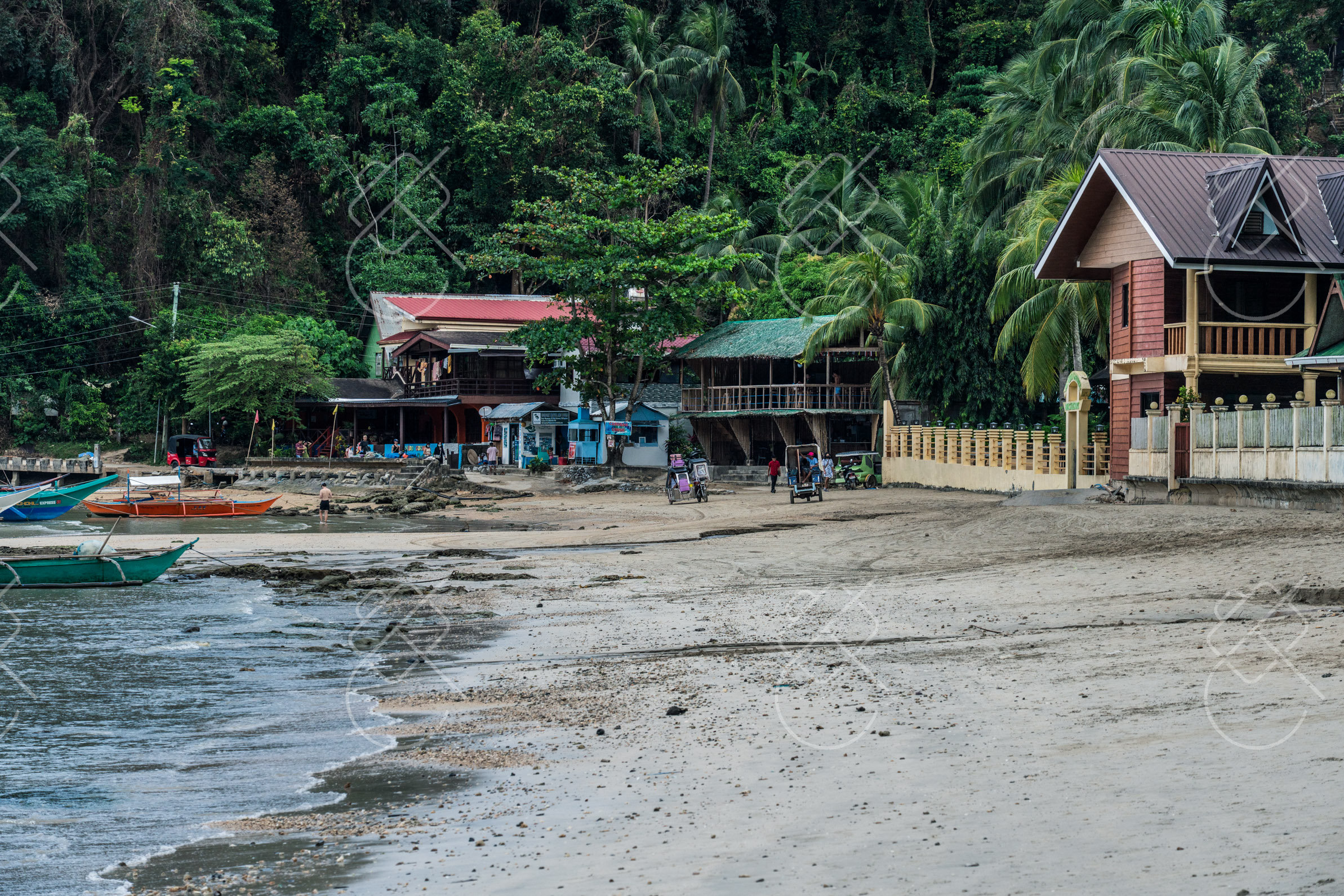

Home
About us
Destinations
Travel Guides
Recipes
Featured
Photos As Art
Abstract Prints
Locations
Travel Gear
Travel Resources
Favorites
Photo Framer
Explore Photos
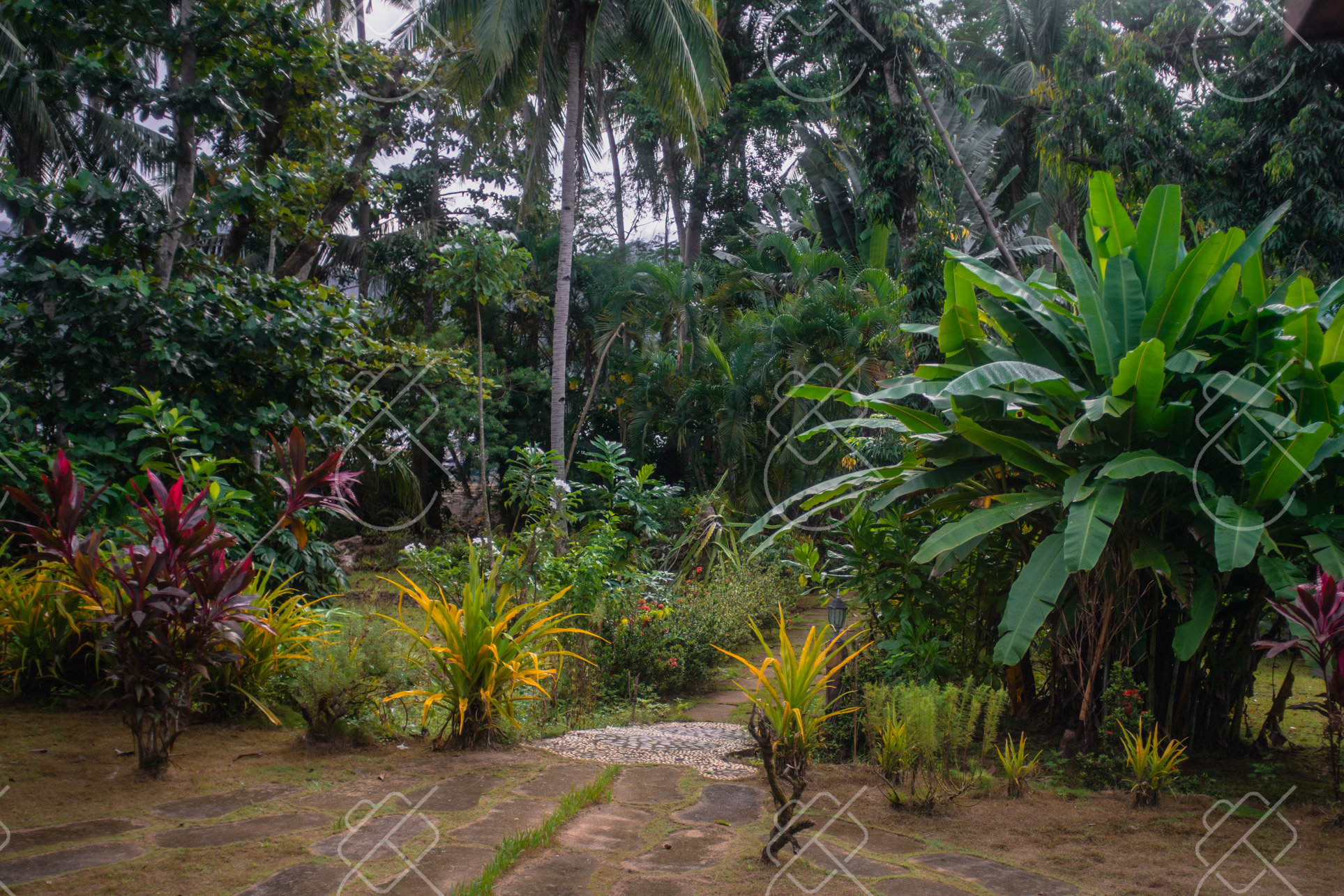
ContactSabang is a small village pressed between karst cliffs and the sea in Palawan, built almost entirely around one thing: the Puerto-Princesa Subterranean River, an underground river that's held full UNESCO World Heritage status since 1999. It's a quieter, less-developed stretch of Palawan's coast than El Nido a few hours up the road, with jungle running straight down to the sand and long-tailed macaques bold enough to raid an unattended bag at the wharf.
Published July 11, 2026
Tap any photo to open it full-screen and order a print.
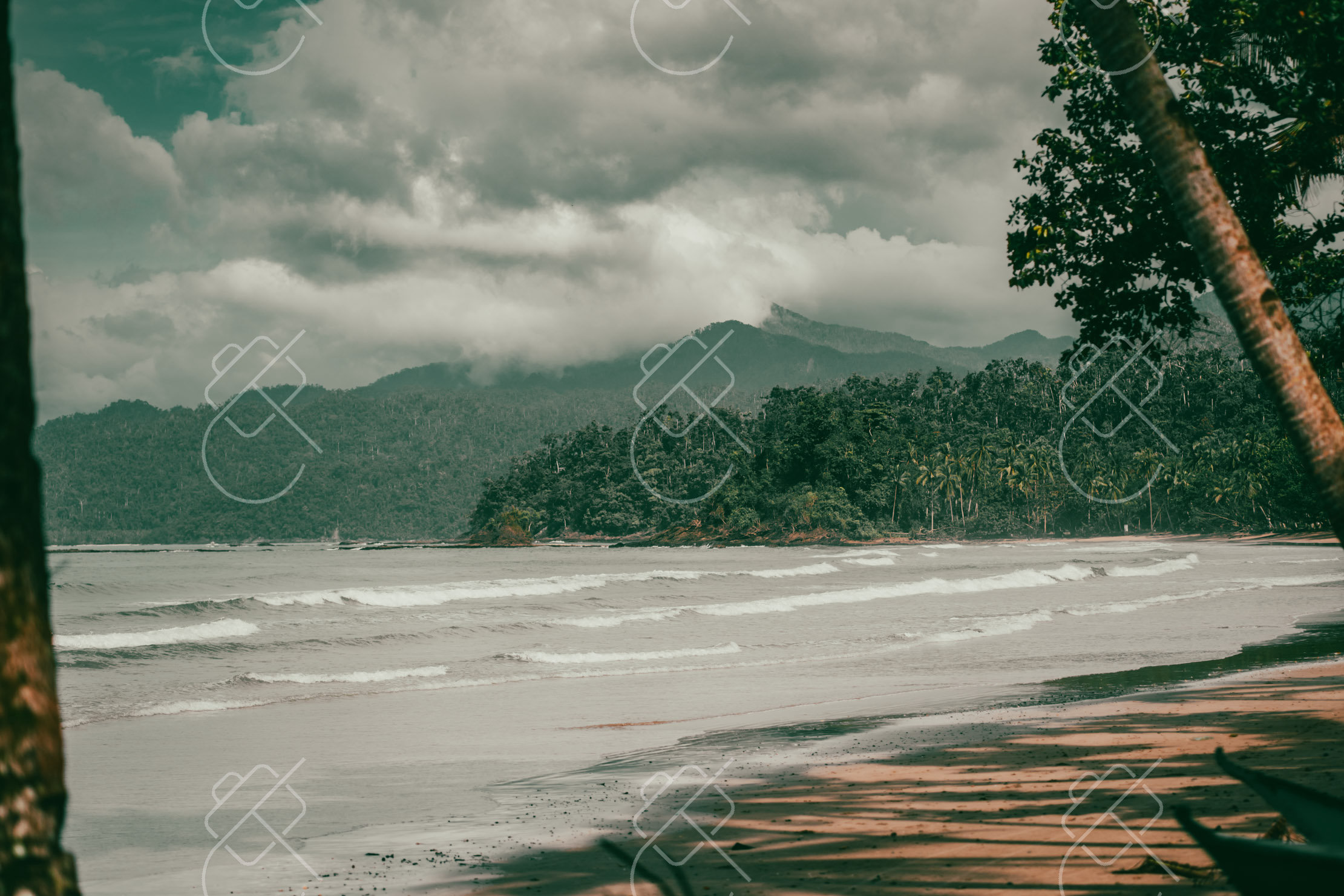
A jungle-backed fishing village on Palawan's west coast, the departure point for boats into the Puerto-Princesa Subterranean River and a quieter alternative to El Nido's more developed lagoon circuit.
The Puerto-Princesa Subterranean River runs 8.2 kilometers underground, though the standard tourist visit covers only around 1.5 kilometers round trip — a motorized boat carries visitors from the wharf to the cave mouth, then a paddle-only outrigger takes over inside, guided by headlamp and a synced audio narration past named chambers guides call the Cathedral and the Italian's Chamber (roughly 360 meters long, named for the Italian speleologists who first mapped it). The cave ceiling shelters nine bat species and two swiftlet species, and UNESCO inscribed the whole park as a World Heritage Site on December 4, 1999. A daily visitor cap and an advance-booking permit system limit access, so a same-day walk-up isn't a safe bet — book a dated entry slot before arriving in Sabang.
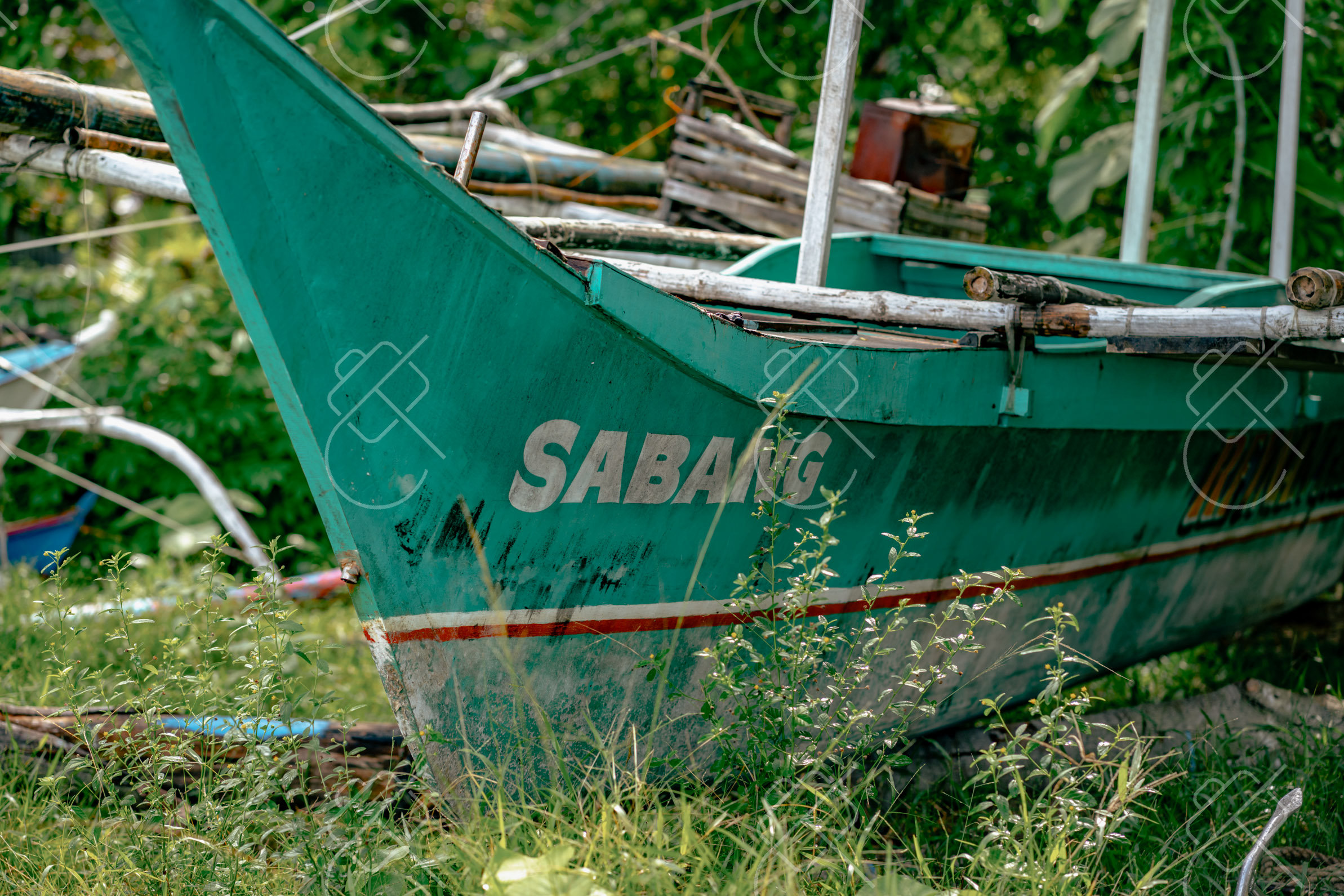
"SABANG" painted on the bow of a weathered green bangka outrigger boat
The village itself is small enough to cross on foot, jungle and karst cliffs pressing right up against a narrow beach lined with traditional bangka outrigger boats. Long-tailed macaques — Palawan's only wild primate, despite the country's tarsiers being a common association elsewhere in the Philippines — have grown bold enough around the wharf from years of tourist feeding that the park's own signage now warns they'll grab food straight out of a visitor's hands. A short paddleboat tour through nearby mangroves turns up monitor lizards and mangrove snakes, and an 800-meter zipline strung roughly 150 feet over Sabang Bay is the closest thing to a thrill ride here. El Nido, by contrast, isn't itself a World Heritage Site — its protected area sits only on UNESCO's tentative list — which makes Sabang's cave the more formally recognized landmark of the two, even if El Nido gets the bigger crowds.
November through May, driest from February to April; the June-October monsoon season brings rough water that can suspend cave boat trips with little notice.
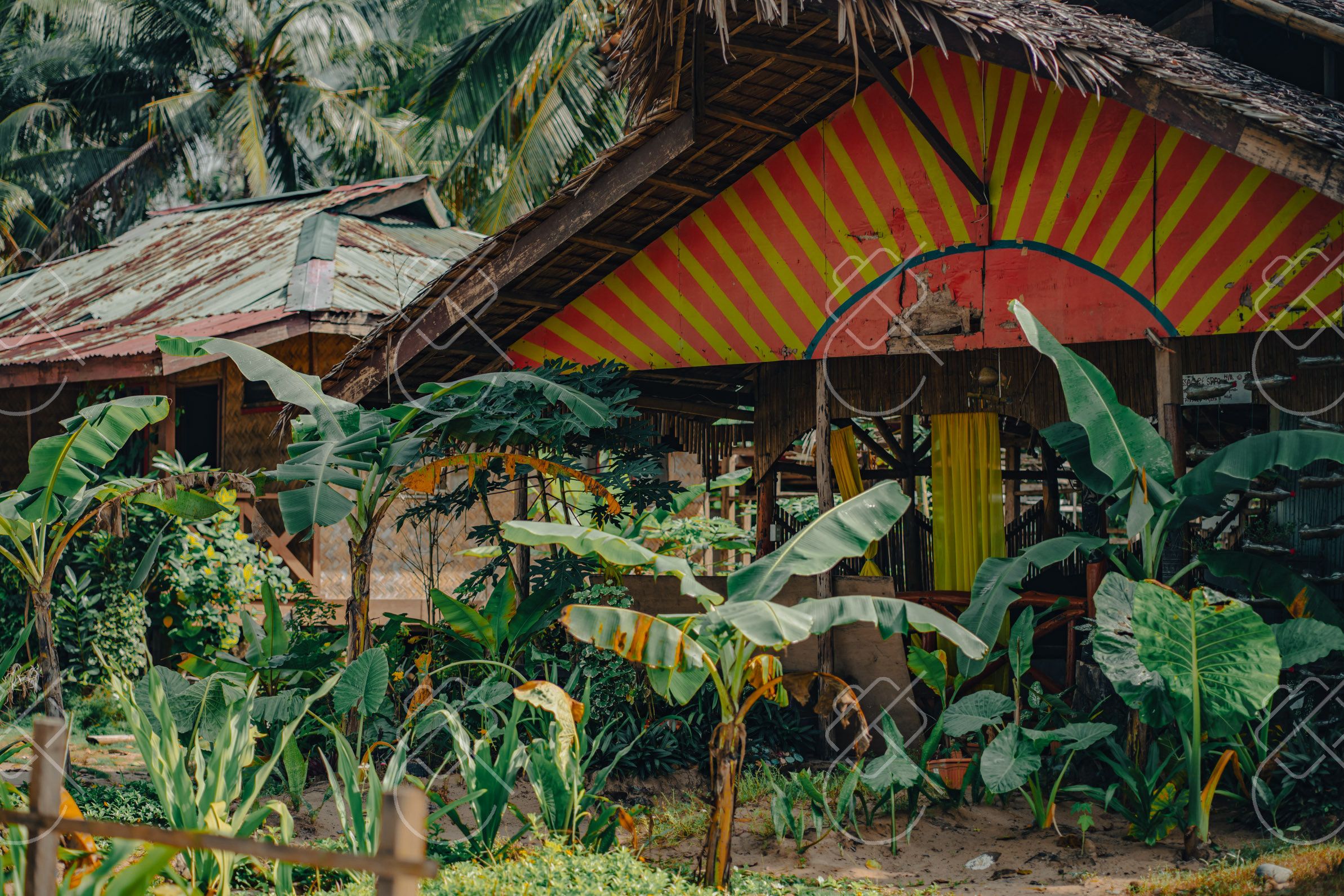
Sabang's small run of beachfront guesthouses, all within easy walking distance of the wharf and the cave-tour booking office.
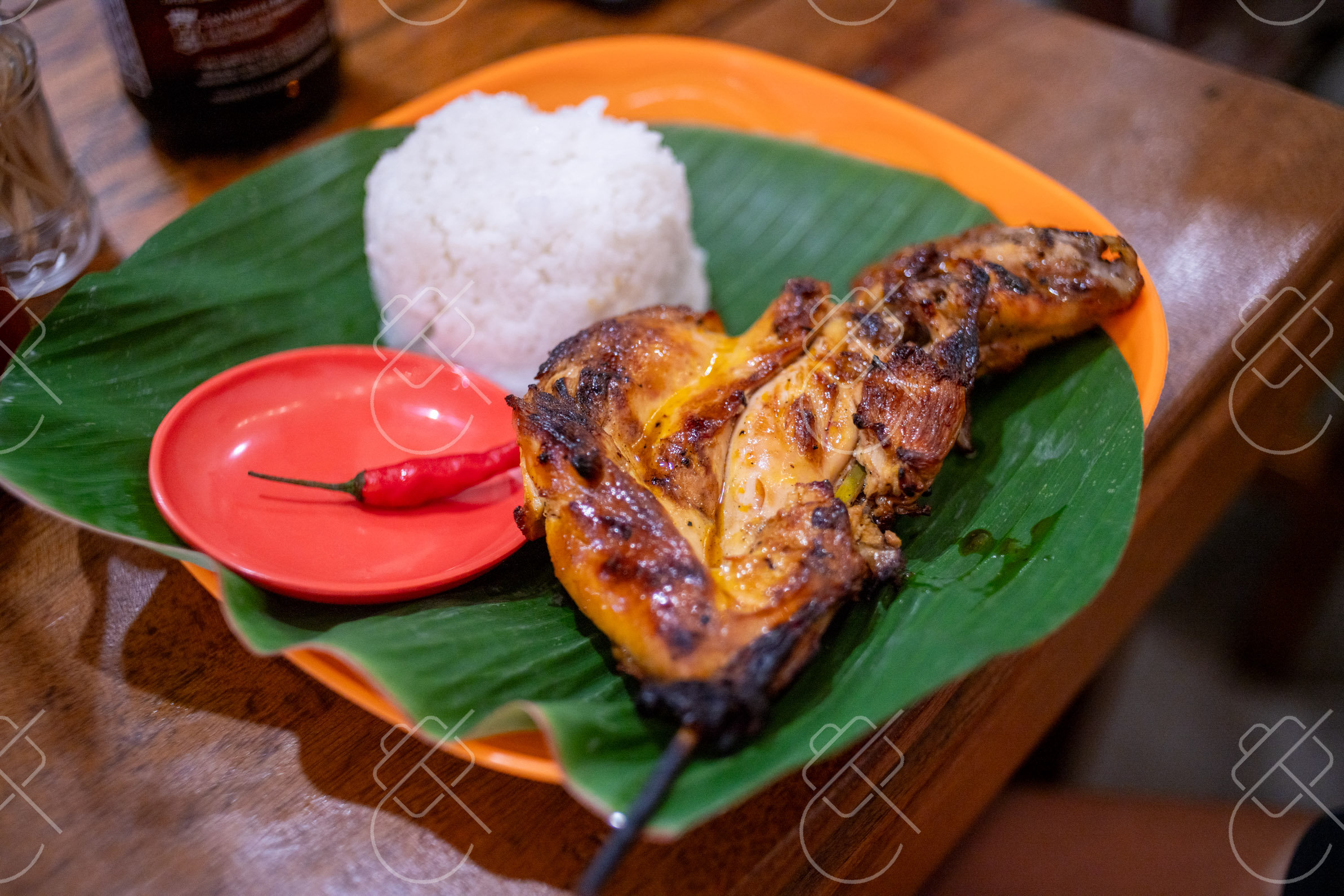
Tamilok — a wood-boring shipworm harvested from mangrove logs, eaten raw kinilaw-style in vinegar, calamansi, onion, and chili, sold fresh at informal stalls near the wharf.
Book a dated Underground River entry permit online before you arrive — there's a strict daily visitor cap, and walk-up slots aren't guaranteed.
Find the best deals on Sabang accommodation with Booking.com.
We had World Nomads as our travel insurance, covering us for the entire Sabang, Philippines leg of the trip — one less thing to worry about.
Transit cards, local customs, visa rules, and practical travel guides for this region.
See every destination from the 526-day journey:
Browse all destinationsCurious about the gear behind these photos? See the gear list.