
Home
About us
Destinations
Travel Guides
Recipes
Featured
Photos As Art
Abstract Prints
Locations
Travel Gear
Travel Resources
Favorites
Photo Framer
Explore Photos
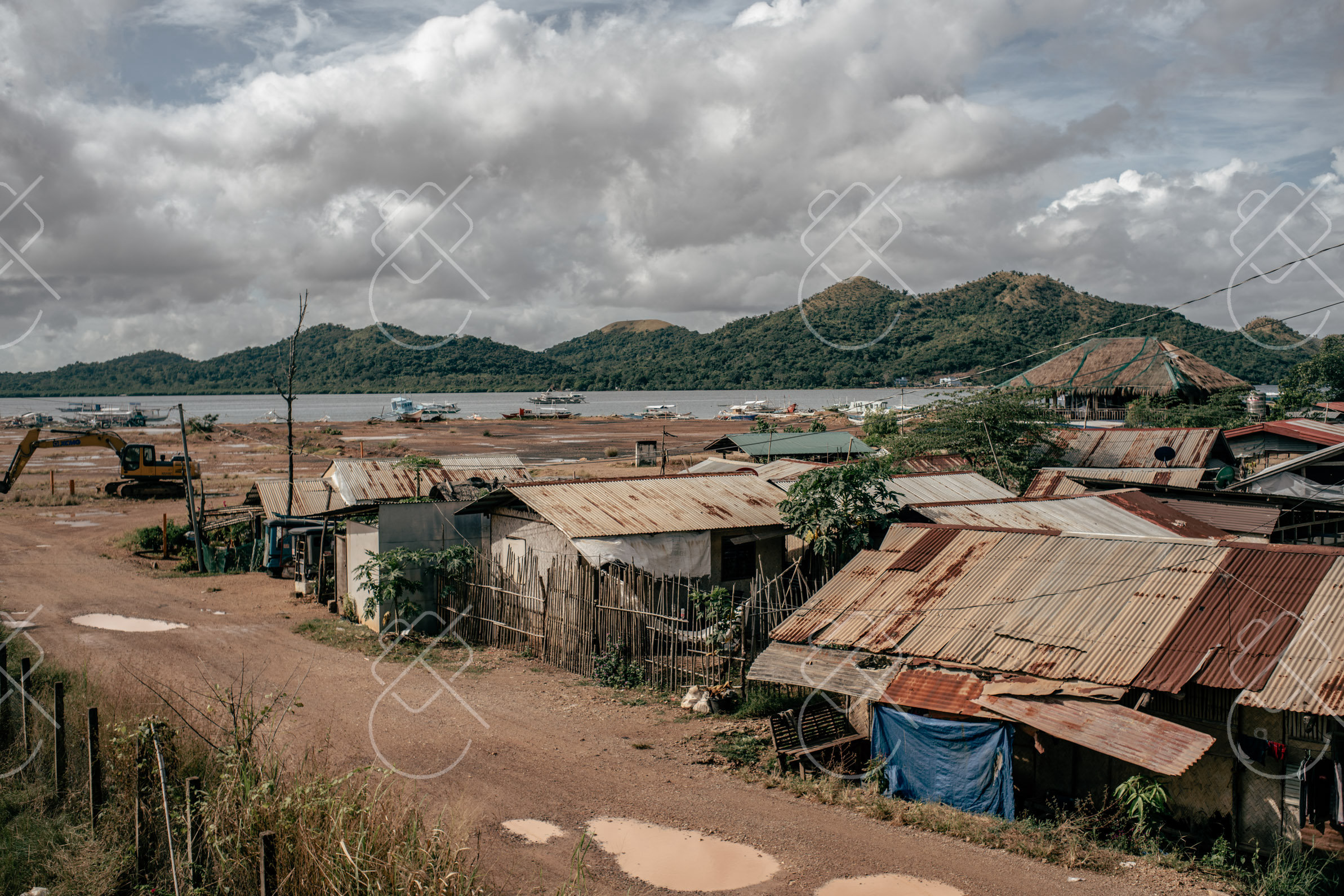
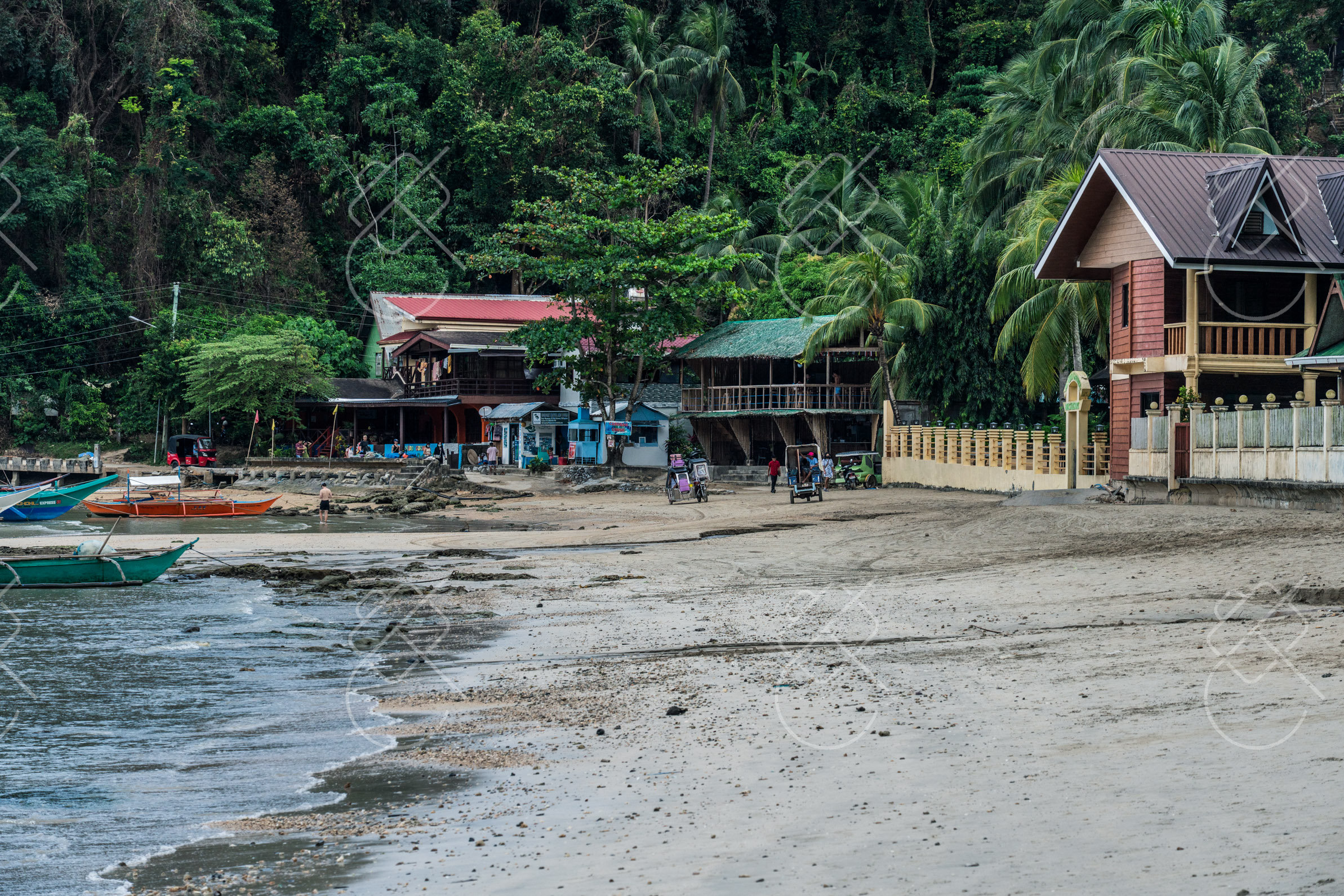
ContactCoron town is small and unpolished, a single main strip of grilled-fish stalls and dive shops under a hillside sign spelling out its name, and that's easy to mistake for the whole story. The real draw is the bay around it: a dozen WWII Japanese Navy wrecks sitting where they sank in 1944, and a short climb over a limestone ridge to a lake so clear it's used as the benchmark for water clarity in the entire country.
Published July 12, 2026
Tap any photo to open it full-screen and order a print.

A small town on a bay ringed by limestone karst, holding a dozen sunken WWII wrecks and a short climb to one of the clearest lakes in the Philippines.
On September 24, 1944, US Task Force 38 sank ten Japanese Imperial Navy ships anchored in Coron Bay in a single air raid; a dozen wrecks have since been located, sitting between 10 and 43 meters down and now encrusted in coral and thick with fish. The shallower ones, like the Olympia Maru, are diveable by anyone with an open-water certification, and the Skeleton Wreck — reduced to little more than its ribs and keel — is shallow enough to snorkel.
Kayangan Lake is the other reason people fly to this specific island rather than anywhere else in Palawan: a short, steep climb over a limestone ridge opens onto a lake mixing fresh and salt water, ringed by cliffs, consistently rated among the cleanest water in the country. The Twin Lagoon nearby does something similar at sea level — swim or duck through a gap in the limestone wall between two lagoons, and the point where the cool fresh water meets the warm salt water visibly shimmers at the surface.
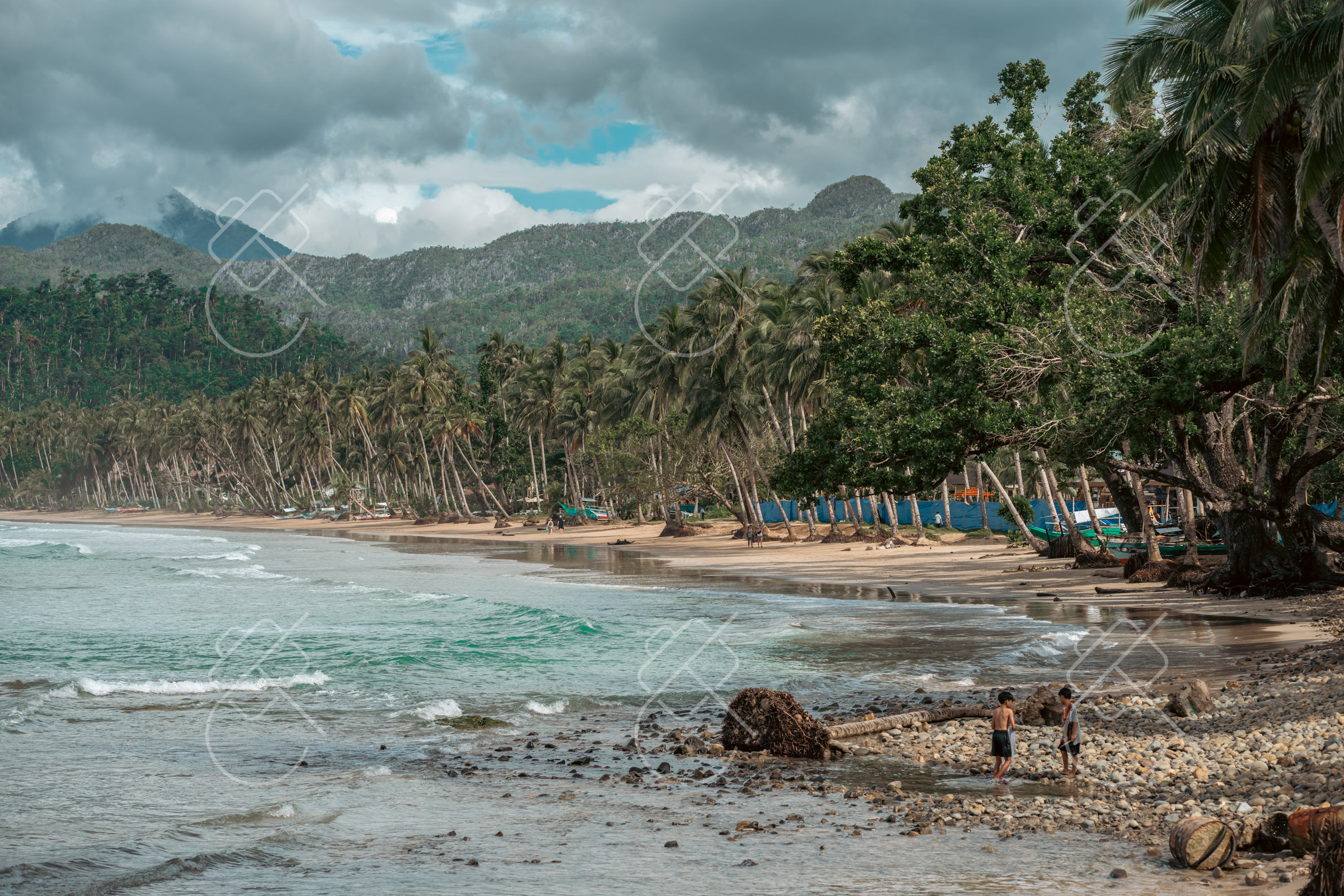
Coron's karst-backed coastline, seen from the water
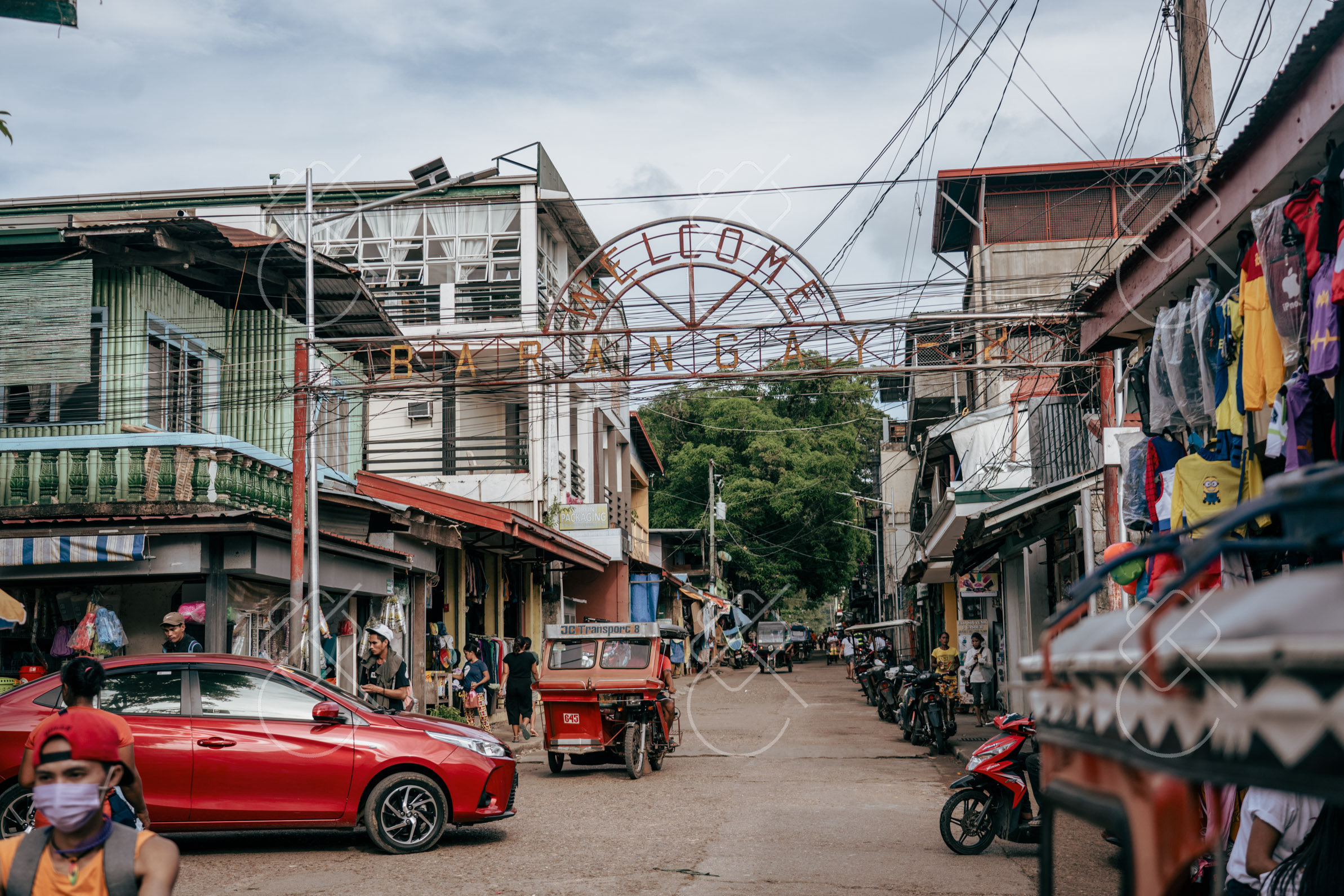
The town itself is a single main strip under a hillside arch spelling out CORON in block letters, lined with grilled-fish carinderias and dive shops rather than resorts — most travelers base themselves here specifically to be five minutes from a boat, not to linger in town.
November through May, outside typhoon season, for calm water and reliable boat access to the outer bay's wrecks and lagoons.
Base yourself in Coron town itself, close to the pier — nearly everything worth doing is a boat ride from there, and the town center keeps food and dive shops within walking distance.
Look for grilled fish and pork cooked over open charcoal along the main strip's carinderias, served on banana leaf with rice and a side of vinegar-chili dip — Coron's actual everyday food, not a resort menu.
Book an island-hopping boat tour rather than trying to reach Kayangan Lake or the wrecks independently — nearly all of Coron's real attractions are spread across the bay and only reachable by boat.
Compare flights to Coron and get the best deals on Expedia.
Through Coron, Philippines and everywhere else on this trip, World Nomads was the travel insurance we carried the whole way.
Transit cards, local customs, visa rules, and practical travel guides for this region.
See every destination from the 526-day journey:
Browse all destinationsCurious about the gear behind these photos? See the gear list.