Home
About us
Destinations & Country Guides
Travel Guides
Recipes
Featured
Photos As Art
Abstract Prints
Locations
Travel Gear
Travel Resources
Favorites
Photo Framer
Explore Photos
Contact Food & culture
By Clever Tourists · Published
The Philippines has more kinds of shop than most countries: the supermarket (SM, Robinsons, Puregold), the palengke or wet market, the sari-sari corner store that sells single sachets of everything, and the convenience store. Knowing which one to use is most of the skill, because the same product is sold in four formats at four prices.
Walk into a sari-sari store and you will see shampoo, coffee, soy sauce, cooking oil and detergent sold as single-use sachets, hanging in strips.
This is not a tourist convenience — it is how most households buy, because it matches how money arrives. The unit price is higher than a bottle, which is the trade-off.
For a traveller it is genuinely useful: you can buy one portion of coffee, one sachet of laundering detergent, one sachet of soy sauce for a week.
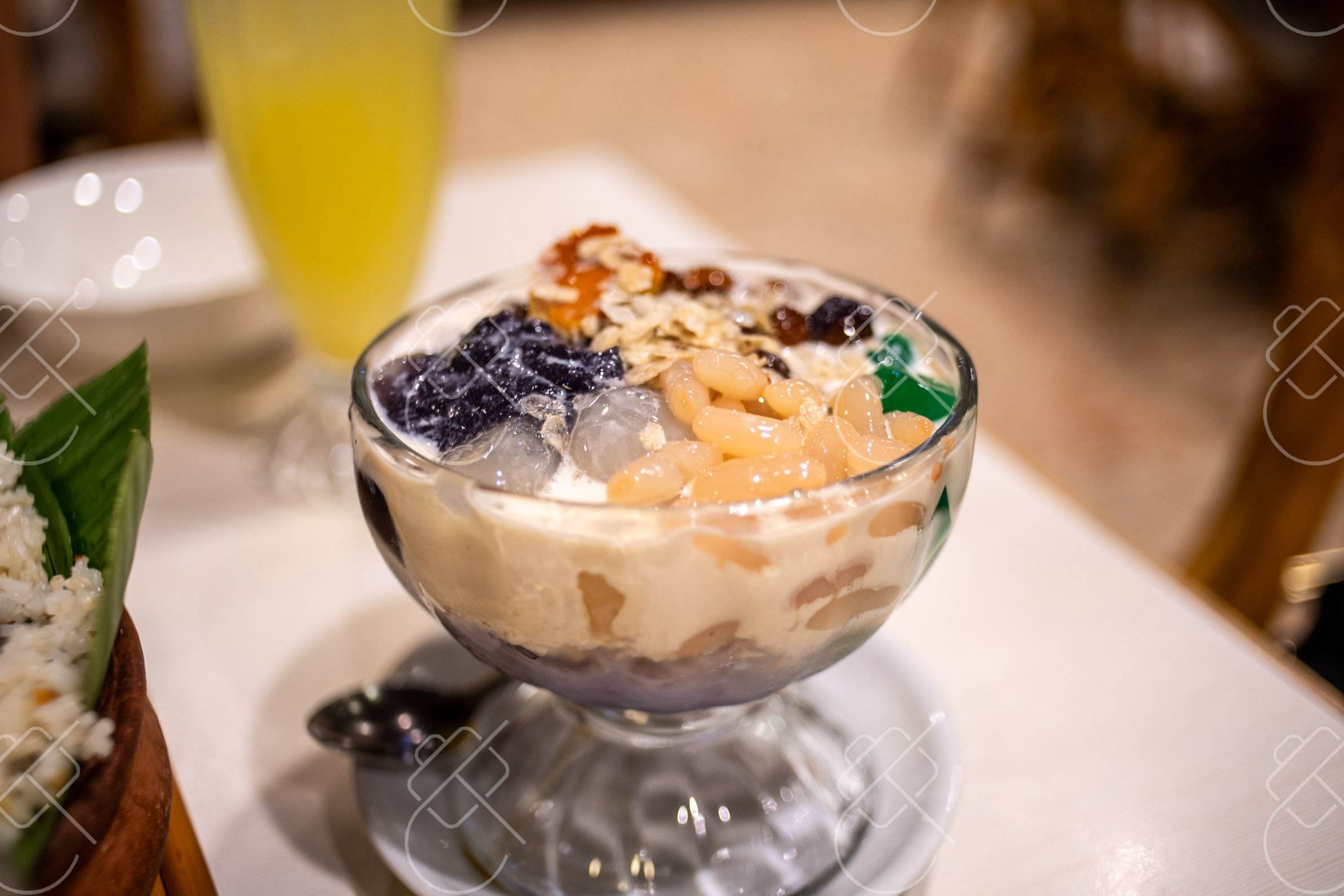
Banana ketchup is the national condiment, sweeter and fruitier than tomato ketchup. Jufran is the brand you will see most.
Patis is fish sauce and bagoong is fermented shrimp paste — much stronger, used in binagoongan and as a dip with green mango.
Toyomansi is soy sauce with calamansi, sold as a single bottle, and it is the all-purpose dipping sauce.
Sukang Ilocos and sukang Pinakurat are the local vinegars, and they are the ones worth carrying home.
Magic Sarap is the ubiquitous granulated seasoning. It is MSG-based and it is in almost everything.
Dried mango from Cebu is the obvious one, and the difference between the branded export box and a local bag is mostly packaging.
Ube is purple yam, sold as halaya (jam) and as powder. The powder is light and makes the flavour easy to reproduce.
Tablea is pure cacao mass in discs, used to make thick hot chocolate. It is dense but genuinely different from cocoa powder.
Barako is the strong Liberica coffee from Batangas, and polvoron and chicharon are the snacks.
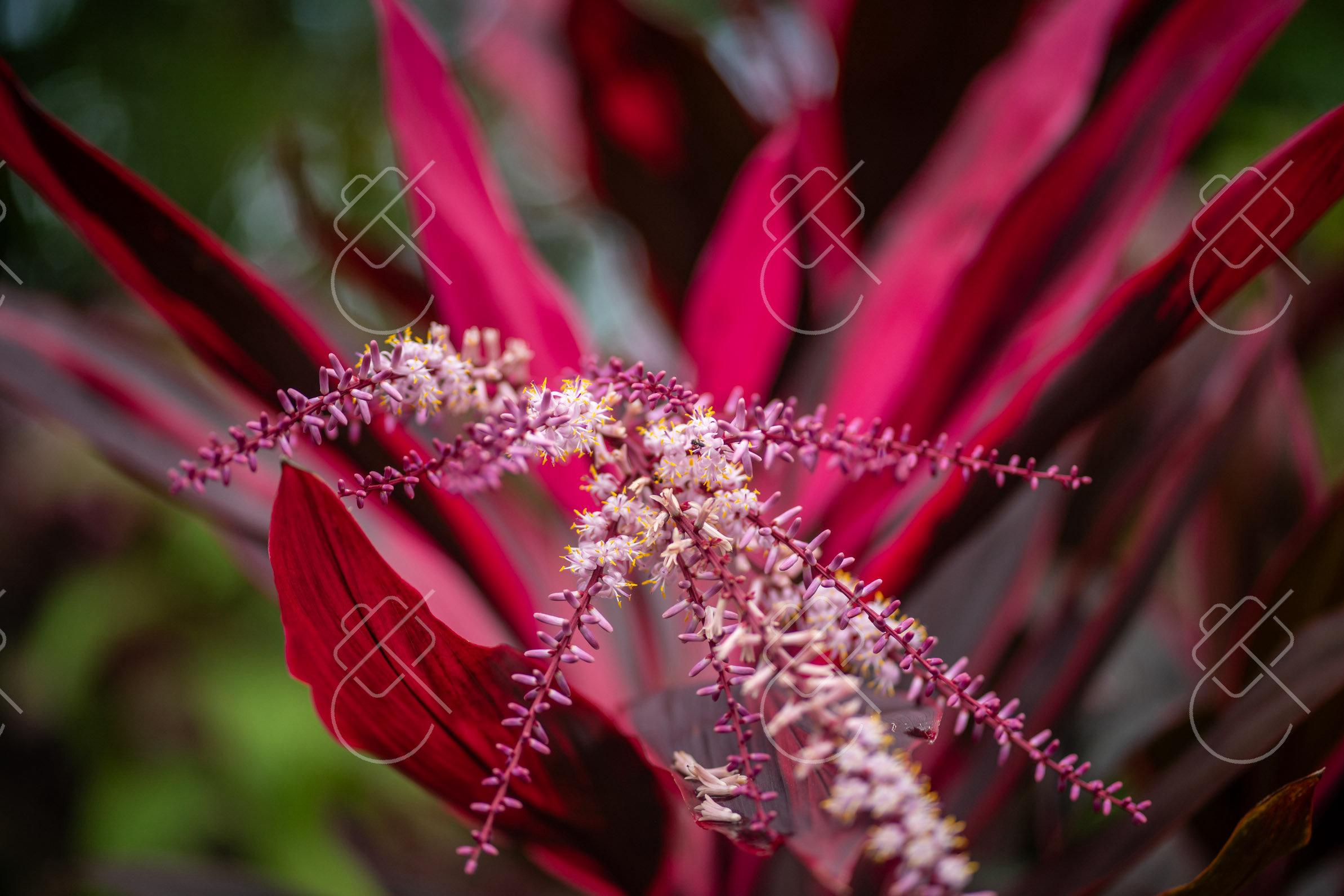
Mango peaks in the hot dry months, roughly spring, and Philippine mango is a different fruit from the exported kind.
Lanzones, rambutan and durian come in the middle of the year, with durian strongest in the south.
Christmas begins in September. Shops start playing carols and stocking decorations then, and it runs to January.
During Simbang Gabi, the pre-dawn masses in December, bibingka and puto bumbong are sold outside churches and are worth getting up for.
Dried mango, ube powder, tablea, barako coffee and local vinegar. All are light, sealed and hard to find good versions of abroad.
A sweet, fruity condiment made from banana rather than tomato, and the standard Philippine ketchup.
Because most households buy in small quantities that match irregular income. It costs more per unit but lowers the cash needed at once.
The hot dry months, roughly spring, when local mango is at its best and cheapest.
Get our new Philippines guides and practical tips by email: where to stay, what to eat, what things cost and the rules that catch travelers out.
Free. No spam, only new guides and tips.
Get the best deals on Philippines hotels before they're gone — see Booking.com.