Home
About us
Destinations & Country Guides
Travel Guides
Recipes
Featured
Photos As Art
Abstract Prints
Locations
Travel Gear
Travel Resources
Favorites
Photo Framer
Explore Photos
Contact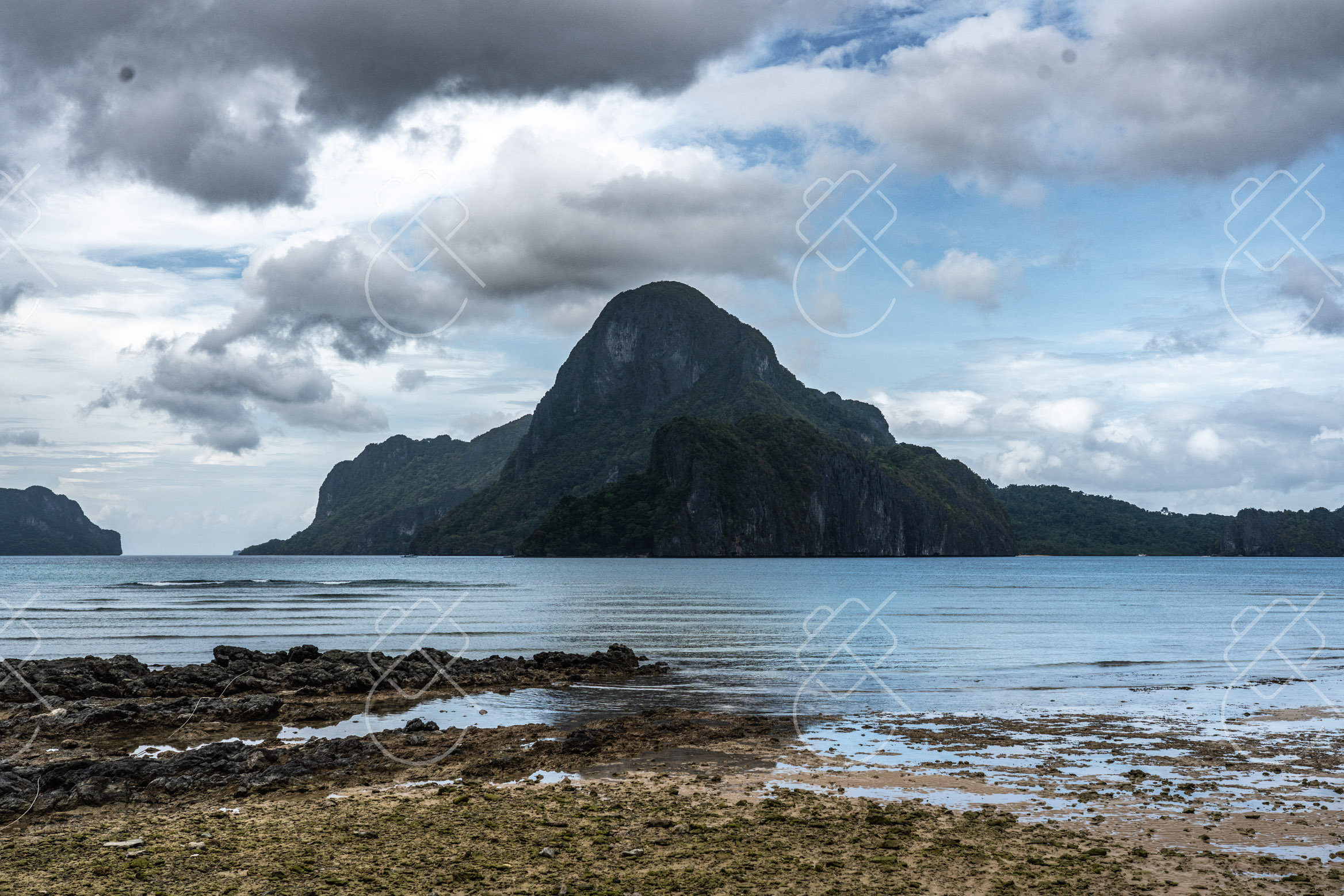 Safety & Practicalities
By Clever Tourists · Published
Yes, the Philippines is safe to visit for most tourists, as long as you stay out of the far south: the US State Department rates the country Level 2, Exercise Increased Caution, and says do not travel to the Sulu Archipelago, while the UK advises against travel to western and central Mindanao. The places almost every visitor goes, Palawan (El Nido, Coron, Port Barton), Cebu, Bohol, Siargao and Manila, are far from those zones. The real day-to-day risks are taxi scams at Manila airport, petty theft in crowds, boats and sea conditions, and typhoons from July to October. We spent four weeks in the Philippines in November and December 2022, from Manila through Sabang, Port Barton, El Nido and Coron to Oslob, Moalboal and Cebu City, so this guide follows the route most first-timers use.
The US State Department keeps the Philippines at Level 2: Exercise Increased Caution, citing crime, terrorism, civil unrest and kidnapping. Its most recent update, dated 1 September 2026, keeps the overall level and says do not travel to the Sulu Archipelago, including the southern Sulu Sea. The same update added rural and mountainous parts of Leyte, Mindoro, Negros and Samar as higher-risk areas because of clashes between armed groups and security forces. These are interior areas, not the beach towns most visitors use.
The UK Foreign Office (page updated 15 July 2026 and still current in late October) advises against all travel to western and central Mindanao and the Sulu archipelago, and against all but essential travel to the rest of Mindanao, except Camiguin, Dinagat and Siargao. That exception matters: Siargao, the surf island, is in Mindanao's region but outside the warning. It also notes large-scale demonstrations expected in Metro Manila and elsewhere.
Check both pages before you go, because travel insurance can be void in areas your government advises against.
• Palawan (El Nido, Coron, Port Barton, Sabang): low crime, and the main risks are on the water and the roads. Our route ran Sabang 2 days, Port Barton 3, El Nido 6 and Coron 4. Read El Nido Tour A, B, C or D for how tours run, and El Nido to Coron by ferry vs flight for the crossing.
• Cebu island (Oslob, Moalboal, Cebu City): Oslob and Moalboal are small dive and snorkel towns; we spent 4 days in Oslob and 7 in Moalboal. Cebu City is a big city with the usual pickpocketing and taxi issues. See Oslob whale shark rules and the Moalboal sardine run.
• Manila: most visitors only pass through. Petty theft and phone snatching happen in crowded areas, malls and jeepneys, and demonstrations can block roads. Keep phones out of reach on the street and avoid rallies.
• Mindanao and Sulu: covered by the warnings above. Siargao and Camiguin are the exceptions most travelers ask about.
The most reported problem is taxi overcharging at Manila's NAIA airport. In 2026 the transport regulator, the LTFRB, summoned an operator after a Thai tourist reported a fare of about ₱5,500 (≈ $86), and Manila police reported a June 2026 case where tourists who took an unmetered taxi had a phone stolen. Avoid touts in the arrivals hall offering flat fares, use the official metered or coupon taxi lines, or book a car on the Grab app, which shows the fare before you ride.
Other common issues: tricycle drivers in beach towns quoting tourist prices (agree the fare before you get in), phone snatching from motorbikes in cities, and card skimming at standalone ATMs, so use machines inside banks or malls. Pay attention to drink safety in nightlife areas, as you would anywhere. For cash and tipping norms see tipping in the Philippines.
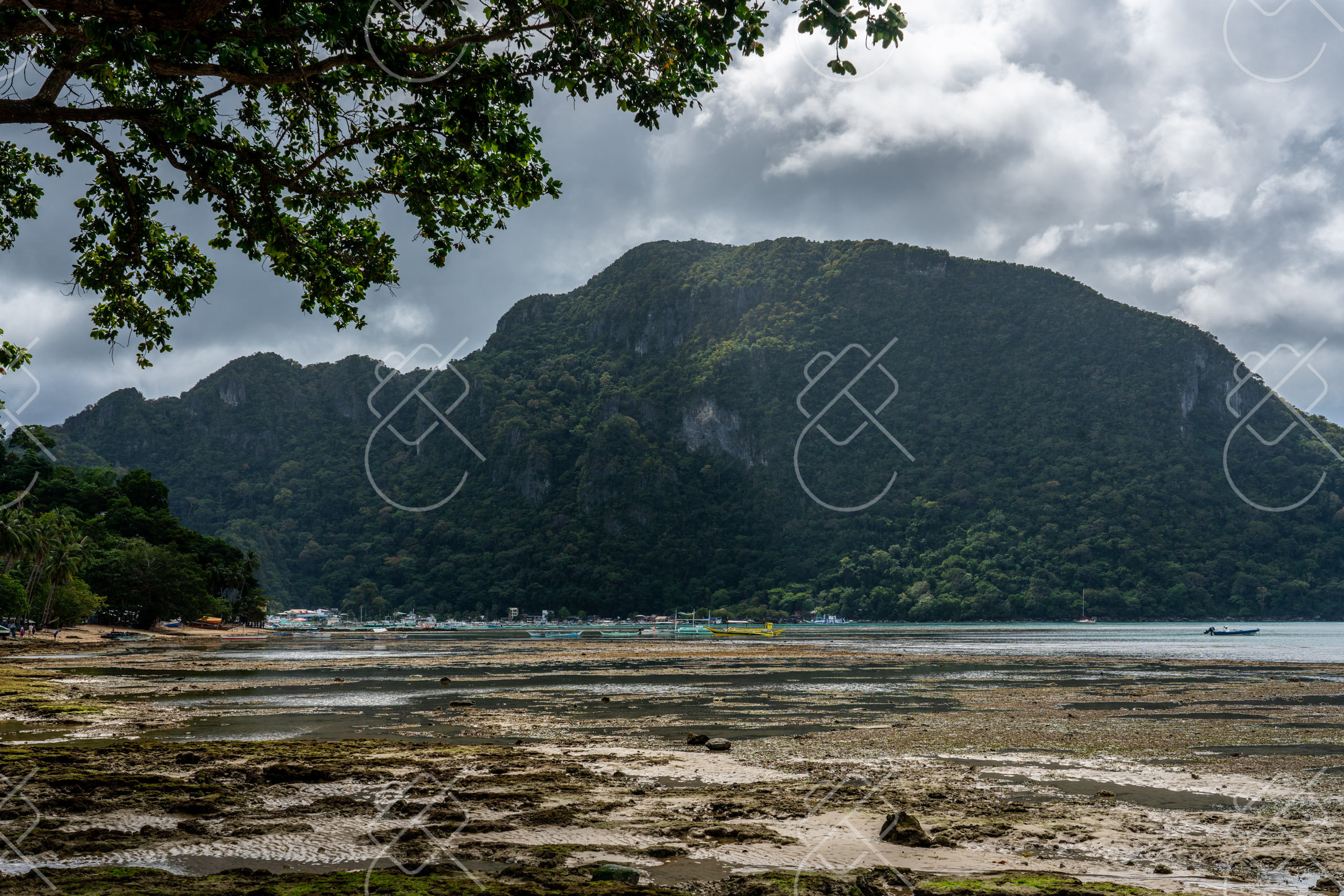
Island hopping is the core of a Philippines trip, and it is where things can go wrong. Outrigger boats run on fixed routes from El Nido and Coron; the coast guard cancels departures when the sea is rough, and an operator that wants to go anyway is not doing you a favour. Wear the life jacket on open crossings, keep your phone and passport in a dry bag, and do not pressure a boatman to leave in bad weather.
On land, motorbike rental is the common way to get around Palawan and Siargao, and it is where many traveler injuries happen. Ride only if you are experienced, wear a helmet, avoid riding after dark on unlit rural roads, and check whether your travel insurance covers motorbikes at your licence level.
The Philippines sits in one of the most active typhoon zones in the world. The state weather agency, PAGASA, says about 20 tropical cyclones enter its area each year, with roughly 8 or 9 crossing the country, and the peak is July to October. Storms can arrive in November and December too: our own visit was in those months. A typhoon usually means cancelled ferries and flights, power cuts and a few days stuck in place rather than danger to visitors who follow the warnings.
Plan buffer days around inter-island flights, follow PAGASA bulletins, and see the best time to visit the Philippines and Palawan's dry season for timing. The country also has active volcanoes and earthquakes; obey local exclusion zones if one is in the news.

The Philippines is a common solo trip, helped by English being widely spoken. Women travelling alone report the usual big-city issues (catcalling, unwanted attention in nightlife areas) more than serious danger. Use Grab rather than street taxis at night, choose well-reviewed accommodation, and be careful with drinks. Outside Manila the tourist towns are small and quiet after dark.
Same-sex relationships are legal and attitudes in tourist areas are generally relaxed, though the country is socially conservative and largely Catholic.
Call 911, the national emergency hotline for police, fire and ambulance. Good private hospitals are in Manila and Cebu City; island towns have basic clinics, and serious cases are transferred by boat or plane, so medical cover with evacuation is worth having.
Health basics: drink bottled or filtered water, use insect repellent against dengue, and protect against sun and reef cuts. Before you fly, check whether you need a visa and fill in the eTravel registration. For a full route, see our 4-week Philippines itinerary and the El Nido guide.
Yes for the usual tourist areas. The US rates the Philippines Level 2 (Exercise Increased Caution) and says do not travel to the Sulu Archipelago; the UK advises against western and central Mindanao.
Palawan is one of the safer parts of the country. The main risks are boats in rough weather and motorbike riding, not crime.
No. The UK Foreign Office excludes Siargao, Camiguin and Dinagat from its Mindanao warnings.
Ignore touts offering flat fares, use the official metered taxi lines or book a Grab, which shows the fare before you ride.
Dial 911 for police, fire and ambulance.
Get our new Philippines guides and practical tips by email: where to stay, what to eat, what things cost and the rules that catch travelers out.
Free. No spam, only new guides and tips.
Looking for the best deals on Philippines hotels? Check Booking.com.