Home
About us
Destinations & Country Guides
Travel Guides
Recipes
Featured
Photos As Art
Abstract Prints
Locations
Travel Gear
Travel Resources
Favorites
Photo Framer
Explore Photos
Contact Gear & packing
By Clever Tourists · Published · Last updated
For Palawan, pack for a day on a small boat: a dry bag, water shoes, strong sun protection, cash in pesos and a phone you don't mind getting splashed. Everything else matters less. Island-hopping days in El Nido and Coron mean wading on and off a bangka (outrigger boat), snorkelling over coral, climbing sharp limestone to reach lagoons, and five or six hours with little shade. Small towns on Palawan also run on cash, and power and signal can drop out. We spent November 2022 on Palawan, 2 days in Sabang, 3 in Port Barton, 6 in El Nido and 4 in Coron, after 2 days in Manila, and this list is built around that kind of route.
• Passport with at least six months' validity, plus a return or onward ticket. Many nationalities enter visa-free for 30 days; check yours in do I need a visa for the Philippines.
• eTravel QR code. Every arriving traveller registers on the government's free eTravel form within 72 hours before landing, and airlines ask for the QR code at check-in. Screenshot it, because airport Wi-Fi is unreliable. Our eTravel guide walks through the form and the paid copycat sites to avoid.
• Domestic flight and ferry confirmations saved offline. Manila to Puerto Princesa, El Nido or Busuanga (for Coron) are separate bookings, and the El Nido to Coron leg is a ferry or a short flight; see El Nido to Coron: ferry vs flight.
• Travel insurance details offline. Check that it covers snorkelling and, if you plan to, scuba diving to your certified depth.
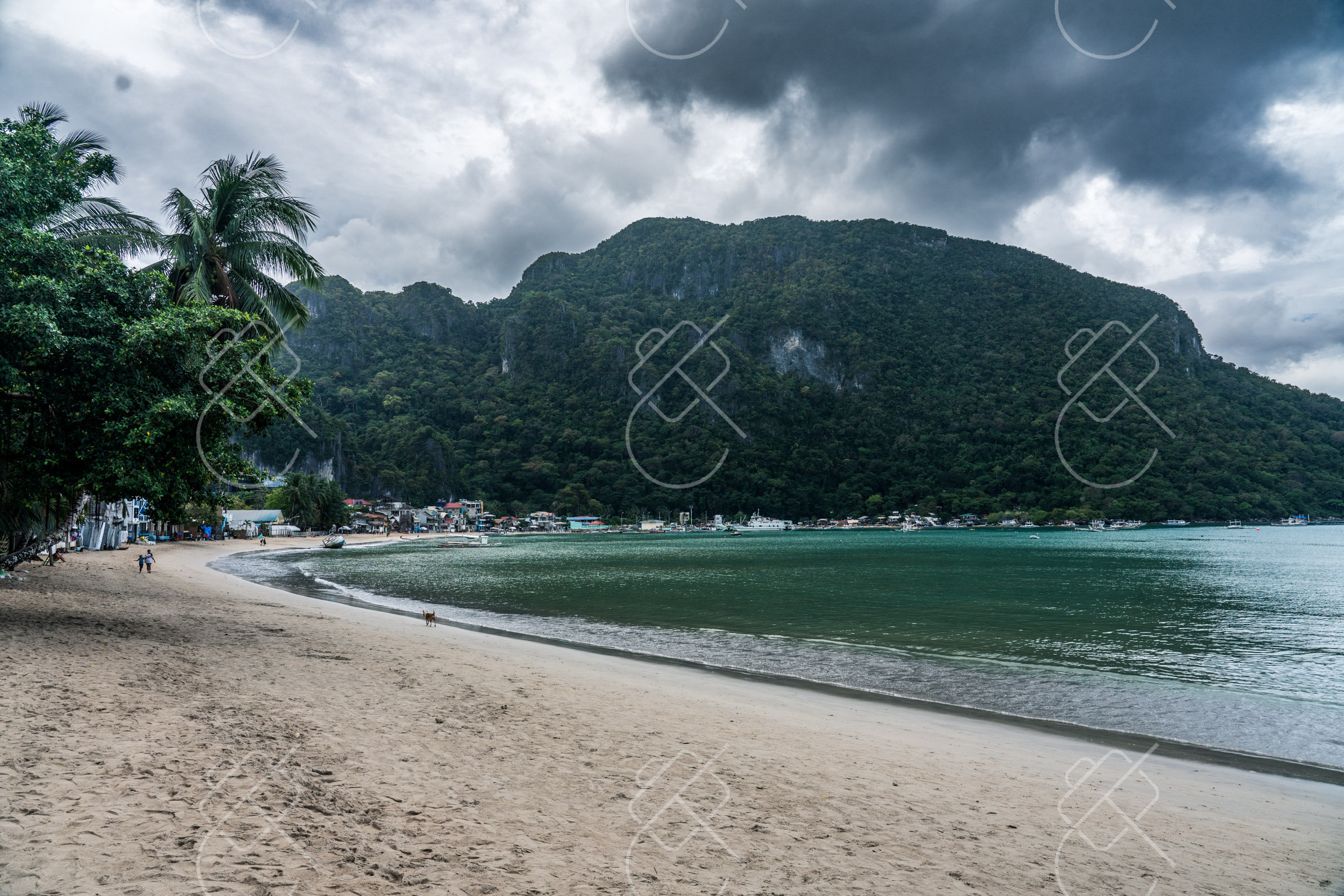
The peso is the currency, and outside Manila, Cebu and the bigger hotels, Palawan is largely a cash economy: island-hopping tours, tricycles, small restaurants, the eco fee and lagoon fees are paid in pesos. ATMs exist in El Nido and Coron town but are few, have per-withdrawal limits and can run empty or go offline on busy weekends. Port Barton and Sabang have even less.
• Withdraw in Manila or Puerto Princesa before heading to the smaller towns, and keep a reserve for at least two or three days.
• Two cards on different networks (Visa and Mastercard), kept in different bags.
• Small notes. Tricycle drivers and stalls often cannot change ₱1,000 (≈ $15.6) notes.
El Nido charges an environmental fee (₱400 (≈ $6.2) as of 2026) on top of tour prices, and some lagoons have their own entrance fees; our El Nido tour A, B, C or D guide lists them. For tipping boat crews and guides, see tipping in the Philippines.
This is the part of the list that makes or breaks the trip. Boats land on beaches, so you wade in knee-to-thigh-deep water with whatever you are carrying.
• A 10 to 20 litre dry bag for phone, cash, a power bank and a towel. Tour boats have no dry storage worth trusting, and spray soaks everything on a choppy crossing.
• Water shoes or sandals with a strap. The entrances to Big Lagoon, Secret Lagoon in El Nido and Kayangan Lake in Coron involve rocks, sharp limestone or slippery steps, and some beaches have coral rubble at the waterline.
• Your own snorkel mask if you care about fit. Tours lend masks and fins, but the masks are often worn and leak.
• A waterproof phone pouch or an action camera. We carried a GoPro for days like these (on our gear page); the lagoons are best seen from the water.
• A quick-dry towel or sarong, a reusable water bottle (many tours refill from big containers) and motion-sickness tablets if you get seasick, as outer-bay tours such as El Nido Tour C cross open water.
• Sun protection that does not wash off: see the next section.
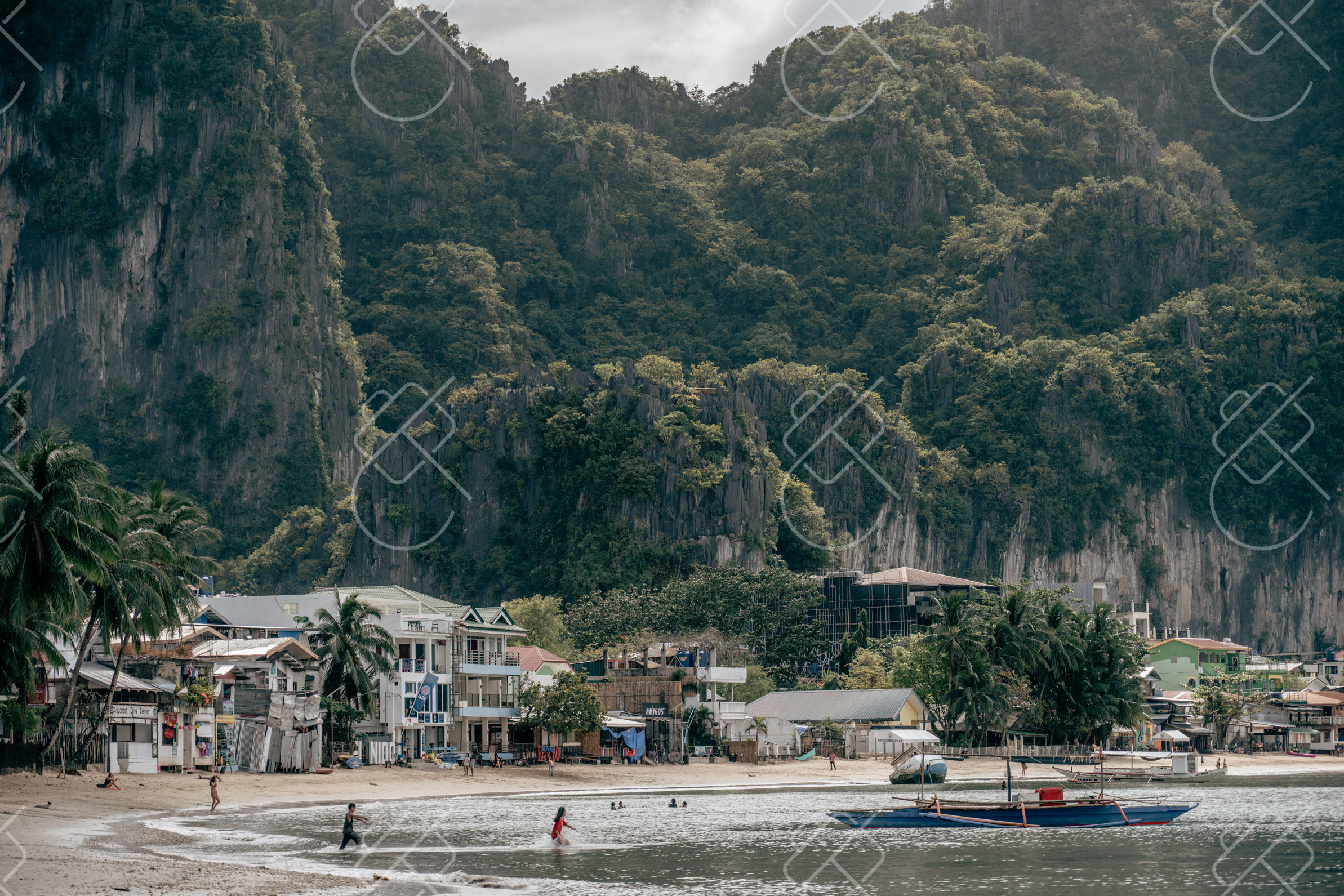
Close to the equator, the sun on the water is strong even on hazy days, and a boat day means hours of exposure.
• A long-sleeved rash guard is more reliable than sunscreen for snorkelling and cuts the amount of cream you put in the sea.
• Reef-friendly sunscreen (mineral, zinc-based) in a larger bottle. Sunscreen is sold on Palawan but choice is limited and imported brands are expensive.
• A hat with a strap and sunglasses with a cord. Hats blow off fast boats.
• Insect repellent. Dengue is present in the Philippines, and sandflies (niknik) on some beaches bite at dusk.
• A basic first-aid kit: plasters, antiseptic for coral cuts, rehydration salts and your usual stomach and pain medicine, plus prescriptions in original packaging. Pharmacies in El Nido and Coron cover basics, but not much more.
The Philippines uses 220 V, 60 Hz electricity with sockets for types A and B (flat pins, as in the US) and often type C (round pins). US plugs usually fit; UK, European and Australian visitors should bring an adapter. Phone and laptop chargers rated 100 to 240 V are fine.
• A power bank, because some island resorts and smaller guesthouses have power only part of the day or run on generators, and brownouts happen in towns.
• A headtorch for power cuts and walking back along dark beach roads.
• Offline maps and downloaded entertainment for the long van rides between Puerto Princesa, Port Barton and El Nido. Mobile data works in towns but fades between them and on the islands. Smart and Globe are the main networks; see eSIM or local SIM to choose.
Bags travel on van roofs and in ferry holds, so a soft backpack is easier than a hard case.
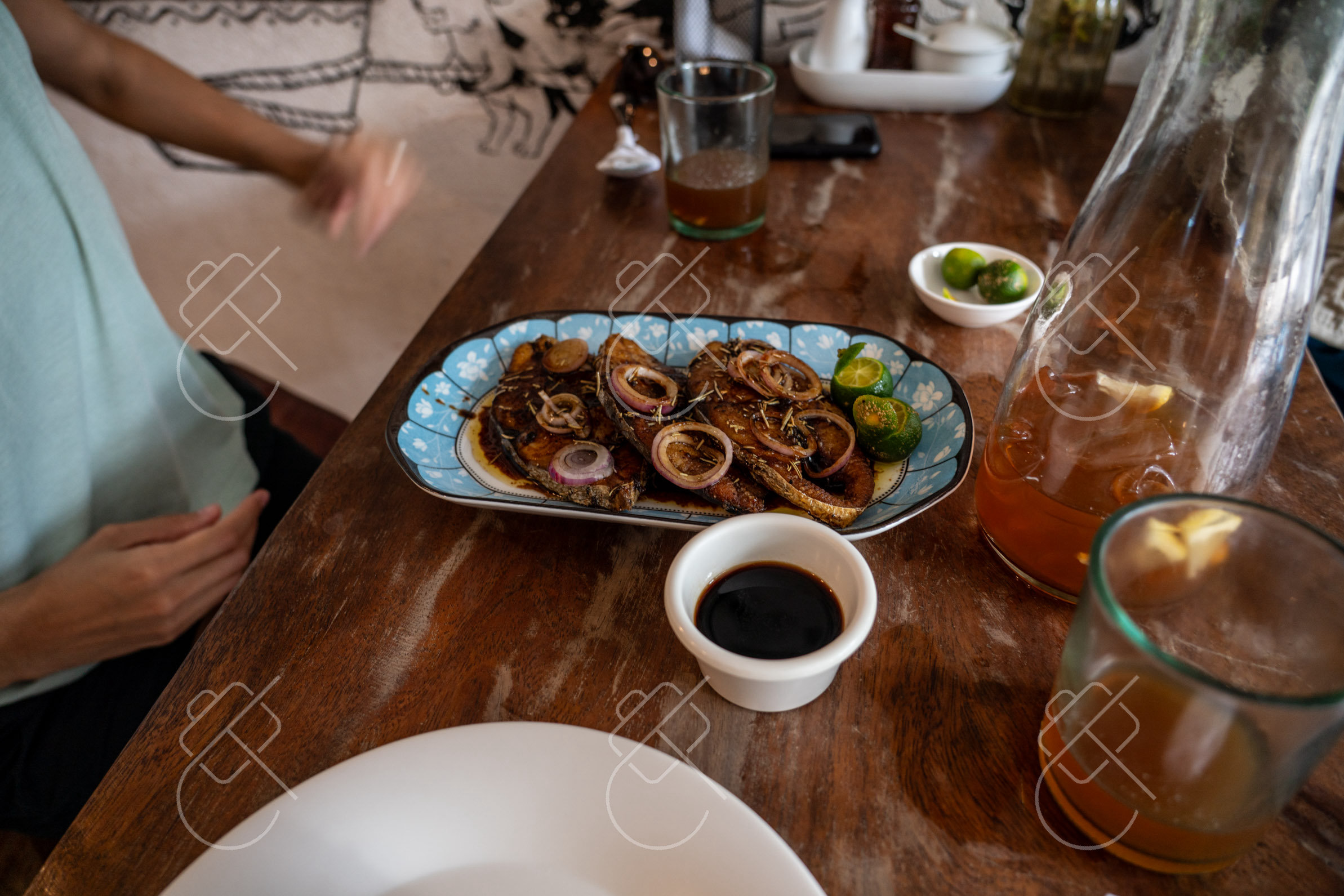
Skip: heavy hiking boots, anything formal, a big wheeled case, and more than a week of clothes. Laundry services by the kilo are everywhere in El Nido and Coron and are cheap.
Buy there: flip-flops, sarongs, cheap snorkel gear if you want your own, basic toiletries at 7-Eleven or Mercury Drug in larger towns, and snacks for boat days. Our Philippines grocery guide covers what is worth picking up.
Season matters: the dry season from roughly December to May gives the calmest seas; from June to October more tours are cancelled for weather, so pack a light rain jacket and allow spare days. See the best time for El Nido and Coron. For the order of stops, read our 2-week Palawan itinerary, the El Nido guide and the Coron guide. The core kit for any long trip is in our long-trip packing list.
A dry bag with your phone, cash and a towel, water shoes for the rocky lagoon entrances, a rash guard and reef-friendly sunscreen, a hat with a strap and cash for the eco fee and lagoon fees.
Yes. Tours, tricycles, small restaurants and fees are paid in pesos, and ATMs in El Nido and Coron are few and can run out or go offline. Withdraw in Manila or Puerto Princesa first and keep a reserve.
Types A and B (flat pins) and often type C (round pins), at 220 V. US plugs usually fit; UK, European and Australian visitors need an adapter.
They help a lot. Big Lagoon, Secret Lagoon and Kayangan Lake involve rocks, sharp limestone or slippery steps, and some beaches have coral rubble at the waterline.
Get our new Philippines guides and practical tips by email: where to stay, what to eat, what things cost and the rules that catch travelers out.
Free. No spam, only new guides and tips.
Get the best deals on the Philippines hotels before they're gone — see Booking.com.