 Seasonal travel
By Clever Tourists · Published
There are two Takayama Festivals each year: the spring Sanno Matsuri on 14 and 15 April 2027 (Wednesday and Thursday) and the autumn Hachiman Matsuri on 9 and 10 October 2027 (Saturday and Sunday). The spring dates are listed on the Gifu tourism site; the autumn dates are fixed every year. Detailed 2027 timetables are normally released later. Both festivals show decorated yatai floats and mechanical puppets (karakuri), and the night procession happens on the first evening only. We spent 3 days in Takayama in March 2023, before the spring festival, so this guide is about the dates and planning rather than what we saw.
• Spring (Sanno Matsuri): 14 and 15 April 2027, run by Hie Shrine in the upper old town. 12 yatai.
• Autumn (Hachiman Matsuri): 9 and 10 October 2027, run by Sakurayama Hachiman Shrine in the lower town. 11 yatai, although only 10 were shown in 2025 and 2026 because one was under repair.
• Night festival: the first evening only, with lantern-lit yatai pulled through the streets.
• Cost: free to watch. There are no viewing seats.
• Timetables: not published for 2027. In 2026 the spring karakuri shows were at 10:00 and 14:00 and the night festival ran about 18:00 to 20:30 on 14 April.
• Hotels: central hotels are reported booked out more than six months ahead.
The festival is built around the yatai, ornate wooden floats that are stored in small storehouses around the old town for the rest of the year. Twenty-three survive today, 12 shown in spring and 11 in autumn. They are hauled through the streets by teams of townspeople, and on the first evening they are hung with lanterns for the night procession.
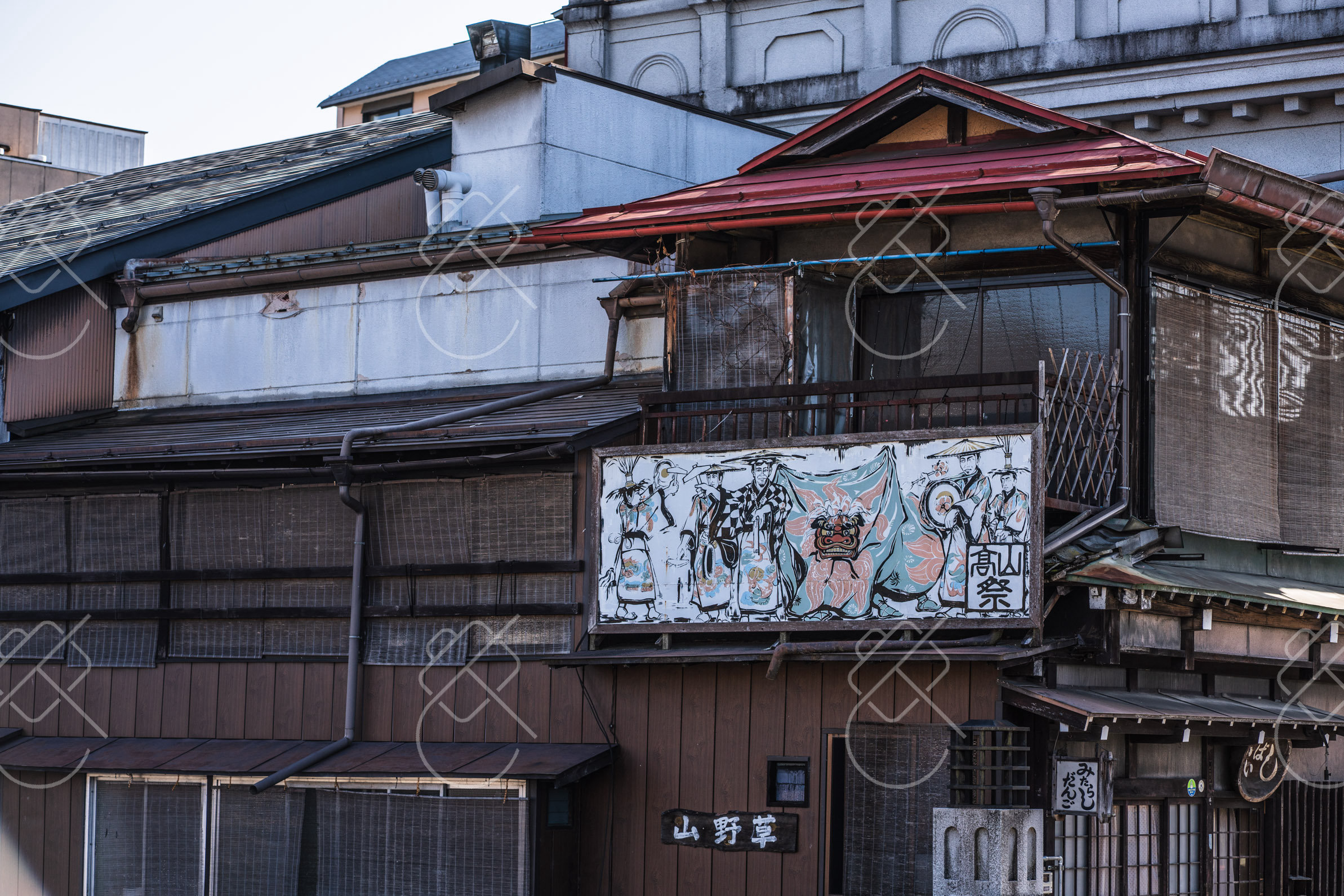
The karakuri are the second draw: mechanical puppets operated by hidden strings, performing short routines on top of a float. Each festival has its own set. If you can only attend one, decide based on which puppet show you want to see, then plan the rest of the day around its start time.
A workable day looks like this: arrive the evening before or early morning, find a spot for the morning karakuri show, walk the Sanmachi old town and the storehouse displays through the afternoon, and keep the evening of the first day for the night procession. The second day is quieter in the evening, with no night parade.
They are separate festivals with different shrines, districts and floats, and the choice comes down to the puppets and the season. In spring three karakuri floats (Sanbaso, Ishibashi, Ryujin) perform in rotation near the Jinya-mae crossing. In autumn one float (Hotei) performs on the shrine grounds with a more complex mechanism.
April coincides with cherry blossom in Takayama, usually mid to late April around the festival dates, as our cherry blossom forecast notes. October brings autumn colour and cooler air. Spring has the added risk of crowds that combine with the end of the cherry season, and Golden Week (late April to early May) follows soon after; see Golden Week 2027.
Events are decided on the day and can be cancelled for rain, with no rescheduling. If rain stops the parade, the yatai may be displayed in their storehouses and the karakuri may move indoors. In 2026 the parade and some karakuri on 15 April were cancelled, but displays continued. Pack a rain layer for either festival; our Japan packing list has a layered approach for spring and autumn.
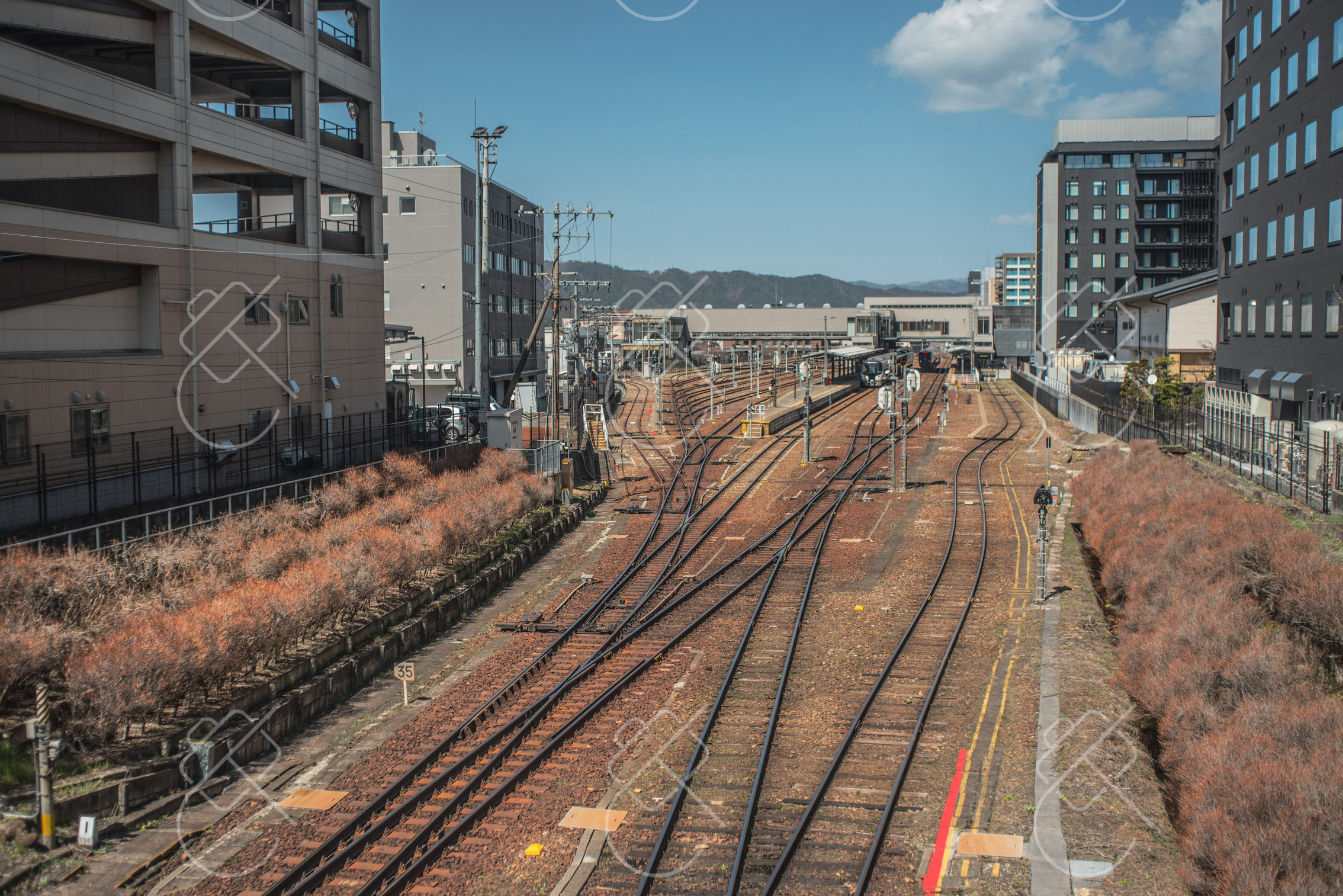
Takayama is in the Hida mountains. From Nagoya the Limited Express Hida runs directly, taking roughly two and a half hours; the seat fare rises in busy seasons, so reserve early. From Kanazawa and Shirakawa-go, see our Kanazawa to Takayama bus guide. City-centre traffic is restricted during the festival, and drivers are directed to temporary parking at Takumigaoka with a shuttle bus; check when the buses end.
Because central hotels sell out, many visitors stay in nearby cities, which works for daytime events but not for the night festival if the last train is early. Plan your base before you plan your days. Our how many days in Takayama page explains the town, and the Takayama guide covers the old town.
Everything is free and standing. Access to viewing areas can be restricted when crowded, so arrive early. The festival organisers livestream events on YouTube for people who cannot get close. Arrive in the morning for the karakuri show, walk the Sanmachi old town between events, and keep the evening of the first day for the night procession.
A Takayama visit fits a Japan route between Tokyo and Kyoto; see our 10-day Japan itinerary through the Alps. For the summer counterpart, read the Gion Matsuri 2027 guide, and for the base city after Takayama, where to stay in Kyoto.
The spring festival is on 14 and 15 April 2027. The autumn festival is on 9 and 10 October, on the same dates every year.
Yes. All events are free and watched standing; there are no viewing seats.
They are separate festivals. Spring has three karakuri float performances in rotation and 12 yatai; autumn has one more complex karakuri float and 11 yatai. Choose by season and the puppets you prefer.
Events can be cancelled with no rescheduling. The yatai may be displayed in storehouses and karakuri moved indoors.
Central hotels are reported booked out more than six months ahead, so book as soon as you fix the dates or stay in a nearby city.
Get our new Japan guides and practical tips by email: where to stay, what to eat, what things cost and the rules that catch travelers out.
Free. No spam, only new guides and tips.
Get the best deals on a place to stay in Japan on Booking.com.