Home
About us
Destinations & Country Guides
Travel Guides
Recipes
Featured
Photos As Art
Abstract Prints
Locations
Travel Gear
Travel Resources
Favorites
Photo Framer
Explore Photos
Contact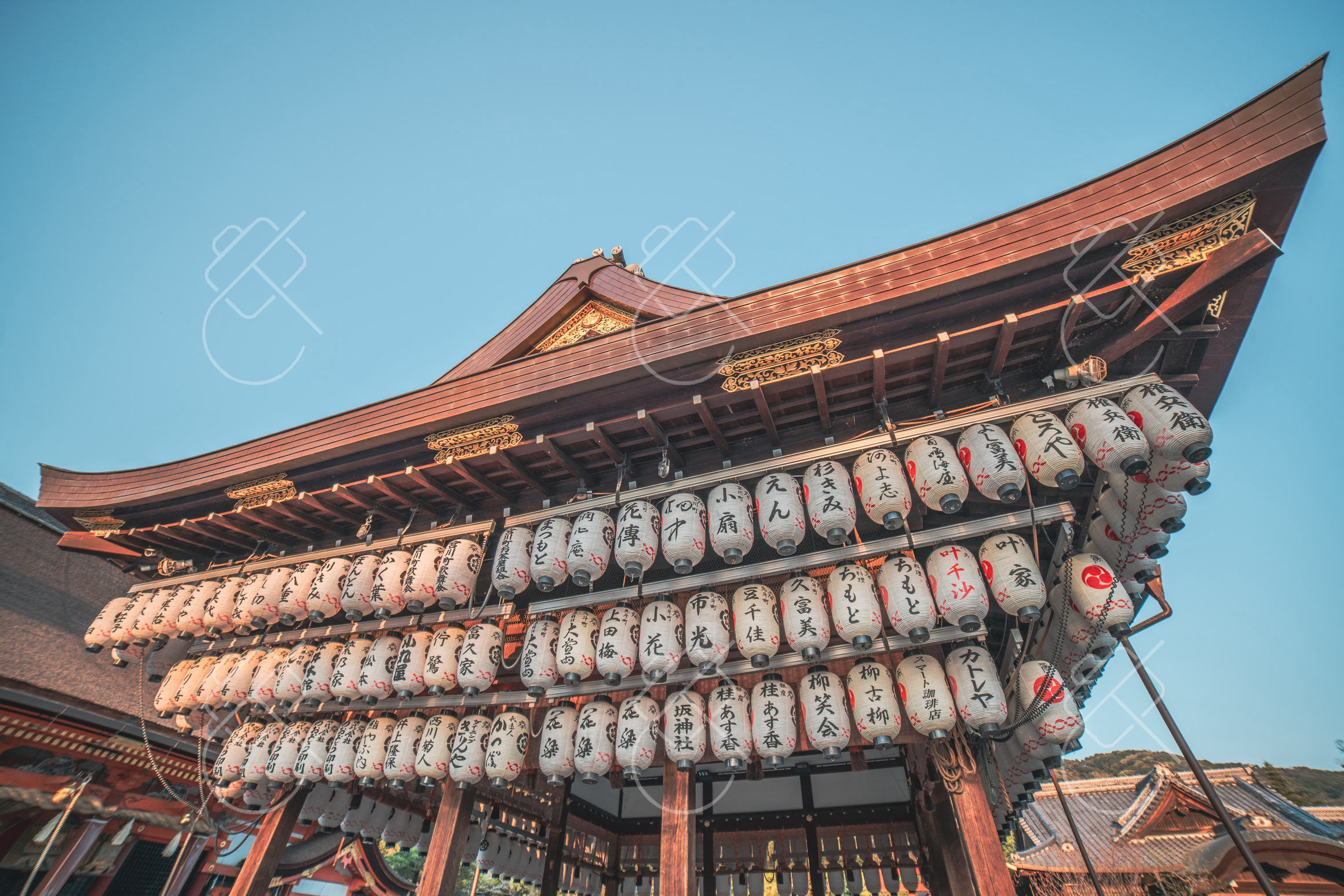 Seasonal travel
By Clever Tourists · Published · Last updated
Setsubun 2027 is on Wednesday 3 February, according to the National Astronomical Observatory of Japan's 2027 almanac; spring (risshun) begins the next day. It is not a public holiday. The big public events are mamemaki, bean throwing to drive out bad luck: at Senso-ji in Tokyo, at Naritasan Shinshoji near Narita airport, where sumo champions throw, and at Kyoto's Yoshida Shrine, which runs a three-day festival with about 800 stalls. All are free to watch. The date moves: it was 2 February in 2025 and is 3 February in 2026 and 2027. Temples and shrines publish their 2027 timetables in January, so the times below are from 2026 and earlier years. We were in Japan in March and April 2023, not in February, so this comes from the temples, shrines and tourism offices rather than our own visit.
Setsubun means "seasonal division". Today it refers to the day before the start of spring in the old calendar, and it is when people throw roasted soybeans (fukumame, fortune beans) to chase out demons (oni) and invite good luck in. At home, someone in the family puts on an oni mask, the others throw beans while calling "Oni wa soto, fuku wa uchi" ("Demons out, fortune in"), and then everyone eats as many beans as their age, or one more, depending on the source.
At temples and shrines, priests and invited guests (often people born in that year's zodiac sign, called toshiotoko, plus actors, sports stars and local celebrities) throw beans and small packets from a stage into the crowd. Catching some is meant to bring luck for the year.
Because 3 February 2027 is a Wednesday, crowds should be lighter than on a weekend, though the famous events still fill up. Japan in early February is cold, so dress for standing outside; our Japan in winter guide has the packing list.
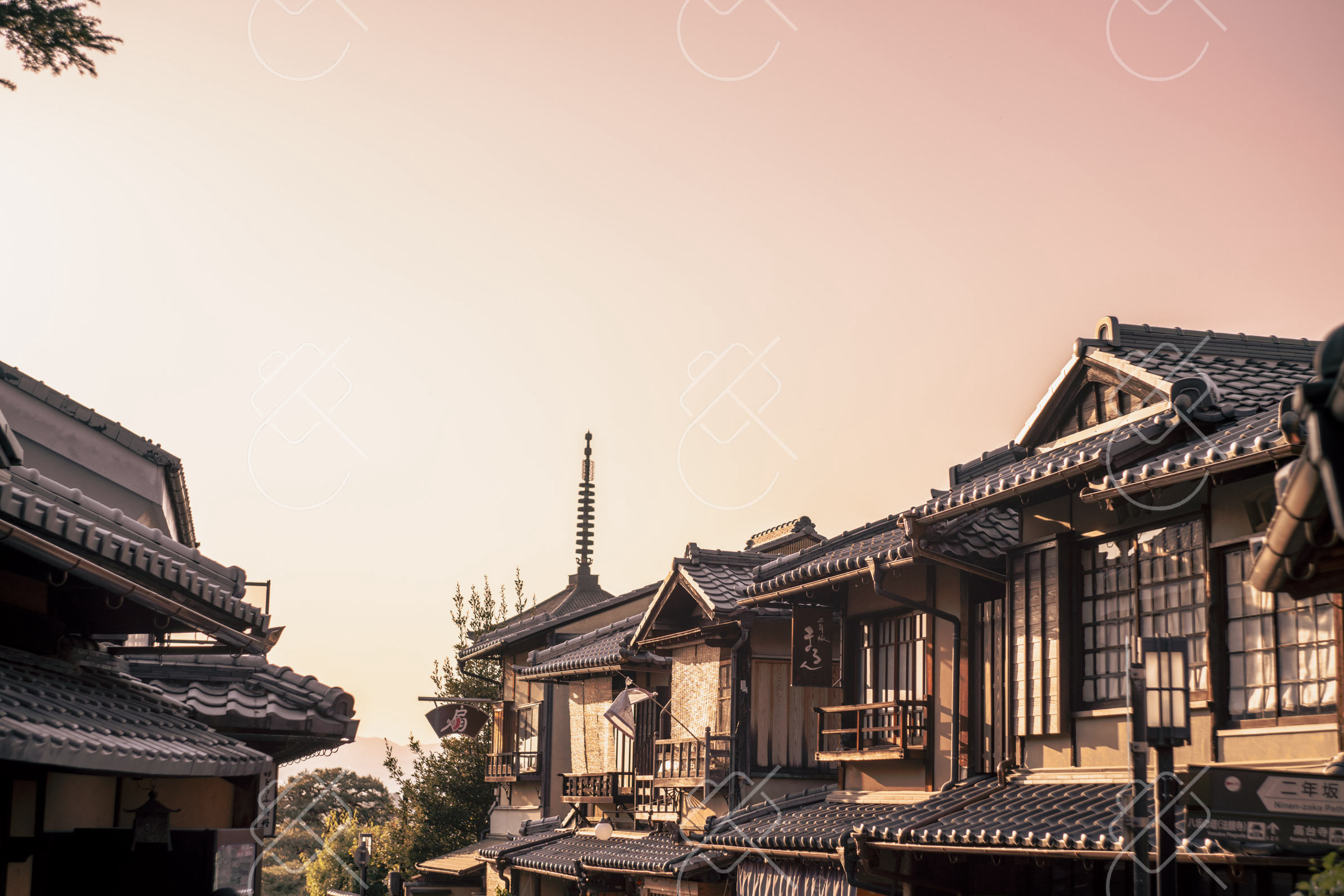
Senso-ji, Asakusa. GO TOKYO's 2026 listing for the Setsubun-e at Senso-ji gave processions at about 11:30 and 13:30, a Buddhist service, then bean throwing by famous figures connected to Asakusa, hosted by the Asakusa Tourism Federation, from around 16:00, and the Fukuju-no-Mai, the dance of the seven lucky gods. One detail matters if you know the usual chant: at Senso-ji the call is changed to "Senshu banzai, fuku wa uchi" ("Long life, fortune in"), because demons are held to be unable to stand before Kannon, the temple's bodhisattva. There is no ticket to watch. Asakusa Station (Ginza Line, Tobu, Tsukuba Express and Toei Asakusa Line) is about five minutes' walk. Read our Senso-ji etiquette guide first.
Naritasan Shinshoji, Narita (Chiba). One of the biggest Setsubun events in the Tokyo area, with bean throwing from a stage in front of the Great Main Hall by sumo wrestlers, actors and other guests in several sessions through the day. In 2026 the yokozuna Onosato and Hoshoryu threw beans there on 3 February, according to Kyodo News photo coverage. Naritasan also skips "oni wa soto" and calls only "fuku wa uchi". The temple is a short walk from Keisei Narita and JR Narita stations, which makes it an option on a first or last day near Narita airport.
Expect dense crowds and some jostling once the beans start flying. Keep bags zipped and closed, and do not lift small children onto your shoulders in the thick of it.
Yoshida Shrine on Yoshida-yama, near Kyoto University, holds Kyoto's biggest Setsubun festival over three days: the eve, the day and the day after, which in 2027 is 2 to 4 February. Kyoto's official guides describe about 800 stalls along the approach and in the grounds on the eve and the day, and about 500,000 visitors in a typical year.
• Tsuina-shiki (oni-yarai), on the eve: at the dance stage in front of the main shrine, the hososhi, a figure in a four-eyed golden mask, drives out red, blue and yellow demons. This is the one most visitors come for.
• Karo-sai, on Setsubun itself: a large fire in front of the third torii in which old shrine talismans that worshippers bring back are burned, returning the gods in them. Only old shrine talismans go in; this is not a bonfire for anything else.
• Use public transport; the shrine's temporary car park is closed during the festival. Exact times for 2027 are posted in January.
Yasaka Shrine in Gion marks Setsubun on the eve and the day with dance offerings by maiko and geiko from Kyoto's geisha districts on the stage, followed by bean throwing. The stage draws a lot of cameras. Do not push a phone into a performer's face, and see our Kyoto photography and Gion etiquette guide before you go.
Kyoto in February is cold and comparatively quiet; our Kyoto guide and how many days in Kyoto help with planning the rest of the trip.
The food of Setsubun is the ehomaki, a thick, uncut sushi roll. The custom comes from the Osaka area and has spread nationwide through supermarkets and convenience stores, which take pre-orders from January.
• How: face the year's lucky direction (eho), and eat the roll whole, in silence, making a wish. Do not cut it.
• 2027 direction: north-northwest (slightly north of NNW, about 345 degrees). The direction follows a fixed cycle by the last digit of the year, and years ending in 2 or 7 face north-northwest.
• Where: any konbini or supermarket on 3 February, from full rolls to half-size ones. Our Japan convenience store food guide covers what else to look for.
You will also see hiiragi iwashi, a grilled sardine head on a sprig of holly hung at doorways to keep demons away, mostly in western Japan.
• Free to watch. No official page we checked charges to stand and watch the rites. The paid parts are optional extras such as joining the bean throwers on stage at Naritasan, which needs an advance application.
• Check in January. Senso-ji, Naritasan and Yoshida Shrine publish times then; do not rely on last year's.
• Bring a bag if you hope to catch beans, and let the packets come to you rather than diving.
• Respect the rite. These are religious ceremonies at working temples and shrines. Do not throw beans back, do not climb on fences or stone lanterns for a better view, and follow staff directions.
• Combine it: early February also has some of Japan's winter light-ups, including Kobe Luminarie from late January; dates are in our winter illuminations guide.
Wednesday 3 February 2027, per the National Astronomical Observatory of Japan. Risshun, the start of spring, is 4 February. It is not a public holiday.
No. Watching is free. In 2026 GO TOKYO listed processions at about 11:30 and 13:30 and bean throwing from around 16:00; the 2027 times come out in January.
North-northwest, slightly north (about 345 degrees). Eat the roll uncut and in silence.
Because demons are held to be unable to stand before Kannon, the temple calls "Senshu banzai, fuku wa uchi" ("long life, fortune in") instead.
Get our new Kyoto guides and practical tips by email: where to stay, what to eat, what things cost and the rules that catch travelers out.
Free. No spam, only new guides and tips.
Get the best deals on where to stay in Kyoto — Hotels.com.