By Clever Tourists · Published · Last updated
For a first Kyoto ryokan, stay in Gion or southern Higashiyama, where you can walk to Yasaka Shrine and Kiyomizu-dera before the crowds; choose Arashiyama if you want a real hot spring, because central Kyoto has very few. A Kyoto ryokan is about the room, the dinner and the street outside, not the bath: most city-centre inns heat ordinary water in wooden tubs. For natural onsen water, look at Arashiyama, whose spring opened in 2004, or a day trip to Kurama. If you want space and a kitchen more than dinner and service, rent a machiya townhouse instead. Every option pays Kyoto's accommodation tax, which since March 2026 runs from ¥200 to ¥10,000 (≈ $1.3–63) per person per night. We spent 4 days in Kyoto in early April 2023.
This page contains affiliate links. If you book or buy through them we may earn a commission, at no extra cost to you.
JNTO's description of a ryokan stay applies in Kyoto too: tatami room, futon, yukata, a bath, and usually a kaiseki dinner and Japanese breakfast, priced per person. Kyoto inns are often small, older wooden buildings run by families, so you get more personal service and less space than in a hotel.
A machiya is a traditional wooden townhouse, narrow at the front and deep at the back. As a stay it is usually a whole-house rental: no meals, no staff on site, a kitchen, sometimes a small garden and steep stairs. It suits families, groups and stays of three nights or more, and it costs less per person once four people split it. Old wooden houses can feel cold in winter, so check the heating before you book a January stay.
A ryokan-style hotel (tatami rooms and a large bath in a modern building) is the middle ground: more predictable, often near Kyoto Station, with more flexible meal plans.
| Stay type | Meals | Bath | Best for |
|---|---|---|---|
| Traditional ryokan | Dinner and breakfast usually included | Wooden tub or shared bath, rarely natural onsen in the centre | One or two special nights, couples |
| Machiya rental | None; kitchen provided | Private bathroom | Families, groups, longer stays |
| Ryokan-style hotel | Flexible | Large shared bath, some private | First-timers, day-trip bases |
| Arashiyama onsen ryokan | Usually included | Natural hot spring | A real onsen without leaving Kyoto |
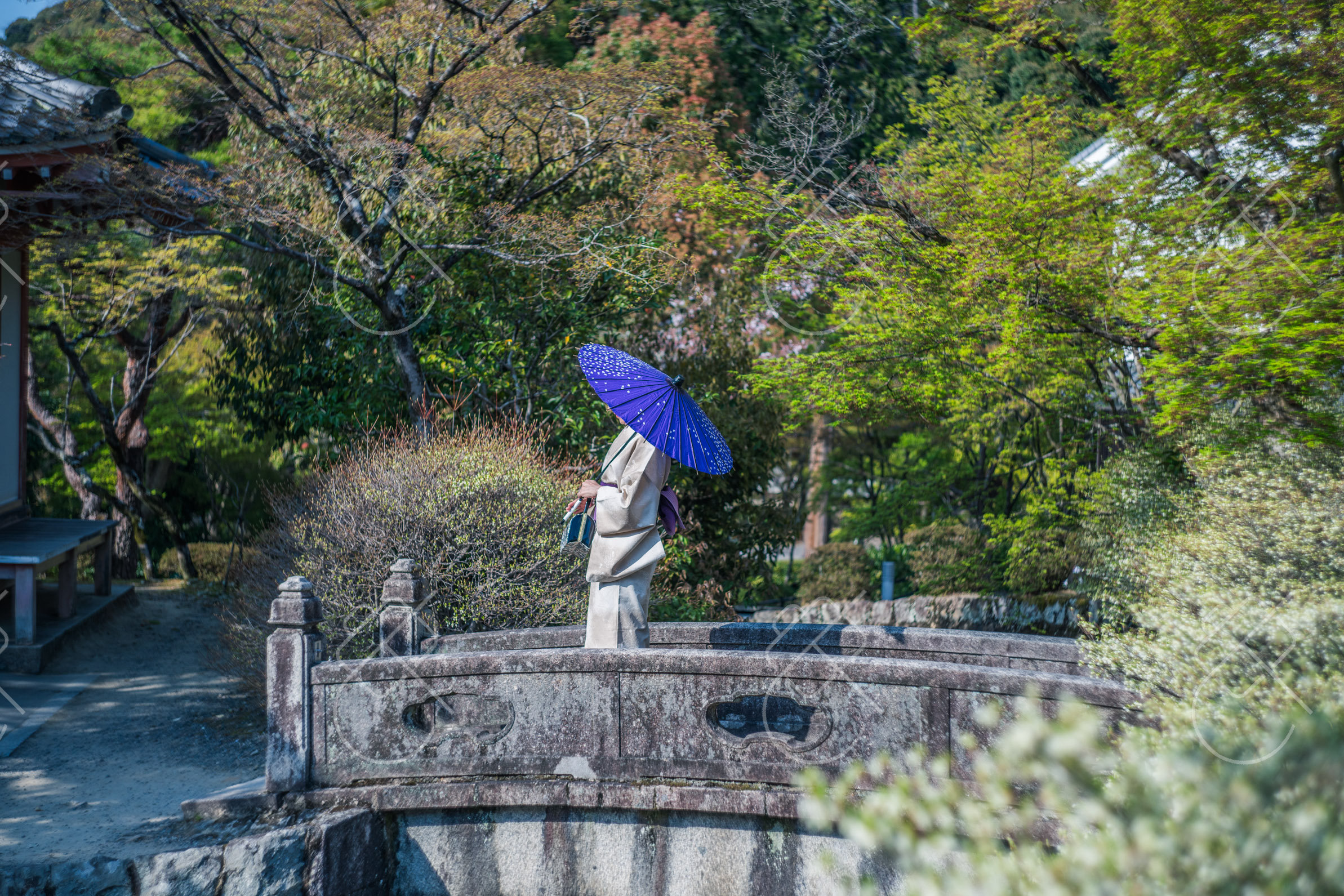
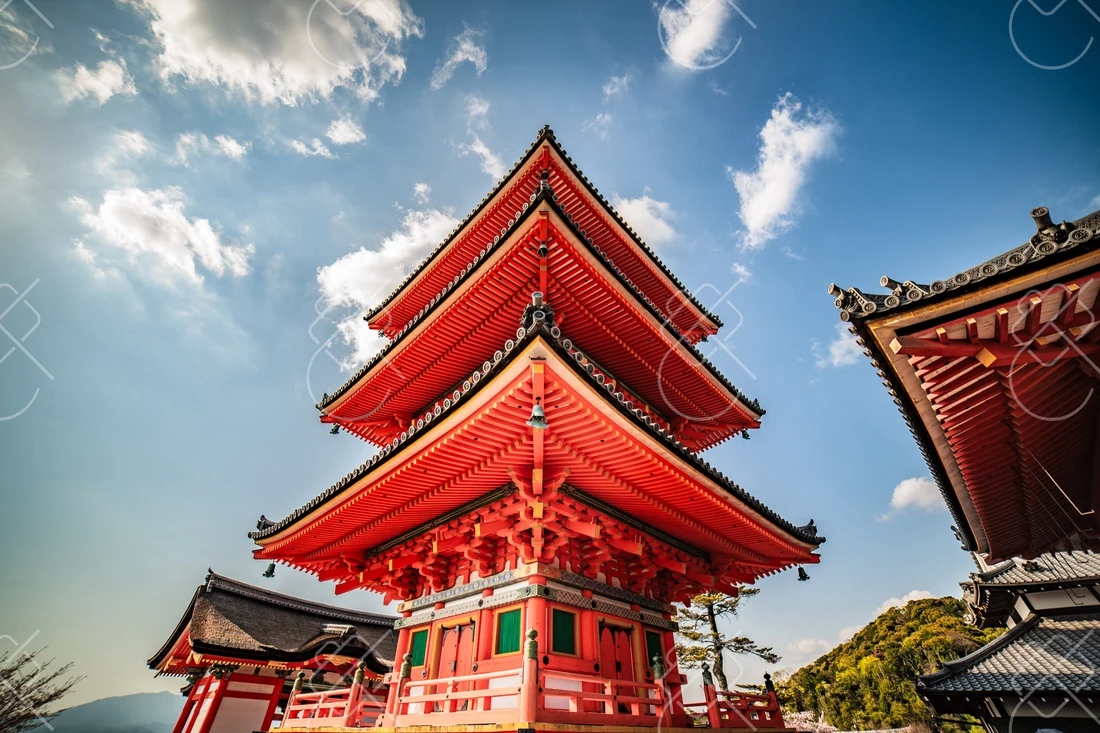
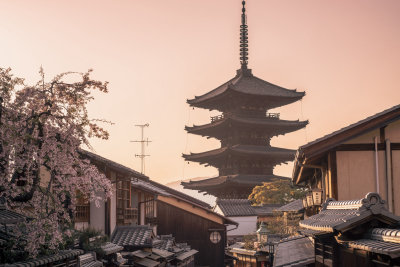
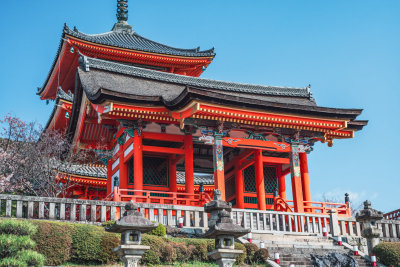
• Gion and southern Higashiyama: the classic choice. Stone lanes, wooden facades and temples on foot: Yasaka Shrine, Kodai-ji and Kiyomizu-dera. Stay here to walk the lanes at 7am, before tour groups arrive. Evenings are quiet once shops shut.
• Arashiyama: on the western edge, by the Katsura River and the bamboo grove. It has its own natural hot spring (see below), so this is where to look for an onsen ryokan in the city. It is busy by day and much calmer after the day-trippers leave, but it is about 30 to 40 minutes from central Kyoto by train, so a long stay here means commuting.
• Near Kyoto Station: the practical base. Ryokan-style hotels and smaller inns within walking distance of the Shinkansen, the JR Nara line and the Haruka airport train. Less traditional streetscape, easier arrivals and departures.
• Downtown (Kawaramachi and Karasuma): a scattering of inns among restaurants and Nishiki Market, good if eating out matters more than the inn's dinner.
Our where to stay in Kyoto guide compares the same areas for hotels and transport.
Most Kyoto inns advertise baths, not hot springs. A hinoki (cypress) tub in your room is a lovely thing, but it is usually heated tap water. If natural spring water matters, check the listing for 温泉 (onsen) and ask where the water comes from.
• Arashiyama Onsen: Kyoto Prefecture's official tourism site says it opened in March 2004 after drilling to 1,200 m, a weakly alkaline simple spring. Several Arashiyama inns pipe it in, and some sell rooms with their own open-air bath. Day visitors can use a public bath facility by Hankyu Arashiyama Station.
• Kurama Onsen: a hot-spring inn and day-use bath in the hills north of the city, reached on the Eizan Railway from Demachiyanagi. It pairs with the Kurama to Kibune hike; check it is open on your date before going, since we could not confirm current hours from an official source.
• Private baths without onsen water: many city ryokan have a kashikiri bath you lock for your group, and rooms with their own bath. If you have tattoos, this is the reliable route; shared bath rules vary by inn. See our onsen etiquette guide.
For a full onsen-town stay, Kyoto is the wrong place. Hakone, about 80 minutes from Shinjuku by Romancecar, is where nearly every inn has spring water; see where to stay in Hakone.

Practical travel tips, straight to your inbox. Unsubscribe anytime.
JNTO puts the average ryokan stay at around ¥15,000 (≈ $94) per person per night, with high-end inns charging more. In Kyoto, prices climb with a central Gion or Higashiyama address, a private bath, and peak weeks: cherry blossom in late March and early April, and autumn leaves in November.
On top of the room rate, Kyoto City charges an accommodation tax per person per night, set by the room charge excluding meals and consumption tax (table below).
Because meals are excluded, a two-meal ryokan plan can sit in a lower tier than its headline price suggests. The property calculates the tax for you. Full details are in our Kyoto accommodation tax guide.
| Room charge per person per night | Tax per person per night |
|---|---|
| Under ¥6,000 (≈ $38) | ¥200 (≈ $1.3) |
| ¥6,000 to under ¥20,000 (≈ $125) | ¥400 (≈ $2.5) |
| ¥20,000 to under ¥50,000 (≈ $313) | ¥1,000 (≈ $6.3) |
| ¥50,000 to under ¥100,000 (≈ $627) | ¥4,000 (≈ $25) |
| ¥100,000 (≈ $627) or more | ¥10,000 (≈ $63) |
Lists of the best ryokan in Kyoto are mostly lists of the most expensive. These questions narrow it down faster:
• Is dinner served in the room or a dining room? In-room dinner is the traditional version and costs more.
• What time is dinner, and is there a door curfew? Some small inns lock the front door at night. Ask, especially if you want to see Gion after dark.
• Is there a private or kashikiri bath, and is it onsen water?
• Are there stairs, and is there a Western-style bed option? Older buildings often have steep stairs and futon only.
• Can the kitchen handle your diet? Say so when you book; kaiseki menus are prepared in advance and lean on fish stock.
Arrive by check-in time if you have booked dinner, take your shoes off at the entrance, and keep slippers off the tatami. Tipping is not expected; see our tipping in Japan guide.
Small inns have few rooms, so cherry blossom and November autumn-leaf weekends sell out first; book months ahead for those weeks and keep a free-cancellation rate. January and February weekdays are the easiest time to get a sought-after inn, with the trade-off of cold mornings. One or two ryokan nights is plenty for most trips; how many days in Kyoto suggests a hotel or machiya for the rest.
Very few in the city centre. Arashiyama has a natural hot spring that opened in 2004 and is piped to several inns, and Kurama Onsen is in the hills north of the city.
Gion and southern Higashiyama for traditional streets and early temple walks; Arashiyama for natural hot-spring water; near Kyoto Station for easy arrivals and day trips.
JNTO puts the average ryokan stay at around ¥15,000 (≈ $94) per person per night with meals, and central Kyoto inns in peak weeks cost more. Add Kyoto's accommodation tax of ¥200 to ¥10,000 (≈ $1.3–63) per person per night.
A ryokan is a staffed inn with meals and a bath. A machiya stay is usually a self-catering rental of a whole wooden townhouse with no staff on site.
Yes. Many inns have rooms with their own bath or a kashikiri bath you reserve for your group, but in central Kyoto the water is usually not natural onsen.
Practical travel tips, straight to your inbox. Unsubscribe anytime.
Entry rules change, and they depend on your nationality — always confirm the current requirements on the official government site before you book or apply. Only use official government (.gov) portals; ignore look-alike agency sites.
Check how busy Kyoto hotels are for your dates on Booking.com.