By Clever Tourists · Published · Last updated
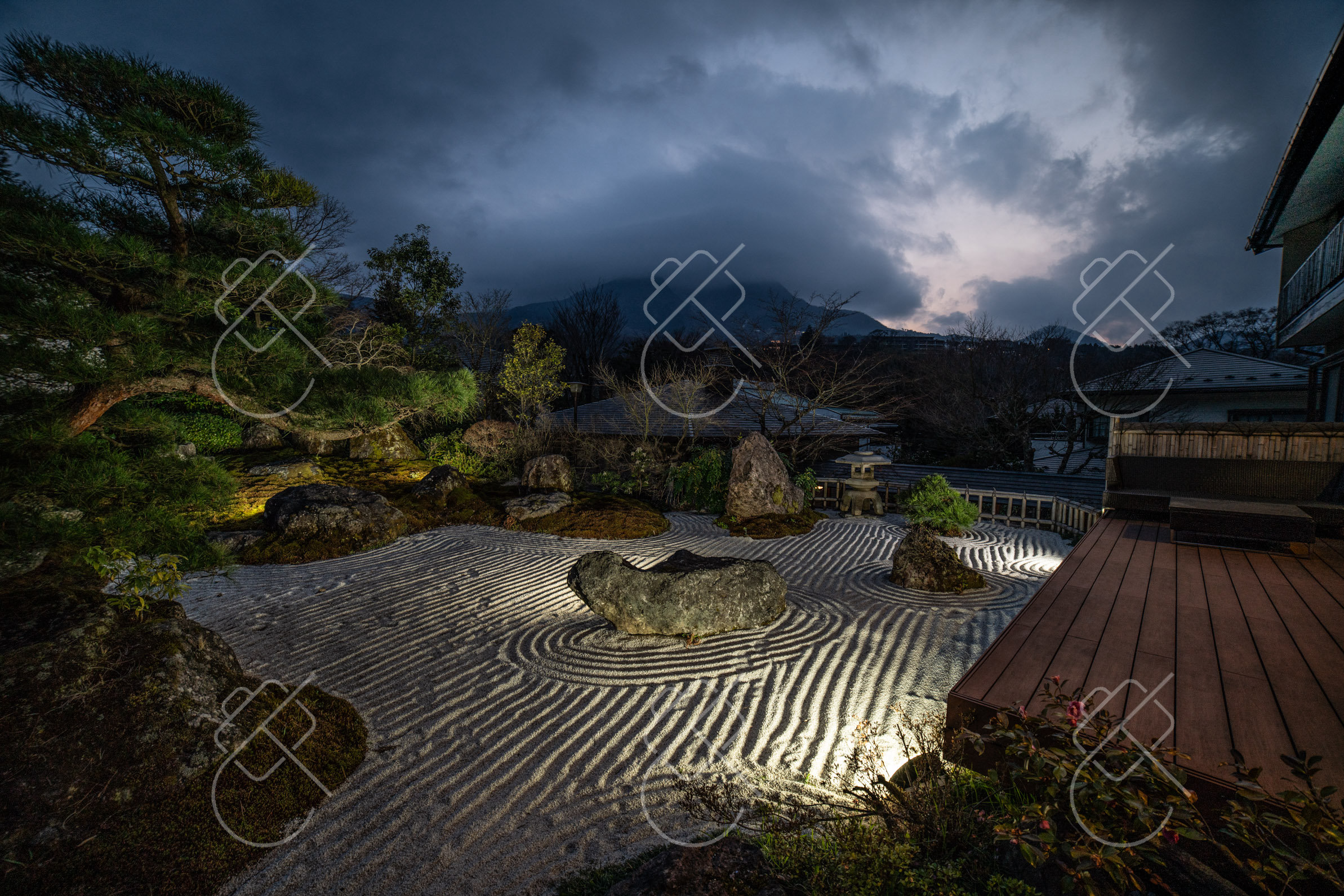
For a private onsen in Hakone, book a ryokan room with its own open-air bath (a rotenburo on the balcony or terrace), or an inn with a kashikiri bath you reserve for your group by the time slot. The in-room bath costs the most but lets you soak whenever you like; a kashikiri bath gives you the same privacy for a booked time slot at a lower room rate. Pick the area first: Hakone-Yumoto for an easy arrival, Gora or Miyanoshita for the middle of the Hakone loop, Sengokuhara for milky sulphur water and quiet. Hakone's official tourism site calls the area Hakone Juushichiyu, 17 hot-spring areas, so almost every inn has real spring water. We spent 2 nights in Hakone in March 2023, between Tokyo and Matsumoto.
This page contains affiliate links. If you book or buy through them we may earn a commission, at no extra cost to you.
 Free toolConvert to your own currency at live rates →Live mid-market rates for all 17 currencies we used, so you can see what a price actually costs.
Listings use the word private loosely. These are the four set-ups you will see, from most to least private:
• Room with an open-air bath (客室露天風呂, kyakushitsu rotenburo). A tub of spring water on your balcony, terrace or in a small garden, filled for you. Bathe at 2am or at sunrise. This is the most expensive room type in most inns.
• Room with an indoor bath. Some rooms have a cypress (hinoki) or stone tub indoors fed with spring water. Check whether it is onsen water or ordinary heated tap water; listings usually say.
• Kashikiri bath (貸切風呂). A bath in the inn's main building that you lock for your group for a set time slot. Some inns let you book at check-in, some use a first-come door sign, and some charge extra. Ask how many slots are free on your night before you rely on one.
• Separate men's and women's baths. The standard ryokan baths, shared with other guests, nude, with the rules in our onsen etiquette guide. Some inns swap the two sides overnight so you can try both.
| Bath type | Privacy | When you can use it | Best for |
|---|---|---|---|
| In-room open-air bath | Total | Any time | Couples, special trips, tattoos |
| In-room indoor bath | Total | Any time | Cold-weather stays, lower budgets than a terrace bath |
| Kashikiri (reservable) bath | Your group only | Booked time slot | Families, tattoos, first-timers nervous about public baths |
| Shared gender-separated baths | None | Set hours, often late night and early morning | Anyone comfortable bathing nude with strangers |
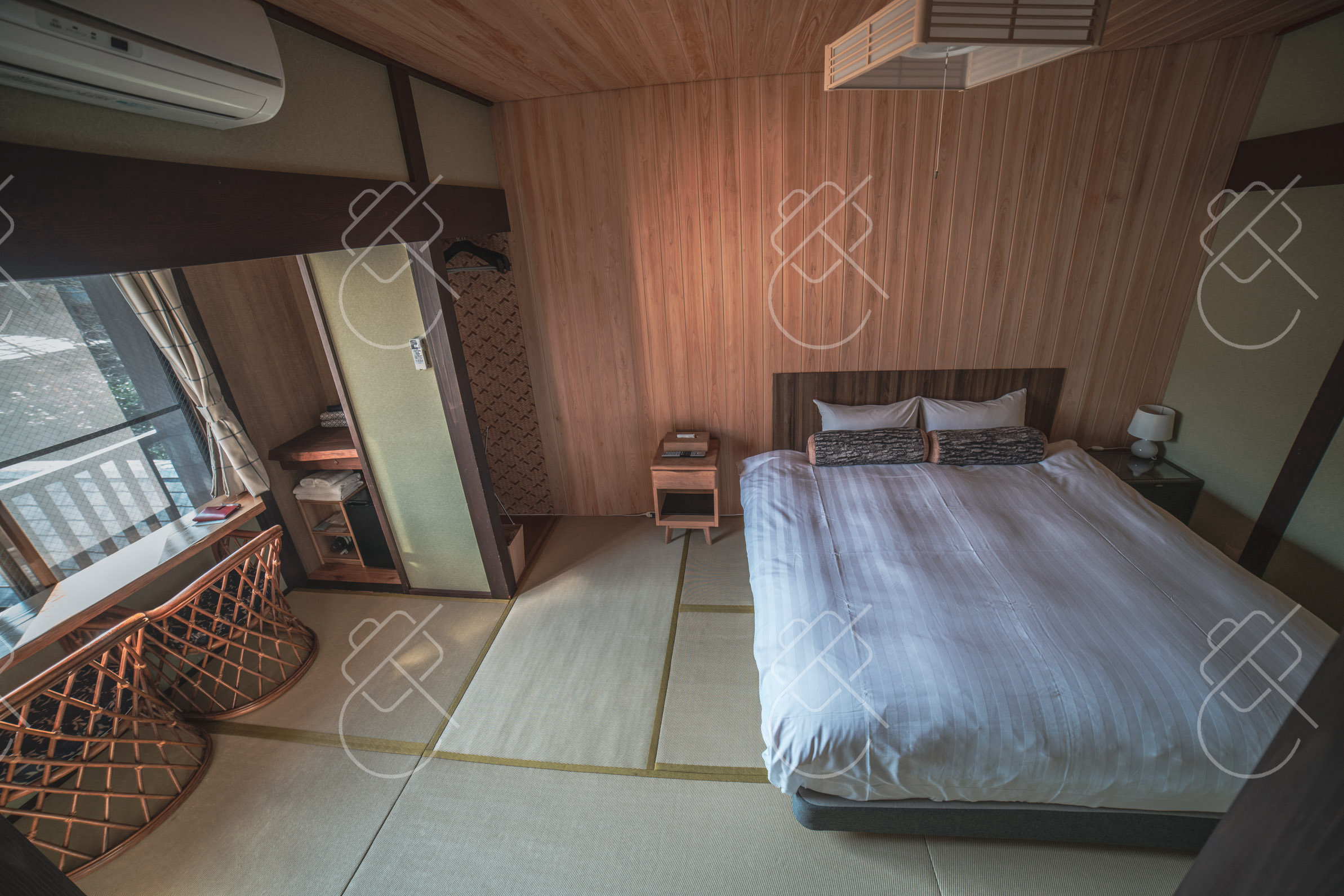
JNTO, Japan's national tourism organisation, describes the standard package: a tatami room with futon bedding, a yukata robe to wear around the inn, an onsen, and a multi-course kaiseki dinner and Japanese breakfast. Ryokan rates are normally quoted per person, with both meals, not per room.
The rhythm is fixed. Check-in is usually mid-afternoon, dinner is served at a time you choose from a short list, and staff lay out the futon while you eat or bathe. Arrive by late afternoon so you get the bath and dinner you are paying for; Hakone villages have few restaurants open late, which is why room-only rates are uncommon and rarely a saving.
Tell the inn about allergies or a vegetarian diet when you book, not on arrival: kaiseki is prepared in advance and often built around fish stock. Tipping is not expected; see our tipping in Japan guide.
The official Hakone tourism site (Hakone Navi) describes each area's spring water differently, which is a fair way to choose if the bath is the point of the trip.
• Hakone-Yumoto and Tonosawa: the gateway, at the end of the Odakyu line from Shinjuku. Inns line the river valley, from large ryokan with big shared baths to older wooden inns. Hakone Navi lists simple and alkaline simple springs plus sodium-chloride water. Easiest arrival, widest range of prices.
• Miyanoshita: an old spa village on the mountain railway that Hakone Navi says has drawn foreign visitors for a long time, with sulphate springs. Smaller choice, historic feel.
• Gora: the top of the mountain railway and the start of the cable car, so the best base for riding the loop the next morning. Hakone Navi lists calcium-sulphate and sulphur springs. It has many small inns, so filter for rooms with their own open-air bath.
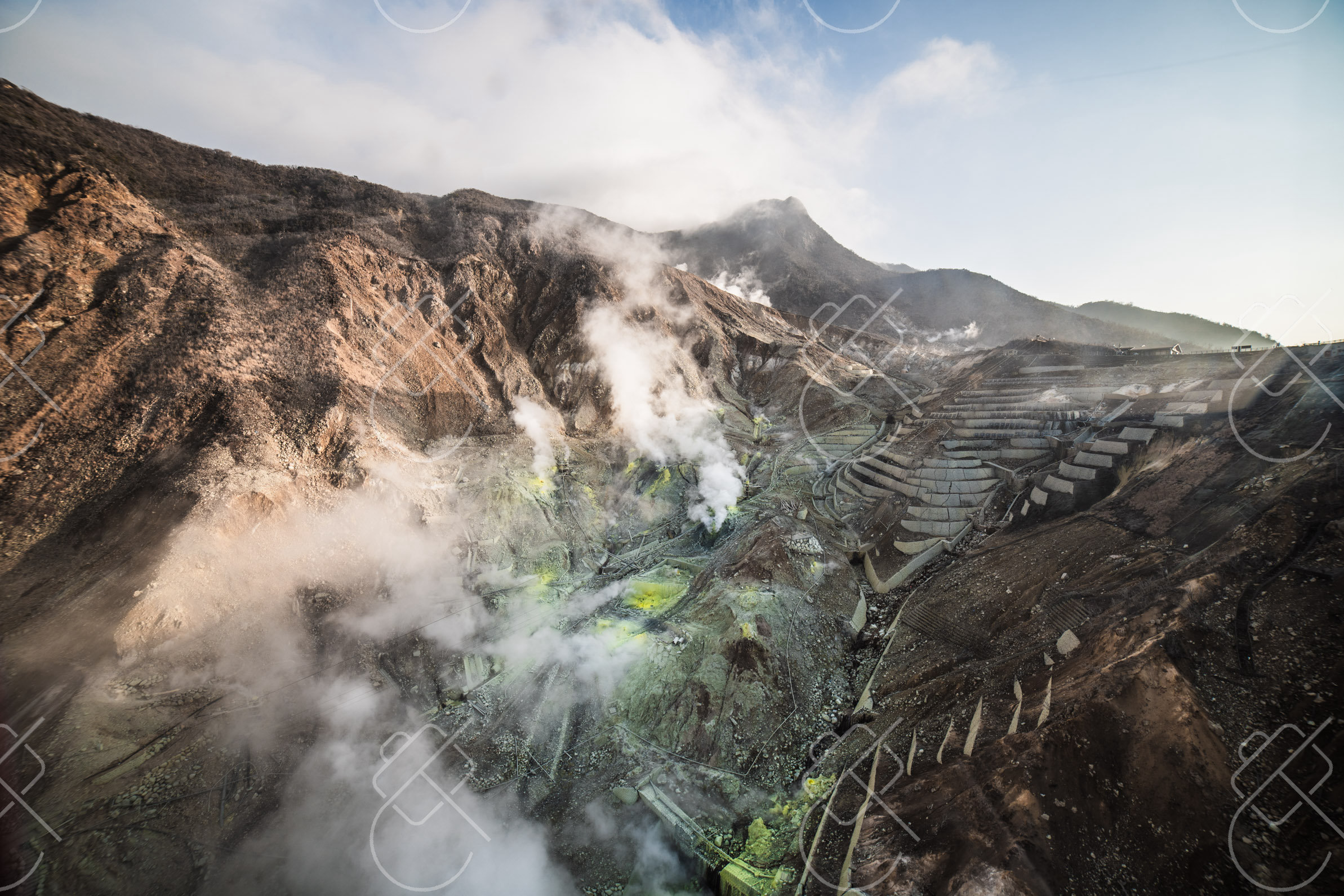
• Sengokuhara: a high, quiet basin reached by bus, known for cloudy white sulphur water and autumn pampas grass. Good for two nights of doing very little.
• Lake Ashi (Moto-Hakone, Hakone-machi): the lake and Hakone Shrine, with Mount Fuji behind on clear days. Hakone Navi says the lakeside springs are piped from Ashinoyu, a practice that started in 1966. Choose it for the lake, not only for a Fuji view that cloud often hides.
Our where to stay in Hakone guide compares the same areas for transport and food.
| Area | Spring water (Hakone Navi) | Getting there | Pick it if |
|---|---|---|---|
| Hakone-Yumoto / Tonosawa | Simple, alkaline simple, sodium-chloride | Romancecar terminus | Late arrival, heavy bags, budget |
| Miyanoshita | Sulphate | Hakone Tozan Railway | You want an older spa village |
| Gora | Calcium-sulphate, sulphur | Top of the Tozan Railway | Loop next morning, in-room baths |
| Sengokuhara | Calcium-sulphate, simple sulphur (cloudy white) | Bus | Quiet, two nights, milky water |
| Lake Ashi | Simple, simple sulphur (piped from Ashinoyu) | Bus or boat | Lake mornings, Fuji chance |

Practical travel tips, straight to your inbox. Unsubscribe anytime.
JNTO puts the average ryokan stay at around ¥15,000 (≈ $94) per person per night, with higher-end inns charging more. Hakone sits above that average for anything with a private bath, so use these levers to read a listing rather than a single headline price:
• Bath type: a room with an open-air bath is the top tier in nearly every inn. A kashikiri bath gets you privacy without paying for it every night.
• Night of the week: Saturdays and the night before a public holiday cost the most. A Sunday to Thursday night is noticeably cheaper.
• Season: autumn leaves in November, the New Year week and spring holidays fill first. Mid-winter weekdays are usually among the cheaper nights.
• Meals: compare two-meal plans with two-meal plans. A breakfast-only rate in Gora or Sengokuhara means finding dinner in a village that closes early.
Check what the total covers. A small bathing tax (nyuto-zei) is charged on overnight onsen stays in Japan and may be shown separately, and drinks at dinner are extra. Hakone Town has announced plans for a separate lodging tax, with a target start of around April 2028, so it does not apply to 2026 or 2027 stays.
Rules on tattoos are set by each property, and many shared ryokan baths still refuse visible ink or ask you to cover small tattoos. A private bath removes the question: a room with its own bath, or a kashikiri bath, is the reliable choice. If you plan to use the shared baths too, ask the inn directly when you book and get the answer in writing.
Our onsen etiquette guide covers cover-up stickers, washing before you bathe and towel rules.
If a private-bath room is out of budget, a day spa is the cheaper route. Hakone Yuryo, in the Hakone-Yumoto area, publishes 19 private open-air bath rooms bookable for 120 minutes: ¥10,400 to ¥14,400 (≈ $65–90) per room on weekdays and ¥11,400 to ¥15,400 (≈ $71–97) at weekends and holidays, depending on room size (2 to 4 people). Its shared baths cost ¥1,700 to ¥1,800 (≈ $10.7–11.3) on weekdays and ¥2,000 to ¥2,200 (≈ $12.5–13.8) at weekends for adults. Private rooms are booked online up to one month ahead, until 15:00 the day before. It closes for maintenance from 1 to 3 December 2026.
A day-use bath pairs well with a single night in a cheaper inn, or with a day trip from Tokyo; the Hakone Freepass guide shows whether the pass pays off for your route.
Rooms with their own open-air bath are the first to sell out, because each inn has only a handful. For a Saturday, a November weekend or the New Year week, book as early as your plans allow and choose a rate with free cancellation. Weekday nights in winter usually leave more choice.
Check the Hakone loop before choosing a base for sightseeing: the Hakone Ropeway is partly replaced by buses from 7 to 24 December 2026 and 12 January to 26 February 2027, details in our Freepass guide. Getting there takes about 80 minutes from Shinjuku on the Romancecar; our Tokyo to Hakone guide compares the options, and how many days in Hakone explains why two nights beats one.
A kashikiri bath is a bath you reserve for your own group for a set time slot. It gives you privacy without paying for a room with its own bath.
Gora is the best all-round base, since it is mid-loop and has many small inns, some with rooms that have their own open-air bath. Choose Hakone-Yumoto for easy arrival and Sengokuhara for quiet and cloudy sulphur water.
JNTO puts the average ryokan stay in Japan at around ¥15,000 (≈ $94) per person per night with meals. Hakone rooms with their own open-air bath, Saturdays and November weekends cost well above that.
Many shared baths restrict tattoos, and each property sets its own rule. A room with its own bath or a reservable kashikiri bath avoids the problem.
Yes. Hakone Yuryo near Hakone-Yumoto rents private open-air bath rooms for 120 minutes from ¥10,400 (≈ $65) per room on weekdays, booked online up to a month ahead.
Practical travel tips, straight to your inbox. Unsubscribe anytime.
Entry rules change, and they depend on your nationality — always confirm the current requirements on the official government site before you book or apply. Only use official government (.gov) portals; ignore look-alike agency sites.
See what's open in Hakone for your dates on Trip.com.