Home
About us
Destinations & Country Guides
Travel Guides
Recipes
Featured
Photos As Art
Abstract Prints
Locations
Travel Gear
Travel Resources
Favorites
Photo Framer
Explore Photos
Contact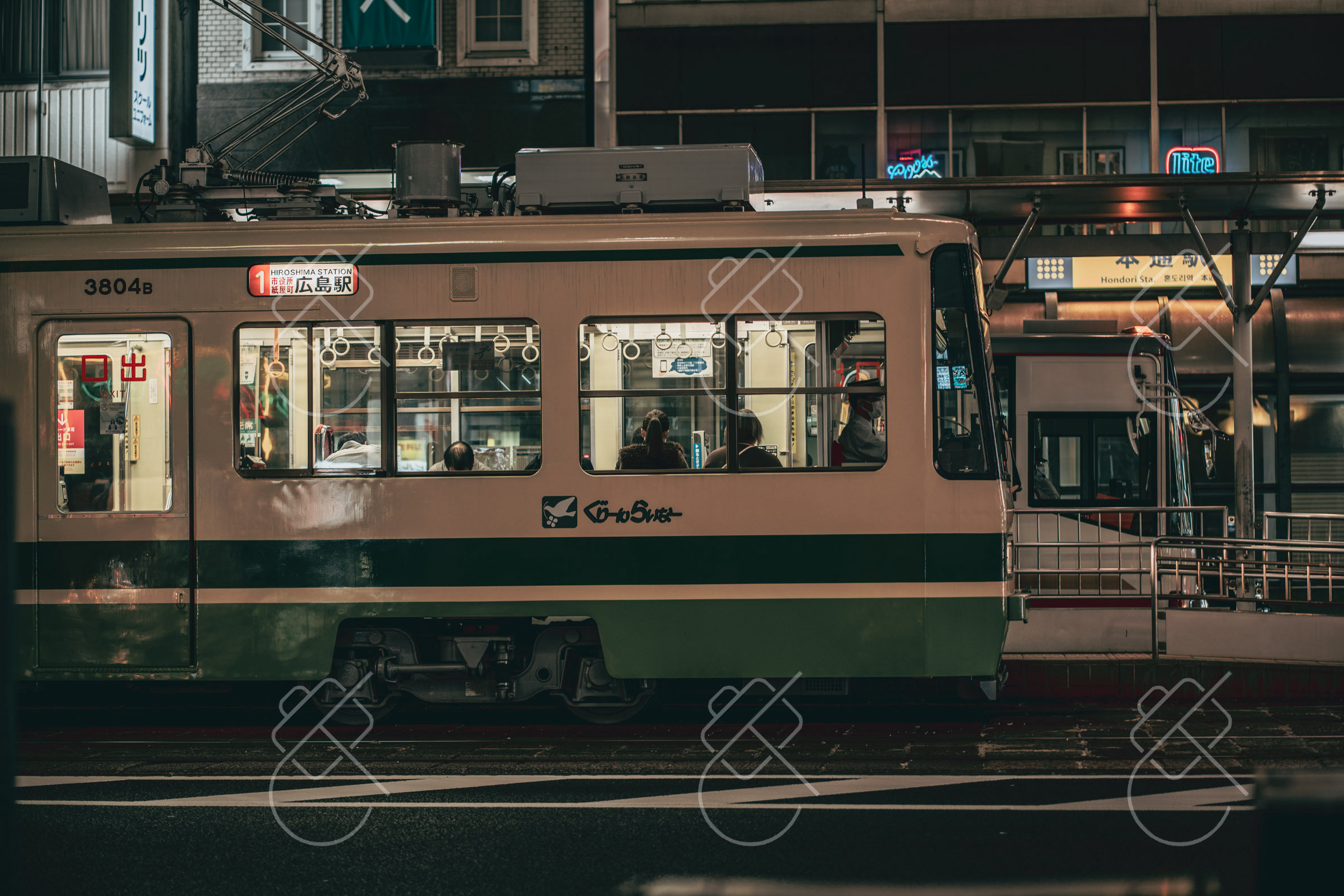 Where to stay
By Clever Tourists · Published
For one or two nights, stay near Hiroshima Station; for a slower stay, stay downtown between Hatchobori and the Peace Park. The station has the Shinkansen, the JR line to the Miyajima ferry and the streetcars to the Atomic Bomb Dome, about 15 minutes away. Downtown, around the Hondori arcade, puts the Peace Memorial Park and the okonomiyaki counters on foot. A night on Miyajima itself is the third option, and the best one if the floating torii is the reason you came. Hiroshima was a short stop on our trip, about a day and a half in mid-April 2023 after Himeji, before we returned to Tokyo, and we would give it more time.
• Short stop, Shinkansen in and out: Hiroshima Station.
• Two nights or more, evenings out: downtown around Hondori, Hatchobori and Nagarekawa.
• History-focused: the streets beside the Peace Memorial Park, walking distance from the museum's 7:30am opening (the first hour needs an online ticket).
• Quiet and romantic: a ryokan on Miyajima, after the day visitors leave.
• Families: the station area, for bigger hotels, simple luggage logistics and the direct train to Miyajimaguchi.
• Budget: business hotels and hostels around the station and on the streets between the station and Hatchobori.
What it's like: the transport hub, with business and chain hotels on both the south side (toward the center) and the Shinkansen side to the north. Streetcar lines 2 and 6 run from the station to Genbaku Dome-mae in about 15 minutes for a flat ¥240 (≈ $1.5), and the JR Sanyo Line reaches Miyajimaguchi, for the ferry, in about 25 minutes. There are okonomiyaki counters in and around the station.
Who it suits: anyone staying 1 or 2 nights, anyone continuing by Shinkansen the next morning, and families with luggage. Our Hiroshima and Miyajima guide has the full transport detail.
Downside: the station area is functional rather than pleasant, and the evening food and drink is downtown. Choose the south side if you want to walk toward the center.
Which side. The south exit faces the city and the streetcar stop, and most hotels aimed at visitors are on that side or a short walk from it. The north side, where the Shinkansen platforms are, is newer and quieter but a longer walk to the streetcars. If you are only staying one night and leaving by Shinkansen, either works; if you will use the streetcar several times, stay south.
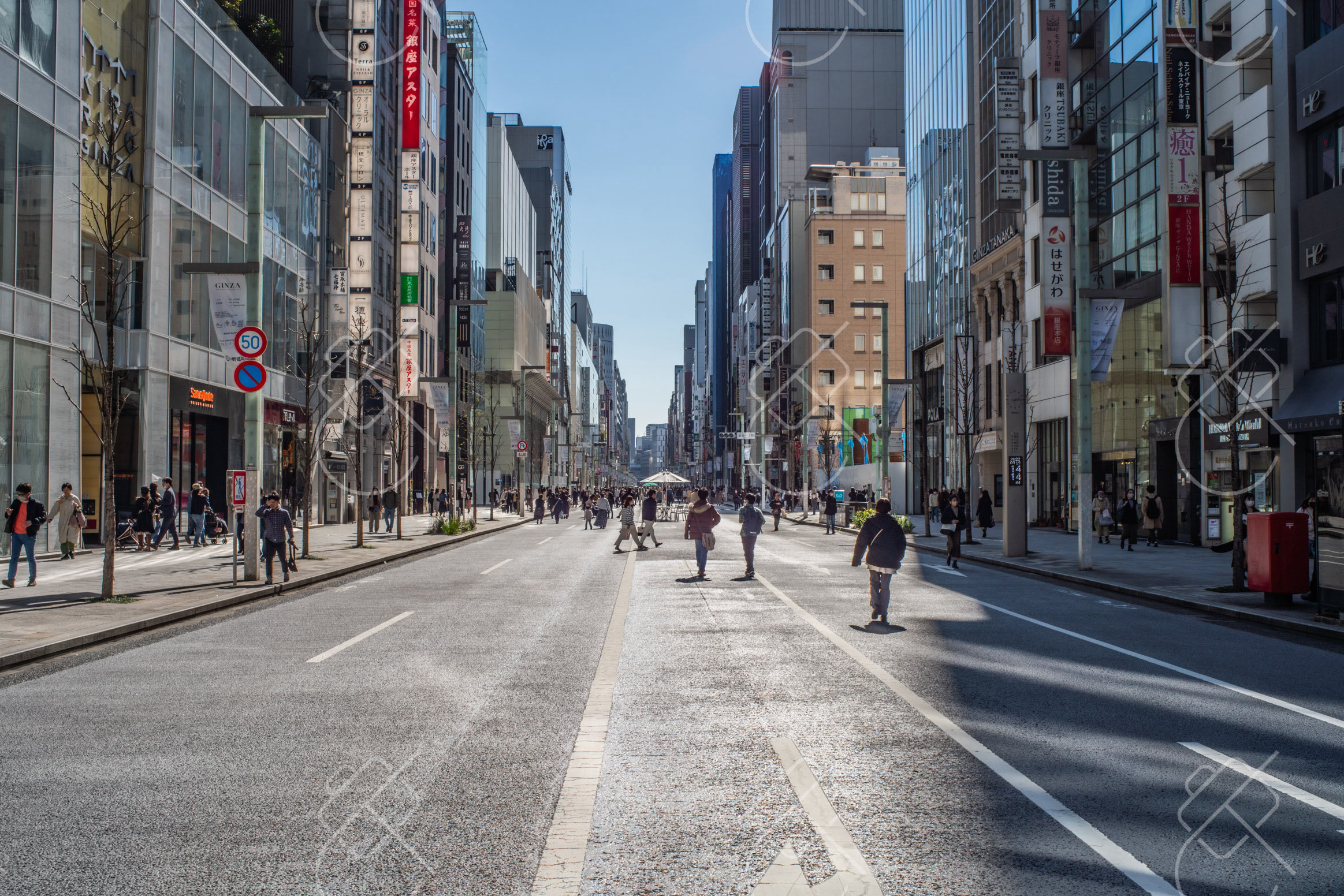
What it's like: the commercial center, with the covered Hondori shopping street, department stores at Hatchobori, and the Nagarekawa nightlife streets. Okonomimura, a building with about two dozen small okonomiyaki counters over several floors, is near Hatchobori.
Who it suits: 2 to 3 night stays, food-focused travelers and anyone who wants to walk to the Peace Park in the morning and to dinner at night. Our Hiroshima food guide covers what to order.
Downside: Nagarekawa is noisy late at night, and you need a streetcar or taxi back to the station with bags. Check that your hotel is near a streetcar stop.
What it's like: quieter streets around the park, the Atomic Bomb Dome on the river at the north end and the museum at the south. Hotels here face the river or the park.
Who it suits: travelers whose main reason to visit is the Peace Memorial Museum. Being able to walk over for the 7:30am opening, before the queues and school groups, makes a real difference to the visit; entry from 7:30 to 8:30am needs an online WEB ticket booked ahead, and you should allow 1.5 to 2 hours for the museum.
Downside: fewer hotels than the station or Hondori, and a streetcar ride from the trains. Evenings are calm, which suits some people and not others.
What it's like: Itsukushima Shrine and the Otorii gate in the tidal flat, tame deer and the Omotesando shopping street, with Mount Misen behind. Our Japan guide suggests an overnight here for the torii at dawn and dusk, when the island empties of day visitors.
Who it suits: couples and photographers, and anyone who wants to see the gate both floating at high tide and walkable at low tide, which can take a long day. Check the tide table before you choose your dates.
Downside: rooms are mostly ryokan with dinner included, so it costs more, and getting there with luggage means the train and a ferry. The ¥100 (≈ $0.63) Miyajima visitor tax applies to each visit. Many people do better with two nights in Hiroshima and a full day trip to the island.
Leave bags behind. If you visit Miyajima as a day trip, store luggage at the station or your hotel and travel light, as our 14-day Japan itinerary suggests.
Dates. Cherry blossom in late March and early April and 6 August, the anniversary of the bombing, are the busiest times; book well ahead for either. During Obon in mid-August Shinkansen seats are also in short supply.
Museum timing. The museum closes between 6pm and 8pm depending on season, and the first hour after opening and the last hour before closing need an online ticket booked ahead, so a nearby hotel lets you choose the quietest time.
Plan 2 nights: one afternoon and evening for the Peace Park and museum, and a full day for Miyajima. Our how many days in Hiroshima guide sets out the split, and day trips from Hiroshima covers more.
Our own stop was too short for Miyajima to get a full day, which is the one change we would make to our 33-day Japan route. If you are flying home from Kansai, Hiroshima also works as a long day trip from Osaka; see where to stay in Osaka.
Near Hiroshima Station for a short stop with Shinkansen connections, or downtown around Hondori and Hatchobori for a 2 to 3 night stay with the Peace Park and restaurants on foot.
Stay on Miyajima for one night if you want the torii at dawn and dusk without day crowds. Otherwise two nights in Hiroshima and a full day trip to the island is cheaper and easier with luggage.
About 15 minutes by streetcar line 2 or 6 to Genbaku Dome-mae, for a flat ¥240 (≈ $1.5).
Two: one for the Peace Memorial Park and museum, and a full day for Miyajima. Our own stop was about a day and a half, which was too short for Miyajima.
Get our new Japan guides and practical tips by email: where to stay, what to eat, what things cost and the rules that catch travelers out.
Free. No spam, only new guides and tips.
Get the best deals on where to stay in Japan — Booking.com.