Home
About us
Destinations & Country Guides
Travel Guides
Recipes
Featured
Photos As Art
Abstract Prints
Locations
Travel Gear
Travel Resources
Favorites
Photo Framer
Explore Photos
Contact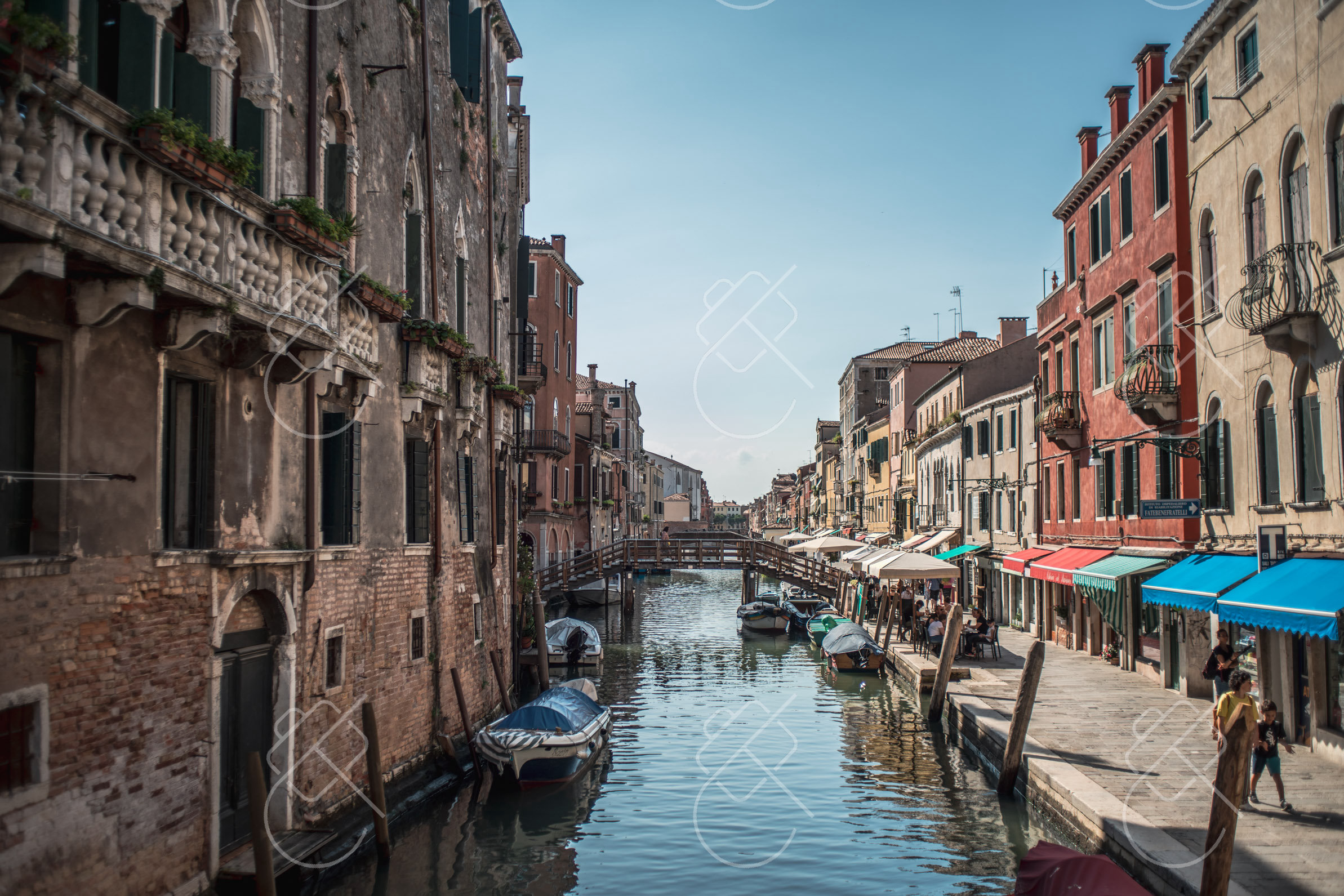 Food & culture
By Clever Tourists · Published
Cicchetti, sarde in saor and baccalà mantecato are the three foods that define Venice. Cicchetti are the small bar snacks of the bacari, the city's old wine bars; sarde in saor are sweet-and-sour sardines with onions; and baccalà mantecato is dried cod whipped with olive oil and spread on bread or polenta. Venetian food is a lagoon cuisine of fish, rice and polenta, with spices left over from the trade with the East, and it has little to do with the pizza and lasagne sold near St. Mark's. We spent 3 days in Venice at the turn of July and August 2023, after 4 days in Bologna and before we went on to Zagreb. Below are 12 foods with where to find each and one ordering tip, then the Rialto market, cover charges and a one-day plan.
• Cicchetti. Small snacks eaten standing at the bar of a bacaro: crostini, fried meatballs (polpette), stuffed olives, half-eggs with anchovy, slices of salami. Where: bacari in Cannaregio, around the Rialto and in the Dorsoduro side streets near Campo Santa Margherita. Tip: point at what you want, order an ombra (a small glass of house wine) or a spritz, and eat standing up; sitting at a table often costs more.
• Sarde in saor. Fried sardines layered with onions cooked in vinegar, often with raisins and pine nuts, and left to marinate. It was a sailors' dish because the vinegar kept it for days. Where: on the counter of almost every bacaro, and as a starter in osterie. Tip: it is better a day after making, so it is fine to order the cicchetto version from a tray rather than looking for it freshly made.
• Baccalà mantecato. Dried stockfish soaked, poached and beaten with olive oil until it turns into a white, airy cream. Where: bacari across the city, on crostini or grilled polenta. Tip: order it on polenta at least once; the warm, soft polenta is the Venetian pairing.
• Bigoli in salsa. Thick wholewheat spaghetti with a sauce of slowly cooked onions and anchovies. Where: osterie and trattorie serving Venetian food. Tip: it is a lean, old Lenten dish; do not expect cheese on it, and do not ask for any.
• Seppie al nero. Cuttlefish cooked in its own black ink, served with white polenta. Where: trattorie in Cannaregio and Castello. Tip: the same ink makes the black risotto you will see in Croatia; if you are heading to Zagreb or the coast next, this is the original.
• Fegato alla veneziana. Thin slices of calf's liver cooked fast with a mass of soft onions. Where: traditional trattorie. Tip: if you avoid liver elsewhere, try it here; the onions do most of the work.
• Risi e bisi. Rice and young peas cooked to a thick, almost spoonable consistency, traditionally a spring dish. Where: osterie, mainly in spring. Tip: it is wetter than risotto on purpose; it should be eaten with a spoon.
• Moeche. Small soft-shell crabs from the lagoon, fried whole, available only for short windows in spring and autumn when the crabs moult. Where: seafood restaurants and some bacari. Tip: if you see them, order them; you will not find them the rest of the year.
• Fritto misto. Mixed fried fish and seafood, sometimes sold in a paper cone to take away. Where: takeaway fry shops and restaurants. Tip: the cone version is a cheap lunch on a fondamenta bench.
• Tramezzini. Soft, crustless triangle sandwiches stuffed thick with tuna, egg, shrimp or ham. Where: bars across the city. Tip: the cheapest quick lunch in Venice, best eaten at the counter with a coffee.
• Spritz. White wine, sparkling water and a bitter aperitivo, a Veneto institution. Venetians often order it with Select, a local bitter, rather than Aperol. Where: any bacaro from late afternoon. Tip: ask for 'spritz Select' if you want the Venetian version.
• Frittelle and Burano biscuits. Frittelle are fried Carnival doughnuts, sometimes filled with cream or zabaglione; buranelli are the butter biscuits of Burano. Where: pastry shops, frittelle only in the weeks around Carnival (see our Venice Carnival guide), buranelli on Burano and in Venice bakeries. Tip: buranelli keep for weeks, so they make a good edible souvenir.
The Rialto market, at the foot of the Rialto Bridge on the San Polo side, is the reason to be up early. The fish market (Pescheria) runs Tuesday to Saturday from early morning (about 7 to 7:30am) until around midday or early afternoon, and is closed on Sunday and Monday, when there is very little fresh fish anywhere in the city. The produce stalls alongside run Monday to Saturday. The bacari in the streets behind the market open from late morning and are busiest at lunch and from about 6pm.
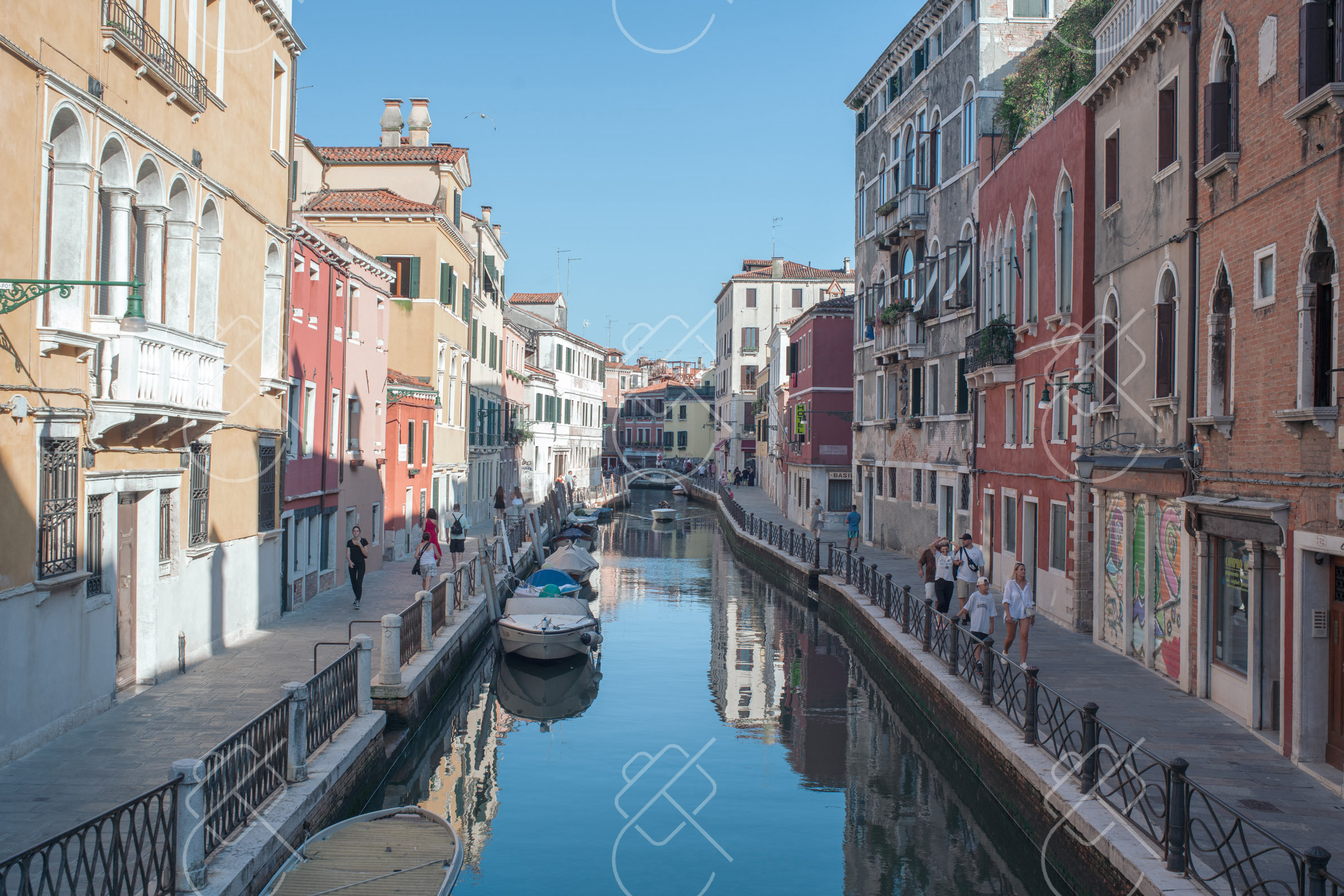
Cannaregio, along the Fondamenta della Misericordia and the Fondamenta degli Ormesini, holds a run of bacari and osterie where Venetians drink and eat in the evening. Avoid the restaurants with photo menus and touts on the routes between the station and St. Mark's; the food on those streets is the least Venetian in the city.
For where to stay near the food areas, see where to stay in Venice; our Venice guide recommends Cannaregio for flat walking from the station.
Most sit-down restaurants charge a coperto (cover charge) per person, and in Venice you will also see servizio, a percentage service charge added to the bill. Both are legal if printed on the menu. Our coperto guide explains what each covers and when a tip is expected on top; with servizio on the bill, you do not need to add one.
Standing at the bar is almost always cheaper than sitting, for coffee as well as cicchetti. Order a cappuccino in the morning, not after dinner; our guide to what is considered rude in Italy covers the rest. Day-trippers on fee days must also pay the Venice access fee; overnight guests are exempt but still need a QR code.
Morning: the Rialto fish market (Tuesday to Saturday), then a coffee standing at a bar in San Polo.
Lunch: cicchetti in the bacari behind the market: baccalà mantecato on polenta, sarde in saor and a polpetta, with an ombra.
Afternoon: a tramezzino or a cone of fritto misto by a canal in Cannaregio, and buranelli to take home.
Evening: a spritz Select on the Fondamenta della Misericordia, then bigoli in salsa or seppie al nero with polenta in an osteria. If you are travelling on to Bologna or Verona, see what to eat in Bologna and what to eat in Verona; our Italy food guide explains the regional rules, and how many days in Venice helps you plan your stay.
Cicchetti, the small snacks served in bacari, plus sarde in saor (sweet-and-sour sardines), baccalà mantecato on polenta, bigoli in salsa and cuttlefish in black ink.
Small bar snacks such as crostini, polpette, half-eggs with anchovy and baccalà on polenta, eaten standing at the bar of a bacaro with an ombra or a spritz.
Tuesday to Saturday, from early morning until around midday or early afternoon, so go early. It is closed on Sunday and Monday; the produce stalls run Monday to Saturday.
Check the bill first. Many Venice restaurants add a coperto and a servizio charge; with servizio on the bill you do not need to add a tip.
Get our new Italy guides and practical tips by email: where to stay, what to eat, what things cost and the rules that catch travelers out.
Free. No spam, only new guides and tips.
Search verified local fleets with low security deposits and exact model delivery on Localrent.
Compare Italy hotels and get the best deals on Booking.com.