Home
About us
Destinations
Travel Guides
Recipes
Featured
Photos As Art
Abstract Prints
Locations
Travel Gear
Travel Resources
Favorites
Photo Framer
Explore Photos
ContactBologna sits at the heart of Emilia-Romagna, the Italian region most food writers quietly agree produces the country's best cooking. Its terracotta rooftops, medieval towers, and miles of covered porticoes make it one of Italy's most walkable and least crowded old cities, a deliberate contrast to Venice or Florence.
Published February 24, 2026
Tap any photo to open it full-screen and order a print.
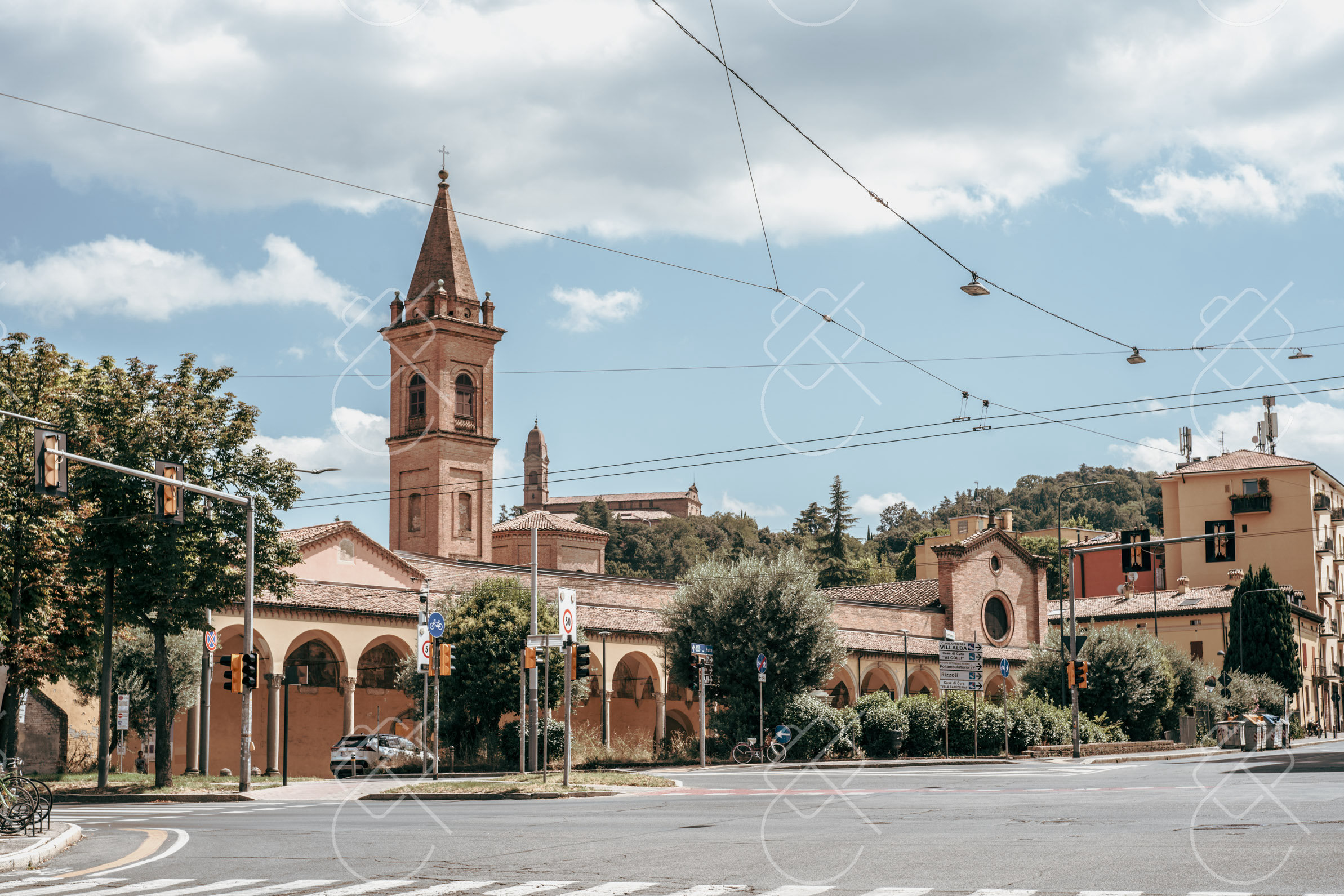
Bologna trades gondolas and crowds for terracotta rooftops, miles of covered porticoes, and the best food in Italy — a red brick university city that rewards slow walking over checklist sightseeing.
Locals have three nicknames for Bologna, and each one earns its keep. "La Rossa" for the burnt-orange rooftops and the leftist politics that have long defined the city. "La Dotta" (the learned one) for the University of Bologna, founded in 1088 and still the oldest continuously operating university in the Western world. And "La Grassa" (the fat one), because this is the city that gave the world tagliatelle al ragù, tortellini in brodo, and mortadella — the real ancestor of what most countries call bologna.
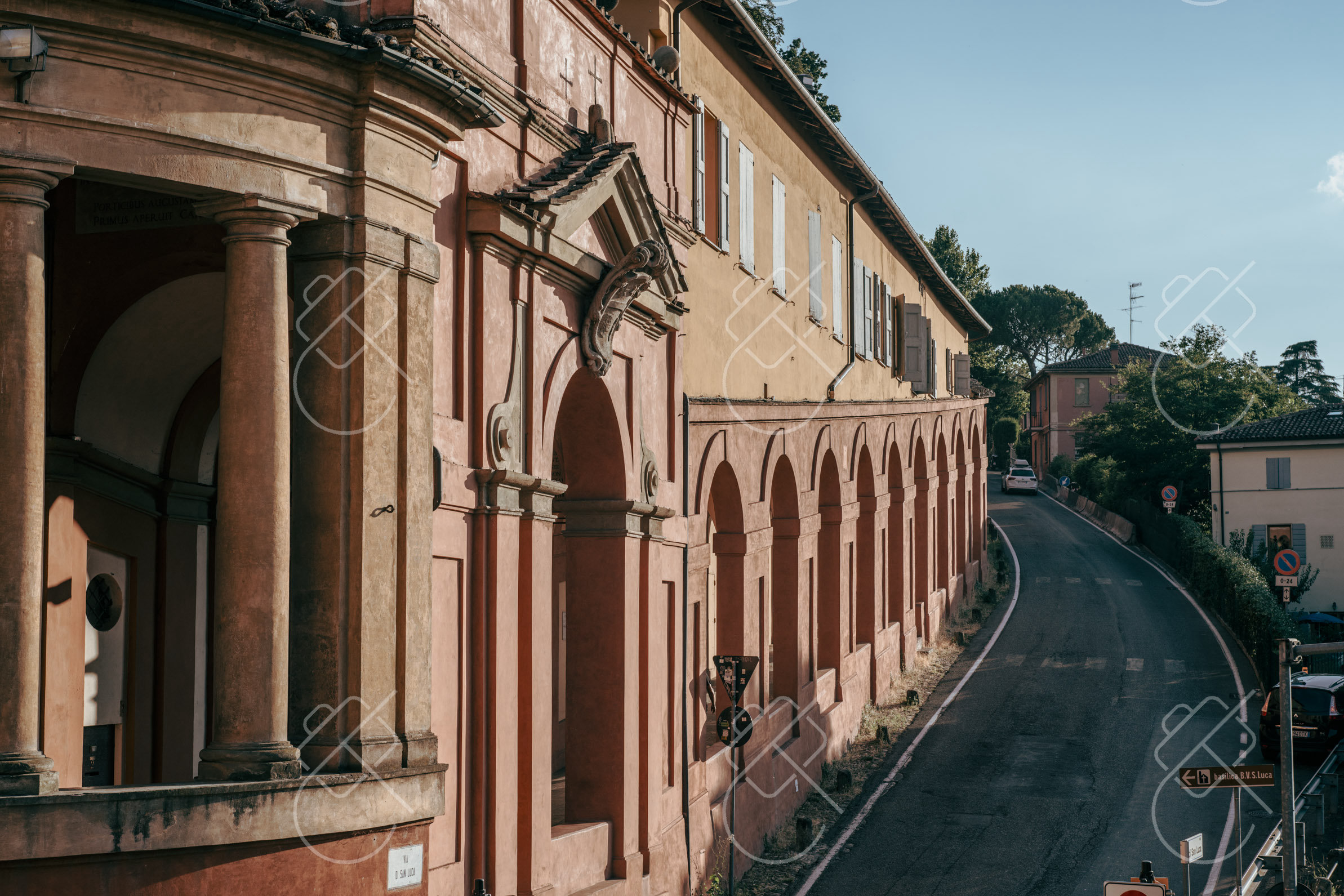
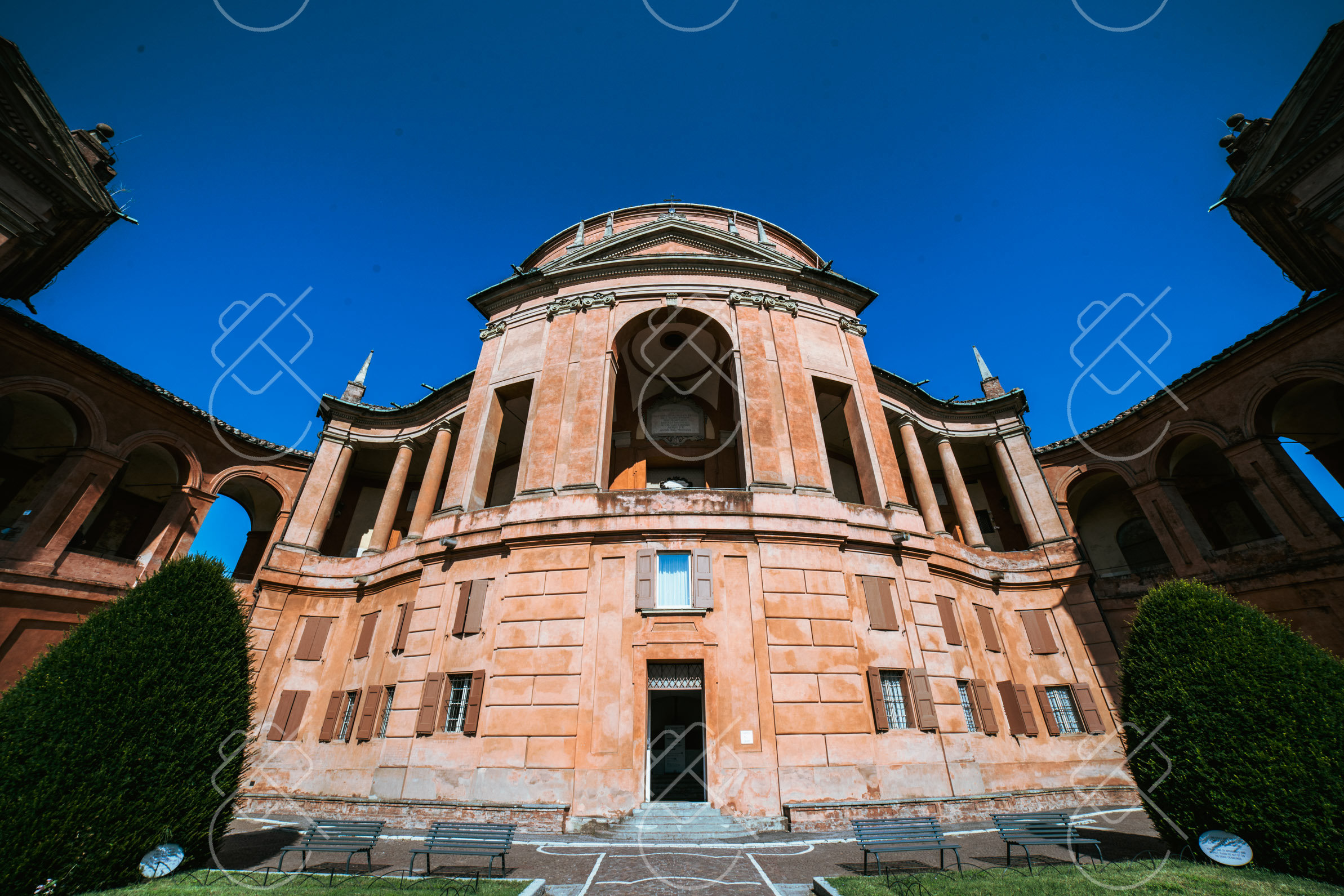
Portico di San Luca, the world's longest covered walkway
The skyline is anchored by the Due Torri, a pair of leaning medieval towers that once numbered over a hundred across the city, built by rival noble families racing to out-build one another. Torre degli Asinelli still climbs nearly 100 meters via a wooden staircase, and the payoff at the top is a rooftop panorama of that same burnt-orange sea. At street level, over 38 kilometers of covered porticoes let you cross the entire city center without an umbrella, a network so extensive UNESCO added it to the World Heritage list in 2021.
April to June or September to October, when the weather is mild enough for walking the porticoes at length. Bologna's summer heat is heavy and humid, and much of the city empties out in August as locals head to the coast.
Base yourself near Piazza Maggiore or the Quadrilatero market streets for postcard porticoes and easy walking; choose Via Zamboni and the university quarter instead for cheaper rooms and a livelier, more local feel.
This is the birthplace of tagliatelle al ragù (the real Bolognese, always with flat ribbon pasta, never spaghetti), tortellini served in brodo, and mortadella by the slice from a Quadrilatero deli counter.
Look up as often as you look ahead — the porticoes hide carved keystones, faded frescoes, and centuries-old brickwork most visitors walk straight past. Climb Torre degli Asinelli early to beat both the heat and the line for its narrow wooden stairs.
Compare stays in Bologna and get the best deals on Booking.com.
Before setting out for Bologna, Italy, World Nomads was the travel insurance policy we picked to cover the unexpected.
Transit cards, local customs, visa rules, and practical travel guides for this region.
See every destination from the 526-day journey:
Browse all destinationsCurious about the gear behind these photos? See the gear list.