By Clever Tourists · Published · Last updated
January is a good month for Tokyo if you dress for the cold: it is the sunniest month of the year, with dry, clear days from about 1°C at dawn to 10°C in the afternoon, and after the first few days it is one of the quieter, cheaper times to visit. The Japan Meteorological Agency's 1991 to 2020 normals give Tokyo an average January high of 9.8°C (50°F), a low of 1.2°C (34°F), just 59.7 mm of rain and 192.6 hours of sunshine, the most of any month. The catch is 1 to 3 January, when shrines are packed for hatsumode and many museums, gardens and small restaurants close. From 4 January the city is back to normal, with the January sumo tournament (10 to 24 January 2027), winter sales and Marunouchi's illuminations running until 14 February. We spent 9 days in Tokyo in March and April 2023, not in January, so the figures below come from official sources.
This page contains affiliate links. If you book or buy through them we may earn a commission, at no extra cost to you.
• Best weather: the whole month is dry and bright. Mornings are near freezing, afternoons comfortable in the sun.
• New Year atmosphere: 1 to 3 January for shrine visits; see our hatsumode 2027 guide.
• Normal opening hours: from Monday 4 January 2027, when banks reopen.
• Fewest crowds and lower prices: weekdays from about 12 January to the end of the month, avoiding the 11 January holiday weekend.
• Events: the Grand Sumo tournament, Coming of Age Day kimono on 11 January, the firefighters' New Year review on 6 January.
For the rest of Japan in winter, including snow in the Alps and Kanazawa, see our Japan in winter guide. This page covers Tokyo only.
January is Tokyo's coldest month but also its driest-feeling and sunniest. Snow falls on a few days in a typical winter; JMA's normal for total January snowfall is just 4 cm, and it rarely lies for long. Humidity averages 51%, so skin and lips dry out, especially in heated rooms.
Days are short. The National Astronomical Observatory of Japan gives Tokyo sunrise at 6:50 and sunset at 16:38 on 1 January 2027, sunset moving to 17:07 by 31 January. Plan outdoor sights for the morning and keep the evening for food, illuminations and onsen-style baths.
| Month | Avg high | Avg low | Precipitation | Sunshine |
|---|---|---|---|---|
| December | 12.0°C / 54°F | 3.8°C / 39°F | 57.9 mm | 174.4 h |
| January | 9.8°C / 50°F | 1.2°C / 34°F | 59.7 mm | 192.6 h |
| February | 10.9°C / 52°F | 2.1°C / 36°F | 56.5 mm | 170.4 h |
New Year (shogatsu) is Japan's main family holiday, and Tokyo empties of commuters while shrines fill up. The pattern for 2026 to 2027:
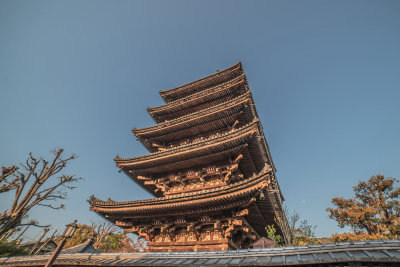
• Shrines and temples: open and at their busiest. Meiji Jingu stays open all night on 31 December; Senso-ji in Asakusa is the other big crowd. Go early on 2 or 3 January, or after 4 January, for a calmer visit.
• Imperial Palace East Gardens: closed 28 December to 3 January (Imperial Household Agency), and on Mondays and Fridays all year.
• Toyosu Market: closed 31 December to 4 January; the first market day is Tuesday 5 January. Tsukiji Outer Market shops largely follow the same calendar.
• Banks: closed 31 December to 3 January. Convenience-store ATMs keep working.
• Department stores: many close on 1 January and open their first sale on 2 January. Isetan Shinjuku, for example, closed on New Year's Day 2026 and started its sale on 2 January; 2027 dates are normally posted in December.
• Still running: trains on holiday timetables, convenience stores, most chain restaurants and big hotels. Small family restaurants and bars are the ones most likely to close for several days.
• New Year Greeting at the Imperial Palace: held on 2 January in recent years, when the public may enter the palace grounds. The Imperial Household Agency had not published the 2027 details as of 11 November 2026.

Practical travel tips, straight to your inbox. Unsubscribe anytime.
Public holidays are from the Cabinet Office; the sumo dates from the Japan Sumo Association; the firefighters' review from the Tokyo Fire Department.
| Date | What | Notes |
|---|---|---|
| 1 to 3 Jan | Hatsumode, first shrine visits | 1 January is the only public holiday; see our hatsumode guide |
| 2 Jan (usual) | Department store sales and fukubukuro lucky bags | Check each store's December announcement |
| 4 Jan (Mon) | Banks and offices reopen | Normal opening hours resume |
| 5 Jan (Tue) | First Toyosu market day of 2027 | The year's first tuna auction; closed 1 to 4 Jan |
| 6 Jan (Wed) | Tokyo Fire Department New Year review (dezome-shiki) | Ceremony seats by lottery; free equipment display at Ariake Garden |
| 10 to 24 Jan | January Grand Sumo Tournament, Ryogoku Kokugikan | Tickets on sale 5 December 2026; see where to stay for sumo |
| 11 Jan (Mon) | Coming of Age Day (public holiday) | Young adults in kimono and suits at shrines and ward ceremonies |
| Until 14 Feb | Marunouchi Illumination | Free, about 16:00 to 23:00; see our illuminations guide |
January is Tokyo's main sale season. Department stores and fashion buildings open their first sale of the year (hatsuuri) in the first days of January, and many sell fukubukuro, sealed lucky bags whose contents are worth more than the price.
From 1 November 2026 Japan's tax-free shopping became a refund system: you pay consumption tax in the shop and reclaim it when you leave Japan. Keep receipts and your passport handy; our tax-free shopping guide explains the steps.
Winter is the best season to see Mount Fuji from Tokyo, because the air is dry and January has the most sunshine of the year. Fuji is roughly 100 km from central Tokyo, so mornings, before haze builds, usually give the clearest view.
Free and paid viewpoints both work: the Tokyo Metropolitan Government Building's observation deck in Shinjuku is free, and Shibuya Sky sells timed slots, including sunset, when Fuji can appear as a silhouette on clear days. On a clear January morning, a day trip toward the mountain makes sense too; see our Mount Fuji day trip guide.
Pack a wind-blocking coat, a thermal base layer for mornings, gloves and a scarf. Indoors is heated, so layers you can take off beat one heavy coat. Bring moisturiser and lip balm for the dry air, and shoes you can slip off at restaurants and temples. Our Japan packing list has the full list.
Hotel rates peak over New Year's Eve and the first days of January, then usually ease for the rest of the month, except around the 11 January holiday weekend and the sumo tournament's final weekend near Ryogoku. Compare areas in where to stay in Tokyo, and if you are moving on to Kyoto, our Japan in winter guide covers the long-distance train rush up to 5 January.
Yes, if you are fine with cold mornings. It is Tokyo's sunniest month (192.6 hours on JMA normals), crowds are low after the first week, and the sumo tournament runs 10 to 24 January 2027.
JMA normals give an average high of 9.8°C (50°F) and low of 1.2°C (34°F). Snow is rare and seldom lies for long.
Many museums, gardens, banks and small restaurants close around 1 to 3 January, the Imperial Palace East Gardens from 28 December to 3 January, and Toyosu Market until 4 January. Shrines, trains and convenience stores stay open.
Occasionally. JMA's normal total snowfall for January is only 4 cm, so most days are dry and clear.
Monday 11 January 2027, a national holiday, according to the Cabinet Office.
Often, yes. Winter's dry air and January's long sunshine make it the best season, and clear mornings give the best chance from free viewpoints like the Tokyo Metropolitan Government Building.
Practical travel tips, straight to your inbox. Unsubscribe anytime.
Entry rules change, and they depend on your nationality — always confirm the current requirements on the official government site before you book or apply. Only use official government (.gov) portals; ignore look-alike agency sites.
Look at one-way and return fares to Tokyo on Kiwi.com.