Home
About us
Destinations & Country Guides
Travel Guides
Recipes
Featured
Photos As Art
Abstract Prints
Locations
Travel Gear
Travel Resources
Favorites
Photo Framer
Explore Photos
Contact Trip planning
By Clever Tourists · Published · Last updated
Vietnam is cheap, long and varied, and the two things that catch first-time visitors out are the visa (Americans, Canadians, Australians and New Zealanders need an e-visa; many Europeans do not) and the weather, which is a different season in Hanoi, Hoi An and Ho Chi Minh City in the same month. Add a full ban on vapes since 2025, a cash-first economy with two look-alike blue banknotes, and motorbike rules that most rental shops ignore. Here are 17 things to know, each linked to our deeper guide where we have one. We spent about a month in Vietnam from 20 April to 19 May 2023, from Hanoi and Ninh Binh through Hue, Hoi An, Da Lat and Nha Trang to Ho Chi Minh City and Can Tho. The rules below come from official sources checked in October 2026.
1. Check whether you need the e-visa. Vietnam's e-visa is open to every nationality, lasts up to 90 days and costs US$25 for single entry or US$50 for multiple entry, and the only official site is evisa.gov.vn, run by the Immigration Department. Citizens of the UK, Germany, France, Italy, Spain, Japan, South Korea, the Nordic countries and a few others can instead stay up to 45 days without a visa under an exemption running to 14 March 2028. US, Canadian, Australian and New Zealand travellers need the e-visa. See Vietnam e-visa and do I need a visa for Vietnam.
2. Apply early and match your entry point. Processing is usually reported at about 3 working days, the fee is not refunded if you are refused, and the e-visa is tied to the dates and the airport or border gate you choose. Your passport needs at least six months of validity from arrival.
3. Leave the vape at home. Vietnam's National Assembly banned e-cigarettes and heated tobacco from 1 January 2025, and Decree 371, in force since 31 December 2025, fines users 3 to 5 million dong (roughly US$115 to $190) with devices confiscated on the spot. The UK Foreign Office says you cannot buy vapes in Vietnam or bring them in. Drug penalties are severe whatever the amount.
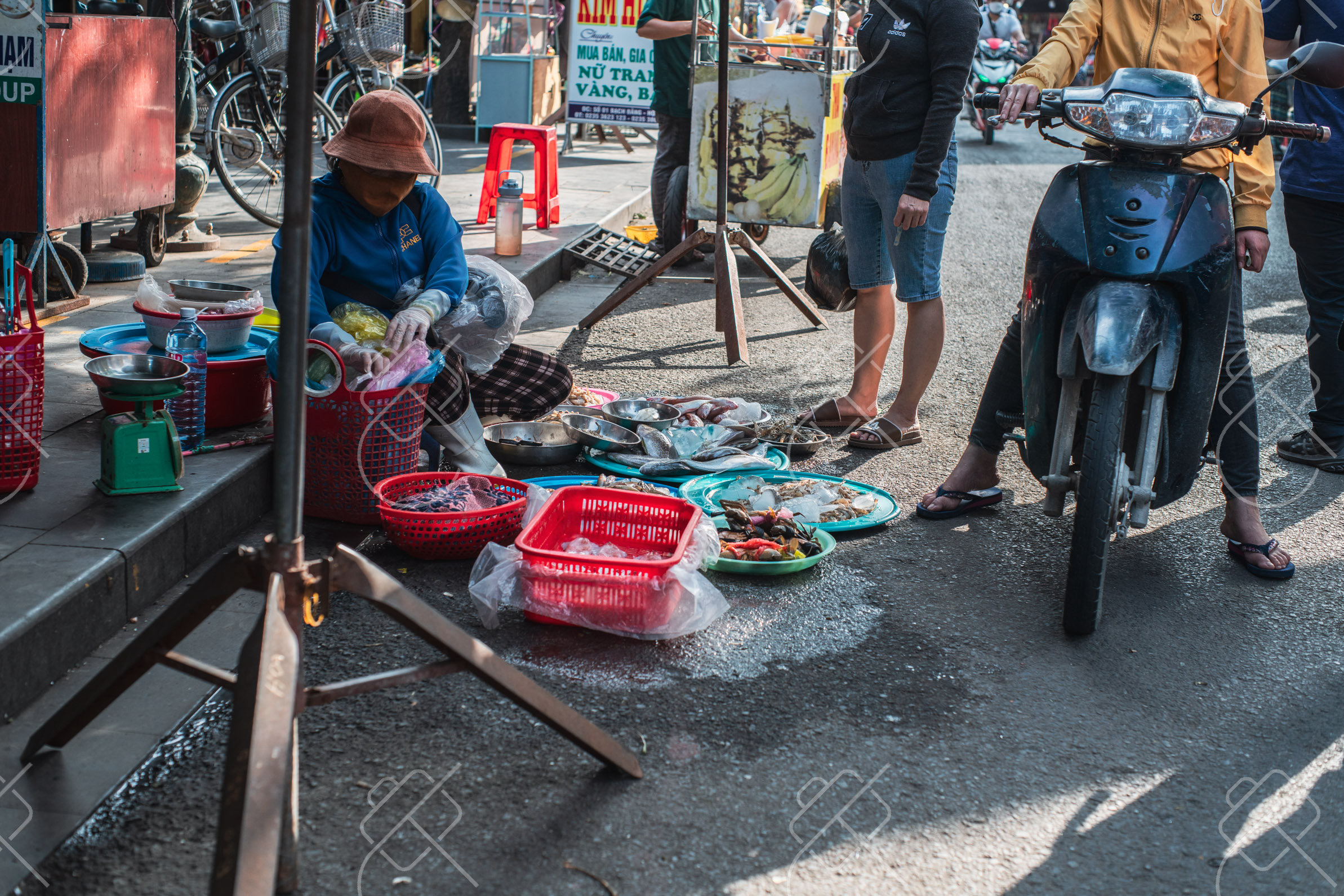
4. Vietnam runs on cash. Hotels, bigger restaurants and Grab take cards, but street food, markets, small cafés and many guesthouses want dong. Bring two cards on different networks, use bank ATMs, and pick dong rather than your home currency on the screen. Change money only at banks or official counters, as the UK Foreign Office advises.
5. Watch the two blue notes. The 20,000 and 500,000 dong polymer notes are both blue and easy to confuse, which turns a coffee into a very expensive one. Keep large and small notes in separate pockets and count your change. Prices drop the last three zeros in conversation, so "50" usually means 50,000 dong.
6. Tipping is optional, except for guides. Tipping is not traditional in Vietnam, and nobody expects it at a noodle stall, but it has become close to expected for multi-day tour guides and drivers. Details in tipping in Vietnam, and daily budgets in how much a trip to Vietnam costs.
7. Some sights sell their own tickets. Hoi An's Ancient Town ticket is 120,000 dong for foreign visitors in 2026 and covers the old town plus several heritage sites for up to three days: see Hoi An Ancient Town ticket.
8. Book rides in an app. The UK Foreign Office recommends pre-arranged transport or official apps such as Grab or Xanh SM, with the whole journey booked in the app, and warns about "free" bus transfers from airports and stations. In Hanoi and Ho Chi Minh City, Grab is the simplest way to avoid taxi meter games.
9. Riding a motorbike is legally harder than renting one. Vietnam recognises foreign licences only with an international driving permit under the 1968 Vienna Convention, which the UK Foreign Office says you need alongside your licence. The US issues permits under the 1949 convention, so US visitors are generally not licensed to ride, and riding without a valid licence can void travel insurance. Helmets are compulsory. More in is Vietnam safe to visit.
10. Cross the road slowly and steadily. Traffic in Hanoi and Ho Chi Minh City flows around a pedestrian who walks at a steady pace; stopping or running is what causes accidents. Bag snatching from passing motorbikes is the most common theft in Ho Chi Minh City, so carry bags on the side away from the road.
11. Use trains, buses and short flights for distance. Hanoi to Ho Chi Minh City is over 1,700 km, so most two-week trips mix the Reunification Express, sleeper buses and one or two domestic flights. See Vietnam train travel, Hanoi to Hue and our 2-week Vietnam itinerary. Hanoi's Train Street is officially restricted: read Hanoi Train Street rules before you go.
12. Get data with your passport handy. Carrier kiosks at the main airports sell tourist SIMs and register them to your passport on the spot; a travel eSIM installed at home avoids the queue. Vietnam has tightened SIM registration rules in recent years, so a data-only eSIM is the least hassle if you do not need a Vietnamese number.
13. Plugs are two-pin at 230 volts. WorldStandards lists Types A, B and C at 230V and 50Hz. Many sockets take both flat US pins and round European pins, so a small universal adapter covers it; UK visitors need one.
14. Do not drink the tap water. The CDC's Yellow Book says tap water in Vietnam is unsafe to drink. Use bottled or filtered water; ice in established restaurants and hotels is normally from commercial suppliers.
15. Know the emergency numbers. In Vietnam it is 113 for police, 114 for fire and rescue and 115 for ambulance. Hospitals may want payment upfront from foreign patients, which is one reason travel insurance matters.
16. Plan around regional weather and Tết. From December to February the south is dry and hot while Hanoi is cool and grey, and the central coast around Hoi An and Hue has its rainy season and typhoon risk from about September to December. Tết 2027 falls on Saturday 6 February, with the official holiday from 4 to 10 February; many family businesses close and transport runs full. See Vietnam in January, best time to visit Hanoi, best time to visit Ho Chi Minh City and Tết 2027.
17. Dress for temples and receive with both hands. Pagodas and temples ask for covered shoulders and knees, and taking your shoes off is common in prayer halls and homes. Vietnamese manners are about small gestures: hand over and receive things with both hands. Read what is considered rude in Vietnam, temple dress code in Vietnam and what to wear in Vietnam. For where to go, see our Vietnam guide, Hoi An guide and 3 days in Hanoi.

Yes. Americans, Canadians, Australians and New Zealanders need an e-visa from evisa.gov.vn, which costs US$25 single entry or US$50 multiple entry and lasts up to 90 days. UK, German, French, Italian, Spanish, Japanese and Korean citizens, among others, can stay up to 45 days visa-free.
No. E-cigarettes and heated tobacco have been banned since 1 January 2025, and since 31 December 2025 users can be fined 3 to 5 million dong with devices confiscated.
Only with a licence plus an international driving permit under the 1968 convention. The US issues 1949-convention permits, so most US visitors are not licensed to ride, and riding unlicensed can void travel insurance.
113 for police, 114 for fire and rescue and 115 for an ambulance.
Get our new Vietnam guides and practical tips by email: where to stay, what to eat, what things cost and the rules that catch travelers out.
Free. No spam, only new guides and tips.
Search verified local fleets with low security deposits and exact model delivery on Localrent.
Compare stays in Vietnam and get the best deals on Booking.com.