Home
About us
Destinations & Country Guides
Travel Guides
Recipes
Featured
Photos As Art
Abstract Prints
Locations
Travel Gear
Travel Resources
Favorites
Photo Framer
Explore Photos
Contact Etiquette & culture
By Clever Tourists · Published
Vietnamese manners are built on respect shown through small gestures rather than words, and visitors mostly get them wrong by being too casual rather than too formal. The single most useful thing to learn is that you receive things with both hands — it is the gesture that carries the most weight and costs nothing.
Receive anything — a cup, a menu, change, a gift — with both hands. This applies to adults in particular, and it reads as respect. Handing over money with one hand, palm down, is the gesture to avoid.
Give with both hands when it matters: a gift, a business card, something offered to an older person.
Slight bow of the head accompanies the two-handed exchange in formal settings. You do not need to bow deeply; the hands do the work.

Do not touch an adult's head. The head is the highest part of the body and touching it is intrusive. Children are sometimes an exception within families, not for strangers.
Do not point with one finger. Use an open hand, or gesture with your chin. Pointing a single finger at someone is aggressive.
Feet are low. Do not put your feet on furniture or point them toward a person or an altar.
Do not touch or move anything on a family altar, and do not sit with your back to one where you can avoid it. These are in homes and shops as well as temples.
Do not photograph a shrine or altar without asking. Some families are fine with it, some are not, and there is no way to tell.
Dress for temples: shoulders and knees covered. Entry to the inner sanctuary is often restricted regardless of dress.
Our temple dress code for Vietnam and Bali covers the clothing side.
Bargaining is expected in markets and never in shops or restaurants. Haggling in a supermarket with fixed prices is the wrong move; so is paying the first price at a market stall.
Do not lose your temper. As across much of the region, visible anger causes loss of face and makes the situation harder, not easier.
Gifts are offered, not demanded — if someone gives you something and you refuse it outright, that is the awkward moment. Accept, then reciprocate later.
Tipping is not traditional but has become normal in tourist-facing restaurants and for guides. Our Vietnam tipping guide covers the exceptions.
Wait to be seated and shown where to sit at a hosted meal, and let the host invite you to start.
Chopsticks are not left upright in rice — the funeral association again.
Sharing dishes is normal, and taking the last piece without offering it round is the small breach that people notice.
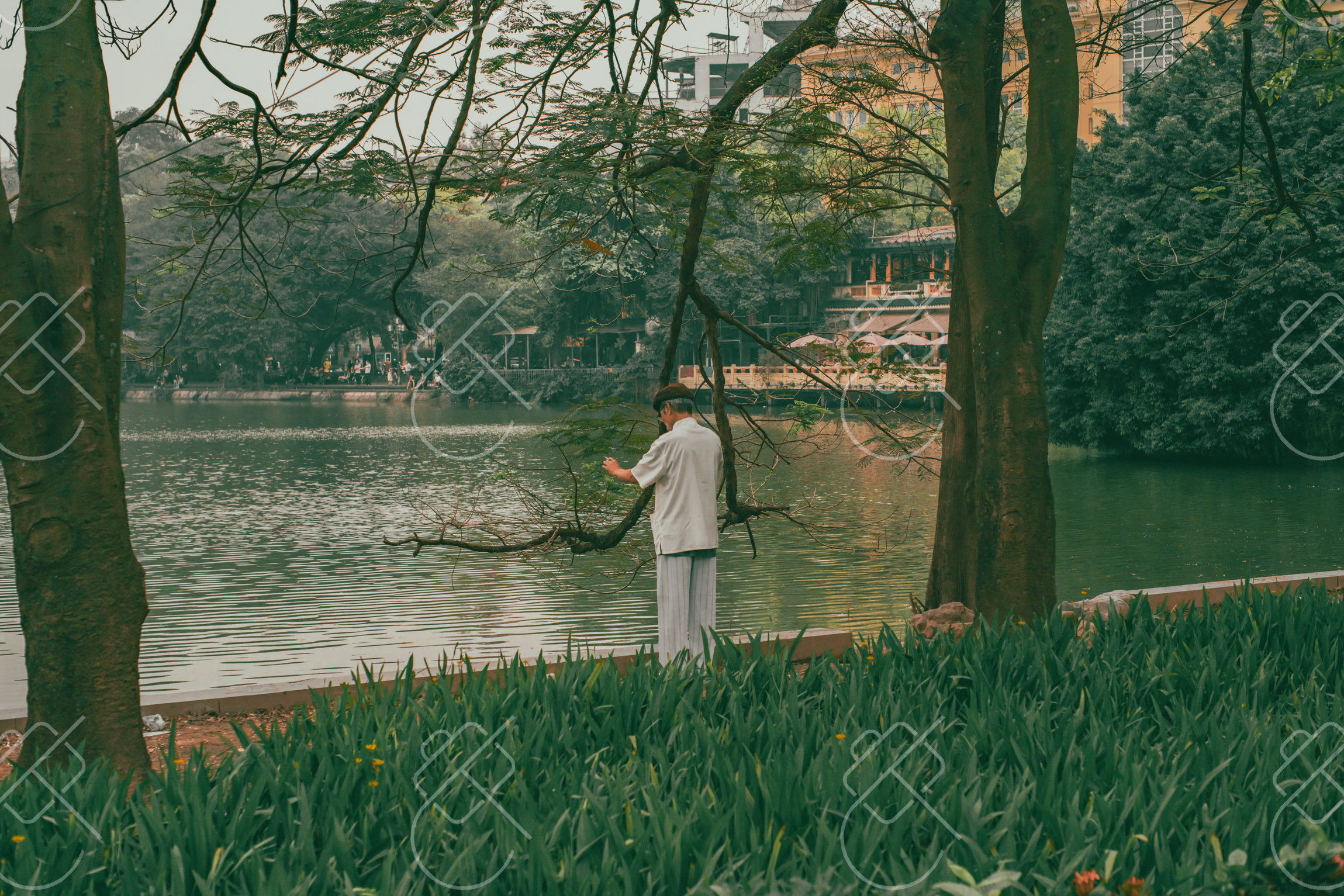
It signals respect, particularly toward someone older. Receiving with one hand, palm down, is the gesture to avoid.
Yes. The head is the highest part of the body and touching an adult's head is intrusive.
At markets, yes — it is expected. In shops and restaurants with fixed prices, no.
Yes. Shoulders and knees covered, and inner sanctuaries are often closed to visitors regardless of dress.
Get our new Vietnam guides and practical tips by email: where to stay, what to eat, what things cost and the rules that catch travelers out.
Free. No spam, only new guides and tips.
Search verified local fleets with low security deposits and exact model delivery on Localrent.
See the best deals on Vietnam hotels right now on Hotels.com.