
Home
About us
Destinations
Travel Guides
Recipes
Featured
Photos As Art
Abstract Prints
Locations
Travel Gear
Travel Resources
Favorites
Photo Framer
Explore Photos
ContactHoi An was one of Southeast Asia's great trading ports for four centuries, and its Ancient Town survived the wars that reshaped the rest of Vietnam almost untouched — a compact grid of merchant houses, Chinese assembly halls, and a single covered bridge that UNESCO added to the World Heritage list in 1999. Cars are banned from its center, so the town moves at the pace of bicycles and lantern-lit foot traffic, especially after dark, when thousands of paper lanterns turn the riverside into the town's real spectacle.
Published August 4, 2025
Tap any photo to open it full-screen and order a print.
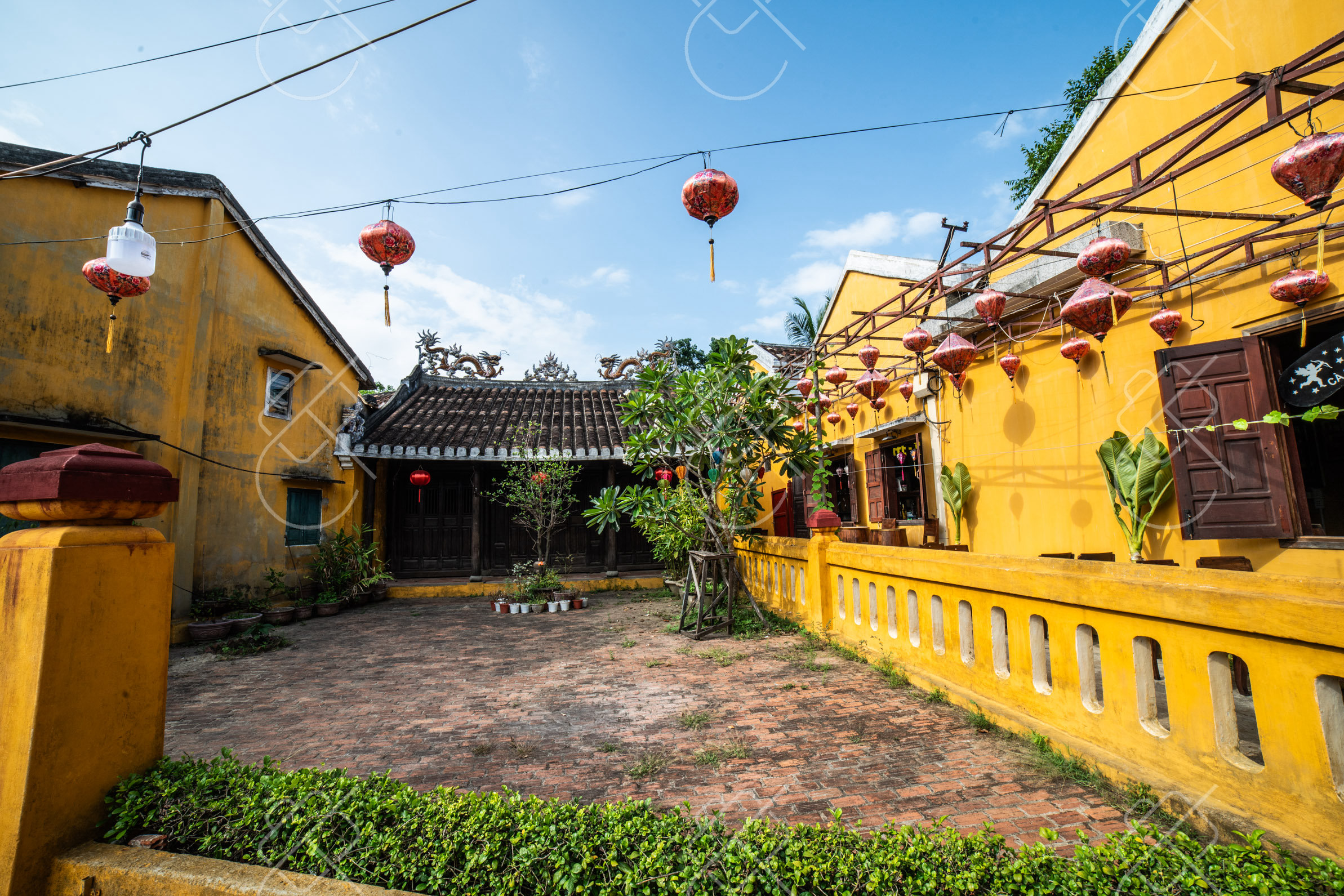
Hoi An is Vietnam's lantern-lit trading port turned open-air museum, a car-free Ancient Town of merchant houses and tailor shops where the Thu Bon River glows after dark.
The Ancient Town's low, yellow-ochre shophouses were built by Chinese, Japanese, and Vietnamese merchants between the 15th and 19th centuries, when Hoi An (then called Faifo) was one of Southeast Asia's busiest ports. That mix of cultures left a distinct architectural record: the Japanese Covered Bridge, built in the 1590s to link the Japanese and Chinese quarters; ornate Chinese assembly halls with dragon-carved roofs; and centuries-old family homes still lived in by the same lineages that built them, some open for a small fee to walk through their courtyards and altars.
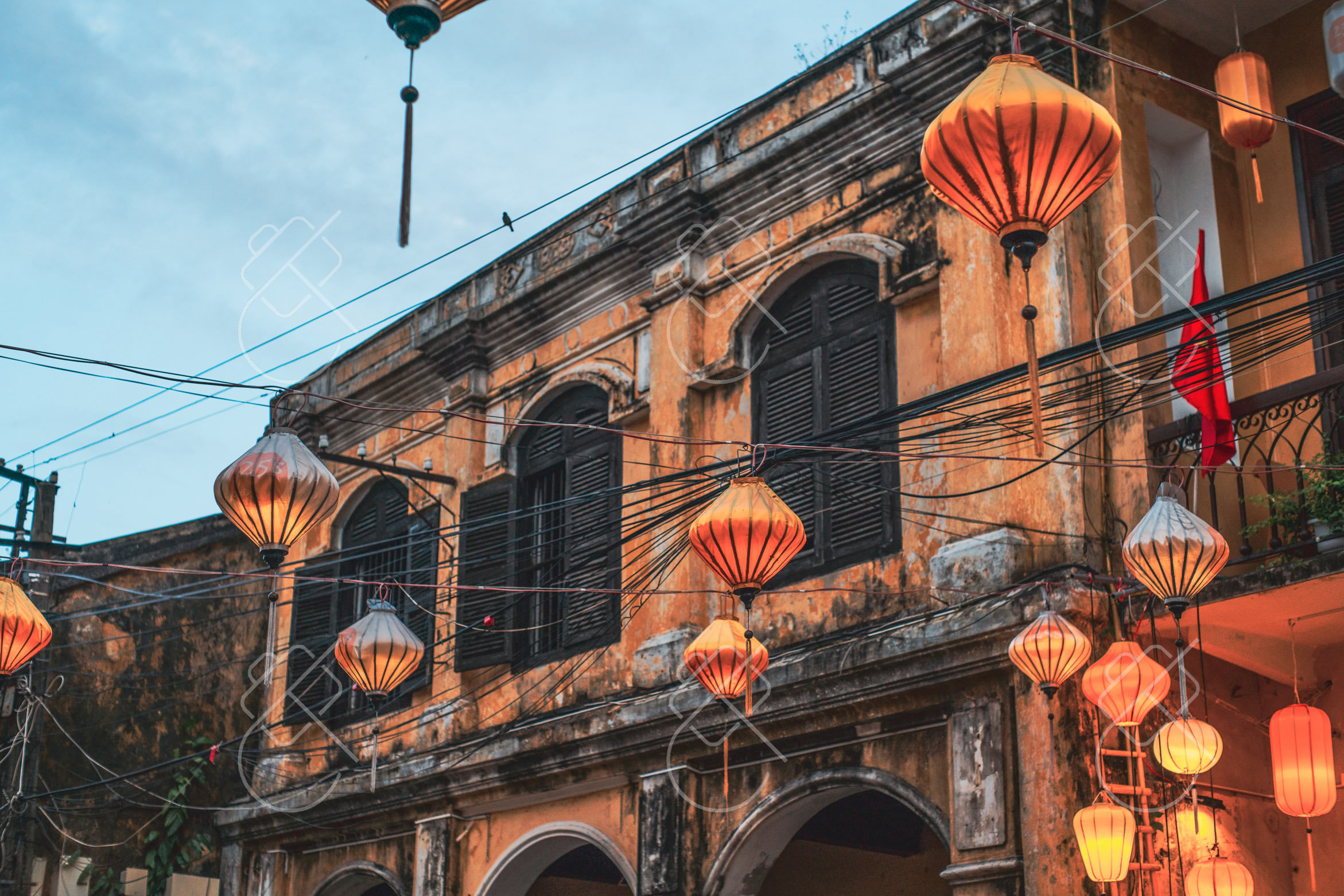
Silk lanterns glowing over the Ancient Town streets at dusk
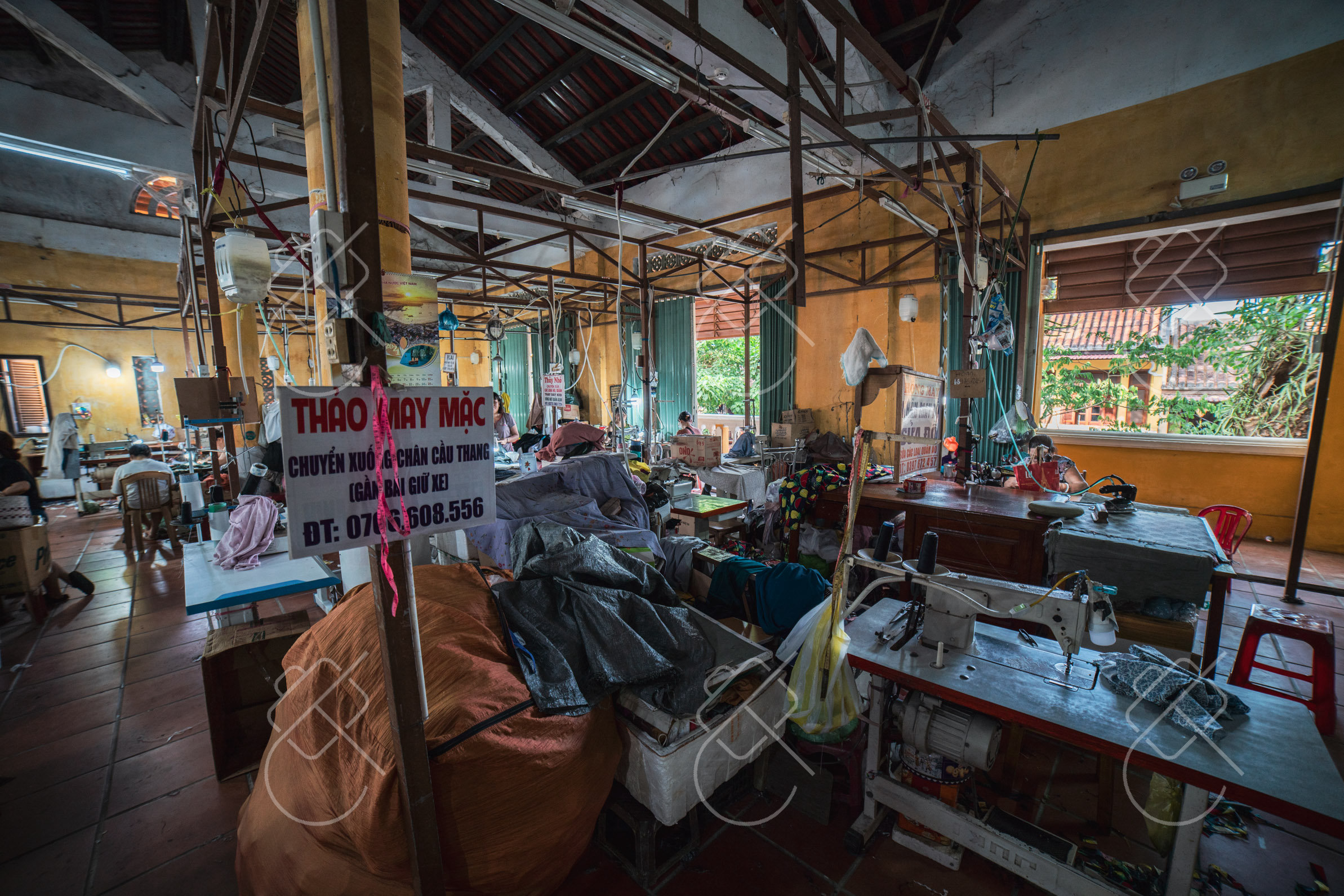
After sunset, the town changes character entirely. Shopfronts switch off their electric signage in favor of paper lanterns, required by local ordinance in the old quarter, and the Thu Bon River fills with small wooden boats carrying tourists and locals releasing floating lantern candles onto the water. On the 14th day of each lunar month, the town holds its Lantern Festival: all electric lights go dark and the entire Ancient Town runs on lantern light and candle glow alone. By day, Hoi An remains one of Vietnam's tailoring capitals, with hundreds of shops able to turn around a custom suit or dress in 24 to 48 hours, and a short drive inland leads to the jungle-covered Cham ruins of My Son, a Hindu temple complex that predates Angkor Wat.
February to April for the driest weather and comfortable heat before the summer humidity sets in; the Full Moon Lantern Festival happens monthly regardless of season, so time a visit around the 14th lunar day if that's the draw.
Base yourself walking distance from the Ancient Town's pedestrian core to be close to the lanterns after dark, or across the river in Cam Nam for a quieter, more local stay a short walk from the same lights.
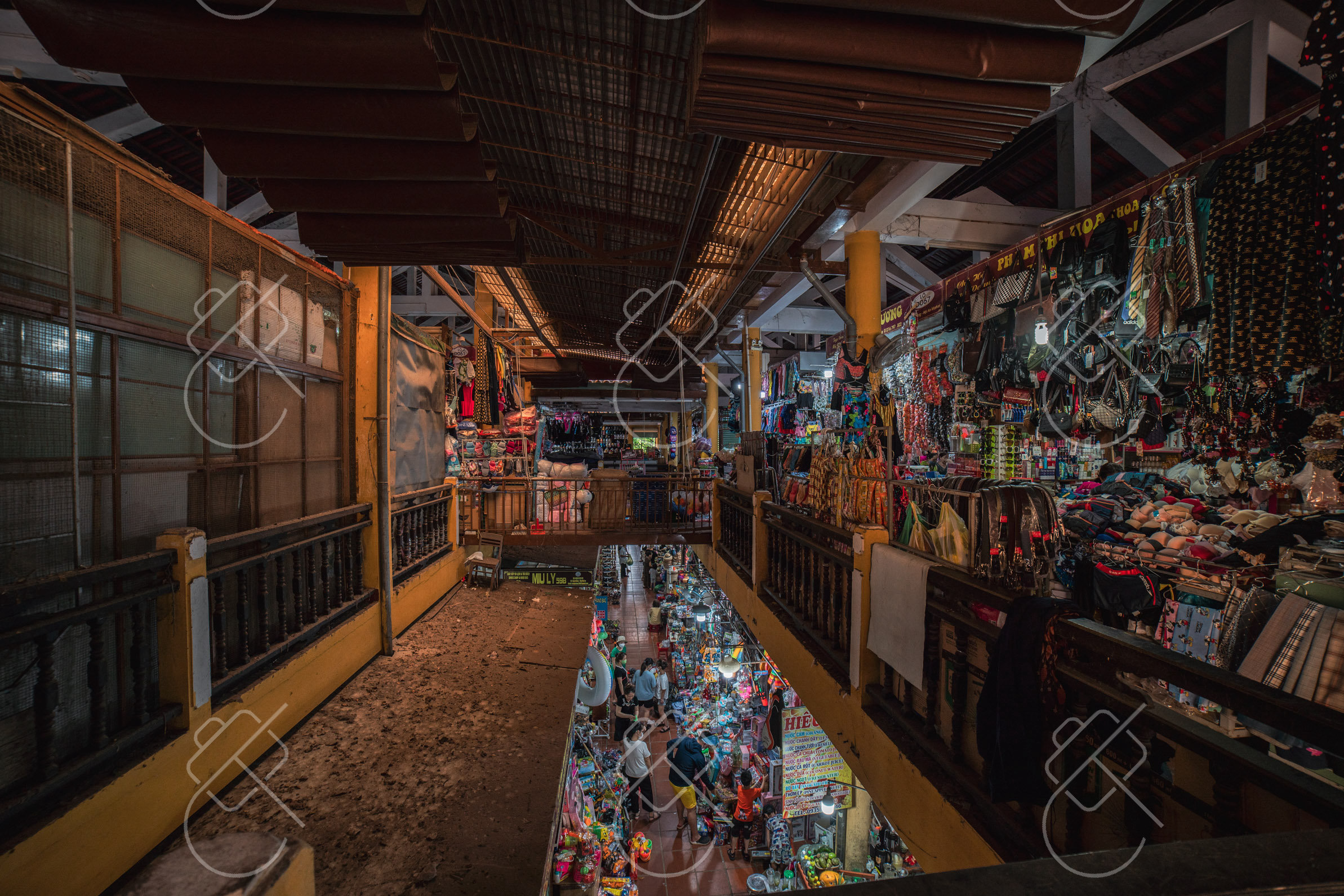
Cao lau (a Hoi An-specific noodle dish with pork and greens, made only with well water from the region) and banh mi are the two dishes to seek out, alongside the night market's grilled skewers and banana pancakes.
Book any custom tailoring on your first day in town, not your last — a good suit or dress typically needs at least one fitting and adjustment, and rushing it on your final afternoon limits how much can be corrected.
Compare Hoi An hotels and get the best deals on Booking.com.
We had World Nomads as our travel insurance, covering us for the entire Hoi An, Vietnam leg of the trip — one less thing to worry about.
Transit cards, local customs, visa rules, and practical travel guides for this region.
See every destination from the 526-day journey:
Browse all destinationsCurious about the gear behind these photos? See the gear list.