Home
About us
Destinations & Country Guides
Travel Guides
Recipes
Featured
Photos As Art
Abstract Prints
Locations
Travel Gear
Travel Resources
Favorites
Photo Framer
Explore Photos
Contact Road trips & driving
By Clever Tourists · Published
Yes: in Romania the rovinieta is needed on all national roads, not just motorways, so any road trip outside a city needs one. Since 1 October 2026 the car price depends on the engine's Euro emission class: a one-day rovinieta costs 22 lei for a Euro 6 car and 29 lei for Euro 0 to 3, and a 10-day one 30 to 39 lei. At the same time Romania scrapped the separate car tolls on the Fetești–Cernavodă and Giurgeni–Vadu Oii Danube bridges. Our route was the classic one: we came in from Hungary at Oradea in October 2022 and went through Cluj-Napoca, Deva, Sibiu, Sighișoara, Brașov and Sinaia to Bucharest over three weeks. Almost every leg of that uses national roads where a rovinieta applies.
Free toolConvert to your own currency at live rates →Live mid-market rates for all 17 currencies we used, so you can see what a price actually costs.A new tariff order (Order MTI 888/2026) applies to any rovinieta whose validity starts on or after 1 October 2026. Prices are in lei, VAT included, and depend on the car's Euro emission standard, which is on the registration document:
• 1 day: 22 lei (Euro 6), 26 lei (Euro 4 to 5), 29 lei (Euro 0 to 3), 20 lei (electric) • 10 days: 30 / 35 / 39 lei, electric 27 lei • 30 days: 48 / 55 / 62 lei, electric 43 lei • 60 days: 76 / 87 / 99 lei, electric 68 lei • 12 months: 254 / 292 / 330 lei, electric 228 lei
A car whose Euro class is unknown is charged the highest (Euro 0) rate. At the Romanian central bank rate published on 30 September 2026, a 10-day pass for a Euro 6 car is about €6 (≈ $6.7). Older blogs still list the flat pre-October prices; ignore them.
For a visitor the choice is easy: the 10-day pass costs only 8 lei more than one day, so buy 10 days for any trip of two days or more, and 30 days for a longer loop like ours.
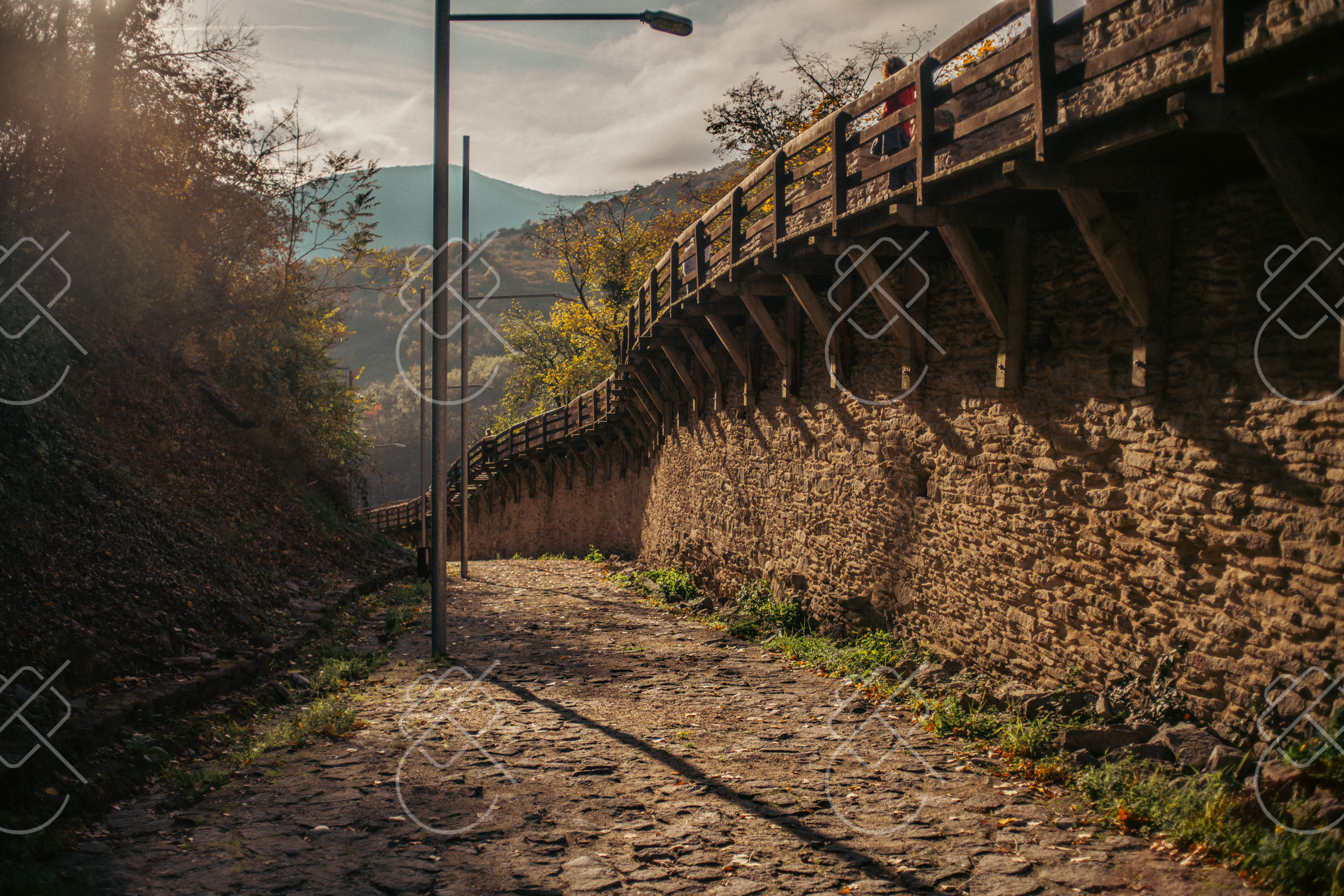
This is where Romania differs from Hungary and the Czech Republic. The UK Foreign Office puts it plainly: you must pay the rovinieta to use the national roads. That means the DN roads as well as the A-motorways, so the drive from Brașov to Sibiu, the road to Bran, and the Transfăgărășan (DN7C) are all covered by it. City streets and county roads are not.
In practice, if you leave a city by car you need one. Do not try to plan around it.
The official channels are the national road company CNAIR's e-toll portal (etoll.ro) and its TollRO app, authorised distributors, SMS payment, and CNAIR sales points. The UK Foreign Office notes it is also sold at border crossings and most fuel stations, which is where most drivers coming from Hungary buy it.
You need the plate number, the country of registration, the vehicle category and the start date. Check the plate carefully. Keep the receipt or confirmation: it is your proof if a notice arrives later.
Do not confuse it with TollRO, the new per-kilometre toll that started on 1 October 2026. That one is only for goods vehicles over 3.5 tonnes; cars and campervans under that weight just need the rovinieta.
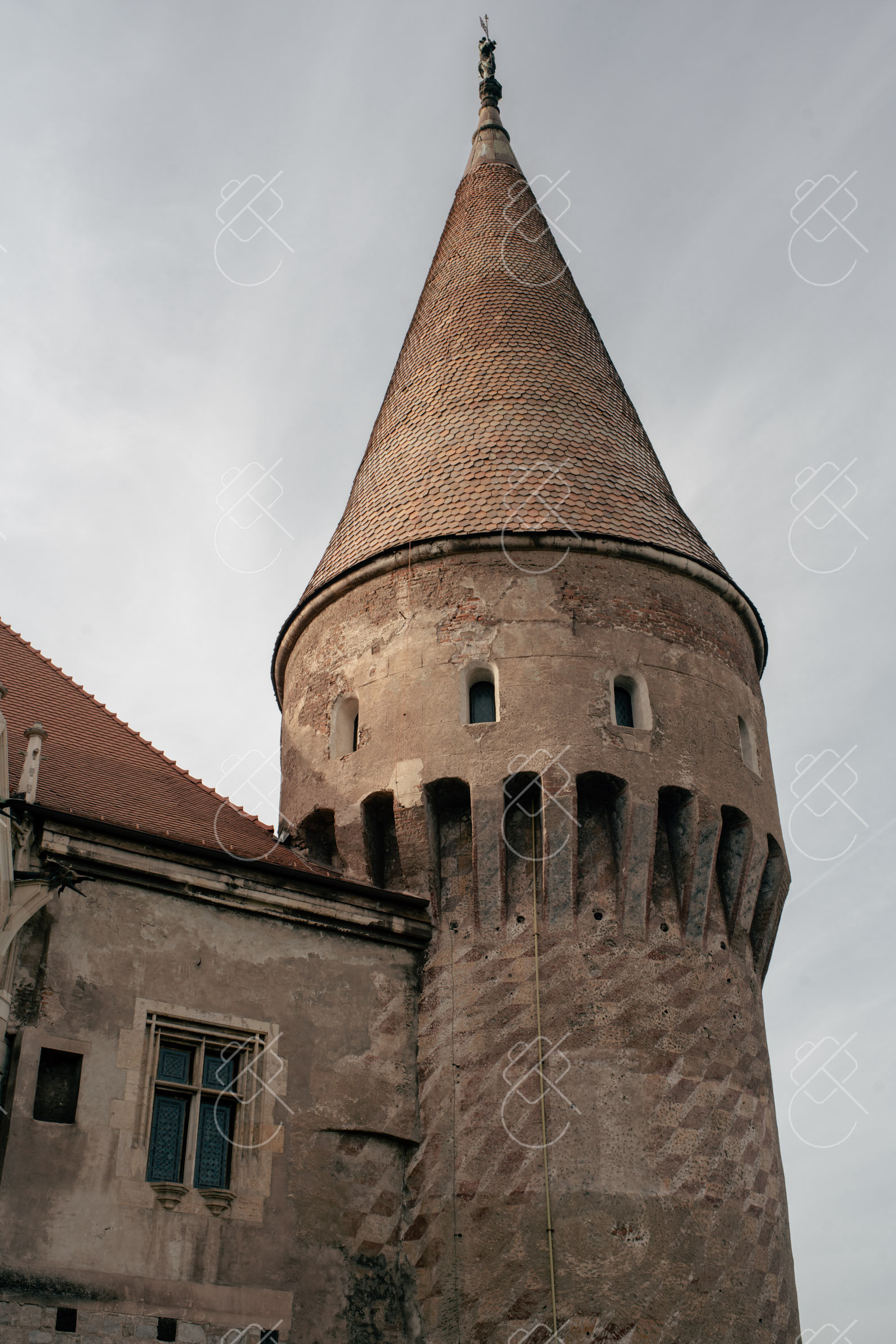
Romanian rental cars should already carry a valid rovinieta; ask at the desk and check its expiry date against your return date. A car rented in Hungary or elsewhere will not have one. Buy it before or at the border.
Coming from Budapest, you will also need a Hungarian vignette for the M3, M35 or M4 toward the border: see Hungary e-matrica. Our route went from Tokaj to Oradea, which is the northern of the main crossings; the drive on to Cluj-Napoca is then national road and motorway. Our Cluj-Napoca guide and Sibiu guide cover the stops.
From 1 October 2026 there is no car toll on the Fetești–Cernavodă bridges on the A2 to Constanța, or on Giurgeni–Vadu Oii (DN2A). Order MTI 913/2026 repealed both tariffs; before that the Fetești crossing cost a car 19 lei.
The border bridges into Bulgaria are separate. Going Giurgiu to Ruse there is no Romanian toll; in the Ruse to Giurgiu direction Bulgarian customs charge €2 (≈ $2.2) a car. The Calafat–Vidin bridge costs €6 (≈ $6.7) a car. These matter if you combine day trips from Bucharest with northern Bulgaria.
The UK Foreign Office warns that driving without a rovinieta can bring a heavy fine, and checks are made against the plate. We could not confirm the current fine amounts on an official source, so we leave them out; at under 40 lei for 10 days it is not worth testing.
The bigger issue is the roads themselves. The same advice notes that conditions vary, roads can be in a poor state, and you should expect double-parked cars, sudden braking around potholes, and horse-drawn carts, livestock and stray dogs in rural areas. Drink-driving with any alcohol in your system can mean a fine and imprisonment. Motorways are limited to 130 km/h (81 mph) and towns to 50 km/h (31 mph); limits on other roads vary, so follow the signs.
Plan shorter driving days than a map app suggests, especially on the DN1 through the Prahova valley between Brașov and Sinaia, and on mountain roads in October and later. Our best time to visit Romania article covers the seasons; the Transfăgărășan is closed for much of the year.
From 1 October 2026 it depends on the Euro class: for a Euro 6 car, 22 lei for 1 day, 30 lei for 10 days and 48 lei for 30 days. Euro 0 to 3 cars pay 29, 39 and 62 lei.
You need it on all national roads, including the DN roads and motorways. City streets and county roads do not require it.
On CNAIR's e-toll portal (etoll.ro) or the TollRO app. It is also sold at border crossings, most fuel stations, authorised distributors and by SMS.
No. The car toll on the Fetești–Cernavodă and Giurgeni–Vadu Oii bridges was abolished from 1 October 2026.
They should; check its expiry date at the desk. Cars rented abroad, for example in Hungary, will not have one.
Get our new Romania guides and practical tips by email: where to stay, what to eat, what things cost and the rules that catch travelers out.
Free. No spam, only new guides and tips.
Search verified local fleets with low security deposits and exact model delivery on Localrent.
Find the best deals on Romania accommodation with Booking.com.