
Home
About us
Destinations
Travel Guides
Recipes
Featured
Photos As Art
Abstract Prints
Locations
Travel Gear
Travel Resources
Favorites
Photo Framer
Explore Photos
ContactCentral Europe preserves some of the continent's most intact historic centers, where Gothic, Baroque, and Art Nouveau architecture survived the 20th century largely undamaged. The region rewards travelers with cobbled old towns to wander, grand riverside cities, and mountainous countryside dotted with castles and fortified churches. Prices remain lower than in Western Europe, and the cities are compact and easy to explore on foot.
Published May 25, 2026
Tap any photo to open it full-screen and order a print.
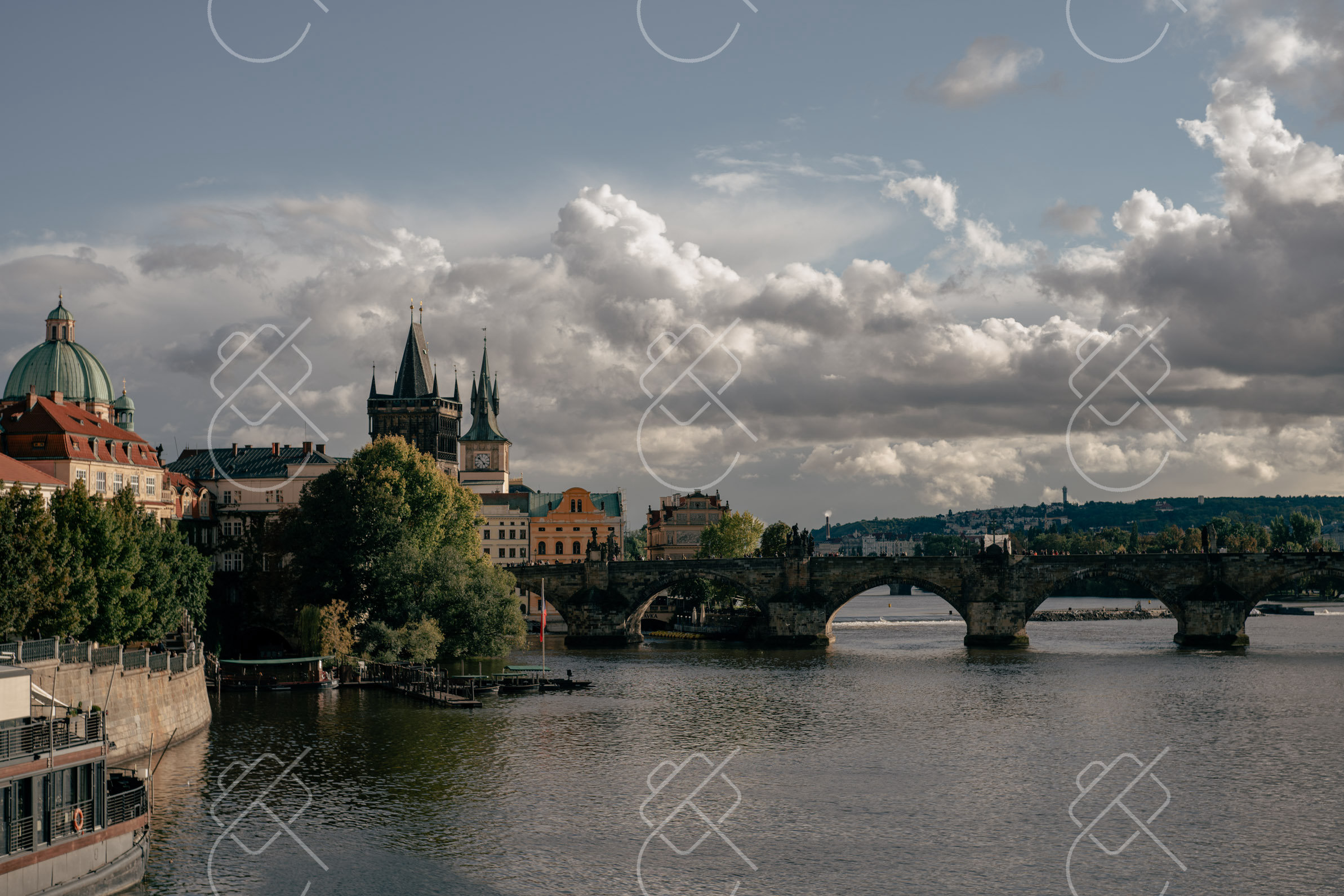
Czechia centers on Prague, one of Europe's best-preserved historic cities, but extends to spa towns, castle-crowned hills, and the vineyards of Moravia. The country escaped major wartime destruction, leaving a remarkable density of Gothic, Renaissance, and Baroque architecture intact. Mist often hangs along the Vltava River and over the rolling countryside, softening the spires and rooftops on early mornings.
Prague's old town is a compact maze of cobbled squares, church towers, and pastel facades, crossed by the medieval Charles Bridge and overlooked by the vast Prague Castle complex. The city's skyline has earned it the nickname 'the city of a hundred spires,' and viewpoints from the castle and Petřín Hill take in the full sweep of red rooftops.
Beyond the capital, the town of Český Krumlov wraps around a meandering river beneath a large castle, while spa towns such as Karlovy Vary line their valleys with ornate colonnades. The Bohemian and Moravian countryside offers rolling farmland, sandstone rock formations, and isolated chateaux.
May, June, and September deliver pleasant weather and thinner crowds in Prague, while December's Christmas markets and mulled wine make the cold worthwhile; July–August is busiest and priciest.
Prague's Old Town or Malá Strana put visitors a short stroll from the castle, river, and main squares.
Czech classics include svíčková (beef in cream sauce), goulash, roast pork with dumplings and sauerkraut, and trdelník pastries.
By late morning Prague's landmarks are packed, which makes an early start worth two things at once: empty streets and the gentlest light of the day.
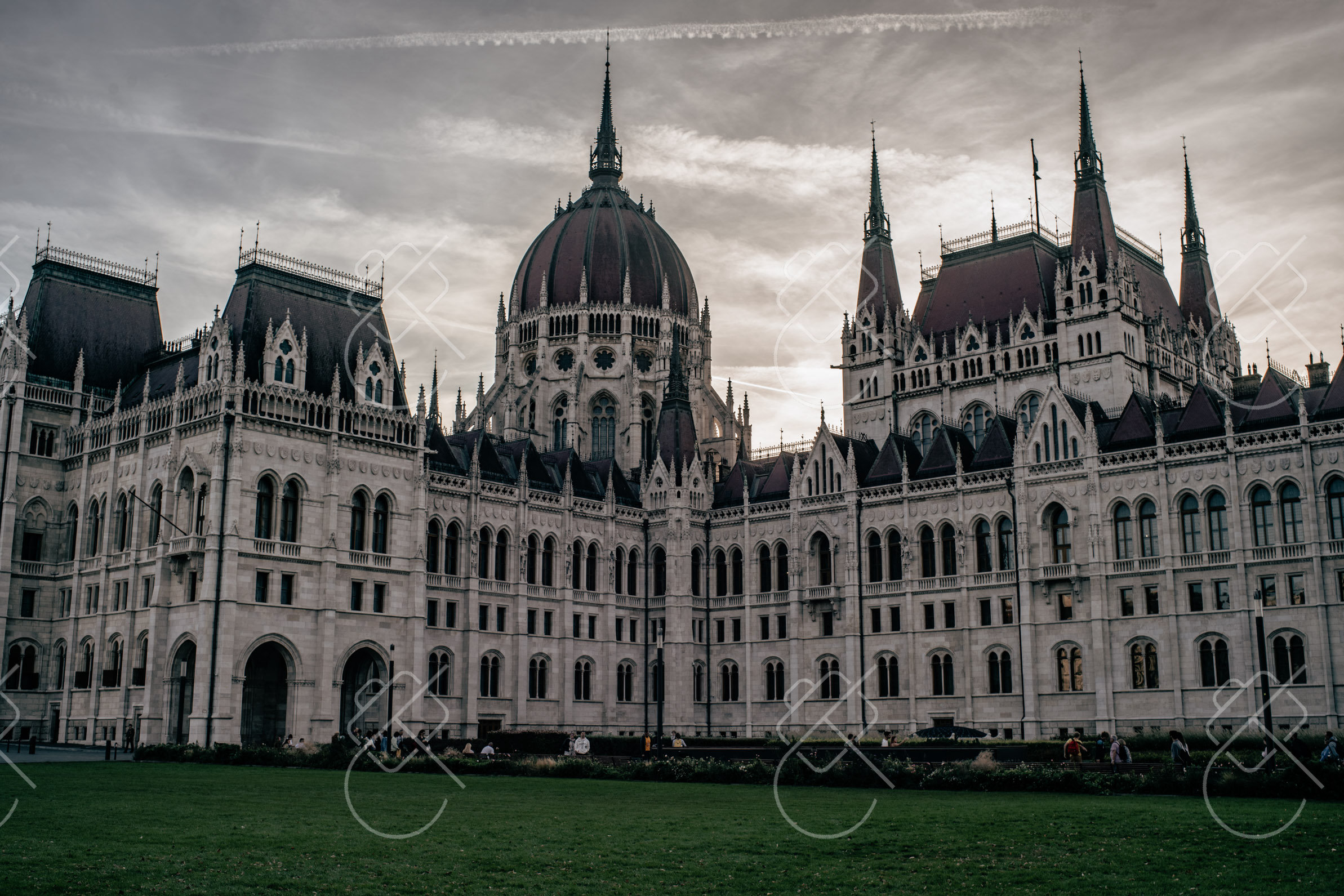
Hungary is anchored by Budapest, a grand city straddling the Danube with sweeping bridges, thermal baths, and ornate Habsburg-era architecture. Beyond the capital lie the vineyards of Tokaj, the lakeside towns of Balaton, and the wide grasslands of the Great Hungarian Plain. The Danube runs as the city's spine, and an evening stroll along the embankments takes in the floodlit palaces and bridges mirrored in the water.
Budapest is effectively two former cities joined across the Danube: hilly Buda, crowned by its castle and the Fisherman's Bastion, and flat Pest, home to the monumental Parliament building and grand boulevards. The river is spanned by landmark bridges, most famously the Chain Bridge, and the cityscape comes into its own once the monuments are lit at night.
The city is also defined by its thermal culture, with grand bathhouses such as Széchenyi and Gellért set in ornate buildings where locals soak and play chess in steaming pools. Outside Budapest, the Tokaj wine region offers terraced vineyards and cellars, while Lake Balaton draws visitors to its resort towns and the historic Tihany peninsula.
Late spring and early autumn are mild and ideal for Budapest's thermal baths and wine regions, with the August Sziget Festival drawing crowds; winter brings cosy bathhouses and festive markets.
Central Pest, near the Danube, places visitors close to Parliament, the baths, and the bridges leading across to Buda's castle hill.
Hungarian staples include goulash, paprika-rich chicken paprikás, lángos (fried dough), and chimney cake, paired with Tokaji wines.
Budapest's riverside monuments come alive in the brief window after sunset, when the floodlights are on but the sky still holds color, so time an evening walk to catch it.
grand riverside cities, and mountainous countryside dotted with castles and fortified churches
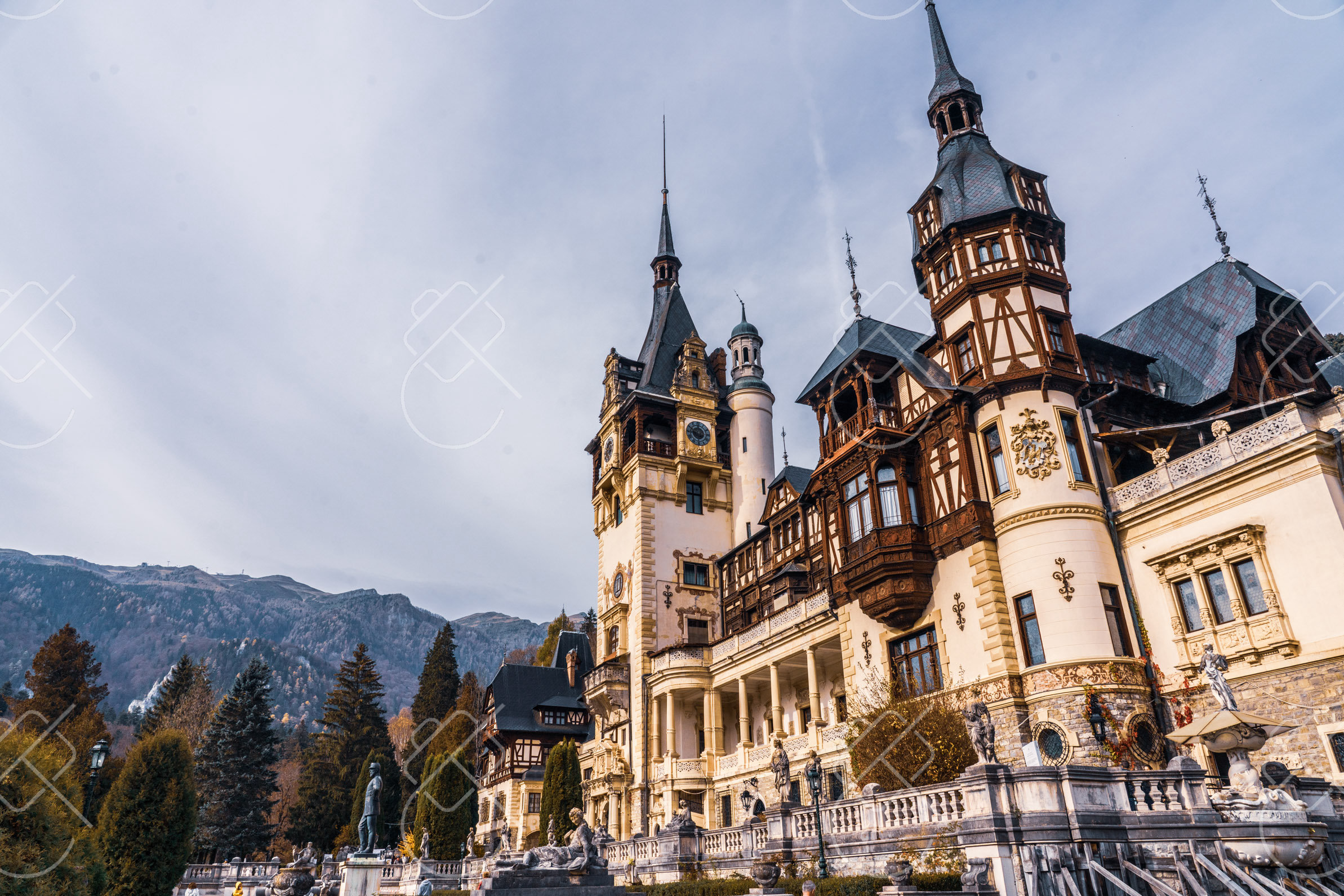
Romania offers some of Central Europe's wildest landscapes alongside fortified Saxon villages, painted monasteries, and Gothic and Baroque cities. The Carpathian Mountains arc through the country, sheltering dense forests, dramatic mountain passes, and hilltop castles. Its relative remoteness has preserved both medieval architecture and rural traditions that have largely vanished elsewhere.
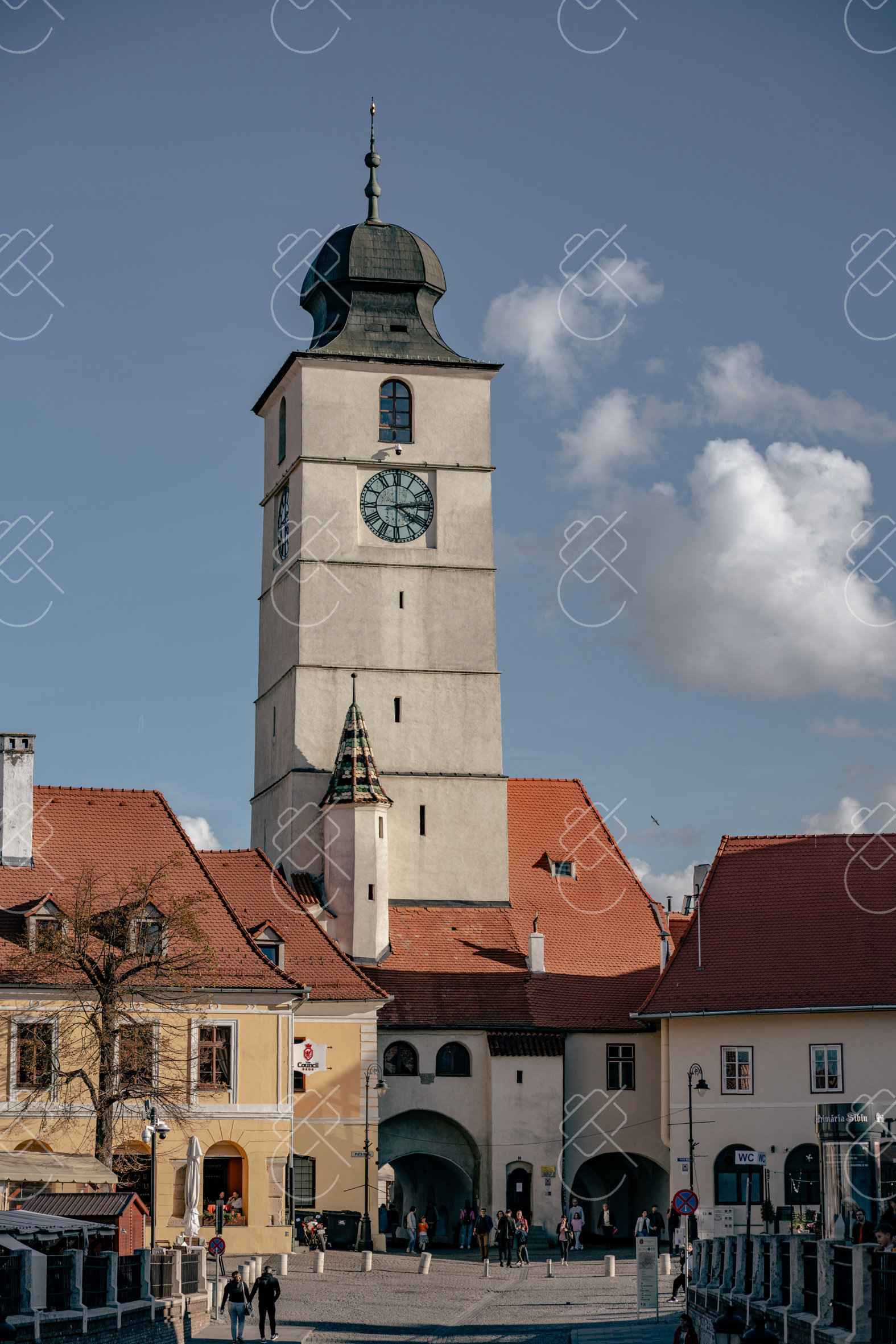
The historic region of Transylvania is dotted with fortified churches and medieval towns such as Sighișoara and Brașov, their pastel squares ringed by towers and citadel walls. Castles including Bran and the Gothic Corvin Castle add dramatic silhouettes, while the painted monasteries of Bucovina in the northeast carry brilliant frescoes across their outer walls.
Romania's mountain scenery is among the most dramatic in the region. The Transfăgărășan and Transalpina roads climb in tight switchbacks across the Carpathians, passing glacial lakes and high passes, while the Danube Delta in the southeast forms a vast wetland of channels and reedbeds rich in birdlife.
Transylvania's castles and Carpathian hikes are best tackled in May and June or September, when the weather turns warm and comfortable; the Black Sea coast has its own summer season, and winter brings skiing and snow-dusted medieval towns instead.
Brașov is a well-connected base for Transylvania, close to Bran Castle, fortified villages, and Carpathian trailheads.
Traditional dishes include sarmale (stuffed cabbage rolls), mămăligă (polenta), mici (grilled meat rolls), and ciorbă sour soups.
The Transfăgărășan road is typically only open from roughly late June to October due to snow, so check conditions before planning a mountain drive.
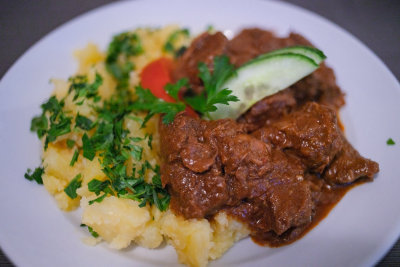
This rich, paprika-laced beef stew is the soul of Hungarian cooking, simmered slowly until the meat is meltingly tender and served here over buttery mashed potato with fresh parsley. A cool slice of cucumber and tomato cut through the deep, savory gravy, making it a hearty introduction to Central European comfort food.
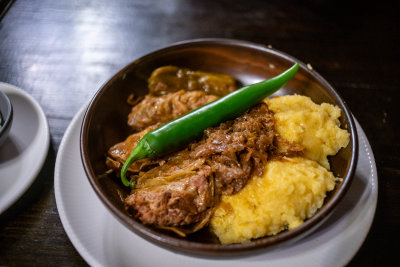
Sarmale — cabbage rolls of spiced pork and rice, slow-simmered until tender — are Romania's national comfort dish, served with mămăligă (polenta) and sour cream.
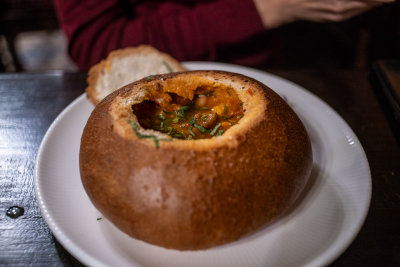
Romania's beloved sour soup, or ciorbă, is ladled steaming into a hollowed-out round loaf so the crust soaks up every drop of the tangy, herb-flecked broth. Crowned with a torn-off bread lid, it is rustic, warming, and the kind of dish that defines a chilly day in the Carpathian heartland.
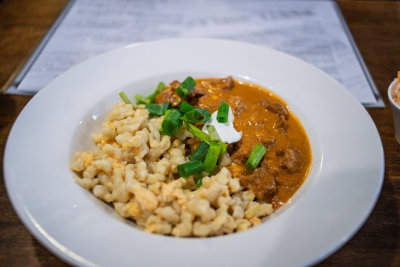
A rich, paprika-red meat stew served in a wide bowl alongside a small portion of buttery pasta or nokedli dumplings. It is the kind of hearty, slow-cooked dish that defines Hungarian home cooking.
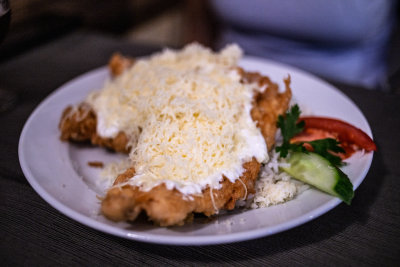
A golden breaded and fried meat cutlet plated with steamed rice and a fresh side salad. Crisp schnitzel-style cutlets like this are a staple on Central European menus.
Explore regional routes with verified local fleets, zero hidden charges, and transparent insurance on Localrent.
Get the best deals on your Central Europe flight before fares rise — Expedia.
Transit cards, local customs, visa rules, and practical travel guides for this region.
See every destination from the 526-day journey:
Browse all destinationsCurious about the gear behind these photos? See the gear list.