
Home
About us
Destinations
Travel Guides
Recipes
Featured
Photos As Art
Abstract Prints
Locations
Travel Gear
Travel Resources
Favorites
Photo Framer
Explore Photos
ContactOradea sits in northwestern Romania on the Crișul Repede river, a short hop from the Hungarian border, and spent the early 1900s rebuilding itself in Art Nouveau and Secessionist style. A decade of restoration has turned its historic core into one of the best-preserved collections of that architecture anywhere in Europe — stained glass, wrought iron, and one church with a facade that actually tracks the phase of the moon.
Published August 7, 2026
Tap any photo to open it full-screen and order a print.
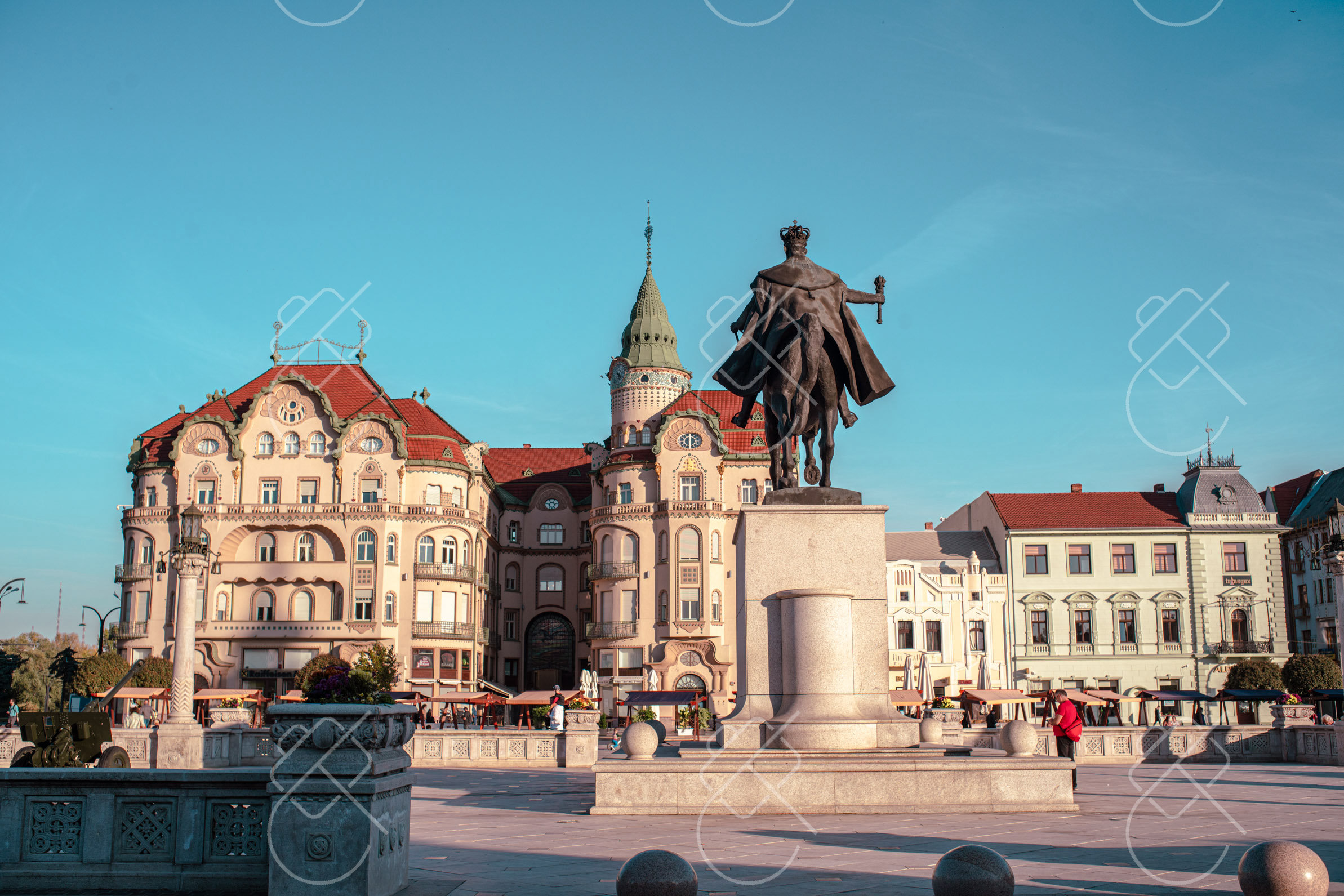
Oradea is a restored Art Nouveau city on the Crișul Repede river in northwestern Romania, its historic core built around a stained-glass shopping passage and a moon-tracking church.
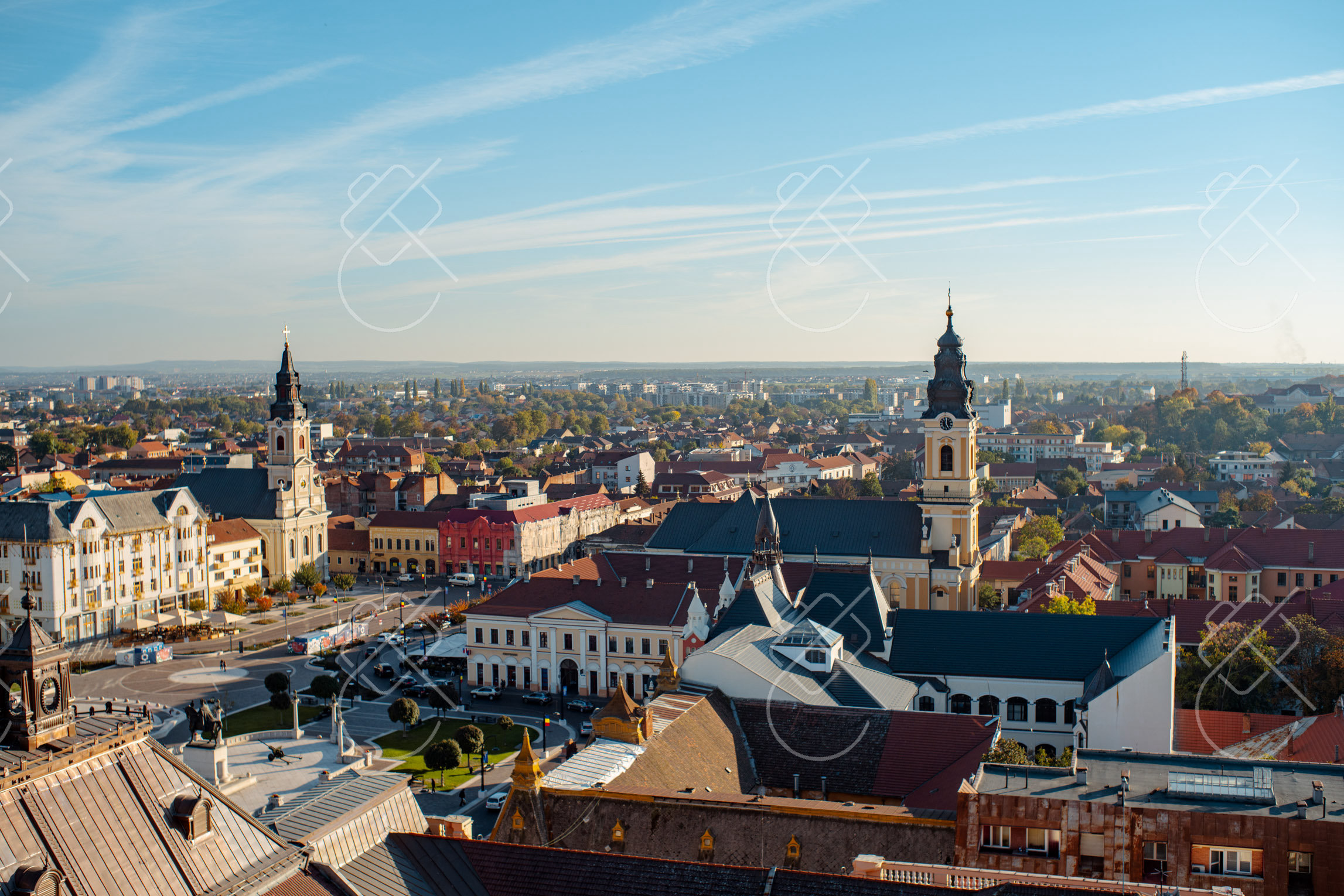
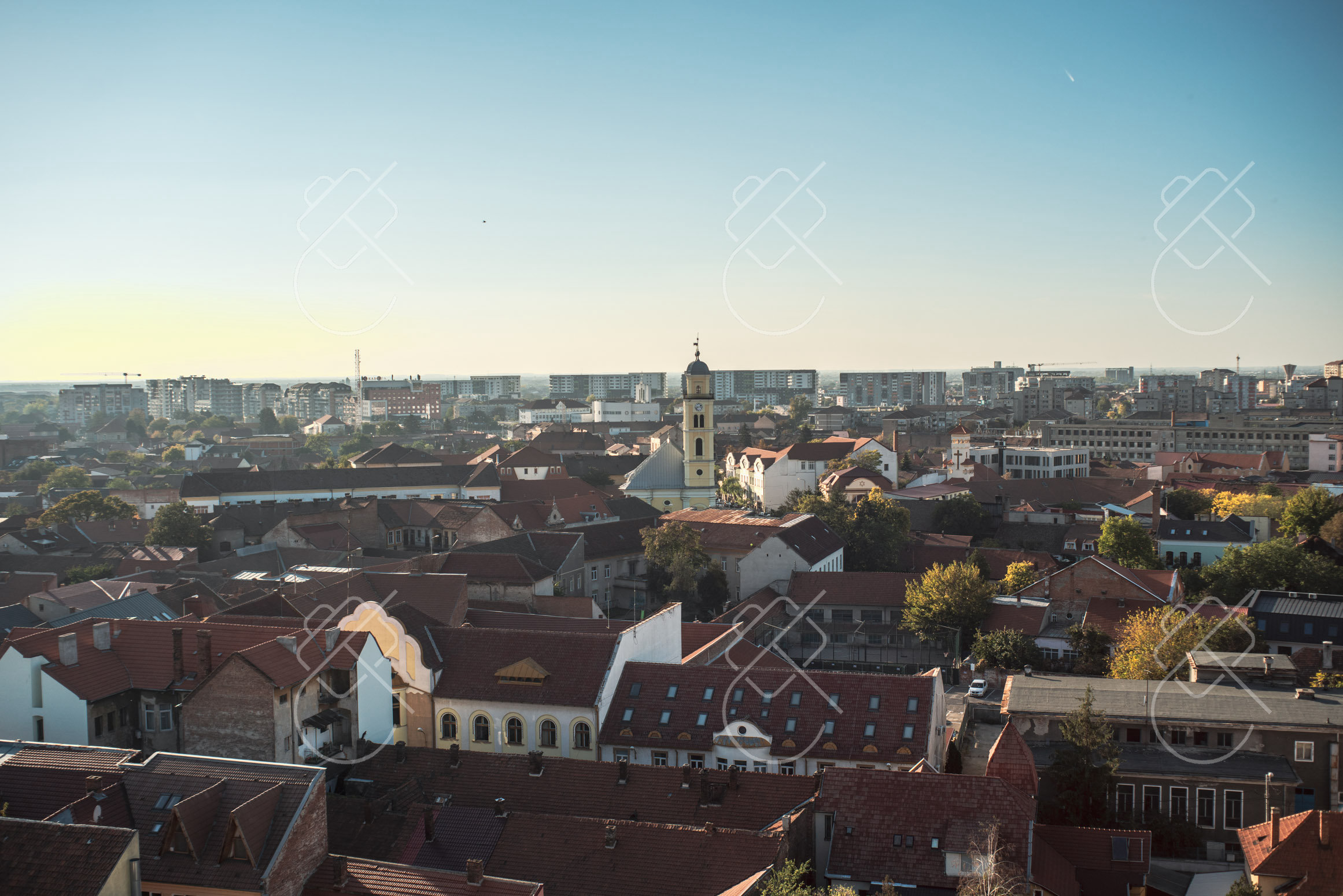
Oradea sits in northwestern Romania on the Crișul Repede river, a short hop from the Hungarian border, and spent the early 1900s rebuilding itself in Art Nouveau and Secessionist style — restoration work over the past decade has turned its historic core into one of the best-preserved collections of that architecture anywhere in Europe. The centerpiece is the Black Eagle Palace, finished in 1908, whose glass-roofed passage connects three streets under a run of stained-glass panels, including a large black eagle worked into the ceiling above the shops and cafes below. A block away, Union Square is anchored by St. Ladislaus Church's twin Baroque towers and, beside it, the so-called Moon Church — a late-18th-century church with a rotating sphere built into its facade that mechanically tracks the actual phase of the moon, a detail unique in Romania.
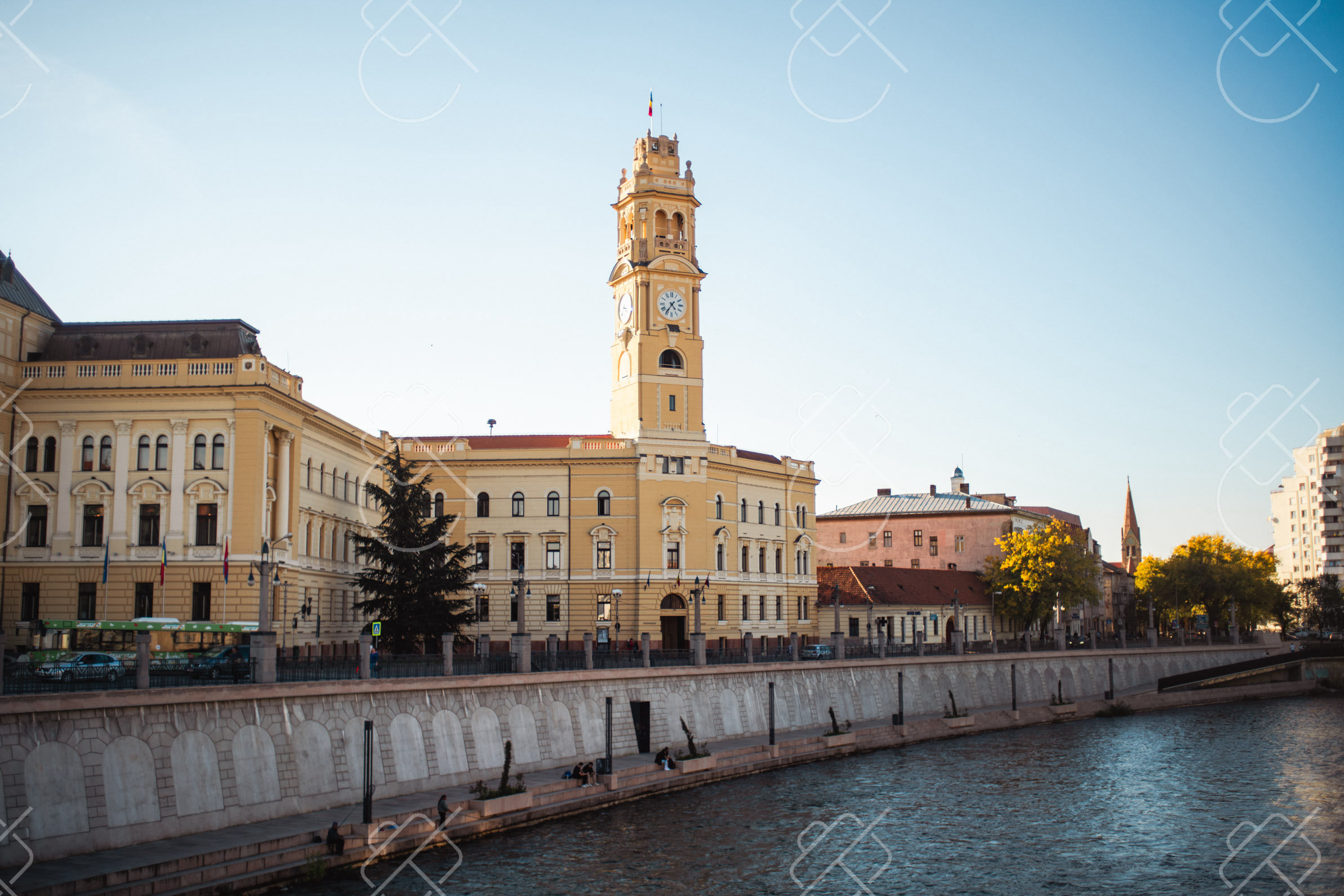
The Crișul Repede riverside with Oradea's Town Hall clock tower
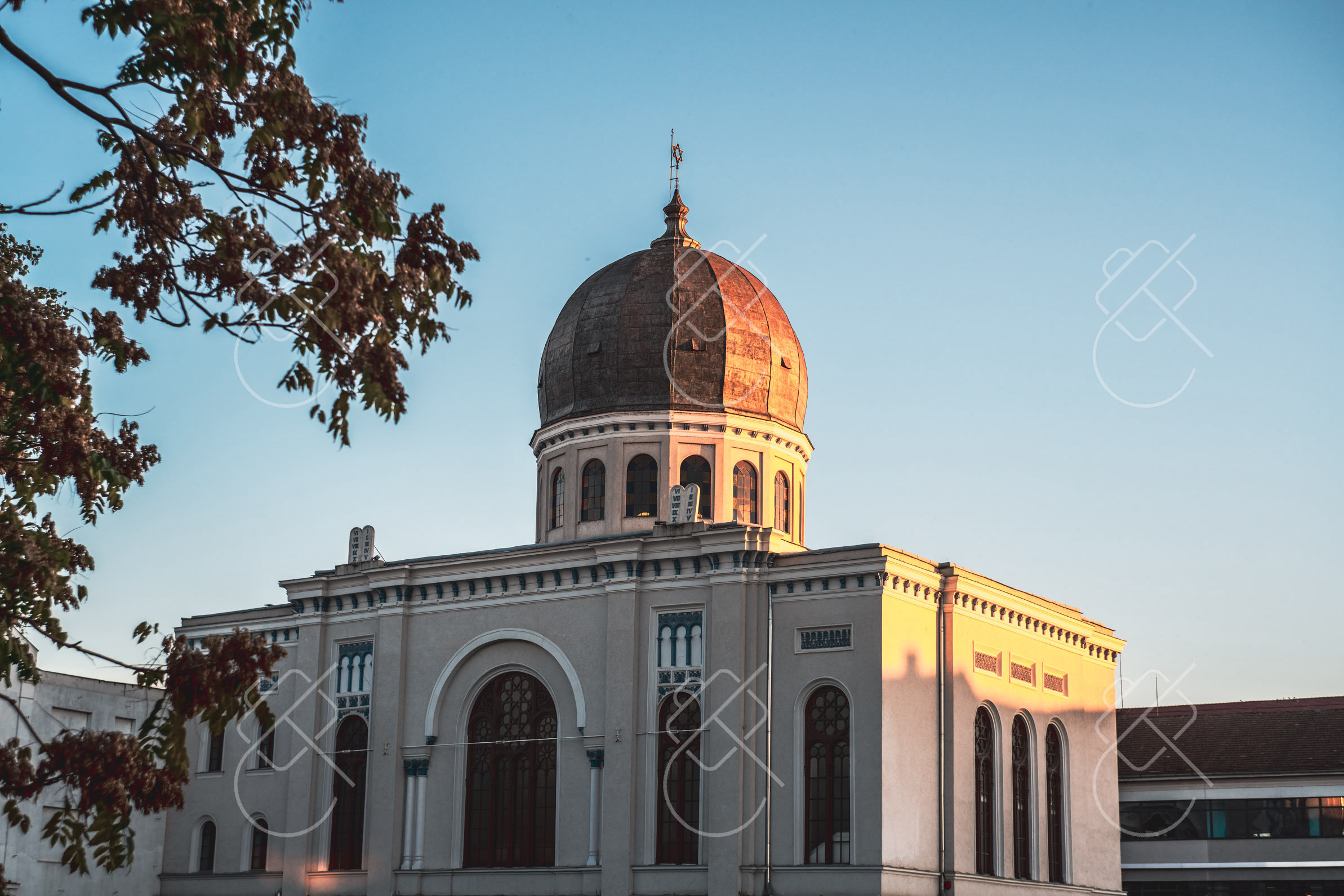
Along the Crișul Repede itself, the riverside promenade runs past the Town Hall's clock tower, one of the best vantage points in the city for the skyline of domes and spires behind it. Just south of the center, the Neolog Synagogue — completed in 1878 and one of the largest synagogues in Romania — is topped by a broad copper dome that catches the evening light; it survived the war and now functions partly as a memorial and cultural space rather than an active congregation. Oradea Fortress, a pentagon-shaped Renaissance-era citadel on the northern edge of downtown, has been under restoration for years and is worth the walk for the city's older, pre-Art-Nouveau layer. Locals treat the historic center as a genuine evening-out spot rather than just a backdrop — cafes under the Black Eagle passage and around Union Square stay busy well past dinner.
Late spring or early autumn, when the light suits the stained glass in the Black Eagle passage and the riverside promenade is comfortable to walk without summer crowds.
Base yourself in the historic center around Union Square, within walking distance of the Black Eagle Palace, the river, and the Moon Church.
Look for ciorbă, a sour Romanian soup, or langoș — fried dough topped with cheese and sour cream — at a stall near Union Square, both closer to Oradea's Hungarian-Romanian border cooking than food found elsewhere in the country.
Time a visit to Union Square for early evening — that's when the Baroque and Art Nouveau facades catch the low sun, and when the cafes under the Black Eagle passage actually fill up.
Find the best deals on Oradea accommodation with Booking.com.
We had World Nomads as our travel insurance, covering us for the entire Oradea, Romania leg of the trip — one less thing to worry about.
Transit cards, local customs, visa rules, and practical travel guides for this region.
See every destination from the 526-day journey:
Browse all destinationsCurious about the gear behind these photos? See the gear list.