Home
About us
Destinations & Country Guides
Travel Guides
Recipes
Featured
Photos As Art
Abstract Prints
Locations
Travel Gear
Travel Resources
Favorites
Photo Framer
Explore Photos
Contact Attractions & day trips
By Clever Tourists · Published
The JR Pass is worth it in 2026 only if you pack about ¥50,000 (≈ $317) of JR travel into 7 days, or about ¥80,000 (≈ $507) into 14. For a classic one-week Tokyo, Kyoto and Osaka trip it loses money; our route-by-route fare table does that maths. This page covers the questions that table does not: longer trips, the 14- and 21-day passes, northern Japan, and the area passes JR East and JR West changed in March 2026. The nationwide pass costs ¥50,000 (≈ $317) for 7 days, ¥80,000 (≈ $507) for 14 and ¥100,000 (≈ $633) for 21 when bought on the official JAPAN RAIL PASS site (¥53,000 (≈ $336), ¥84,000 (≈ $532) and ¥105,000 (≈ $665) through an overseas agency). Prices were checked in October 2026.
• One week, Tokyo plus Kansai: no. Single tickets for Tokyo to Kyoto and Osaka back to Tokyo come to about ¥29,000 (≈ $184).
• One week with Hiroshima or Kanazawa added: borderline to yes. See the sample weeks in the fare table article.
• Two weeks, south and north: yes, if both halves include long Shinkansen legs (Tokyo to Aomori or Hakodate, plus Hiroshima). The worked example below saves money.
• Two or three weeks, slow travel: usually no. Staying four or more nights per city means few long rides, and a 7-day pass timed for your busiest week beats a 14- or 21-day one.
• Northern Japan only: no. The new JR EAST PASS is ¥35,000 (≈ $222) for 5 days and covers more of the north for less.
• Western Japan only: no. JR West's Kansai-Hiroshima Area Pass (¥17,000 (≈ $108) for 5 days) is the better buy.
The nationwide pass price did not move this year. What moved were the fares it is measured against and the regional passes around it. Our JR Pass calculator prices any route against both.
JR East raised fares on 14 March 2026. After the revision, a regular-season reserved seat from Tokyo costs about ¥11,630 to Sendai, ¥15,450 to Morioka and ¥18,110 to Shin-Aomori (base fare plus reserved express charge, one way). Higher single fares make the pass slightly easier to justify on northern routes.
JR East also merged its two area passes on the same day. The old JR EAST PASS (Tohoku area) and JR EAST PASS (Nagano, Niigata area) stopped selling on 13 March 2026 and were replaced by a single JR EAST PASS: ¥35,000 (≈ $222) for 5 consecutive days or ¥50,000 (≈ $317) for 10, child half price, covering reserved ordinary seats on JR East lines including the Tohoku, Joetsu and Hokuriku Shinkansen (as far as JR East runs) and some partner lines. It does not cover the Tokaido Shinkansen to Kyoto and Osaka.
The Hokuriku Arch Pass went up to ¥35,000 (≈ $222) for 7 days (child ¥17,500 (≈ $111)). It links Tokyo and Osaka the long way round, via Nagano, Kanazawa and Fukui, and now also covers a few third-sector lines around Kanazawa and Toyama.
A 14-day trip that splits between the north and the west, all on JR, regular-season reserved fares one way:
• Tokyo to Sendai (stopover): about ¥11,630 (≈ $74) of that northern loop
• On to Shin-Aomori, then back to Tokyo: Tokyo to Shin-Aomori alone is ¥18,110 (≈ $115) each way, so the northern loop costs at least ¥36,220 (≈ $229) in total
• Tokyo to Kyoto: ¥14,170 (≈ $90)
• Kyoto to Hiroshima: ¥11,940 (≈ $76)
• Hiroshima to Tokyo: ¥19,760 (≈ $125)
That is about ¥82,000 (≈ $519) before local JR trains, the Haruka from Kansai Airport or the JR ferry to Miyajima, against ¥80,000 (≈ $507) for the 14-day pass, and breaking the northern run with a stop in Sendai pushes the single-ticket total higher still. Add a Nikko or Kanazawa side trip and the pass clearly pays. The catch is the trade-offs that come with the pass: no Nozomi without a special ticket (¥4,960 (≈ $31) Tokyo to Kyoto, ¥6,500 to Hiroshima), and a lot of hours on trains. Two weeks containing four 2- to 4-hour Shinkansen rides is a fast trip.
Now drop the north. Tokyo, Kyoto, Hiroshima and back costs about ¥45,900 (≈ $291) in single tickets over two weeks, and the 14-day pass loses by more than ¥34,000 (≈ $215). A 7-day pass covering only the Kyoto to Hiroshima to Tokyo stretch is the most you should consider.
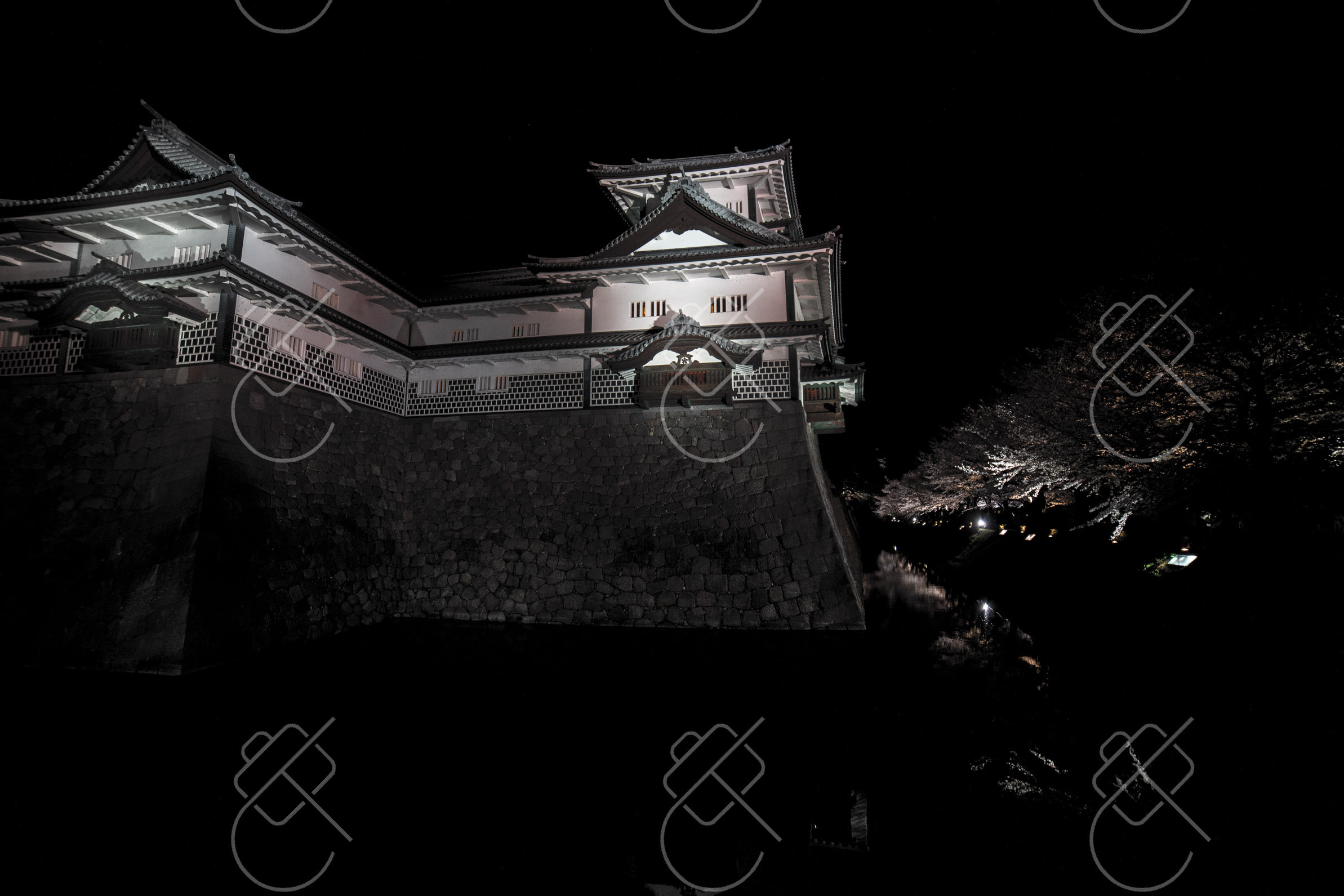
We spent 33 days in Japan in March and April 2023: Tokyo, Hakone, Matsumoto, Takayama, Kanazawa (with a day trip to Shirakawa-go), Kyoto, Nara, Osaka, Kobe, Himeji, Hiroshima and back to Tokyo. That is a typical shape for a long first trip, and it shows why the 21-day pass is hard to justify.
• The legs are short. Kyoto to Nara, Osaka to Kobe and Kobe to Himeji are all well under ¥2,000 (≈ $12.7) on JR. Even the longest western leg in that route, Hiroshima back to Tokyo, is ¥19,760 (≈ $125).
• Several legs are not JR at all. Tokyo to Hakone is the Odakyu line (see our Hakone Freepass guide), and Matsumoto to Takayama and Takayama to Kanazawa are most direct by highway bus.
• Long stays waste pass days. Four nights in Kyoto or five in Tokyo means four or five days paid for and barely used.
Add up all the long JR legs on a route like ours and the total sits well below ¥100,000 (≈ $633). The better plan: buy singles for the slow stretches and, if one week has the long hops, a 7-day pass for that week only. Our 33-day route and the 14-day itinerary guide show where those weeks fall.
Buy it if: you will cover Tokyo, Kansai and either Hiroshima or Kanazawa inside 7 days; your 14 days include both the far north (Aomori, Hakodate) and the west; you want to hop on and off trains without pricing every ride; or you travel with children aged 6 to 11, whose pass is half price on the same maths.
Skip it if: your week is Tokyo, Kyoto and Osaka; you stay four nights or more per city; you want the Nozomi on every Tokaido ride; or much of your route is on private lines and buses (Hakone, the Japan Alps, Nara by Kintetsu, Nikko by Tobu).
Green Car pass: ¥70,000 (≈ $443) for 7 days, ¥110,000 (≈ $697) for 14 and ¥140,000 (≈ $887) for 21 on the official site. Worth it only if you would buy Green Car singles anyway; ordinary reserved seats on the Shinkansen are already comfortable.
• Single tickets on SmartEX for the Tokaido and Sanyo Shinkansen. Lets you ride the Nozomi; our Shinkansen tickets guide explains booking and seat choice.
• JR West Kansai-Hiroshima Area Pass, ¥17,000 (≈ $108) for 5 days. Pays for itself on one Osaka to Hiroshima return (¥21,900 (≈ $139) in singles); see our Hiroshima and Miyajima day trip guide.
• JR EAST PASS, ¥35,000 (≈ $222) for 5 days or ¥50,000 (≈ $317) for 10. A Tokyo to Shin-Aomori return is about ¥36,000 (≈ $228) in singles, so one long run north pays for it.
• Hokuriku Arch Pass, ¥35,000 (≈ $222) for 7 days, for Tokyo to Osaka via Kanazawa.
• Pay as you go with Suica. For city transport, a JR Pass is the wrong tool; read our Tokyo Subway Ticket guide and Suica guide.
Rail is only part of the bill. For the full picture of what Japan costs, see how much a trip to Japan costs.
Only if your two weeks include long Shinkansen legs at both ends of the country, such as Tokyo to Aomori plus Kyoto to Hiroshima. That kind of route costs about ¥82,000 (≈ $519) in singles against ¥80,000 (≈ $507) for the pass, before local JR trains. Tokyo, Kyoto and Hiroshima alone cost about ¥45,900 (≈ $291).
Rarely. On a slow three-week route most legs are short or not on JR, and long stays waste pass days. A 7-day pass for your busiest week plus single tickets usually costs less than the ¥100,000 (≈ $633) 21-day pass.
From 14 March 2026 a single JR EAST PASS replaced the Tohoku-area and Nagano-Niigata passes. It costs ¥35,000 (≈ $222) for 5 days or ¥50,000 (≈ $317) for 10 and does not cover the Tokaido Shinkansen.
On the official site, ¥50,000 (≈ $317) for 7 days, ¥80,000 (≈ $507) for 14 and ¥100,000 (≈ $633) for 21 (ordinary car). Through an overseas agency it is ¥53,000 (≈ $336), ¥84,000 (≈ $532) and ¥105,000 (≈ $665).
No. The JR EAST PASS covers JR East lines for ¥35,000 (≈ $222) for 5 days, and a single Tokyo to Shin-Aomori return already costs about ¥36,000 (≈ $228).
Get our new Japan guides and practical tips by email: where to stay, what to eat, what things cost and the rules that catch travelers out.
Free. No spam, only new guides and tips.
Compare flights to Japan and get the best deals on Kiwi.com.