By Clever Tourists · Published
Yes, Tirana is safe to visit for most travellers. The UK Foreign Office does not advise against travel to any part of Albania and says reports of crime targeting foreigners are rare; its latest update, on 15 October 2026, adds a warning to stay away from demonstrations in central Tirana, some of which have turned violent. The risks that actually affect visitors are practical: protests around the government buildings on the main boulevard, aggressive traffic when you cross the road, taxi overcharging, pickpockets in crowds, and the earthquake risk that comes with this part of the Balkans. We spent two stays in Tirana in 2023, four nights in mid-September and five in October, and this page covers what matters in the city itself. For the rest of the country, see is Albania safe to visit.
This page contains affiliate links. If you book or buy through them we may earn a commission, at no extra cost to you.
There is no separate advisory for Tirana; it falls under Albania's. The UK Foreign Office advises against no part of the country, and its page was last updated on 15 October 2026 with new information about demonstrations in Tirana. The US State Department and Australia's Smartraveller both rate Albania Level 2, one step above normal precautions; our Albania safety page has the detail on each.
The UK advice says crime and violence do occur but rarely involve foreigners, and asks visitors to take sensible precautions against street crime in larger cities and late at night. In practice that means the same habits as in any European capital.
Political demonstrations are the one Tirana-specific issue in the advisories. From 13 October 2026 the city saw more than a week of anti-government protests that turned into riots on several days, with government buildings, banks and shops attacked and police using tear gas and water cannon; opposition protests in January and February 2026 also turned violent. Both waves centred on government buildings around the main boulevard and near Skanderbeg Square.
• Stay away from demonstrations, large gatherings and political rallies, as the UK advises, and follow the advice of local authorities.
• Check local news on the day. Protests also close roads and divert traffic, which matters if you are heading for the airport.
• Pick your base with this in mind. Protests have centred on the main boulevard and the government buildings, so a hotel right on the boulevard is the one most likely to be noisy or hard to reach on a protest day. Our where to stay in Tirana guide compares the areas.
Neither wave changed Albania's overall advisory level, and the coast, Berat and the mountains were not the focus of the unrest.
Traffic is the risk most visitors notice first. The UK government describes driving in Albania as very hazardous and often aggressive and erratic, and that is true of Tirana's busy junctions and roundabouts as well as the highways. Power cuts can also knock out street lighting in towns and cities.
• Cross at traffic lights where you can, and don't assume a car will stop for you at a zebra crossing.
• Look both ways even on one-way streets, and watch for scooters.
• Take extra care after dark, when unmarked roadworks and potholes are harder to see.
If you plan to hire a car for the rest of the country, read our driving in Albania guide first; inside Tirana, walking and taxis are easier than driving and parking.
Practical travel tips, straight to your inbox. Unsubscribe anytime.
Overcharging is the most common money problem for visitors, and it happens most often with taxis. Uber and Bolt do not operate in Albania, so the choice is a street taxi, a phone-booked taxi or a local app.
• Use official taxis, agree the fare before you set off, and sit in the back, as the US CDC's travel advice puts it.
• Agree the price in lek, not euros. Drivers who quote in euros round in their own favour.
• From the airport, the LUNA bus to the centre is 400 lek and runs hourly, 24 hours a day; official airport taxis charge a fixed fare. Our Tirana airport guide has the details, and names the local apps (Patoko, Clust and Vrapon) that travellers use instead of Uber.
Ignore drivers who approach you inside the airport terminal without a marked car.
The UK advice warns of pickpockets and bag thieves in tourist areas and on public transport. In Tirana that means the crowds on Skanderbeg Square, the city buses, the bus terminals and the airport.
• Keep your phone off café tables, especially at street-side seats.
• Use ATMs inside banks or shopping centres, and withdraw lek rather than accepting the machine's own conversion. Our Albania money and ATM guide explains the fees.
• Check the bill and count your change, and know how much to leave: our tipping in Albania guide gives the amounts in lek.
Euros are accepted informally in some tourist businesses in Tirana, but at a rounded, unfavourable rate with change given in lek, so carry lek.
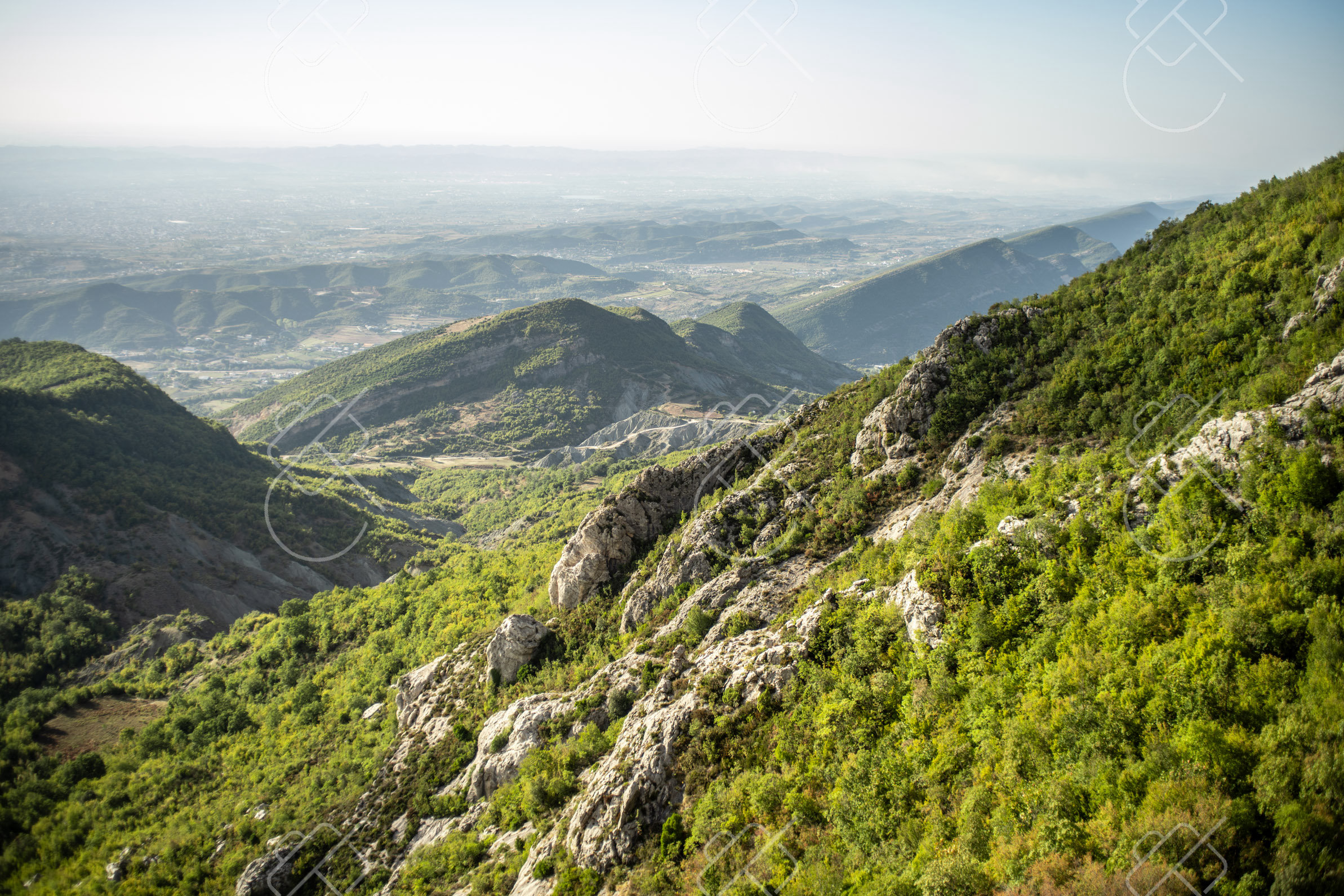
Blloku, the former closed quarter of the communist leadership, is now Tirana's bar and restaurant district, and the cafés around it and Skanderbeg Square stay busy late into the evening. Walking around Blloku at night is normal for locals and visitors.
• Watch your drink and don't leave it unattended, as you would anywhere.
• Take a booked taxi or app ride home late at night rather than a car that pulls up uninvited.
• Albania has strict drug laws: the UK warns that possession can mean a prison sentence of 5 to 10 years.
The UK advice notes that same-sex relationships are legal in Albania, that anti-discrimination laws exist, and that Tirana has several gay-friendly bars and LGBT+ support groups. Attitudes outside the capital are more conservative.
The UK advice says there is a risk of earthquakes in Albania and that tremors are common. The most serious recent one, on 26 November 2019, was a magnitude 6.4 quake centred near the coast north of Durrës; 51 people died and more than 1,465 buildings in Tirana were seriously damaged, according to preliminary figures.
If the ground shakes, drop, take cover under something sturdy and hold on, then follow instructions from your hotel and local authorities. Save your accommodation address and the emergency number on your phone.
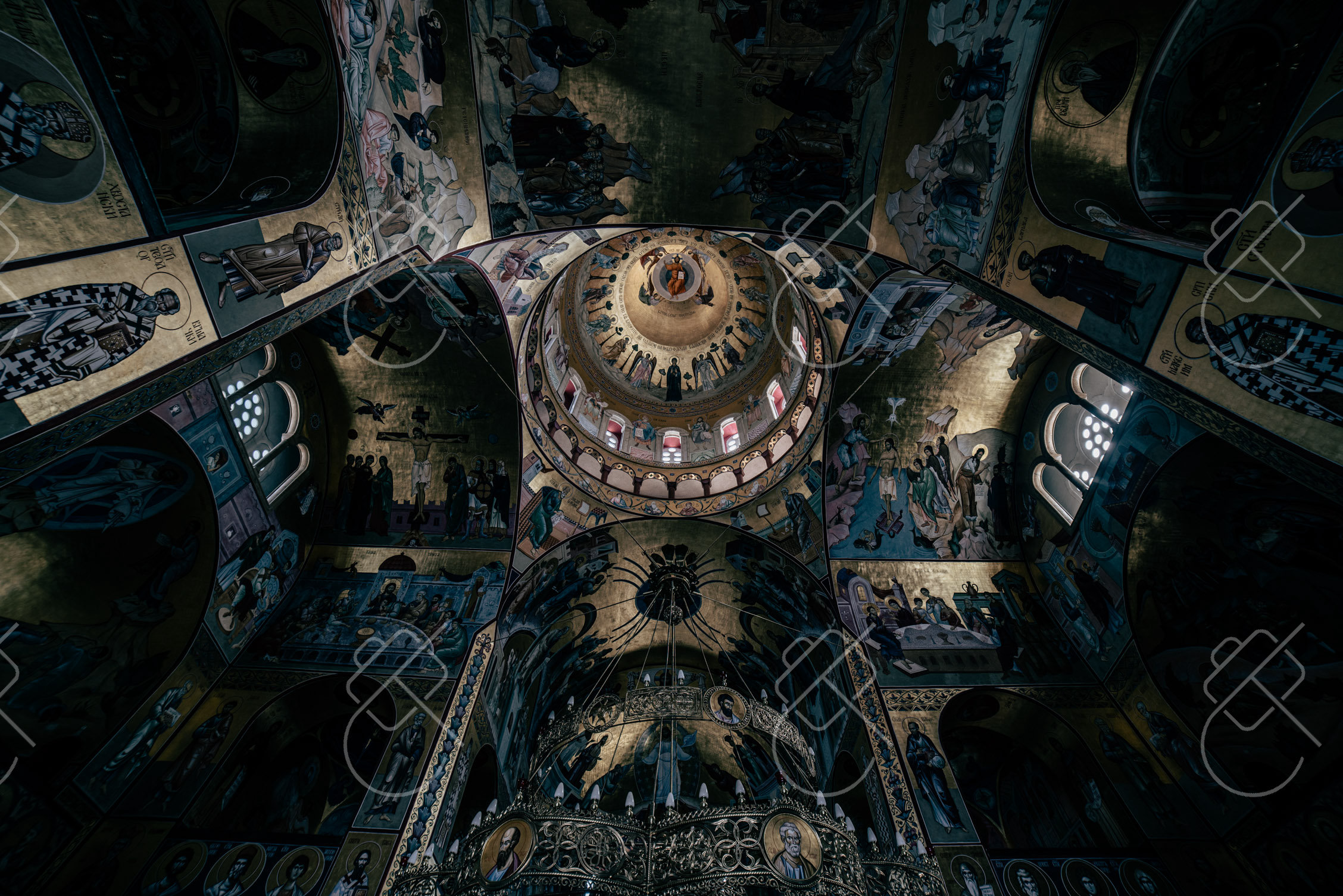
Tirana's tap water is treated and tested, but many locals prefer bottled, and bottled water is widely sold. Outside the big cities bottled is the safer choice.
Medical facilities are limited outside Tirana, where the better private hospitals are. Travel insurance with medical cover is still worth having, especially if you are heading on to the mountains; see our things to know before visiting Albania for other practical points, and our Albanian food guide for what to eat.
Tirana is a common stop for solo travellers, and the low rate of crime against foreigners applies to women travelling alone too. The usual big-city precautions apply: use booked taxis at night, keep an eye on your drink in bars, and choose well-reviewed accommodation in a central, well-lit area. Albanian hospitality to guests is a deep tradition, and asking a café owner or hotel for directions is normal.
For day trips out of the city, to Krujë, Durrës, Mount Dajti or Berat, see our day trips from Tirana guide, and our Albania guide for the wider route.
Dial 112 for any emergency. The older direct numbers still work: 129 for police, 127 for an ambulance and 128 for fire. Keep a copy of your passport and your insurer's 24-hour number on your phone.
Yes for most visitors. The UK says crime targeting foreigners is rare and advises against no part of Albania. Watch for pickpockets in crowds, agree taxi fares in lek, and stay away from demonstrations.
Yes, but avoid protests. Demonstrations in central Tirana from 13 October 2026 turned into riots on several days around government buildings. The UK's 15 October 2026 update tells visitors to stay away from demonstrations and check local media.
Generally, yes. Blloku and the cafés around Skanderbeg Square stay busy late. Take a booked taxi home, watch your drink, and take care crossing roads after dark.
No. Uber and Bolt do not operate in Albania. Use official taxis with a fare agreed in lek, a phone-booked taxi, or local apps such as Patoko, Clust and Vrapon.
Yes, with normal big-city precautions: booked taxis at night, an eye on your drink in bars, and well-reviewed central accommodation. Crime against foreigners is rare.
Tirana's tap water is treated and tested, but many locals prefer bottled water, which is widely sold.
Practical travel tips, straight to your inbox. Unsubscribe anytime.
Entry rules change, and they depend on your nationality — always confirm the current requirements on the official government site before you book or apply. Only use official government (.gov) portals; ignore look-alike agency sites.
Find a Albania hotel within walking distance of the sights on Trip.com.