 Culture & etiquette
By Clever Tourists · Published
Albanians speak Albanian (shqip), a language with no close relatives, so nothing you know from Italian or Greek will help you guess words. Younger people in Tirana and on the Riviera usually speak good English, and Italian is the next most useful language. Expectations of visitors are low, which is exactly why a faleminderit (thank you) gets such a warm reaction. Watch out for two things: the traditional yes/no head gestures, and prices said aloud in old lek.
This page contains affiliate links. If you book or buy through them we may earn a commission, at no extra cost to you.
Albanian is written as it sounds once you know a few letters: ë is a short uh (often silent at the end of a word), ç is ch, q is a soft ky, gj is close to j, xh is j, sh is sh, j is y, dh is the th in this and th is the th in think.
Përshëndetje is the all-purpose hello. Tungjatjeta literally wishes someone a long life and sounds warm and traditional; tung is the quick casual version.
| English | Albanian | Say it like | When to use it |
|---|---|---|---|
| Hello | Përshëndetje | pur-shun-DET-yeh | Any time, anyone. |
| Hello (traditional) | Tungjatjeta | toon-jah-TYEH-tah | Older people, villages, guesthouse hosts. |
| Hi / bye (casual) | Tung | toong | Friends and younger people. |
| Good morning | Mirëmëngjes | meer-mun-JESS | Until late morning. |
| Good day | Mirëdita | meer-DEE-tah | Late morning to evening, shops and offices. |
| Good evening | Mirëmbrëma | meer-um-BRUH-mah | From dusk. |
| How are you? (formal / casual) | Si jeni? / Ç'kemi? | see YEH-nee / CHKEH-mee | Si jeni with strangers, ç'kemi with friends. |
| Nice to meet you | Më vjen mirë / Gëzohem | muh vyen MEER / guh-ZOH-hem | When you are introduced. |
| Goodbye | Mirupafshim | mee-roo-PAHF-sheem | Leaving a shop, café or guesthouse. |
| See you | Shihemi | SHEE-heh-mee | Casual goodbye. |
The head gestures can be reversed. Traditionally, a side-to-side shake of the head means yes and a nod means no. Many younger and urban Albanians now use the international gestures, so you cannot predict which you will get. When it matters, say po (yes) or jo (no) out loud and ask for the word back.
Ju lutem means please, and you will also hear it as a reply to thanks. The standard you're welcome is s'ka përse, literally there's no reason.
| English | Albanian | Say it like | When to use it |
|---|---|---|---|
| Please | Ju lutem | yoo LOO-tem | Any request. |
| Thank you | Faleminderit | fah-leh-meen-DEH-reet | All the time. It gets a big smile. |
| Thank you very much | Shumë faleminderit | SHOO-muh fah-leh-meen-DEH-reet | After a meal or a favour. |
| You're welcome | S'ka përse | skah pur-SEH | Replying to thanks. |
| Excuse me / sorry | Më falni | muh FAHL-nee | Getting attention, getting past, small apologies. |
| I'm sorry (regret) | Më vjen keq | muh vyen KETCH | Real apologies and sympathy. |
| Yes | Po | poh | Say it aloud; don't rely on a nod. |
| No | Jo | yoh | Say it aloud; don't rely on a shake. |
| No, thank you | Jo, faleminderit | yoh, fah-leh-meen-DEH-reet | Beach sellers, boat trips, taxi offers. |
Meals with a host often start with a glass of raki (grape or plum brandy) and the toast gëzuar. You can refuse a refill, but take the first one if you can.
In restaurants you ask for the bill; nobody will bring it unprompted. Fatura is the receipt you may be handed with it.
| English | Albanian | Say it like | When to use it |
|---|---|---|---|
| A table for two, please | Një tavolinë për dy, ju lutem | nyuh tah-voh-LEE-nuh pur DEW, yoo LOO-tem | Arriving at a restaurant. |
| The menu, please | Menunë, ju lutem | meh-NOO-nuh, yoo LOO-tem | When you sit down. |
| This one, please | Këtë, ju lutem | KUH-tuh, yoo LOO-tem | Pointing at a dish or a byrek. |
| Very tasty | Shumë i shijshëm | SHOO-muh ee SHEESH-um | About the food, to the cook or waiter. |
| Cheers! | Gëzuar! | guh-ZOO-ar | Every toast, especially raki. |
| The bill, please | Llogarinë, ju lutem | loh-gah-REE-nuh, yoo LOO-tem | When you are ready to pay. |
| I'm vegetarian | Jam vegjetarian / vegjetariane | yahm veh-jeh-tah-ree-AHN / veh-jeh-tah-ree-AH-neh | Men say the first form, women the second. |
| I'm allergic to... | Kam alergji ndaj... | kahm ah-lehr-JEE ndahy | Follow with the food; show it written down too. |
Practical travel tips, straight to your inbox. Unsubscribe anytime.
Shops have fixed prices. At markets and souvenir stalls you can ask for a lower price, especially for several items, but keep it light.
Watch for old lek. In 1965 the lek was redenominated at ten to one, and some people, mostly older and in rural areas, still say prices in the old money. Written prices, receipts and menus are always in new lek. If a spoken price sounds ten times too high, it probably is in old lek: divide by ten and check.
Cash is king outside Tirana and the main resorts. Have small notes for furgons (shared minibuses), market stalls and village cafés.
| English | Albanian | Say it like | When to use it |
|---|---|---|---|
| How much is it? | Sa kushton? | sah koosh-TOHN | Anything without a price tag. |
| How much is this? | Sa kushton kjo? | sah koosh-TOHN kyoh | Pointing at something. |
| It's too expensive | Shumë shtrenjtë | SHOO-muh SHTREN-yuh | Politely declining. |
| Can you lower the price a little? | Mund ta ulni pak çmimin? | moond tah OOL-nee pahk CHMEE-meen | Markets and souvenir stalls. |
| I'll take it | Do ta marr | doh tah MAHR | Once you've agreed. |
| Do you take cards? | A pranoni kartë? | ah prah-NOH-nee KAR-tuh | Before you order or pick something up. |
| In cash | Me para në dorë | meh PAH-rah nuh DOH-ruh | Literally with money in hand. |
Most travel between towns is by bus or furgon (shared minibus), and passenger trains barely feature, so the bus station is the word to know. Drivers and conductors in the south often know some Italian or Greek; English is less common outside the cities.
| English | Albanian | Say it like | When to use it |
|---|---|---|---|
| Where is...? | Ku është...? | koo UHSHT | Followed by the place you want. |
| Where is the toilet? | Ku është tualeti? | koo uhsht twah-LEH-tee | Cafés and restaurants. |
| Bus station | Stacioni i autobusit | stah-tsee-OH-nee ee ow-toh-BOO-seet | Buses and furgons between towns. |
| Train station | Stacioni i trenit | stah-tsee-OH-nee ee TREH-neet | Rarely needed; rail service is minimal. |
| Airport | Aeroporti | ah-eh-roh-POR-tee | Tirana airport transfers. |
| Left / right / straight on | Majtas / djathtas / drejt | MY-tahs / DYAHTH-tahs / drayt | Following directions. |
| Take me to this address, please | Më çoni në këtë adresë, ju lutem | muh CHOH-nee nuh KUH-tuh ah-DREH-suh, yoo LOO-tem | Taxis. Show it on your phone too. |
| Stop here, please | Ndaloni këtu, ju lutem | ndah-LOH-nee kuh-TOO, yoo LOO-tem | Furgons stop wherever you ask. |
The final ë in numbers is often swallowed in fast speech, so pesë can sound like pess. That, plus old lek, is why it pays to ask for prices to be written down.
| English | Albanian | Say it like | When to use it |
|---|---|---|---|
| 1 | Një | nyuh | |
| 2 | Dy | dew | |
| 3 | Tre | treh | |
| 4 | Katër | KAH-tur | |
| 5 | Pesë | PEH-suh | |
| 6 | Gjashtë | JAHSH-tuh | |
| 7 | Shtatë | SHTAH-tuh | |
| 8 | Tetë | TEH-tuh | |
| 9 | Nëntë | NUN-tuh | |
| 10 | Dhjetë | THYEH-tuh | Th as in this. |
| 100 | Njëqind | nyuh-CHEEND | |
| 1,000 | Njëmijë | nyuh-MEE-yuh | Divide by ten if it sounds like old lek. |
112 is the general emergency number. The direct lines still work: 129 police, 127 ambulance and 128 fire. In the mountains around Theth and Valbona, signal is patchy, so download maps and an offline translation pack before you go.
| English | Albanian | Say it like | When to use it |
|---|---|---|---|
| Help! | Ndihmë! | NDEEH-muh | Shout it. |
| Call the police! | Thirrni policinë! | THEER-nee poh-lee-TSEE-nuh | Then dial 112 or 129. |
| I need a doctor | Kam nevojë për doktor | kahm neh-VOY-uh pur dohk-TOR | Pharmacies, reception desks. |
| I'm lost | Kam humbur rrugën | kahm HOOM-boor RROO-gun | Literally I've lost the road. |
| I don't understand | Nuk kuptoj | nook koop-TOY | Any time. |
| Do you speak English? | A flisni anglisht? | ah FLEES-nee ahng-LEESHT | Ask this first. |
| Please speak slowly | Flisni ngadalë, ju lutem | FLEES-nee ngah-DAH-luh, yoo LOO-tem | When the answer comes back fast. |
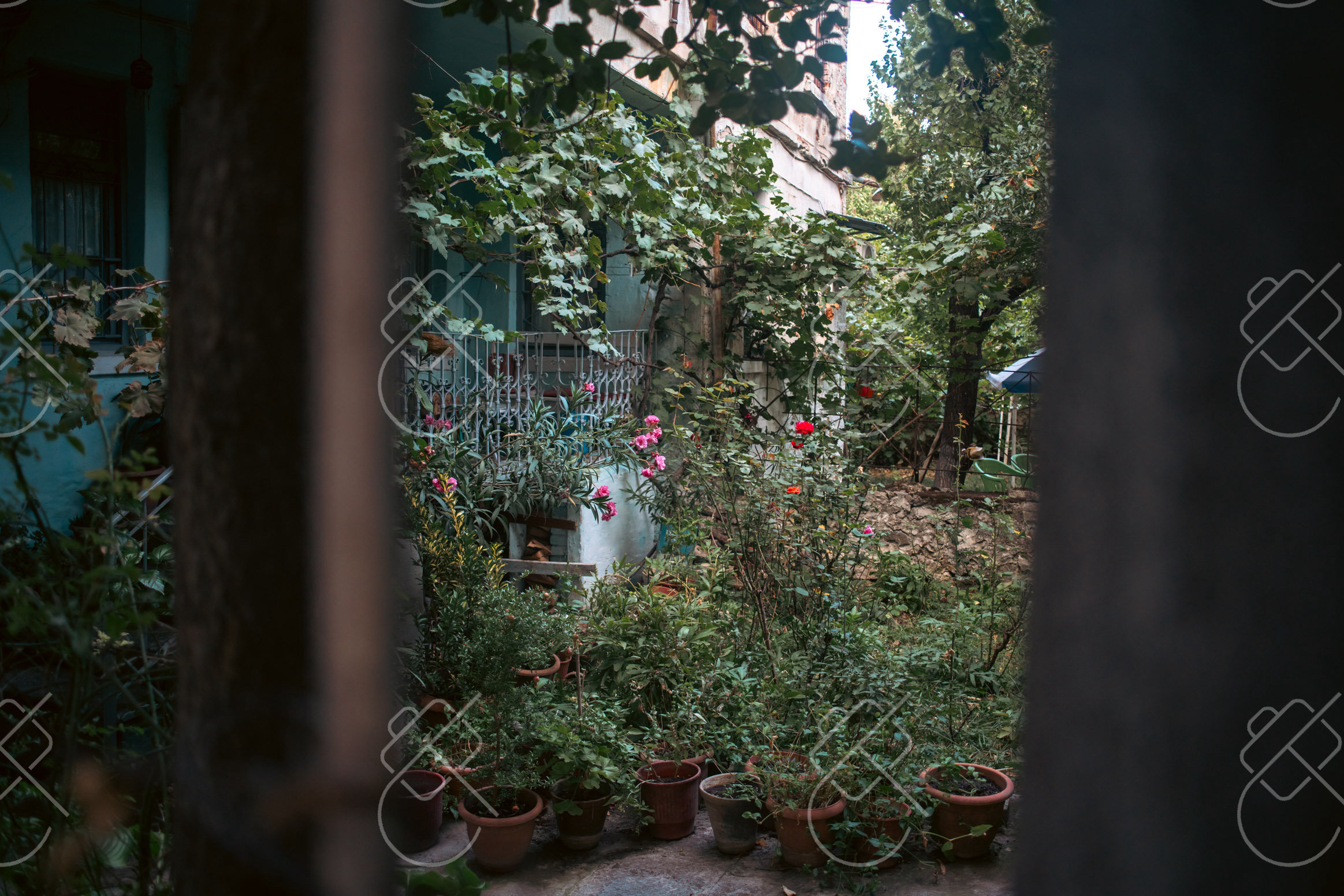
Hospitality is a point of honour. Guesthouse hosts may offer coffee, raki or fruit the moment you arrive. Accept something, and expect to sit for a while.
Confirm yes and no out loud. With the reversed head gestures still common among older Albanians, a nod is not a contract.
Dress modestly in mosques and churches. Albania is relaxed about religion, but covered shoulders and knees are expected inside. See the mosque dress code in Albania.
Money customs, including tipping, are in Albania cash culture, ATMs and tipping.
Faleminderit (fah-leh-meen-DEH-reet). Shumë faleminderit means thank you very much, and the reply is s'ka përse, you're welcome.
Përshëndetje (pur-shun-DET-yeh) is the all-purpose hello. Tungjatjeta is a warmer, traditional greeting, and tung is the casual version.
Traditionally, yes: a side-to-side shake means yes and a nod means no. Many younger and urban Albanians use the international gestures, so say po (yes) or jo (no) out loud when it matters.
Among younger people in Tirana and on the Riviera, usually yes. Older people and rural areas less so; Italian is the next most useful language.
The lek was redenominated at ten to one in 1965, and some people still say prices in the old units. Written prices are always in new lek, so if a spoken price sounds ten times too high, divide by ten and check.
112 for any emergency. The direct lines are 129 for police, 127 for an ambulance and 128 for fire.
Practical travel tips, straight to your inbox. Unsubscribe anytime.
Stay in Albania for a few nights: see rooms on Trip.com.