 Food & culture
By Clever Tourists · Published
The best souvenirs from Albania are a white qeleshe felt hat or felt slippers from the workshops of Kruja's old bazaar, silver filigree, a handwoven kilim, a bag of mountain tea, and a bottle of raki or Skënderbeu brandy. Kruja is about an hour by bus from Tirana, and its bazaar is the best single place to shop, but it also sells plenty of imported trinkets, so buy from the people making things. Below are eight souvenirs, where to find them, and a few practical tips. Prices are tiers: $ is small change, $$ a considered purchase, $$$ a splurge.
This page contains affiliate links. If you book or buy through them we may earn a commission, at no extra cost to you.
• A qeleshe ($ to $$). The traditional white felt skullcap. In Kruja's old bazaar, felt-makers still make hats by hand in their workshops.
• Felt slippers ($). Made in the same workshops; warm, light and easy to pack.
• Silver filigree ($$ to $$$). Fine twisted-wire jewellery, sold in Kruja, Tirana and Gjirokastër. Ask the seller whether it is silver and who made it.
• A kilim ($$ to $$$). Kruja's weavers are among Albania's best known, and some workshops let you watch the looms. A small kilim folds flat into a suitcase.
• Mountain tea ($). Çaj mali, dried mountain tea, sold dried. Light and cheap.
• Raki ($ to $$). The grape or plum spirit, often homemade. Bottles from small producers are the real thing; carry them in checked luggage.
• Skënderbeu brandy ($ to $$). The local brandy, sold in distinctive bottles in supermarkets.
• Honey, walnuts and dried figs ($). Light, sealed things that travel well. Olive oil from around Vlora and Berat is good too, if you have room for a bottle.
More in what to buy at a grocery store in Albania and our Albanian food guide.
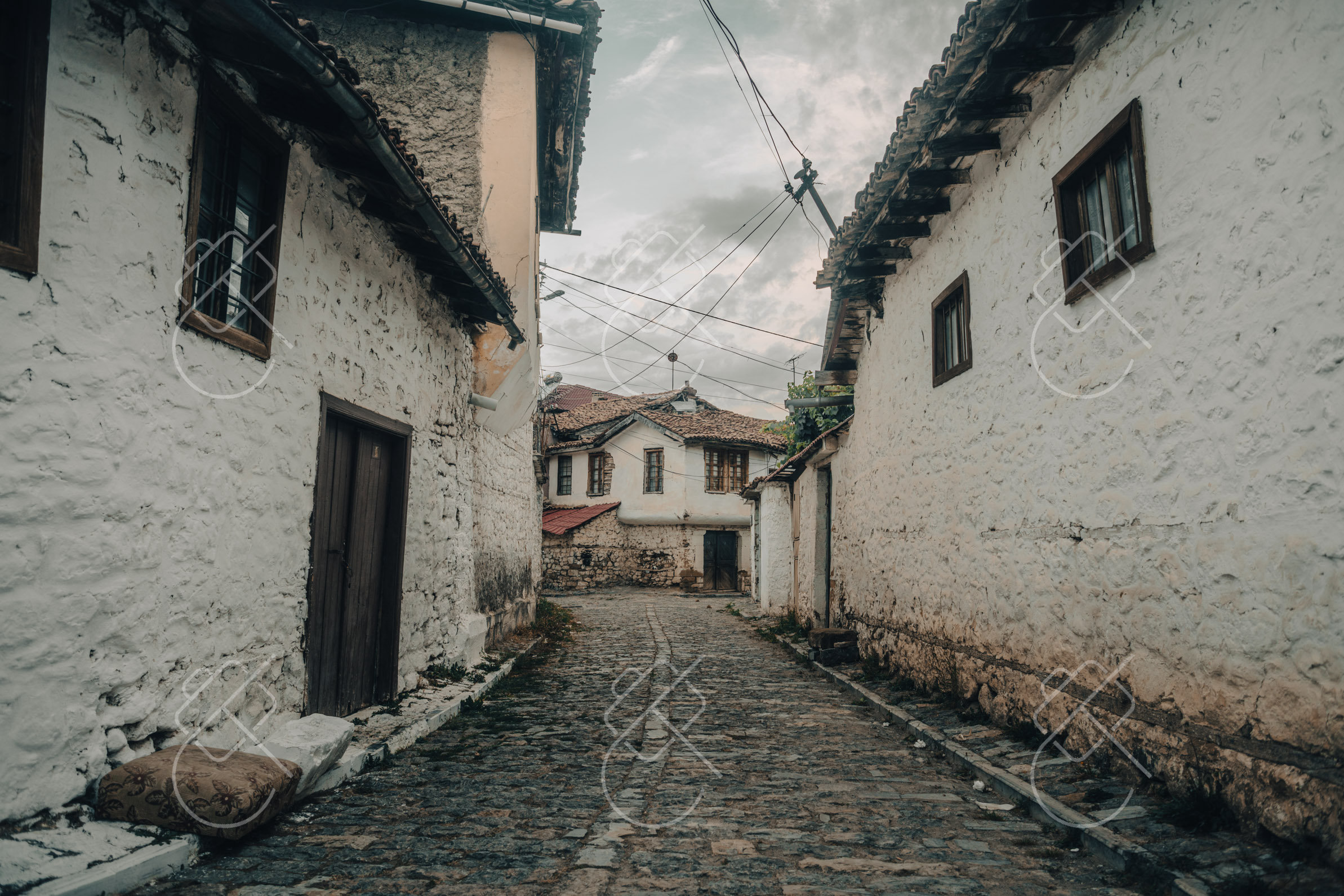
• Kruja's old bazaar: felt, kilims and filigree. Look for open workshops rather than stalls of keyrings and magnets, many of which are imported. Getting there is in day trips from Tirana.
• Tirana and Gjirokastër: filigree and craft shops; markets for tea, honey and raki.
• Bring cash. Markets and small workshops are cash-only, and card acceptance is patchy outside the cities. Euros are often accepted for larger purchases, but change usually comes in lek. ATM fees are high: see Albania cash culture and ATMs.
• Food rules at home. Australia and New Zealand require you to declare honey, nuts and other food on arrival; check your own country's rules.
Our Albania guide and the two-week Albania itinerary cover the route. For 19 other countries, see the best souvenirs to buy by country.
The qeleshe, a white felt skullcap, made by hand in the workshops of Kruja's old bazaar. Silver filigree and kilims are the other classic crafts.
Kruja's old bazaar, about an hour by bus from Tirana. Buy from the workshops where felt and kilims are made rather than from stalls of imported trinkets.
Mountain tea, honey, walnuts, dried figs, raki and Skënderbeu brandy all travel well. Check your own country's rules and declare food in Australia and New Zealand.
Yes. Markets and small workshops take cash only. Euros are often accepted for larger purchases, but change usually comes in lek.
Practical travel tips, straight to your inbox. Unsubscribe anytime.
Compare flights to Albania on Kiwi.com.