Home
About us
Destinations & Country Guides
Travel Guides
Recipes
Featured
Photos As Art
Abstract Prints
Locations
Travel Gear
Travel Resources
Favorites
Photo Framer
Explore Photos
Contact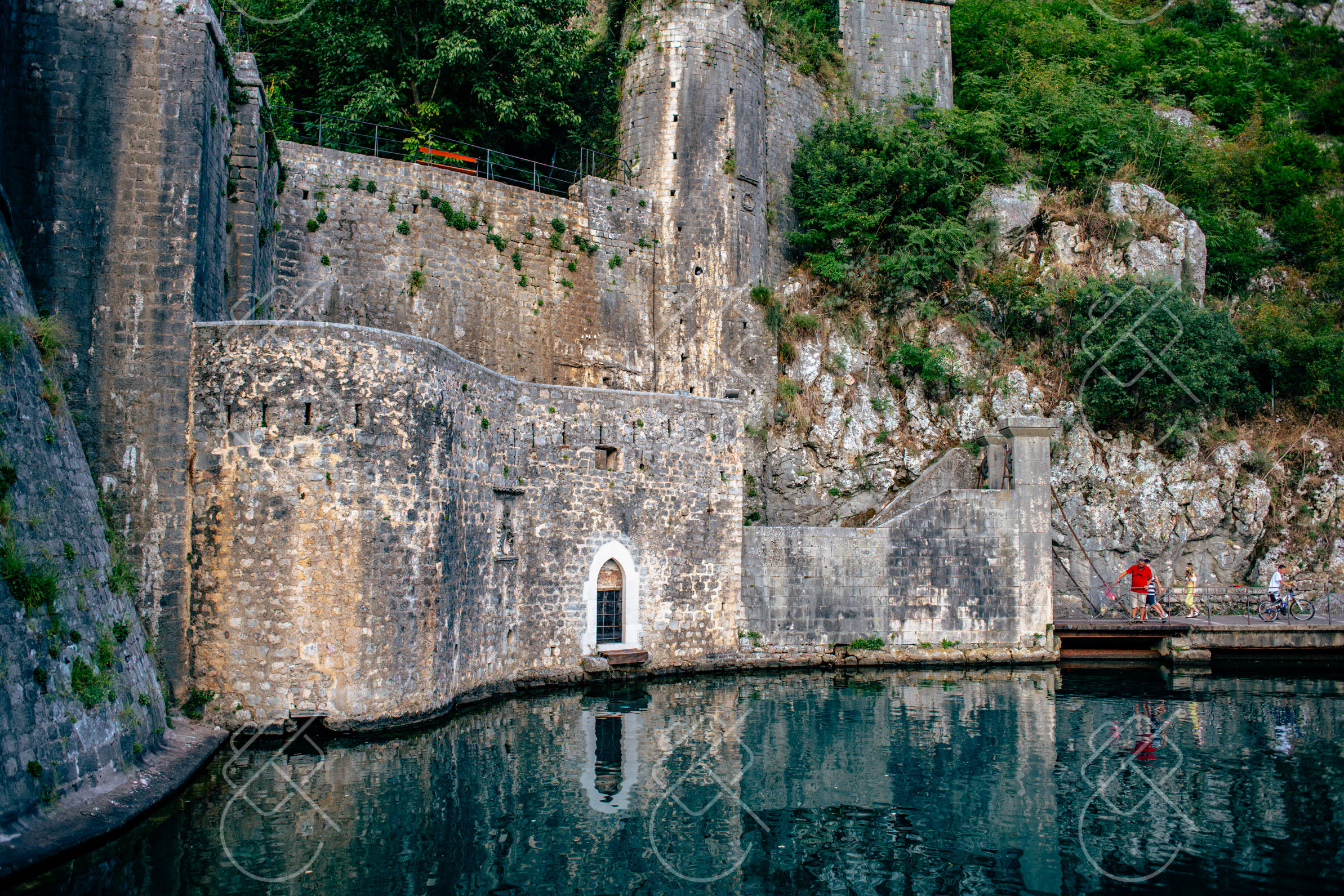 Destinations & Itineraries
By Clever Tourists · Published
Two to three days. We spent 3 days in Kotor, 20 to 23 August 2023, after Dubrovnik and before heading inland to the Komovi highlands. The walled Old Town is small enough to walk end to end in ten minutes, so the reason to stay is timing: the climb to St. John's Fortress is best at 7am, and the lanes are at their best in the evening after cruise passengers leave. Two days covers the town, the fortress and Perast with Our Lady of the Rocks. A third adds the Kotor serpentine up to Lovćen and Cetinje.
• 1 day: fortress at opening, Old Town in the morning, back in the lanes after 6pm. You miss the bay.
• 2 days: the town and fortress on day one, Perast and Our Lady of the Rocks on day two.
• 3 days: what we had. Add the 25 hairpins of the serpentine road to Njeguši, Lovćen National Park and the old royal capital of Cetinje.
• 4 or more: a beach day on the coast toward Budva, or a slower look at the other bay towns.
A day trip from Dubrovnik is the version to avoid in summer: the border can add hours each way, and the cruise crowds peak exactly when day-trippers arrive.
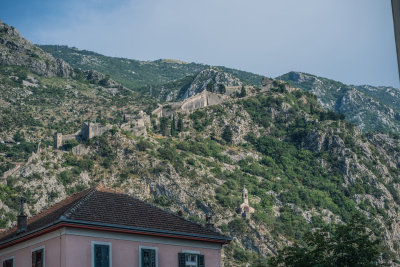
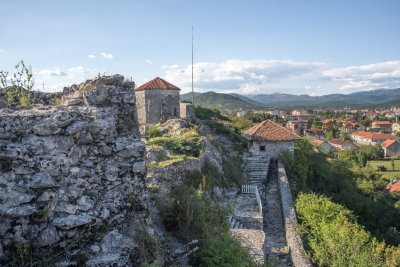
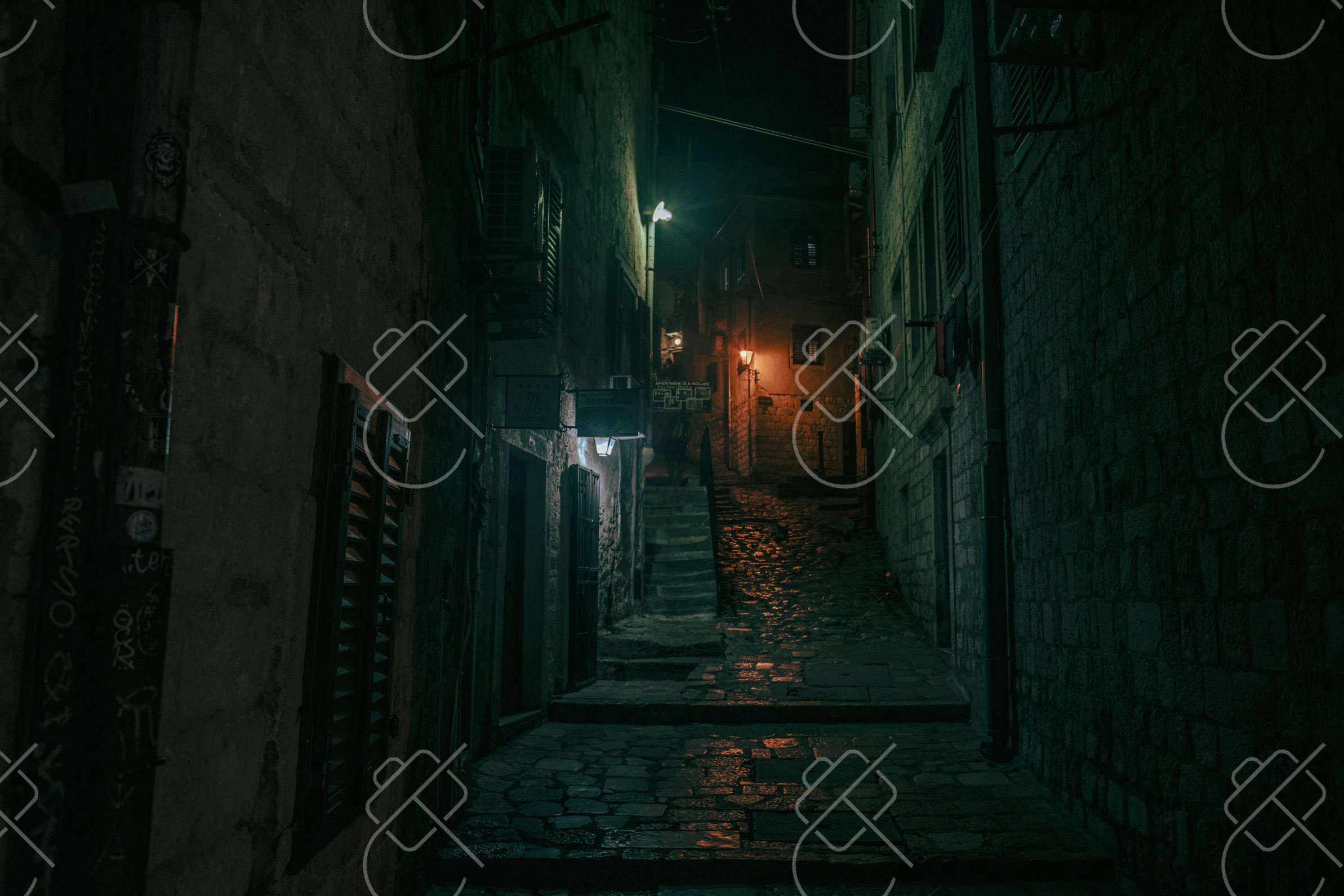
Day 1, the fortress and the Old Town. Climb the walls to St. John's Fortress when the ticket gates open at 7:00 (May to September). It is about 1,350 steps, 45 to 60 minutes up, with almost no shade, and costs €15 (≈ $16.7) for foreign visitors; bring cash. Details are in our Kotor fortress guide. Spend the rest of the morning inside the walls: the Sea Gate, Trg od Oružja, the Cathedral of St. Tryphon and the Maritime Museum. Midday is for shade and lunch; come back to the lanes in the evening.
Day 2, Perast and Our Lady of the Rocks. Perast is a small baroque town further round the bay, and short boat rides from its waterfront reach Our Lady of the Rocks, the man-made islet with a church built on a reef. Go early or late in the day: midday is when the tour boats arrive.
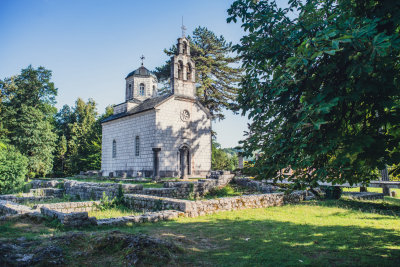
Day 3, the serpentine, Lovćen and Cetinje. The old Austro-Hungarian road climbs 25 numbered hairpins above the bay to Njeguši, known for its smoked ham, then on to Lovćen National Park and Cetinje. Driving up and coming back via Cetinje and Budva avoids descending the hairpins against traffic; see our Kotor serpentine guide and Cetinje guide.
More options from Kotor, ranked by payoff against travel time, are in day trips from Kotor.
On our route Kotor was the first stop in Montenegro: Dubrovnik (3 days) → Kotor (3) → Štavna (2) → Gusinje (3) → Žabljak (3). After the coast we went straight into the mountains: Štavna is a highland plateau at about 1,800 m below the Komovi peaks, and Gusinje sits on the edge of Prokletije National Park; see our Gusinje guide. Then came Durmitor; see how many days in Žabljak.
• From Dubrovnik: buses take about 2 to 2.5 hours plus the border at Debeli Brijeg, where summer queues of 2 to 3 hours are common. See Kotor to Dubrovnik.
• Flights: Tivat is the closest airport; Podgorica is the other option.
• Driving on: Montenegro's mountain roads mean narrow tunnels and police checks; read driving in Montenegro first. Our full 22 days in the country are in the Balkans itinerary.
Late May, June and September are the best months: the bay is warm enough to swim and the cruise crowds are thinner than in July and August. We were there in late August, which is high season: the fortress is only pleasant at 7am, and the Old Town fills up when ships are in port.
Stay inside the Old Town walls or a short walk outside them so you can be at the fortress gate at 7:00 and in the lanes after the day-trippers leave. Our Kotor guide covers the town in more depth. Restaurants on the coast often add a kuver cover charge; see kuver in Montenegro. Entry rules are in do I need a visa for Montenegro.
• Fortress: €15 (≈ $16.7) per foreign adult, collected from 1 March to 30 November; Montenegrin residents and children under 12 free. Bring euros in cash.
• National parks: Lovćen charges its own entry; a pass for all five Montenegrin national parks for a year has been listed at €13.50 (≈ $15.0), worth it if you go on to Durmitor as we did.
• Restaurants: many coastal places add a kuver for bread and service; tipping on top is optional.
• Money: Montenegro uses the euro, although it is not in the EU or Schengen, so expect passport checks entering from Croatia.
• Cruise days: check the ships in port before choosing which day to do the fortress and the Old Town; on busy days, swap with the Perast or serpentine day.
• Climbing the fortress at midday in summer. No shade, slippery stone and the most people. Go at 7:00 or in the last couple of hours before sunset.
• Relying on the Ladder of Kotor gap to skip the fee. It is a hiking trail, not an official entrance, with a drop on one side.
• Visiting only on a cruise or a Dubrovnik day trip. You see the town at its most crowded and leave before the evening.
• Descending the serpentine for the first time in heavy traffic. Drive it upward if you are nervous.
Yes for most people: the fortress climb and the Old Town on day one, and Perast with Our Lady of the Rocks on day two. A third day adds the serpentine road to Lovćen and Cetinje.
It covers the fortress at 7am and the Old Town, but you miss Perast and the rest of the bay.
About 45 to 60 minutes up the roughly 1,350 steps, and around two hours for the round trip. It costs €15 (≈ $16.7) for foreign visitors, collected from 7:00 in summer.
Yes, but in July and August the Debeli Brijeg border can add 2 to 3 hours each way. Staying two or three nights is the better plan.
Three days, 20 to 23 August 2023, after Dubrovnik and before the Komovi highlands, Gusinje and Žabljak.
Get our new Montenegro guides and practical tips by email: where to stay, what to eat, what things cost and the rules that catch travelers out.
Free. No spam, only new guides and tips.
Search verified local fleets with low security deposits and exact model delivery on Localrent.
Find the best deals on Montenegro accommodation with Booking.com.