Home
About us
Destinations & Country Guides
Travel Guides
Recipes
Featured
Photos As Art
Abstract Prints
Locations
Travel Gear
Travel Resources
Favorites
Photo Framer
Explore Photos
Contact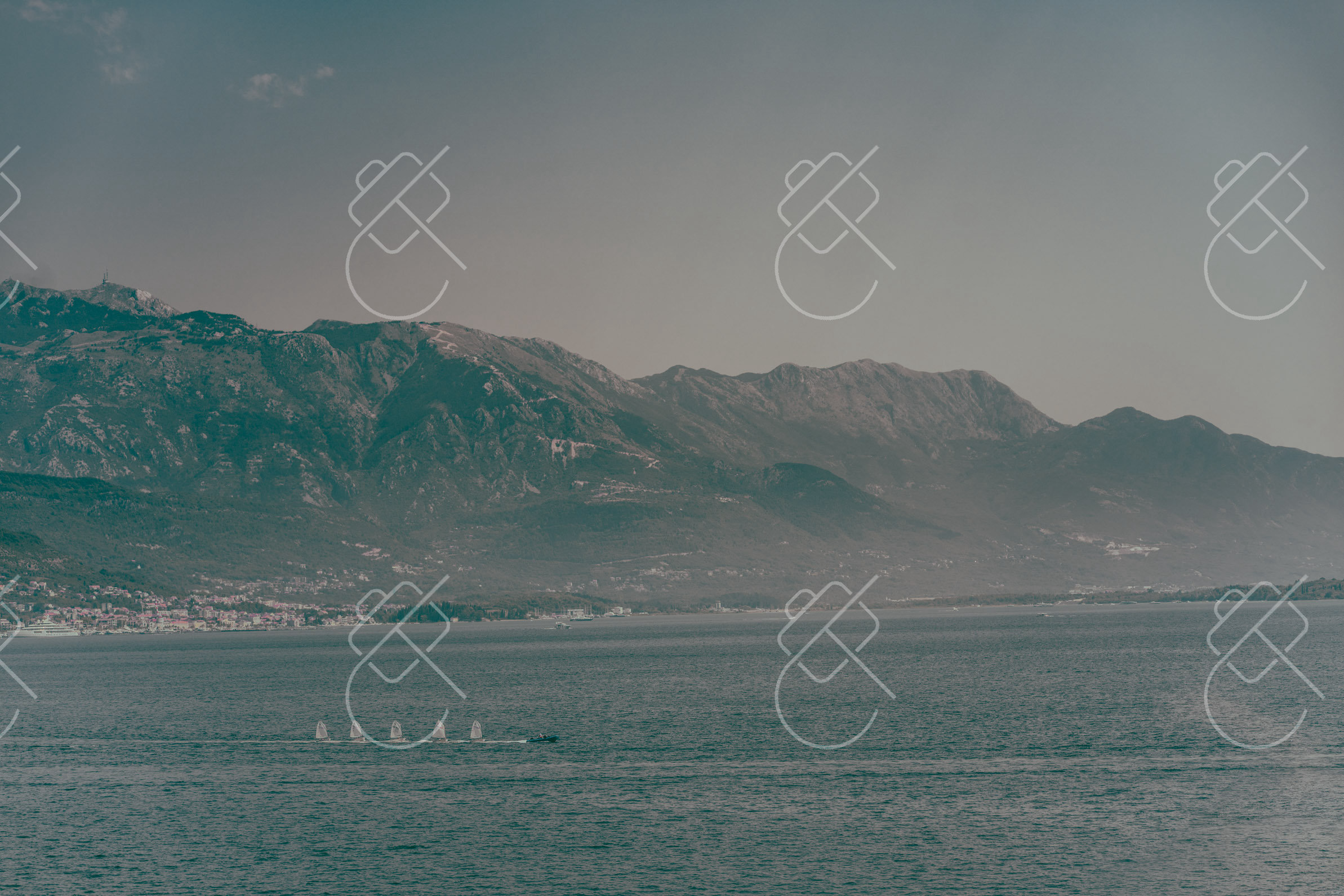 Destinations & Itineraries
By Clever Tourists · Published
Pick Croatia for islands, sailing, Roman and Venetian towns and the easiest logistics; pick Montenegro for lower prices, dramatic mountains and a shorter, cheaper coast. Kotor is only about 2 to 3.5 hours by road from Dubrovnik, so most people should do both. Croatia is bigger, more developed for tourism and more expensive, especially on the coast in July and August. Montenegro is small: the Bay of Kotor, a short Adriatic coast, and then high mountains inland that Croatia's coast cannot match. We spent 17 days in Croatia in August 2023 (Zagreb, Osijek, Zadar, Šibenik, Split, Dubrovnik) and went straight on to Montenegro for 22 days, from Kotor up to Žabljak and Gusinje and back down to Ulcinj and Podgorica.
• Island hopping and sailing: Croatia, with no contest. Hvar, Brač, Vis, Korčula and the Kornati are Croatia's; Montenegro has almost no islands to speak of.
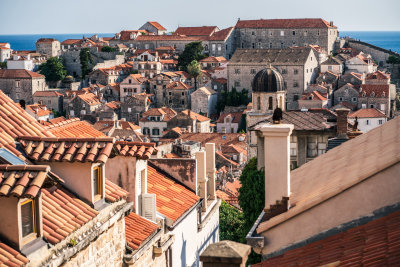
• Old towns: both. Croatia has Dubrovnik, Split's Diocletian's Palace, Zadar and Šibenik; Montenegro has Kotor, Perast, Budva's old town, Stari Bar and Ulcinj.
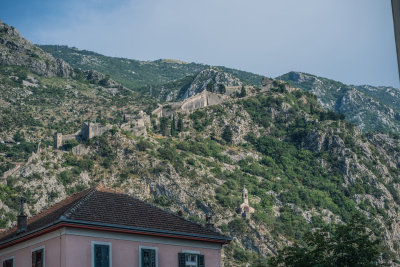
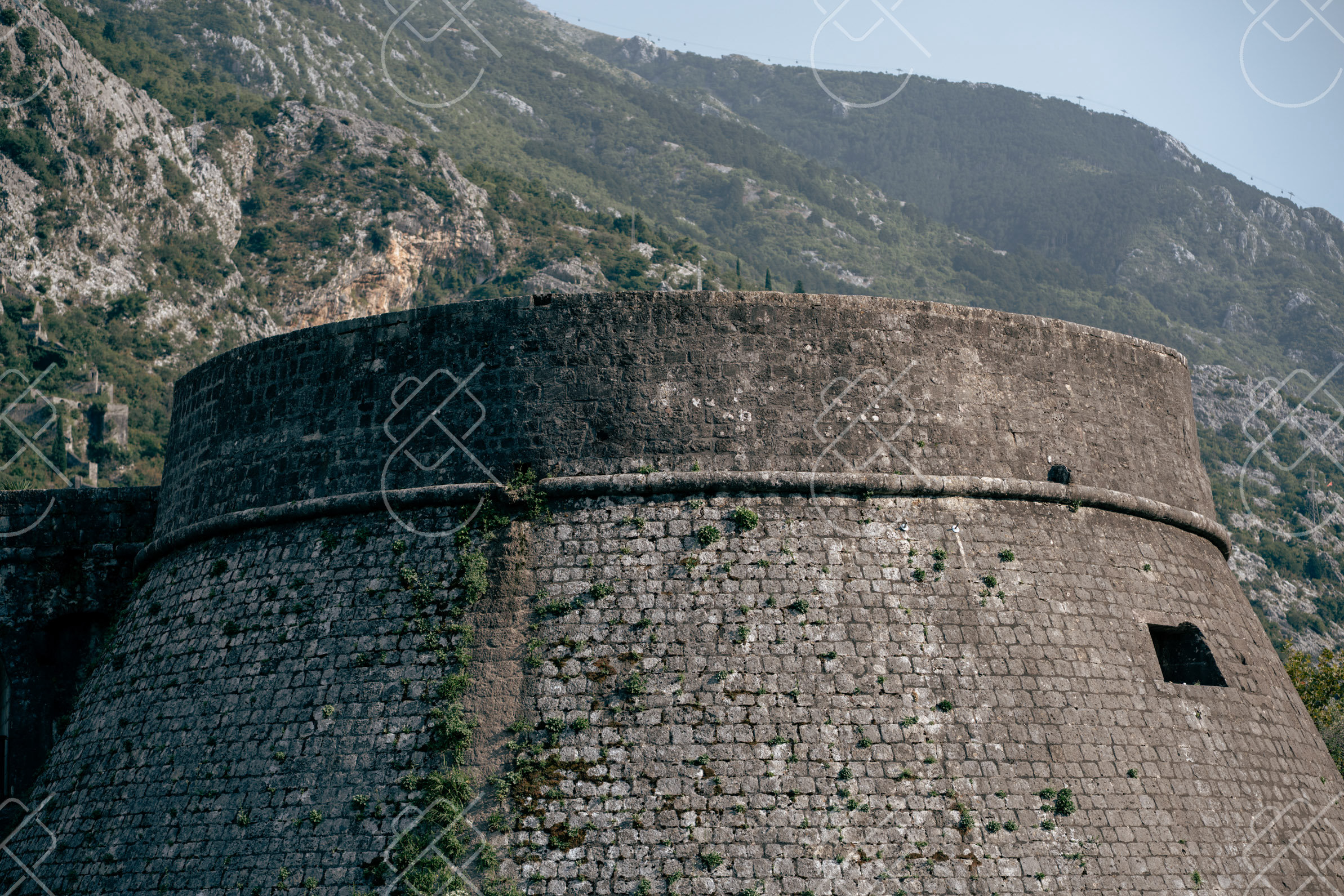
• Mountains and hiking: Montenegro. Durmitor around Žabljak, Prokletije around Gusinje and the Kotor fortress climb pack more relief into a small country than Croatia offers outside Plitvice and Paklenica.
• Budget: Montenegro, especially away from the Kotor and Budva coast.
• Easy first trip with good transport: Croatia. Buses and ferries along the Dalmatian coast are frequent and well signed.
• Road trip: Montenegro, if you are comfortable with narrow mountain roads. See driving in Montenegro.
• 10 days or more: both, crossing between Dubrovnik and Kotor.
Montenegro is cheaper overall, but Kotor and Budva in summer cost close to Croatian coast prices. Our daily travel budget by country gives Croatia about $50 to $75 a day on a budget and $95 to $170 mid-range, and Montenegro about $40 to $60 budget and $80 to $145 mid-range. These are typical ranges from travel-cost sources, not what we spent.
Both use the euro, so prices compare directly. Croatia switched from the kuna to the euro on 1 January 2023; Montenegro has used the euro for years without being in the EU.
The biggest single costs are the same in both: coastal rooms in July and August. Dubrovnik is the most expensive base in either country; Zagreb, Osijek and Zadar in Croatia, and Nikšić, Žabljak and Ulcinj in Montenegro, are cheaper. Sights add up in Dubrovnik, where the city walls ticket is steep, while the Kotor fortress climb costs much less.
Restaurants in Montenegro may add a cover charge (kuver): see the kuver explained. Montenegro also charges a small tourist tax per night, usually added by your accommodation.
Croatia has far more coastline, from Istria to Dubrovnik, with hundreds of islands and many clear coves. Most beaches are pebble or rock. Split and Zadar are good bases for boat days; see day trips from Zadar and day trips from Dubrovnik.
Montenegro's coast is short, about 100 km of open Adriatic plus the Bay of Kotor. The bay is the highlight: steep mountains dropping into calm water at Kotor and Perast. Sandy beaches are rarer on the Adriatic side, but Ulcinj's Velika Plaža in the south is a long sand beach. Petrovac and Sveti Stefan, where we stayed and visited in September 2023, are smaller and calmer than Budva.
If the trip is mainly about beaches and boats, choose Croatia. If you want one superb bay and then the mountains, choose Montenegro.
Croatia's inland highlights are Plitvice Lakes, Krka near Šibenik and the capital, Zagreb; see where to stay in Zagreb and day trips from Zagreb. Eastern Croatia, around Osijek where we spent 3 days, gets few foreign visitors.
Montenegro's interior is the reason to go. From Kotor we went up to Stavna, then Gusinje in the Prokletije mountains for 3 days, and Žabljak in Durmitor for 3 days. The Durmitor P14 panoramic road, the Tara canyon and Ostrog monastery near Nikšić are all within a few hours of the coast. Public transport to these places is thin, so a car makes a big difference.
Croatia is in the EU, the euro and Schengen; Montenegro is in none of them except the euro. Croatia joined Schengen on 1 January 2023, so days there count toward the 90 in 180 for visa-free visitors. Days in Montenegro do not, which is useful on a long Europe trip. See do I need a visa for Croatia and for Montenegro.
The Dubrovnik to Kotor crossing at Karasovići and Debeli Brijeg is a full border with passport checks both ways. Buses take about 2 to 3.5 hours depending on the queue, worst on summer weekends: see Kotor to Dubrovnik by bus. Rental cars need permission and insurance cover to cross; see driving across Balkan borders.
Inside Croatia, coastal buses and Jadrolinija ferries cover most routes. Montenegro has buses along the coast and to Podgorica, but mountain areas like Gusinje and Žabljak are much easier with your own car. Montenegro also has Tivat and Podgorica airports; Croatia has Zagreb, Zadar, Split and Dubrovnik.
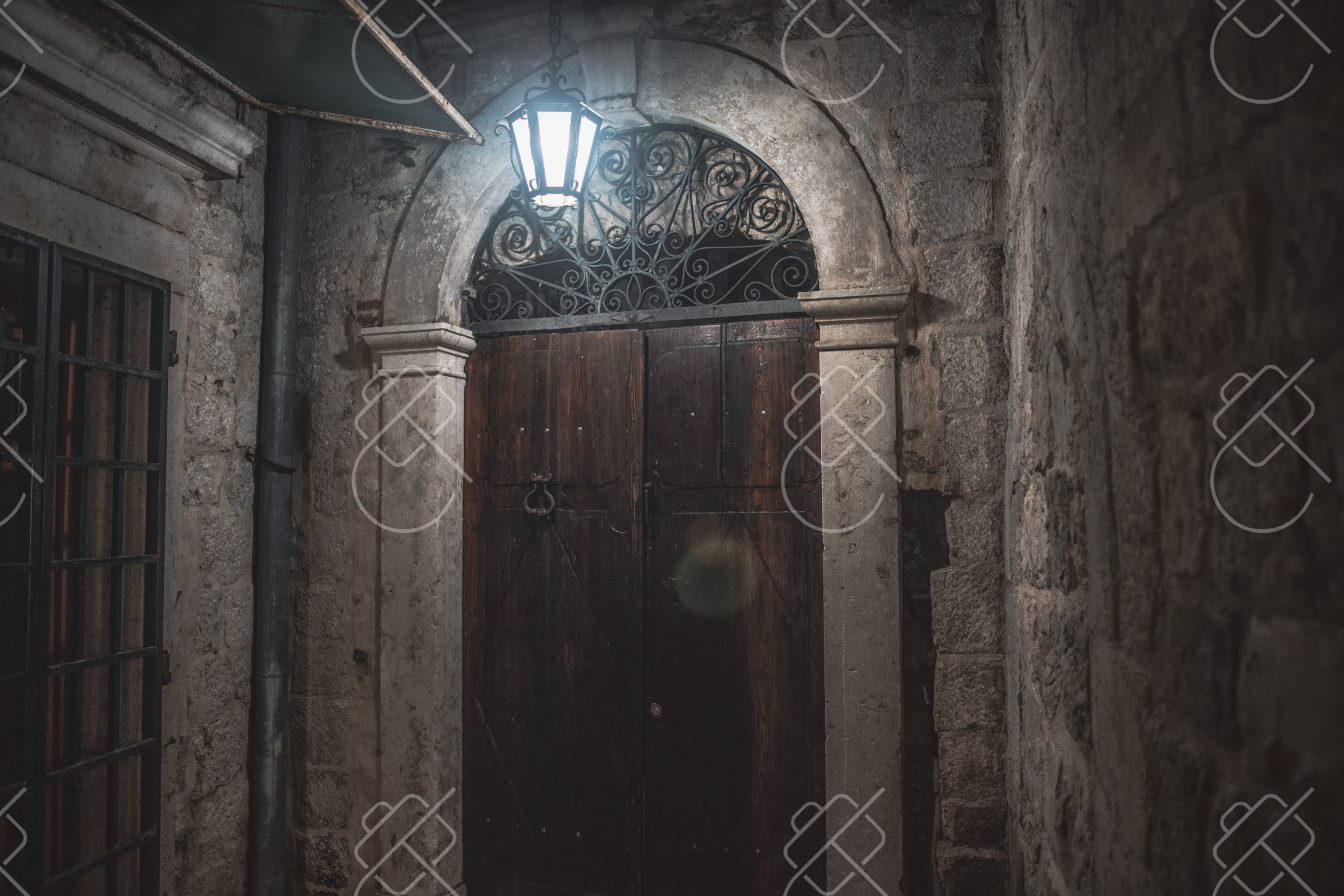
Both coasts peak in July and August, with cruise-ship days making Dubrovnik and Kotor old towns very crowded by late morning. Visit the old towns early or in the evening.
June and September give warm sea and fewer people in both; September also suits Montenegro's mountains before the cold. Many coastal businesses in both countries wind down from November to March, and Durmitor gets snow in winter. See the best time to visit Croatia.
• 7 days: 4 nights in Dubrovnik or Split, then 3 in Kotor, with Perast and the fortress climb. See how many days in Kotor.
• 10 to 14 days: Split, Dubrovnik, Kotor, then inland to Žabljak and back via Nikšić to Podgorica for flights.
• 3 weeks or more: our route, Zagreb, Zadar, Šibenik, Split and Dubrovnik, then Kotor, the mountains, the south coast and on to Albania. See the Croatia itinerary and the Balkans road trip.
Flying into Dubrovnik and out of Podgorica or Tivat avoids backtracking.
Yes overall. Typical budgets are about $40 to $60 a day in Montenegro and $50 to $75 in Croatia, though Kotor and Budva in summer come close to Croatian coast prices.
No. Montenegro uses the euro but is outside the EU and Schengen. Croatia joined Schengen on 1 January 2023, so there are passport checks between them.
About 2 to 3.5 hours by road, depending mainly on the border queue at Karasovići and Debeli Brijeg.
Croatia, for its islands and long coast. Montenegro's short coast is mostly pebble, but the Bay of Kotor is outstanding and Ulcinj's Velika Plaža is a long sand beach.
Yes. With 7 days, spend 4 nights in Dubrovnik or Split and 3 in Kotor. With 10 to 14, add Žabljak and fly out of Podgorica.
Get our new Montenegro guides and practical tips by email: where to stay, what to eat, what things cost and the rules that catch travelers out.
Free. No spam, only new guides and tips.
Search verified local fleets with low security deposits and exact model delivery on Localrent.
Looking for the best deals on Montenegro hotels? Check Booking.com.