Home
About us
Destinations & Country Guides
Travel Guides
Recipes
Featured
Photos As Art
Abstract Prints
Locations
Travel Gear
Travel Resources
Favorites
Photo Framer
Explore Photos
Contact Etiquette & culture
By Clever Tourists · Published
Turkish hospitality is insistent, and the etiquette is mostly about not rejecting it. The rules that actually matter are about the home, the tea, and the shoe — and the ones that matter least are the formalities visitors tend to research first.
Shoes come off at the door of a home, always. Hosts usually offer slippers or disposable slippers. Do not walk in with shoes and do not argue about it.
Bring a small gift if you are invited for a meal — baklava, chocolate, or something for the house. Flowers are less usual than sweets; avoid alcohol unless you know your host drinks.
Do not refuse food outright. Take some, even a little. Second helpings are a genuine offer and a single refusal is fine; refusing everything is not.
Tea is offered constantly and refusing every glass becomes a small statement. Accept the first.
Turkish coffee is served with a glass of water — drink the water first, then the coffee. The grounds stay in the cup; do not stir them in.
A second cup of tea is normal; a third is a compliment. You can decline after the first without offence, but declining before it is poured is the awkward move.
Do not compliment a baby or a new possession without adding a protective phrase. The nazar (evil eye) is taken seriously enough that people will say maşallah to deflect it. If someone compliments your child and you say nothing, the silence is a little charged.
Blue glass evil-eye charms are sold everywhere as protection, not decoration — you will see them pinned to doors and cars.
Do not step on a threshold in some traditional contexts, and do not sit with your feet pointed at a person.
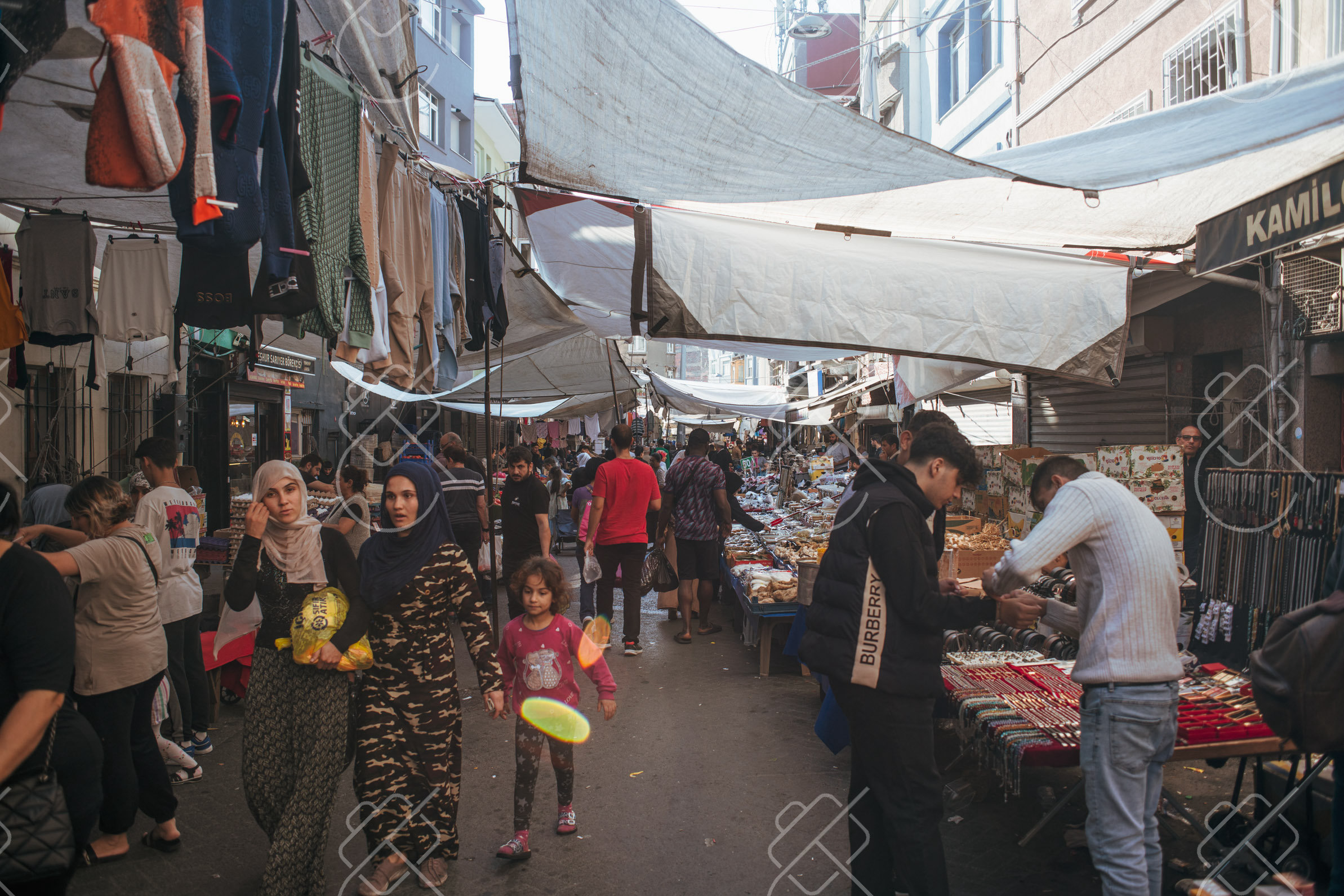
Bargaining is for markets and bazaars, not shops with price tags. Attempting it in a supermarket or a chain is the wrong move.
Walking away is part of the ritual in the Grand Bazaar and it is expected; being genuinely rude is not. See Turkey tipping for the money side.
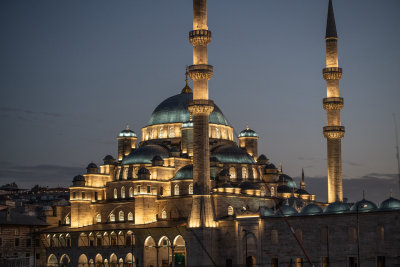
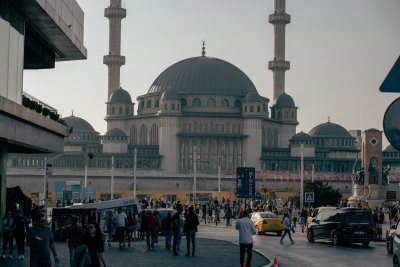
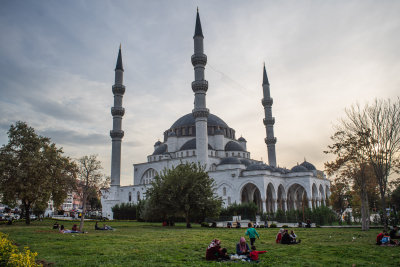
Do not photograph people without asking, and be careful around anyone praying — a mosque is an active place of worship, not a museum.
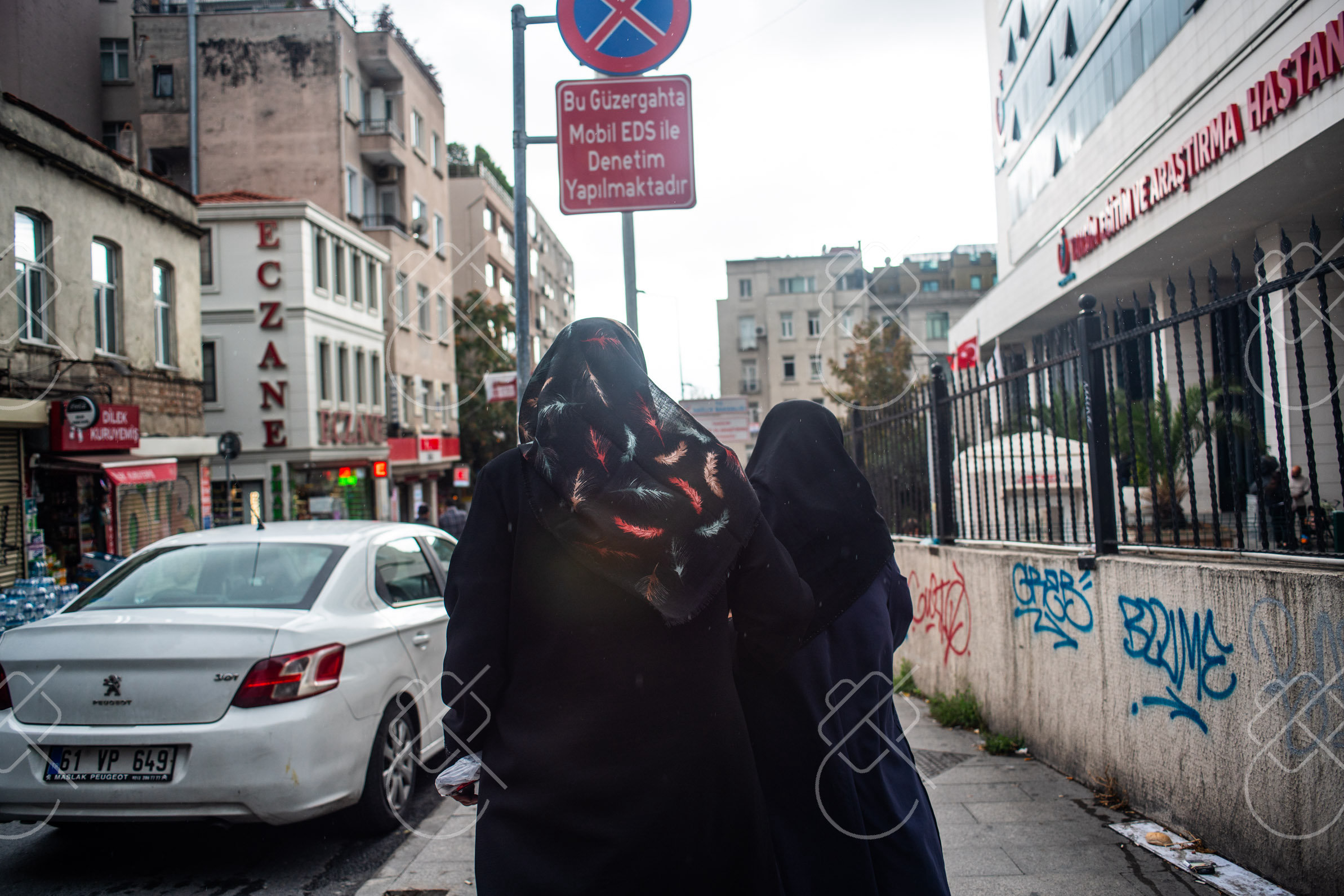
Shoulders and knees covered, and women cover their hair in most mosques. Scarves are usually available at the entrance of the big tourist mosques.
Shoes off before entering the prayer hall.
Do not walk in front of someone praying, and avoid visiting during prayer times if you can — the tourist mosques have set visiting windows.
Hagia Sophia is a working mosque now, so the rules are those of a mosque rather than a museum. Our Hagia Sophia guide covers entry, price and dress.
Always. Hosts usually offer slippers. Do not walk in with shoes and do not argue about it.
Refusing every glass becomes a small statement. Accept the first; you can decline later ones without offence.
The evil eye. The practical effect is that people say maşallah when complimenting a child or a new possession, to deflect envy. Join in rather than leaving a charged silence.
In most mosques, yes, and shoulders and knees covered. Scarves are usually available at the entrance of the major tourist mosques.
Get our new Turkey guides and practical tips by email: where to stay, what to eat, what things cost and the rules that catch travelers out.
Free. No spam, only new guides and tips.
Search verified local fleets with low security deposits and exact model delivery on Localrent.
Compare flights to Turkey and get the best deals on Kiwi.com.