
Home
About us
Destinations
Travel Guides
Recipes
Featured
Photos As Art
Abstract Prints
Locations
Travel Gear
Travel Resources
Favorites
Photo Framer
Explore Photos
ContactAnkara is often skipped in favor of Istanbul and Cappadocia, but Turkey's capital holds two sites that reward the detour: a solemn national mausoleum and a hilltop old town most visitors never see. It's less about postcard sightseeing and more about a different, quieter side of modern Turkish identity.
Published November 26, 2025
Tap any photo to open it full-screen and order a print.
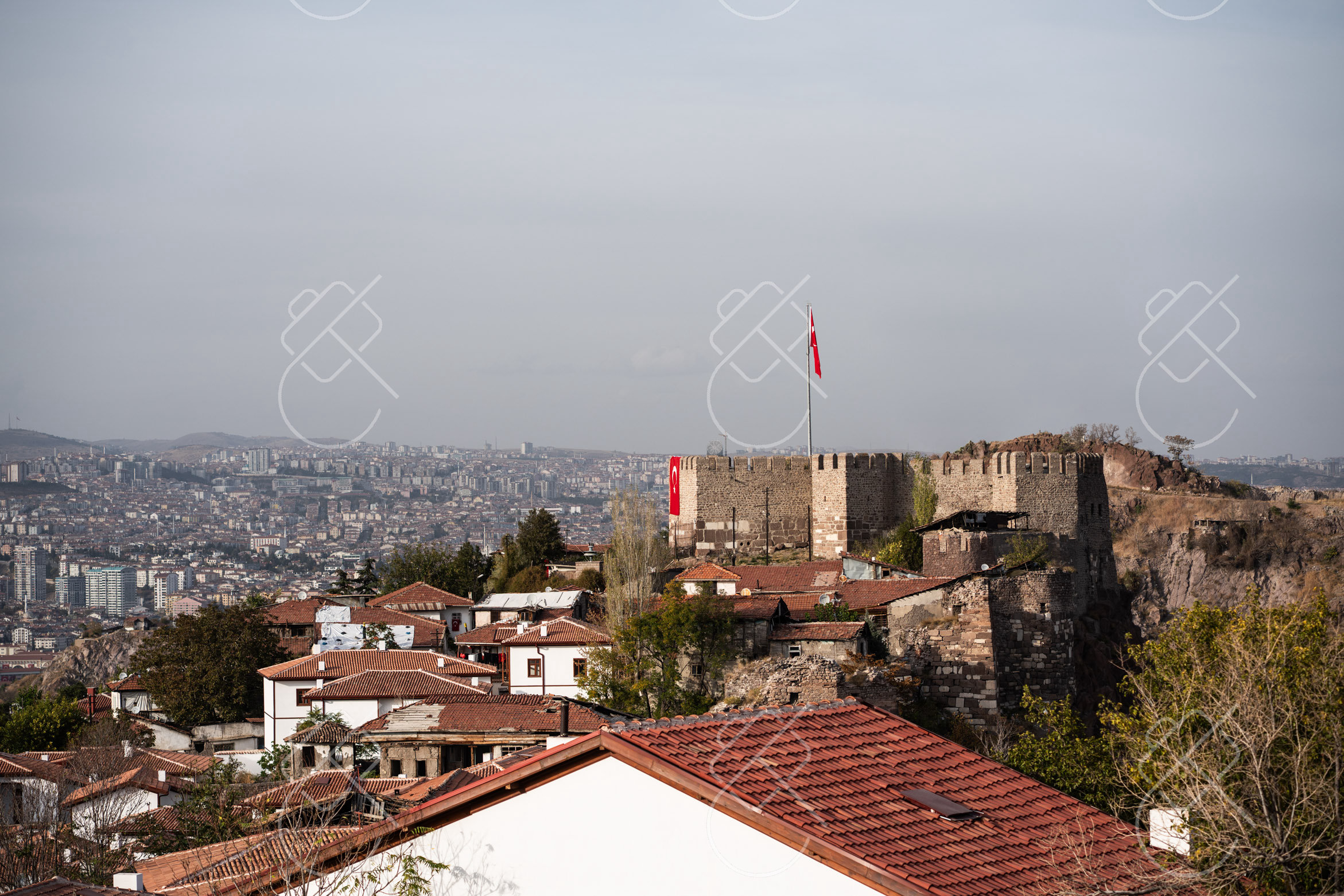
Turkey's capital trades Istanbul's postcard sprawl for something quieter: a hilltop citadel, a solemn mausoleum for the republic's founder, and the workaday rhythm of a government city that isn't performing for tourists.
Ankara doesn't try to be Istanbul, and that's the point. While Istanbul carries a thousand years of empire, Ankara is the newer capital — chosen by Mustafa Kemal Atatürk in 1923 as a clean break from Ottoman Constantinople, a symbol that the young republic was governed from the Anatolian heartland rather than the old imperial coast. The result is a city built around administration and monuments rather than mosques and bazaars, and it shows: wide boulevards, ministries, embassies, and far fewer visitors than the numbers Istanbul or Cappadocia pull in.
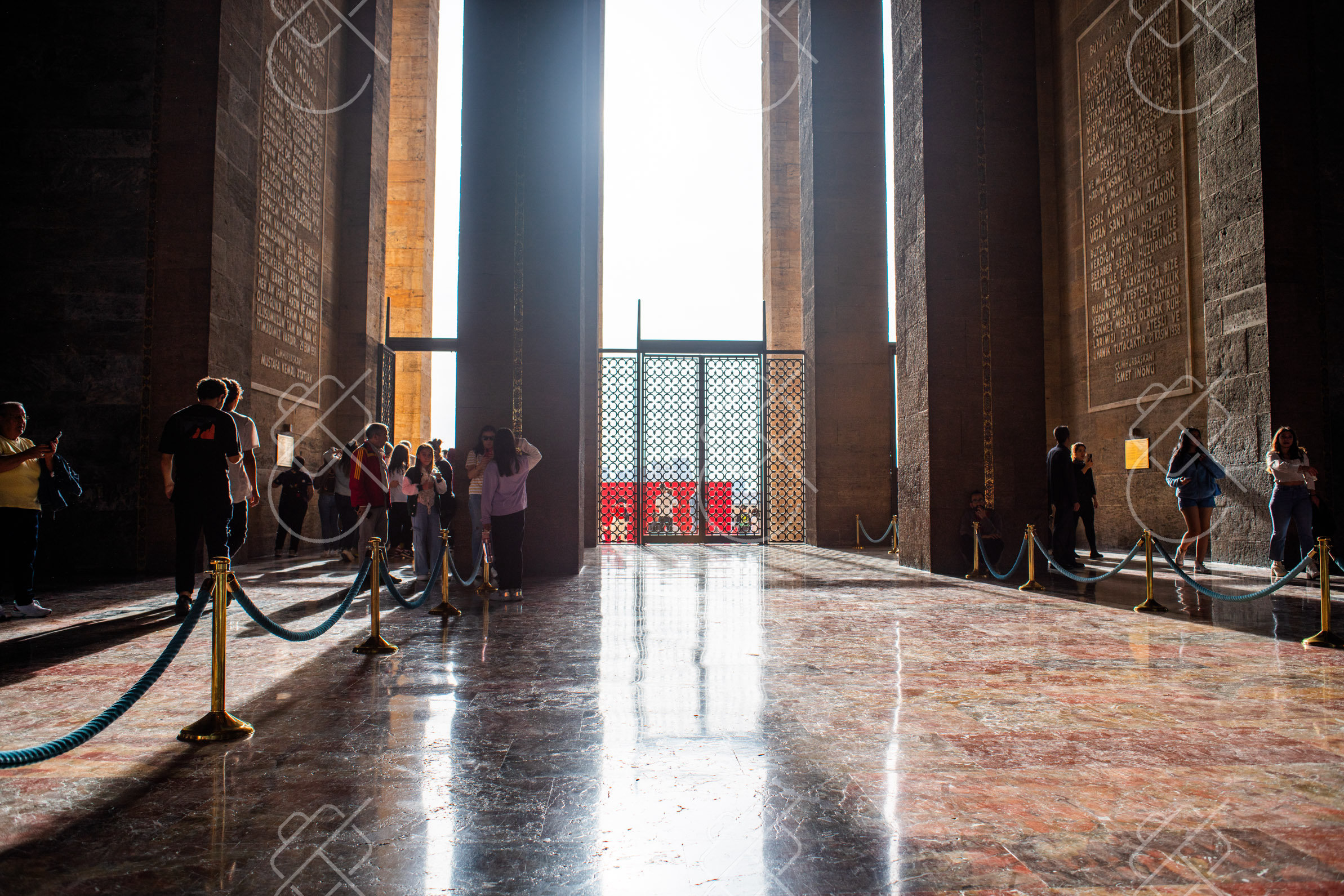
The Hall of Honor at Anıtkabir
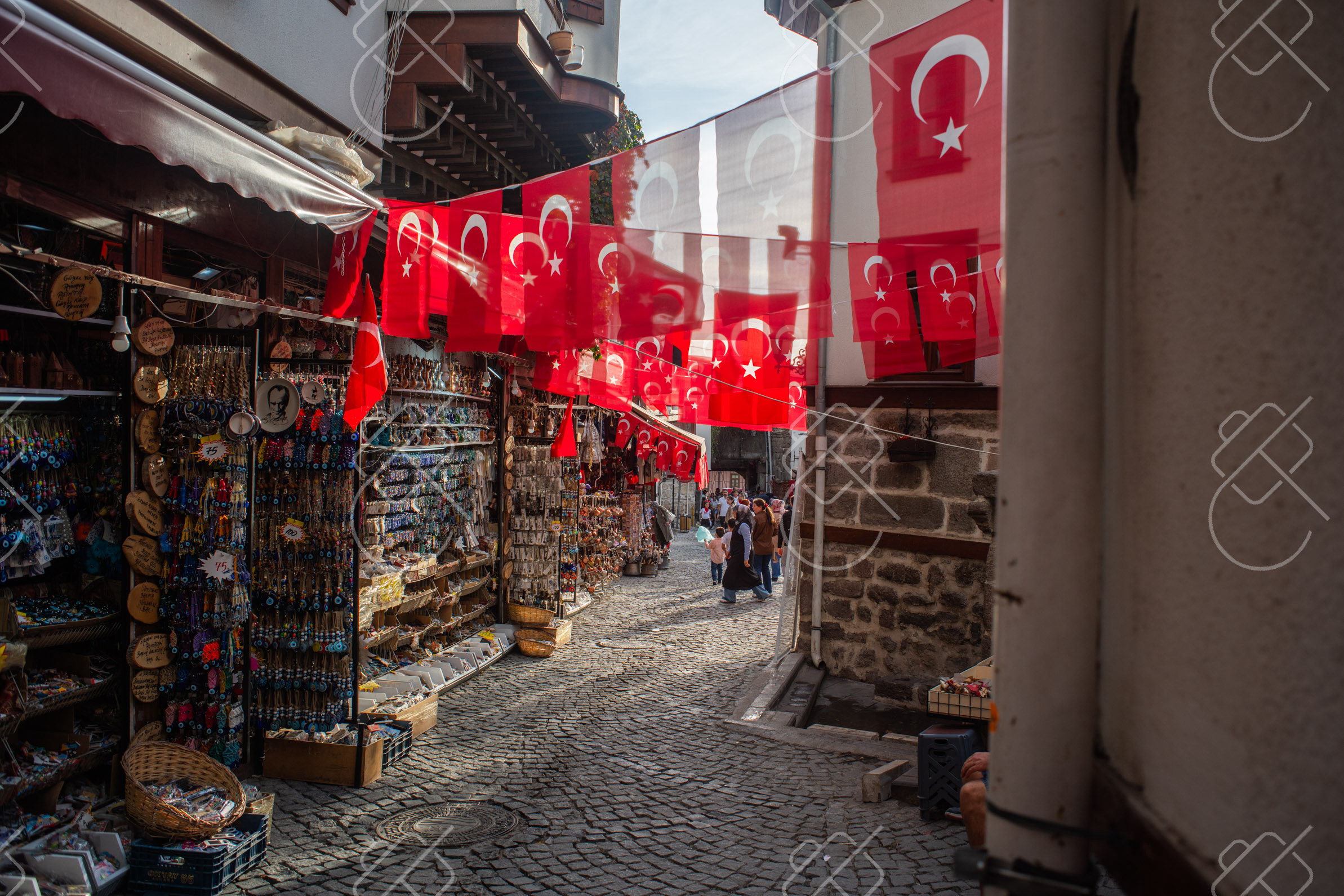
The two reasons to come are close together but couldn't feel more different. Anıtkabir, Atatürk's mausoleum, is a vast ceremonial complex of stone colonnades and an austere Hall of Honor where visitors fall quiet without being told to. A short drive away, Ankara Kalesi — the old citadel — sits on a hill above the modern skyline, its walls enclosing a genuine old town of cobblestone lanes, leaning houses, carpet shops, and cats sunning themselves on doorsteps. The view from the ramparts, city sprawling out toward the haze, is the best free vantage point in the city.
Spring (April–May) and autumn (September–October) bring mild, dry weather for walking the citadel and the open plazas at Anıtkabir. Summer gets hot and dusty; winter is cold with occasional snow, though the mausoleum's Hall of Honor is an indoor draw year-round.
Kızılay and Çankaya are the central, walkable districts with the most restaurant and hotel options; staying near the citadel puts you closer to the old town but slightly farther from Anıtkabir and the modern city center.
Ankara does a version of Anatolian home cooking rather than the international mix you get in Istanbul — expect grilled meats, lentil soups, and simit stalls, plus Ankara's own tava kebap. The area around the citadel has small, no-frills restaurants serving generous portions to locals rather than tourists.
Most visitors treat Ankara as a one-night stop between Istanbul and Cappadocia — that's enough time if you plan it: Anıtkabir in the morning (it's large and involves some walking, so go early before tour groups arrive), then the citadel and old town in the afternoon, timed for the light on the ramparts before sunset.
Get the best deals on where to stay in Ankara — Hotels.com.
Before setting out for Ankara, Turkey, World Nomads was the travel insurance policy we picked to cover the unexpected.
Transit cards, local customs, visa rules, and practical travel guides for this region.
See every destination from the 526-day journey:
Browse all destinationsCurious about the gear behind these photos? See the gear list.