Home
About us
Destinations & Country Guides
Travel Guides
Recipes
Featured
Photos As Art
Abstract Prints
Locations
Travel Gear
Travel Resources
Favorites
Photo Framer
Explore Photos
Contact Trip planning
By Clever Tourists · Published · Last updated
New Zealand needs an NZeTA with a NZ$100 tourism levy before you fly, a free traveller declaration before you land, and spotless hiking boots, because undeclared risk goods mean an instant NZ$400 fine. After that, the things that shape a trip are driving (on the left, on roads that are slower than the map suggests), weather that changes within hours, and planning around holidays when shops must close. Tipping is not expected. We spent 23 days on the South Island in February and March 2023, from Christchurch and Lake Pukaki to Te Anau, Milford Sound, Queenstown, Wanaka, Fox Glacier and Arthur's Pass. Fees and rules below are from Immigration New Zealand, the Ministry for Primary Industries and the Department of Conservation, checked in October 2026.
1. Get an NZeTA and pay the visitor levy before you fly. Americans, Britons, Canadians and most Europeans travel visa-free but must hold an NZeTA, requested through Immigration New Zealand's app (about NZ$17) or website (about NZ$23). The International Visitor Conservation and Tourism Levy, NZ$100 since 1 October 2024, is paid in the same application. Allow up to 72 hours for approval. Australians do not need one. See how to apply for the NZeTA and IVL and do I need a visa for New Zealand.
2. Complete the NZTD before landing. The New Zealand Traveller Declaration is free on the official site or app and can be done up to 24 hours before your flight. It covers customs, immigration and biosecurity questions. Ignore sites that charge for it.
3. Biosecurity is strict and the fine is instant. Declare food, plant and animal products, and outdoor gear such as tents and hiking boots, and say if you have visited a farm or forest. The Ministry for Primary Industries issues an instant NZ$400 infringement for undeclared risk goods. Scrub soil off boots before packing and bin leftover snacks before the arrival hall; declaring is always free.
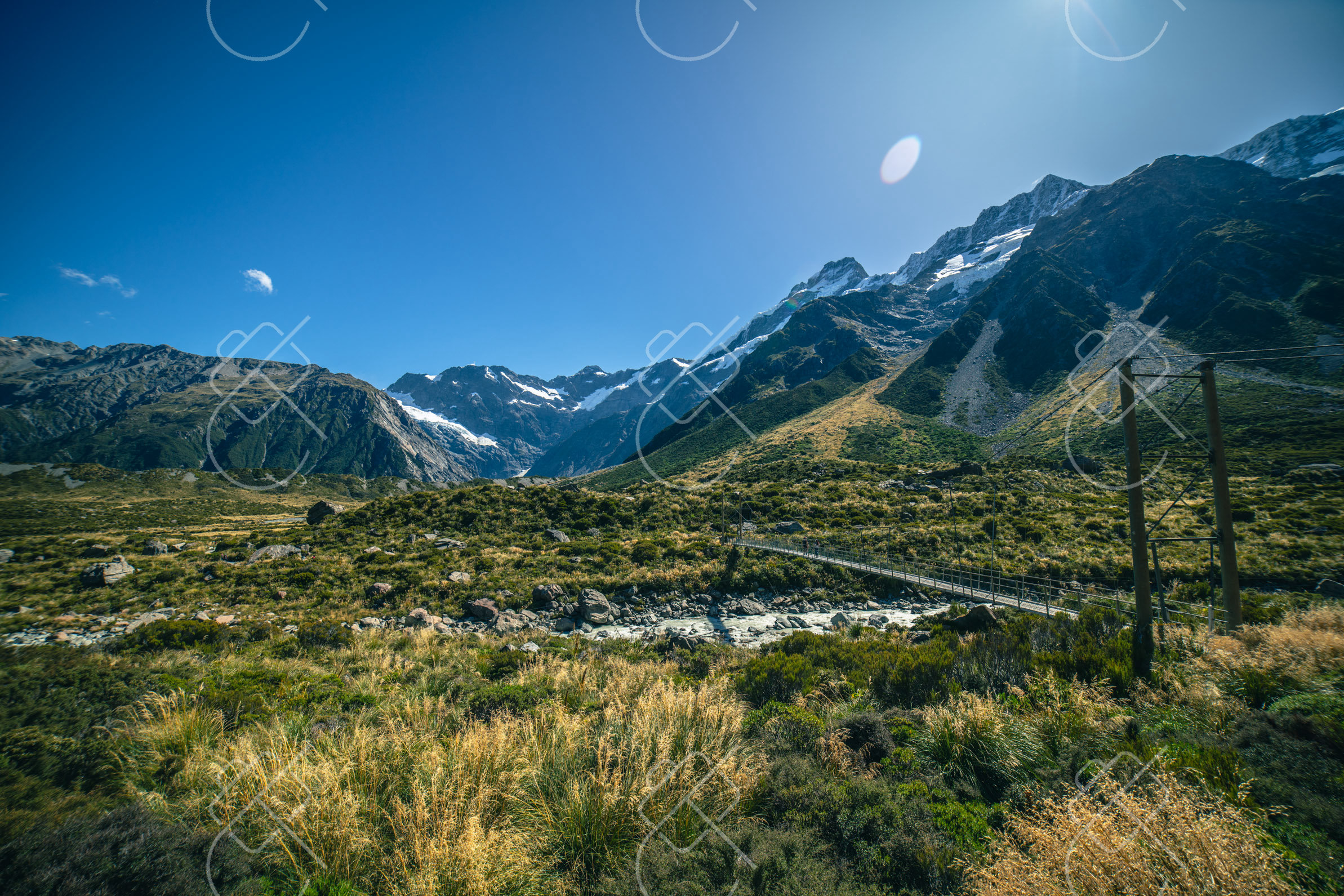
4. Prices include 15% GST, and tipping is optional. Shelf and menu prices already include GST. New Zealanders rarely tip; leaving 10% for very good restaurant service is appreciated, never expected. Some cafés add a surcharge on public holidays. More in tipping in New Zealand.
5. Cards and phone payments are normal. Contactless works almost everywhere, including small-town cafés and fuel stations. Carry a little cash for honesty boxes and some DOC campsites.
6. The vehicle is most of the budget. Our daily budget by country puts New Zealand at about $60 to $120 a day on a budget and $155 to $200 mid-range. Campervan or car hire, fuel and the Milford Sound cruise are the big lines; supermarket shopping helps (New Zealand grocery guide). Choosing a vehicle: cruise vs campervan.
7. Drive on the left, and add a third to Google's time. Visitors can drive for up to 12 months on a current overseas licence; if it is not in English, carry an approved translation or International Driving Permit. Roads are mostly two lanes, winding and shared with logging trucks and campervans, with many one-lane bridges where a sign shows who gives way. See driving in New Zealand, rules for US drivers and international driving permits.
8. Freedom camping has rules and fines. Sleeping in a vehicle outside a campsite is only allowed in permitted areas, and most require a certified self-contained vehicle. Councils fine people who camp where it is banned. The current rules are in our freedom camping guide.
9. Mountain roads close. The road to Milford Sound (State Highway 94) can close in heavy rain and for avalanche risk in winter and spring, and alpine passes such as Arthur's Pass see snow. Check NZTA Waka Kotahi's road status the morning you drive. See Milford Sound cruises and the Arthur's Pass road trip.
10. Mobile coverage has big gaps. Expect no signal on long stretches of the West Coast, Fiordland and alpine roads. Download offline maps and fill up with fuel when you can. Options: eSIM or local SIM.
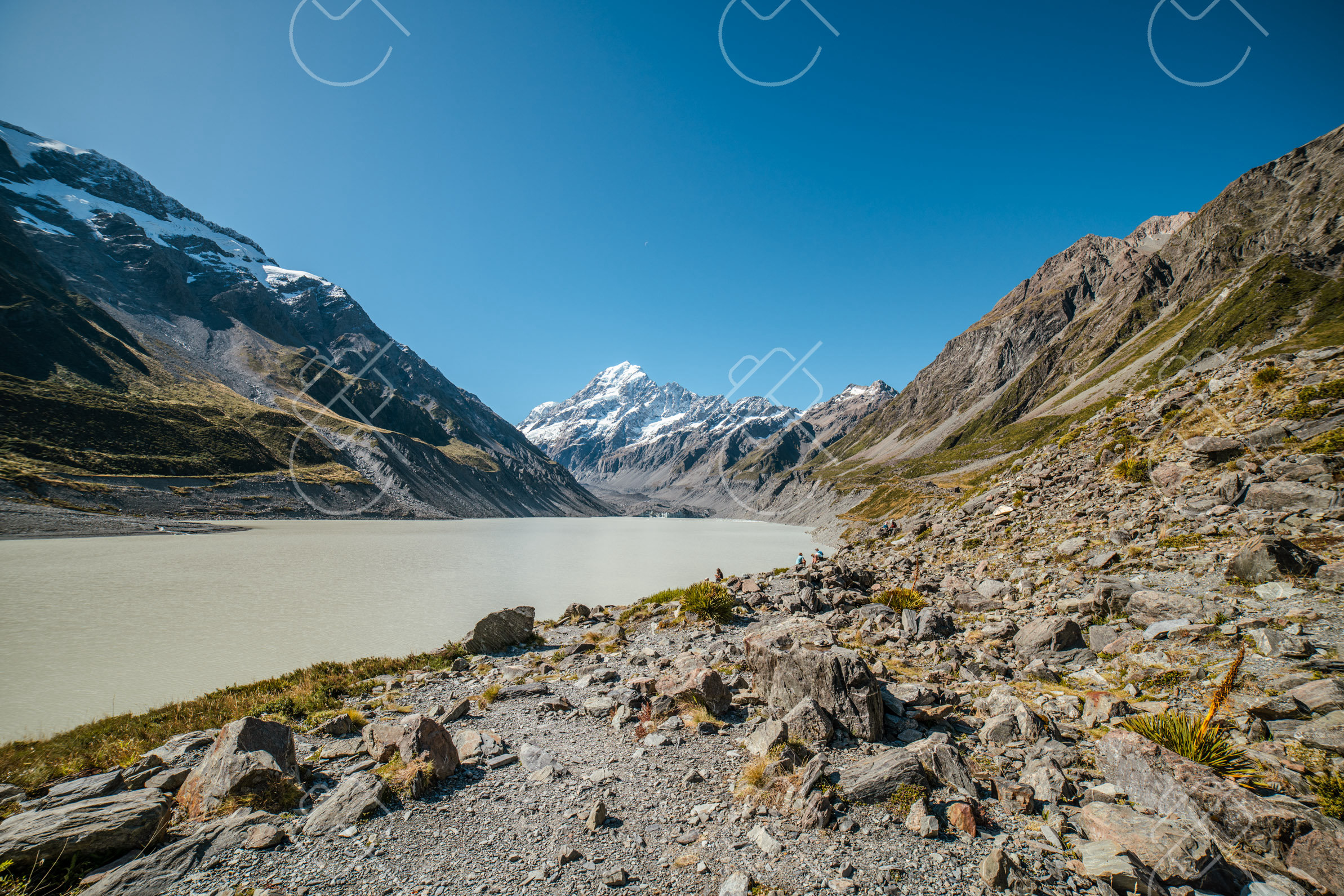
11. Book Great Walks and huts ahead. The Department of Conservation (DOC) takes bookings for Great Walk huts and campsites, which sell out for the summer season; day walks are free. Do not walk alpine tracks without checking DOC's track alerts and the forecast.
12. Access fees for tourists are planned, not law. The Conservation Amendment Bill would let DOC charge international visitors at Milford Sound, Aoraki/Mount Cook, the Tongariro Alpine Crossing and Cathedral Cove. It passed its first reading in May 2026 and is still before Parliament; DOC says the earliest start is summer 2027/28, with an early estimate of NZ$20 to NZ$40. Details: planned national park fees.
13. Pack for four seasons and sandflies. Weather in the mountains and on the West Coast can turn from sun to rain or snow in a few hours, even in summer, and the UV is strong. Bring a waterproof layer and insect repellent; sandflies are worst around Fiordland and the West Coast. December to February is summer and peak season, so book vehicles, Great Walk huts and Milford Sound cruises early for those months. Month by month: best time to visit New Zealand.
14. Some holidays close the shops. Most shops must close on Christmas Day, Good Friday and Easter Sunday, and until 1 pm on Anzac Day (25 April). Waitangi Day (6 February) is the national day. Plan supermarket runs around them, and read Christmas in New Zealand for the summer holiday period, when campsites fill.
15. Learn the Māori place names. Many places carry dual names, such as Aoraki/Mount Cook and Piopiotahi/Milford Sound, and te reo Māori is an official language. If you visit a marae, follow your hosts' lead on the welcome ceremony, remove shoes before entering the meeting house, and ask before photographing.
16. Plugs, water and emergencies. New Zealand uses the angled three-pin type I plug at 230 V, the same as Australia. Tap water is safe to drink in towns. The emergency number is 111. To put a South Island route together, start with our 23-day road trip, the 10-day itinerary and the New Zealand guide.
About NZ$117 through the official app (NZ$17 plus the NZ$100 visitor levy) or about NZ$123 on the website. Australians do not need an NZeTA.
An instant NZ$400 infringement for failing to declare risk goods such as food, plant material or dirty outdoor gear. Declaring is free, even if the item turns out to be allowed.
Only if your licence is not in English. Otherwise you can drive for up to 12 months on a current overseas licence. Without English on it, carry an approved translation or an IDP.
Most shops must stay closed until 1 pm on Anzac Day, 25 April. They are also closed all day on Christmas Day, Good Friday and Easter Sunday.
Get our new New Zealand guides and practical tips by email: where to stay, what to eat, what things cost and the rules that catch travelers out.
Free. No spam, only new guides and tips.
Search verified local fleets with low security deposits and exact model delivery on Localrent.
Compare New Zealand hotels and get the best deals on Hotels.com.