Home
About us
Destinations & Country Guides
Travel Guides
Recipes
Featured
Photos As Art
Abstract Prints
Locations
Travel Gear
Travel Resources
Favorites
Photo Framer
Explore Photos
Contact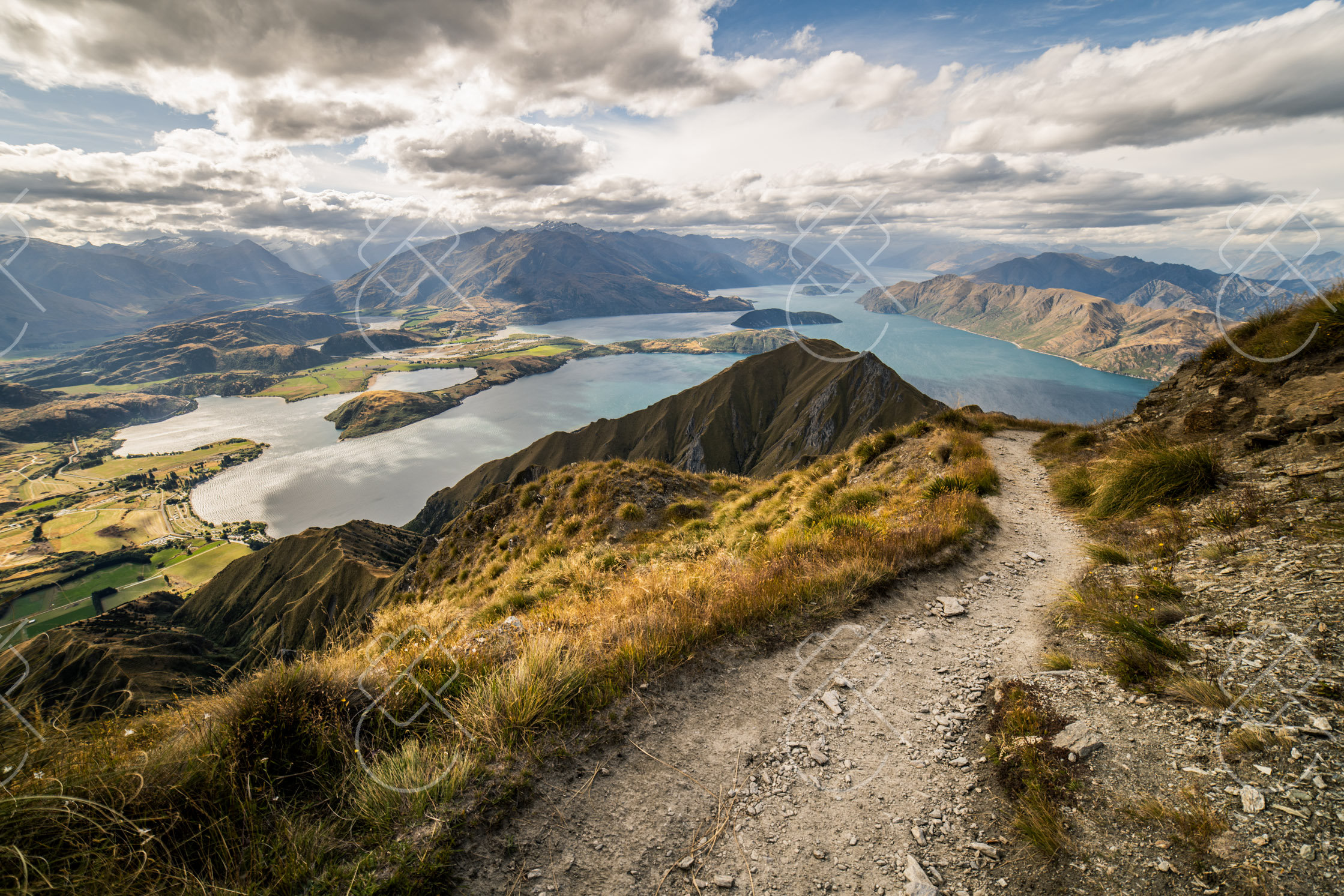 Destinations & Itineraries
By Clever Tourists · Published
Two nights. We spent 2 days in Wanaka, from 7 to 9 March 2023, after a night in Queenstown and before crossing the Haast Pass to the West Coast. Wanaka's reasons to stop are walks and the lake: the Roys Peak ridge, the Rob Roy Glacier track in Mount Aspiring National Park, and the lone willow in the water at dawn. Each big walk takes most of a day, so two nights gives you one of each. One night works if you only want the lakefront and a short climb; a third adds a rest day or a weather backup, which on the South Island is worth having.
• 1 night: the lakefront and That Wanaka Tree at sunset and sunrise, plus Mount Iron or a lakeside walk. Enough if you are passing through on the Haast Pass road.
• 2 nights: what we had, and the recommendation. One big walk per day.
• 3 nights: add a day on the water or a backup day for cloud on the tops.
Wanaka is about 68 km from Queenstown over the Crown Range, a little over an hour, so many people try it as a day trip. It works for the lakefront, but the big walks start early and end late, which is why the night matters.

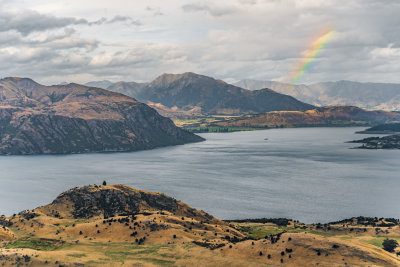
Day 1, Roys Peak or Isthmus Peak. The Roys Peak track is 16 km return with more than 1,200 m of climbing to a 1,578 m summit, and the ridge view over the lake and its islands is the one in the photographs. Allow most of a day and start early, both for the light and because the car park fills. The track closes for lambing from 1 October to 10 November every year. In that window, or if you want fewer people, the Department of Conservation recommends Isthmus Peak on the Lake Hawea road, a similar length and climb with equally big views.
Day 2, Rob Roy Glacier. Drive about 54 km west up the Matukituki valley to the Raspberry Creek car park, about 1 hour 20 minutes, the last 30 km on gravel with several fords in the final stretch that can be impassable after heavy rain. The Rob Roy track is 10 km return, 3 to 4 hours, climbing through beech forest to a lookout under the hanging glacier. Check road and avalanche conditions with the DOC visitor centre in town before you go. From May to November, avalanche risk can limit you to the lower lookout.
Evenings and mornings. That Wanaka Tree, the willow standing in the shallows of Roys Bay, is a short walk along the lakefront from town; dawn is quieter than sunset. Our New Zealand guide has more on the lake and the walks.
On our 23-day South Island loop, Wanaka came after Te Anau, Milford Sound and one night in Queenstown, and before Haast and Fox Glacier. That order uses Wanaka as the jumping-off point for the Haast Pass: about 140 km to Haast, 2 to 2.5 hours without stops, then about 120 km up the coast to Fox Glacier. Allow most of a day with the lookouts and waterfalls on the way, and check NZTA Journeys for closures, since the pass shuts for slips a few times a year.
Our 10-day South Island itinerary gives Wanaka a single night and says to add a second if you have two weeks. If you are new to driving on the left, our New Zealand driving guide covers one-lane bridges and the Crown Range's hairpins.
Stay in town near the lakefront; everything, including the Roys Peak trailhead a few minutes down the Wanaka to Mount Aspiring road, is a short drive. Our where to stay in Wanaka guide compares the options.
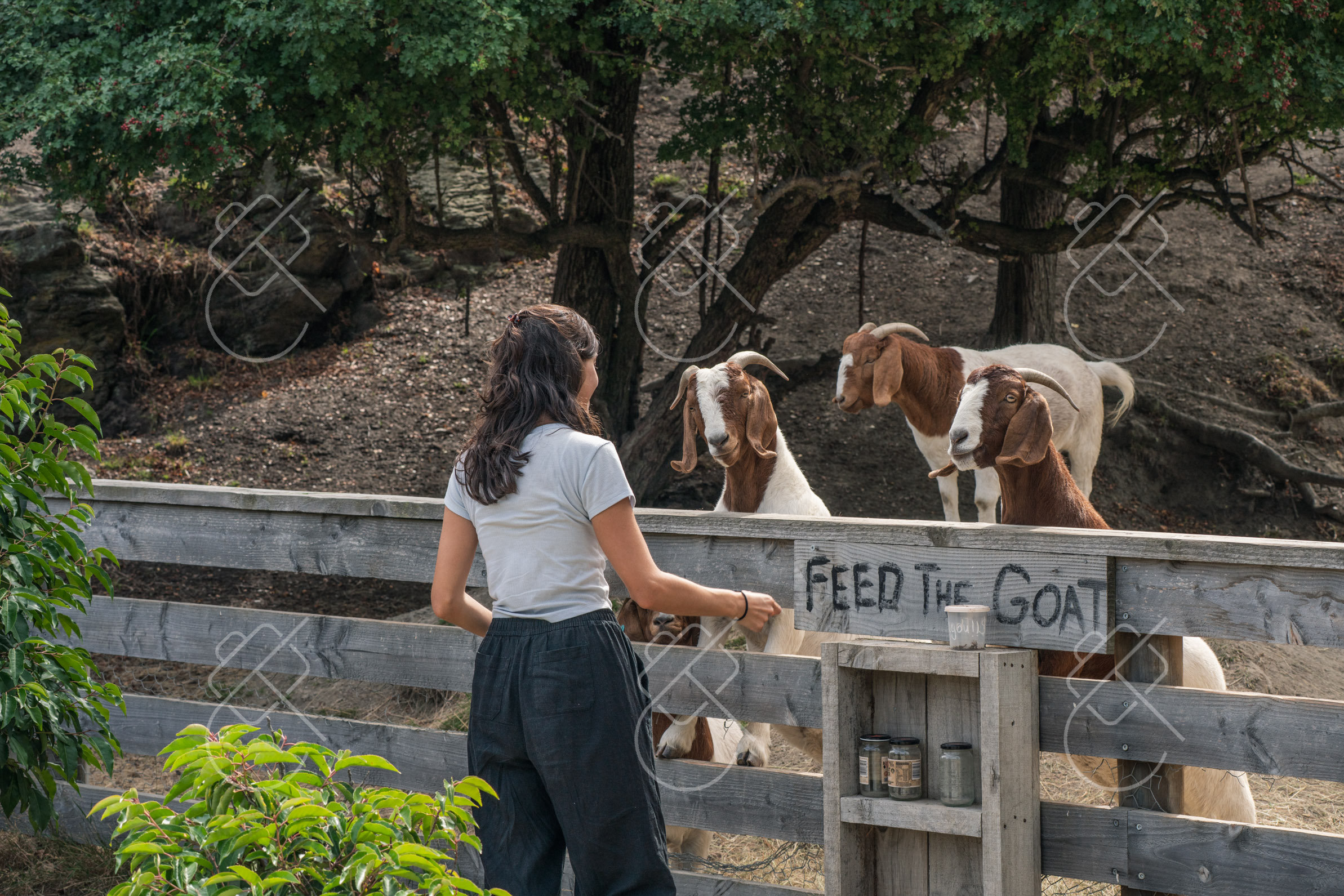
Not every Wanaka day has to be a 16 km climb. These fill a half day or a rest day between the big walks, all close to town.
• Mount Iron: a short climb on the edge of town to a summit with views over the lake, the town and the Clutha River.
• The lakefront: the path along Roys Bay to That Wanaka Tree and beyond, flat and easy at any time of day.
• The Haast Pass road: if you are leaving toward the West Coast, the lookouts and waterfalls on the pass, including the Blue Pools, break up the drive.
• The DOC visitor centre in town has current track, avalanche and road conditions, worth a stop before the Rob Roy drive.
Wanaka is also a natural rest stop on a long road trip. After Fiordland's early starts and long drives, two nights in one place with a lake on the doorstep is part of the value, which is how it fell on our route.
December to March is walking season, with long evenings and warm, dry days; we were there in early March, at the end of summer. Late March and April bring autumn colour to the poplars and willows around the lake. In winter (July and August) Wanaka is a ski town, and the high tracks carry snow and avalanche risk.
Remember the Roys Peak lambing closure from 1 October to 10 November if you are visiting in spring.
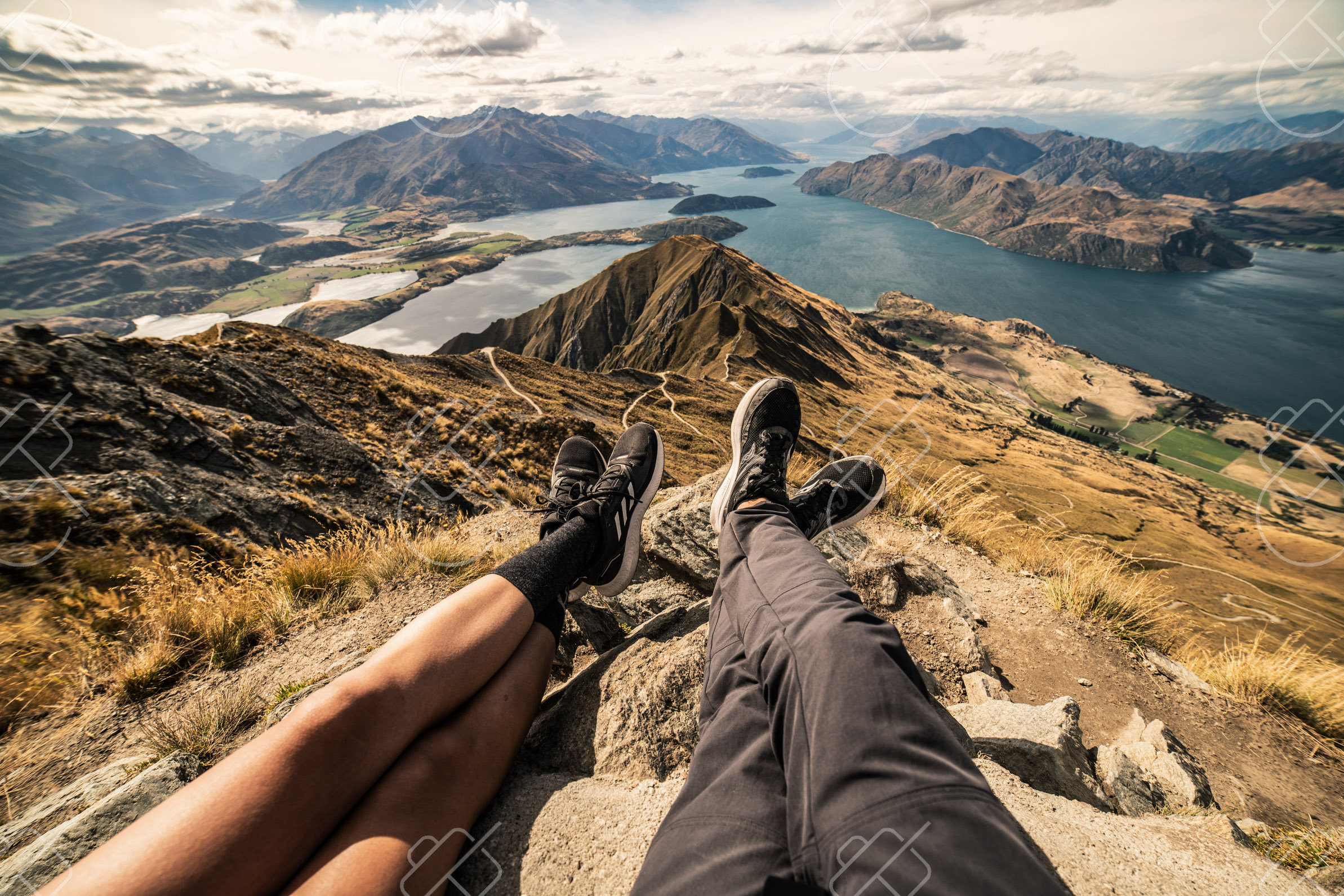
• Doing Roys Peak as an afternoon walk. It is a long, exposed climb with no shade; start early and carry water and layers.
• Driving the Matukituki road after heavy rain. The fords rise fast. Ask at the visitor centre first.
• Treating Wanaka as a Queenstown day trip. You lose the dawn at the lake and the early start on the tracks.
• Tipping out of habit. It is not expected in New Zealand; see tipping in New Zealand.
Yes. Two nights gives one big walk per day, Roys Peak or Isthmus Peak and the Rob Roy Glacier track, plus the lakefront and That Wanaka Tree. We spent 2 days.
No. The track closes for lambing from 1 October to 10 November every year and reopens on 11 November. Isthmus Peak is the recommended alternative.
10 km return, about 3 to 4 hours, from the Raspberry Creek car park, which is about 1 hour 20 minutes' drive from Wanaka, the last 30 km on gravel with fords.
About 68 km over the Crown Range, a little over an hour's drive.
Get our new New Zealand guides and practical tips by email: where to stay, what to eat, what things cost and the rules that catch travelers out.
Free. No spam, only new guides and tips.
Search verified local fleets with low security deposits and exact model delivery on Localrent.
Best deals on New Zealand hotels this week — check Booking.com.