 Trip planning
By Clever Tourists · Published
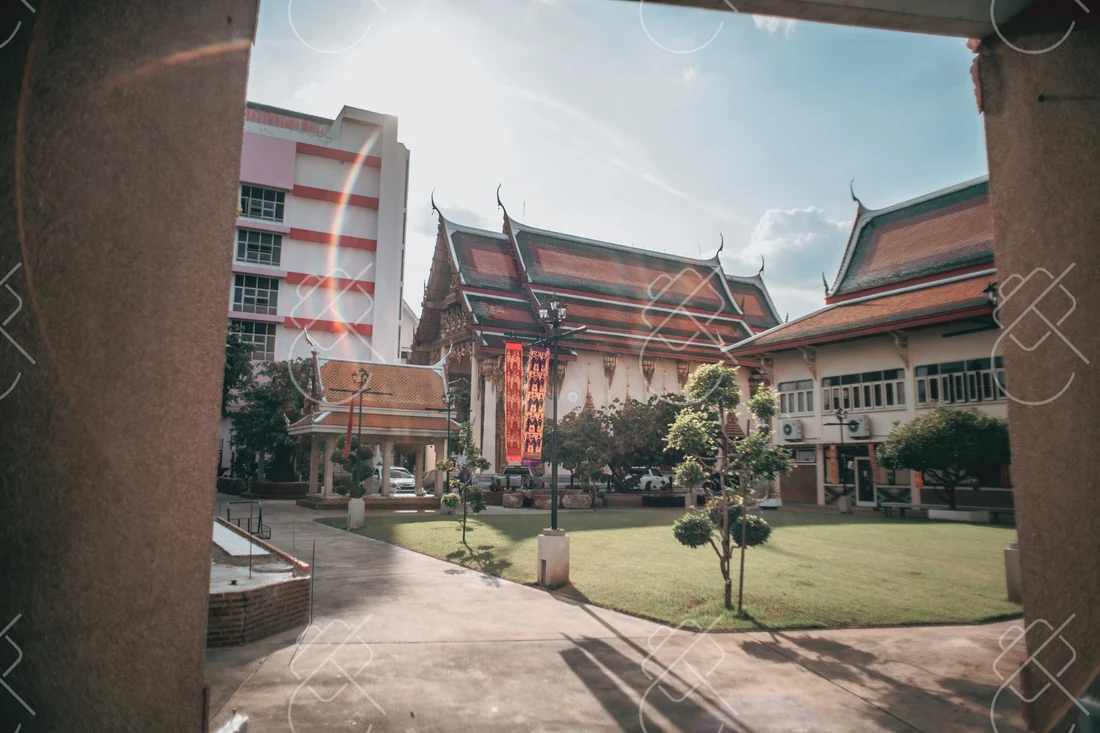
Start your first solo trip with one manageable destination, a booked first night and a clear plan for getting from your arrival point to your accommodation. Leave room to explore once those basics are settled. Solo travel gives you control over the pace, budget and things you do, but it also puts the everyday decisions on you. A good first trip makes those decisions easier. This guide covers choosing a destination, travelling on a budget for one, meeting people and making time alone enjoyable. Our opening photograph is from Laguardia, Spain, in July 2022.
This page contains affiliate links. If you book or buy through them we may earn a commission, at no extra cost to you.
Start with what you enjoy doing. A walkable city with museums and cafés, a small-group food trip or a quiet coastal base can all work. Choosing somewhere because it tops a generic solo-travel ranking is less useful than knowing how you would spend an ordinary afternoon there.
For a first attempt, consider a weekend or several nights in one place. That is an editorial suggestion rather than a rule: the aim is enough time to settle in without making your first experience a test of constant transfers. A nearby destination can teach you plenty about how you like travelling alone.
Compare the whole journey. Look at arrival time, transport from the station or airport, the accommodation's check-in arrangements and how you will get around. A slightly less exciting destination with straightforward logistics may be the better first trip. Read current official advice for your destination and circumstances before booking.
Book the first night before travelling and save the address, check-in instructions and an offline copy of the route. If possible, choose an arrival that leaves time to find your accommodation while reception or your host is available. Check what happens if your train or flight arrives late.
New Zealand's SafeTravel guidance for people travelling alone specifically recommends arranging your first night's accommodation even when the rest of the trip is flexible. That small commitment removes a decision at the point when you may be tired and carrying your bags.
Keep the first evening simple: check in, find a meal nearby and get your bearings. For the following days, pick one main activity and a few optional ideas. You can spend longer somewhere you like, skip an attraction or take an afternoon off without having to negotiate a group itinerary.
| Stage | Arrange ahead | Leave flexible |
|---|---|---|
| Arrival | Accommodation, check-in and transfer plan | A simple nearby meal |
| First full day | One activity that helps you get oriented | Neighbourhood walks and cafés |
| Middle of the trip | Anything with a genuine booking deadline | Time alone or a shared activity |
| Departure | Transport, checkout and baggage arrangements | One small stop if time allows |
Some costs are yours alone: a private room, airport transfer or hire car may cost much the same whether one or two people use it. Compare the total you will pay, including baggage, local transport, accommodation fees and any single supplement on an organised trip.
Choose the accommodation around how you want to spend your time. A hostel can offer an easy way to meet people, but read recent reviews for noise, lockers and the atmosphere you want. A private room in a sociable property can be a useful middle ground. A hotel may suit you better if privacy and rest matter more than organised activities.
Keep some room in the budget for convenience: an easier arrival transfer, a better-located room or an activity you genuinely want. The cheapest option can become frustrating if it adds a difficult journey every evening. Carry a backup payment option separately from your main wallet and know how you would contact your bank if a card stopped working.

Practical travel tips, straight to your inbox. Unsubscribe anytime.
Give yourself a few easy opportunities for conversation. A small-group walking tour, cooking class or activity connected to an interest can make introductions easier because there is already something to talk about. Check the organiser, group size, meeting point and cancellation terms before booking.
You can also choose one property with a shared lounge or optional activities. Being able to join something when you feel like company is different from committing your whole trip to a group. Travelling alone does not require you to stay alone, and it does not require you to make friends every day.
Keep control of your own plans when meeting new people. Meet somewhere public, keep a way to return independently and avoid feeling obliged to continue an evening that no longer suits you. Australia's Smartraveller solo-travel guidance also recommends regular check-ins with someone at home.
Start with a setting that feels comfortable to you: breakfast at a café, lunch at a market or an early meal somewhere casual. Look at the menu and opening hours before you go so you can choose for the food rather than making the decision while hungry and uncertain.
Bring a book if you like, sit at a counter when that is an option, or simply enjoy the meal. You do not need to turn dinner into a social exercise. A food tour or class can add company on another evening if that appeals.
There will be moments when having someone else there would be nice. Leave space for a call home, a familiar meal or a quiet night. One lonely evening does not decide whether solo travel suits you. You can change the next day's plan, book a shared activity or slow the trip down.
Save the local emergency number, accommodation contact details and any insurer's assistance number somewhere you can access without your phone. Keep copies of important documents separate from the originals. Download maps and arrange a way to connect on arrival, with a power bank or charging plan for a long travel day.
Agree on a realistic check-in routine with someone you trust and share your accommodation and main transport plans. Public posts do not need to reveal your precise location in real time. Ask accommodation staff or a reliable local source about current transport options and areas relevant to your plans.
Check guidance for your individual circumstances, including accessibility, gender, sexuality or nationality where relevant. The FCDO's solo and independent travel guide is a starting point, but country-specific advice is the place to check current conditions. No destination or accommodation type guarantees safety.
U.S. travellers can use the State Department's Smart Traveler Enrollment Program for embassy updates and travel alerts. Travellers from other countries should check their own government's advice and available registration services.
You can book your own accommodation and transport, then join a group for one excursion. That can suit an activity where you want company, local knowledge or help with logistics. Compare the actual itinerary, inclusions and return arrangements rather than assuming every organised option is easier.
For destination-specific planning, our guides to solo travel in Spain, solo travel in Vietnam and solo travel in Thailand cover different travel settings. Use them to investigate the practical details, then check current official advice before committing to a destination.
The useful measure of a first solo trip is whether you enjoyed enough of it to understand what you want next. You may discover that you like short city breaks, slow stays or a mix of independent days and group activities. Plan around that, rather than trying to prove how independently you can travel.
A weekend or several nights in one manageable destination is a useful starting point. Choose enough time to settle in, and keep arrival and departure straightforward. There is no required length for a successful solo trip.
No. Choose accommodation for your budget, privacy and rest. Hostels and sociable properties can make meeting people easier, but a hotel or private room can work just as well with optional shared activities.
Choose an activity you already enjoy, such as a walking tour, cooking class or small-group excursion. Shared lounges and optional accommodation activities can also offer conversation without committing every day to a group.
No. A private room, transfer or hire car may cost much the same for one person as for two, and some organised trips have single supplements. Compare the total cost for one traveller rather than halving a couple's budget.
Practical travel tips, straight to your inbox. Unsubscribe anytime.
Entry rules change, and they depend on your nationality — always confirm the current requirements on the official government site before you book or apply. Only use official government (.gov) portals; ignore look-alike agency sites.