 Safety & Practicalities
By Clever Tourists · Published
Yes, Japan is one of the safest countries for tourists: the US State Department lists it at Level 1, Exercise Normal Precautions, and the UK Foreign Office does not advise against travel to any part of it. Street crime against visitors is low. The real risks are different from the usual list: drink spiking and bill fraud in a few Tokyo nightlife districts, natural hazards (earthquakes, typhoons, summer heat), a rising number of bear sightings in mountain areas, and strict drug laws that catch out travellers carrying ordinary medicine. We spent about 33 days in Japan in March and April 2023, from Tokyo through the Alps and Kanazawa to Kyoto, Nara, Osaka and Hiroshima, and the checklist below is what matters in practice.
The US State Department lists Japan at Level 1: Exercise Normal Precautions, its lowest level. We could not load the State Department site directly when writing this in October 2026 and relied on secondary reports of the current rating, so check the live Japan page before you fly.
The UK Foreign Office page was last updated on 28 August 2026, when it added information about flooding and heavy rain. It carries no advice against travel to Japan or any region of it. Its only general notice concerns flight disruption linked to the Middle East escalation, which can affect connections to Japan but not Japan itself. Both advisories change, so read them in the week you travel.
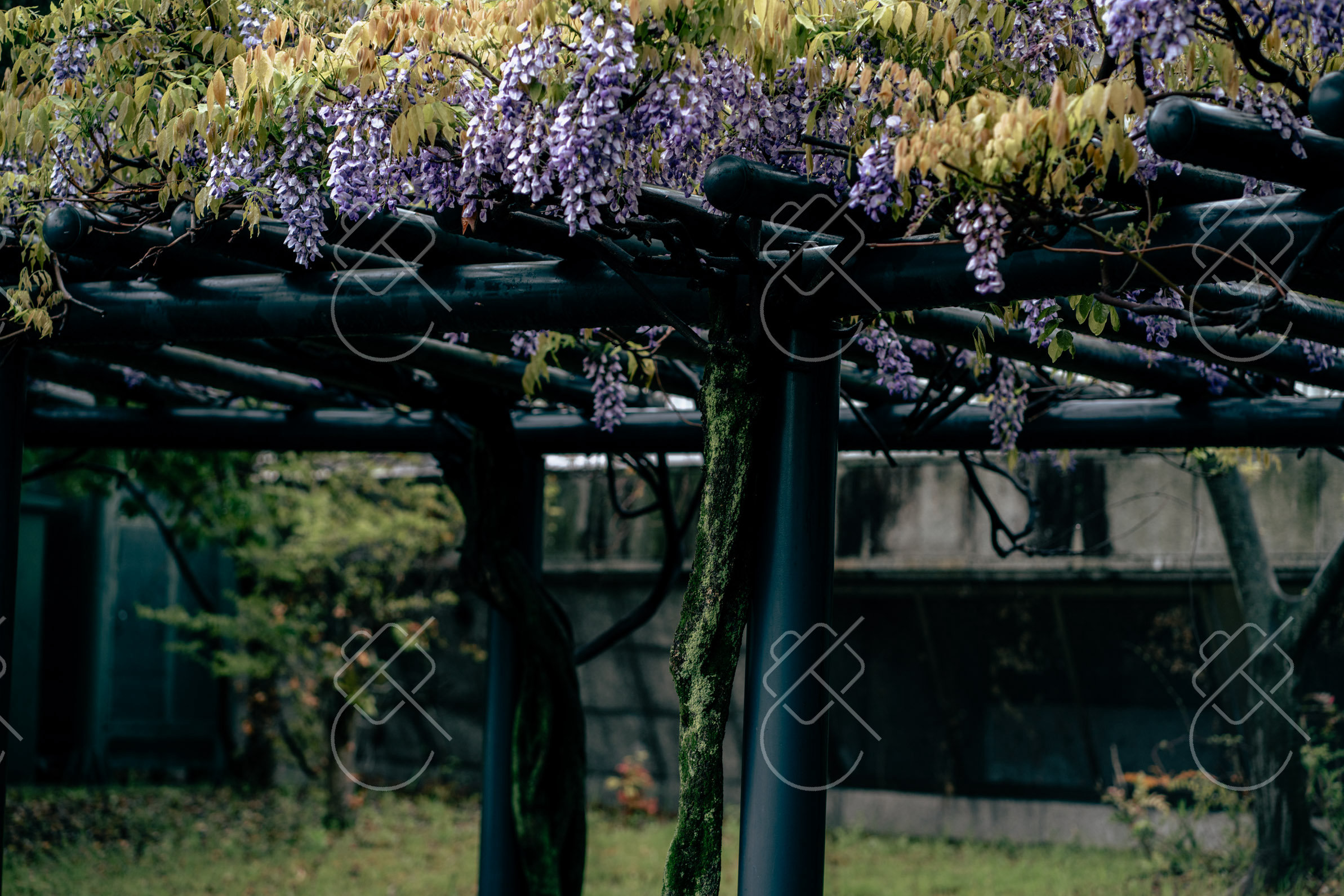
Pickpocketing and bag theft exist but are uncommon, and lost wallets are famously handed in. The documented problem for visitors is concentrated in a few entertainment districts. Japanese police have identified Kabukicho, Roppongi, Shibuya and Ikebukuro as high-risk areas in Tokyo, and the FCDO says most British victims were targeted in Kabukicho.
• Street touts (kyakuhiki): people who approach you in English on the street and steer you into a bar or club. Don't follow them.
• Drink spiking and card fraud: victims have woken with no memory and found charges from hundreds to tens of thousands of pounds on their cards. Refuse drinks from strangers, don't leave a glass unattended and carry only the card you need.
• Bill disputes: check the menu, cover charge and seating fee before you sit down. Disputes over bar and club bills have led to arrests.
• Extortion, robbery and assault: the FCDO reports foreigners targeted in these districts at night.
Outside those blocks, Tokyo, Kyoto and Osaka feel safe to walk at any hour. For more detail see our Tokyo scams guide and, if you prefer to avoid the issue entirely, where to stay in Tokyo.
Japan sits on a major earthquake zone, and small tremors are routine. The FCDO tells visitors to follow instructions from hotel staff and station announcements and to monitor Japan Meteorological Agency (JMA) warnings, including tsunami and aftershock alerts. If you are on the coast when a strong quake hits, move to high ground without waiting for confirmation. Several volcanoes are active, and the JMA publishes volcano warnings; check them before hiking near one.
For disaster support in English, the Japan Visitor Hotline run by the Japan National Tourism Organization takes calls on 050-3816-2787, 24 hours a day in English, Chinese and Korean. It handles illness and disasters and general tourist questions, but it does not provide three-way interpretation or make reservations.
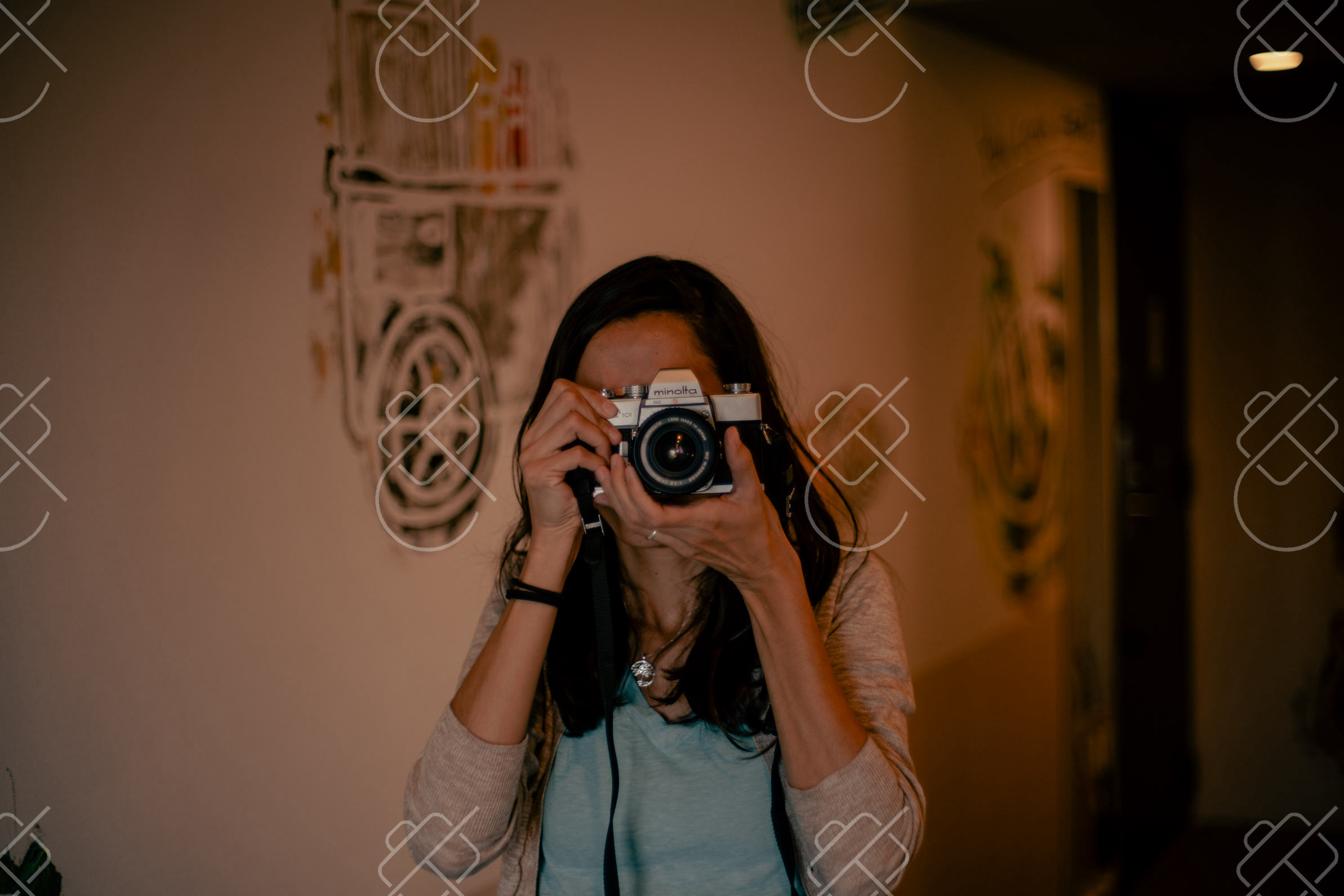
Typhoon season runs from June to December and peaks from July to September, with the highest risk in the south. Risks include flooding, landslides and cancelled trains and flights. The FCDO warns that an earthquake soon after a typhoon is a heightened danger because ground is already saturated. In July and August, temperatures regularly pass 35 °C (95 °F) and heat stroke is a significant risk; carry water, use the shade and avoid midday sightseeing. Our Japan in November and best time to visit Tokyo pages show which months avoid both extremes. We were in Japan in March and April 2023, outside typhoon season.
Bear sightings and attacks have risen sharply. Japan's Environment Ministry reported a record 238 people attacked in the fiscal year to March 2026, 13 of them fatally, according to Kyodo News, and a tourist was hurt at a bus stop in Shirakawa-go in October 2025. Shirakawa-go was a day trip on our route. The FCDO advises not walking alone where bears have been reported, taking all rubbish including food waste with you and reporting sightings to local authorities. The risk is highest in forested and mountain areas in autumn; city centres and the main Kyoto, Osaka and Tokyo sights are not affected. Also read Nara deer park safety, where the animals to watch are the deer.
• Drugs and medicine: Japan has zero tolerance. You can be charged if an illegal substance is found in your blood, even if you did not knowingly take it. Some common prescription and over-the-counter medicines, including certain cold and allergy products, are illegal under the anti-stimulant law. Read our Japan medicine rules guide before packing.
• Detention: police can hold a suspect without charge for up to 23 days.
• ID: carry your passport at all times.
• Smoking and alcohol: smoking is illegal on Tokyo's streets in many areas, and some areas and dates have alcohol bans. The drink-driving limit is about a third of the UK limit.
Social rules are separate from law; see Japan etiquette mistakes.
Japan is among the easiest countries for solo travel, and our solo travel in Japan page covers the practical side. The FCDO notes that women on crowded commuter trains have experienced inappropriate behaviour including touching and upskirt photography; police advise shouting to attract attention and asking another passenger to alert staff. Many lines run women-only cars at rush hour. Rape and sexual assault are rare, but the FCDO points out that Japanese law places a high burden of proof on victims. The same drink-spiking precautions apply as for anyone.
Dial 110 for police and 119 for fire or an ambulance, which are the numbers the Japan National Tourism Organization lists. If you need an ambulance and cannot speak Japanese, the JNTO suggests showing a nearby Japanese speaker the phrase 救急車を呼んでください (please call an ambulance). Keep your insurer's 24-hour number, and see travel insurance for international trips. For the full practical picture, our things to know before visiting Japan page covers cash, trains and customs.
Yes. The US State Department lists Japan at Level 1 and the UK Foreign Office does not advise against travel to any part of it. The main risks are nightlife scams in districts such as Kabukicho, natural hazards and strict drug laws.
Japanese police name Kabukicho, Roppongi, Shibuya and Ikebukuro as high-risk areas for drink spiking, bill fraud and assault, and the FCDO says most British victims were targeted in Kabukicho.
Yes. Bear sightings and attacks have increased, mostly in mountain and forest areas. Japan recorded 238 people attacked in the fiscal year to March 2026, 13 fatally. Avoid walking alone where bears are reported and take your food waste with you.
June to December, peaking from July to September, with the highest risk in southern areas.
110 for police and 119 for fire or ambulance. The Japan Visitor Hotline, 050-3816-2787, offers 24-hour help in English, Chinese and Korean.
Get our new Japan guides and practical tips by email: where to stay, what to eat, what things cost and the rules that catch travelers out.
Free. No spam, only new guides and tips.
Get the best deals on Japan hotels on Booking.com before prices climb.