 Safety & Practicalities
By Clever Tourists · Published
Drink bottled or filtered water in Morocco, and treat tap water as safe only for washing. World Travel Guide says city tap water in Morocco is treated and generally considered safe, but warns that its mineral content can upset some stomachs and recommends bottled water in rural areas or wherever supply is uncertain. Other travel guides are more cautious. The sensible traveller rule is bottled water for drinking, cooked food, and skipped ice unless you know its source. We were in Morocco from August to September 2022, from Tangier through Chefchaouen, Fes, Rabat, Casablanca, Essaouira and Marrakech to the Sahara, and these are the practical details.
• Drink: sealed bottled water (check the seal), hot mint tea, coffee and soft drinks.
• Brushing teeth: bottled water if your stomach is sensitive. World Travel Guide suggests using safe water for brushing if you are unsure of the quality.
• Ice: skip it unless the restaurant tells you it is from purified or bottled water. Ice cubes made from tap water carry the same risk as drinking the tap.
• Salads and fruit: peel your own fruit; be cautious with raw salads washed in tap water, especially in the first days.
Morocco's national water utility, ONEE, says that drinking water is of high quality and meets international standards; we saw that only as a news summary, not the full report, so we do not rely on it. World Travel Guide says tap water in major cities is treated and generally safe, with a mineral content that may upset some visitors. Intrepid Travel and other operators tell clients to avoid it, which is the standard rule for tour groups. The CDC's Morocco page does not give a tap-water verdict and refers readers to its general food and water advice.
Our position is simple: you do not need to take the risk on a trip, so use bottled water. It is cheap and sold everywhere.
In Marrakech and Fes, bottled water is sold at corner shops and supermarkets; riads typically provide bottles or a jug of water. Street vendors of orange juice and sugar-cane juice wash cups in water of uncertain origin; busy stalls with turnover are safest. Our Morocco safety and scams guide and souk haggling guide cover the other everyday risks.
Water-seller performers in Jemaa el-Fna in traditional costume pose for photos for a fee; their water is not for drinking.
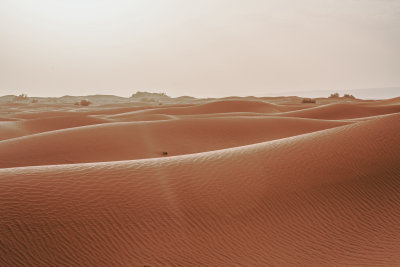
For the Sahara and Atlas, plan on bottled water throughout. Desert camps near Zagora and Erg Chigaga provide bottles or large containers, and water is scarce and costly to bring in. Carry at least two litres per person for day hikes and more in the summer. Never drink from streams or wells that have not been treated.
In the desert, a hot mint tea ceremony is made with boiled water and is safe. Our Morocco packing list covers sun protection and desert kit.
Water is sold in bottles of different sizes at small grocery shops (hanout) and supermarkets. Large bottles are cheaper per litre than small ones sold to tourists. Carry small dirham coins and notes for corner shops and cafes; cards are not widely accepted in small places. Our Morocco dirham and ATM guide explains currency rules, and our Morocco tipping guide shows what to leave. For what to buy, see our Morocco grocery guide.
Morocco is hot in summer, and dehydration is a bigger practical risk than water quality. During Ramadan, many Muslims fast from dawn to sunset, and visitors are not required to fast, but it is polite to drink discreetly in public during the day. Many restaurants close or open late. See our Ramadan 2027 Morocco guide for dates and tips.
Bring a refillable bottle and buy large bottles of water to refill it from, rather than small ones every time. Check the seal on each bottle, because in busy tourist areas refilled bottles are occasionally resold.
Keep your first days gentle on the stomach, avoid ice unless you know where it comes from, and carry oral rehydration salts. Fresh fruit juice from a stall is fine from busy places where the fruit is squeezed in front of you. If you plan a desert night, confirm with your camp what water is included, and carry your own for the journey.
Children, pregnant travellers, older travellers and anyone with a weak stomach should be strict: bottled or boiled water for drinking and teeth, no ice, and cooked rather than raw food for the first days. Carry any regular medicines in their original packaging; Morocco has its own rules on some drugs, covered in our safety guide.
On a trip like our August to September 2022 route, the bigger stomach risk in summer is heat plus unrefrigerated food. Eat where the food is cooked fresh and busy, and keep drinking.
It is treated, but most guidance advises bottled or filtered water for visitors. World Travel Guide notes city tap water is generally considered safe but its mineral content may upset some stomachs.
Many travellers do. If you have a sensitive stomach, use bottled water for brushing.
Skip it unless you know it is made from purified or bottled water. Ice made from tap water carries the same risk as drinking the tap.
Yes. It is made with boiled water and is served at nearly every meal and shop.
Carry at least two litres per person for day activities and more in summer. Desert camps provide bottled water, but confirm before you go.
Get our new Morocco guides and practical tips by email: where to stay, what to eat, what things cost and the rules that catch travelers out.
Free. No spam, only new guides and tips.
Search verified local fleets with low security deposits and exact model delivery on Localrent.
Compare Morocco hotels and get the best deals on Booking.com.