 Where to stay
By Clever Tourists · Published
For a short first visit, stay inside or right beside Diocletian's Palace, the Roman walls that are Split's old town. The Peristyle, the cathedral, the Riva and the harbour are all on foot, and you can see the palace lanes early in the morning and late at night when the day crowds thin out. Pick Varoš, the old quarter just west of the walls under Marjan hill, for a quieter street at almost the same distance, and Bačvice, east of the centre, for the town beach and the shortest walk to the ferry port, bus station and train station. We spent 2 days in Split, 15 to 17 August 2023, between Šibenik and Dubrovnik, in the busiest weeks of the year, and the advice below is about surviving that crush.
This page contains affiliate links. If you book or buy through them we may earn a commission, at no extra cost to you.
• First visit, 1 to 3 nights: inside or beside Diocletian's Palace. Everything on foot.
• Quieter evenings, still central: Varoš, the stepped lanes west of the Riva.
• Island hopping and early ferries: Bačvice or the streets around the harbour, next to the ferry port, the bus station and the train station.
• Beach holiday with the city on the side: Žnjan and Firule further east, with bigger apartments and pools.
• Nightlife: the palace itself and Bačvice in summer. Light sleepers should stay out of both.
• Car or late flight: Trogir or the coast toward the airport, west of the city.
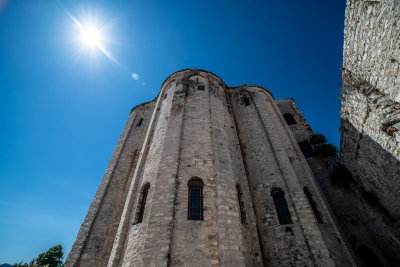
What it's like: Split is built inside a 4th-century Roman emperor's retirement palace. Apartments, cafes and shops fill the old walls, cellars and courtyards, and the Peristyle, the columned square in the middle, is overlooked by the cathedral that was once the emperor's mausoleum. Our Croatia guide recommends staying inside or beside the walls for exactly this reason.
Who it suits: anyone with one to three nights. You can walk in through the Golden, Silver, Iron or Brass gates without a ticket at any hour; only the monuments inside charge entry. Our Diocletian's Palace tickets guide explains what costs money. Come out at 7am and the Peristyle is almost empty.
Downside: most rooms are apartments in old stone buildings, often up steep stairs with no lift, and cars cannot get in, so you wheel cases over marble. In summer the bars in the lanes run late. It is also the most expensive part of the city per square metre.
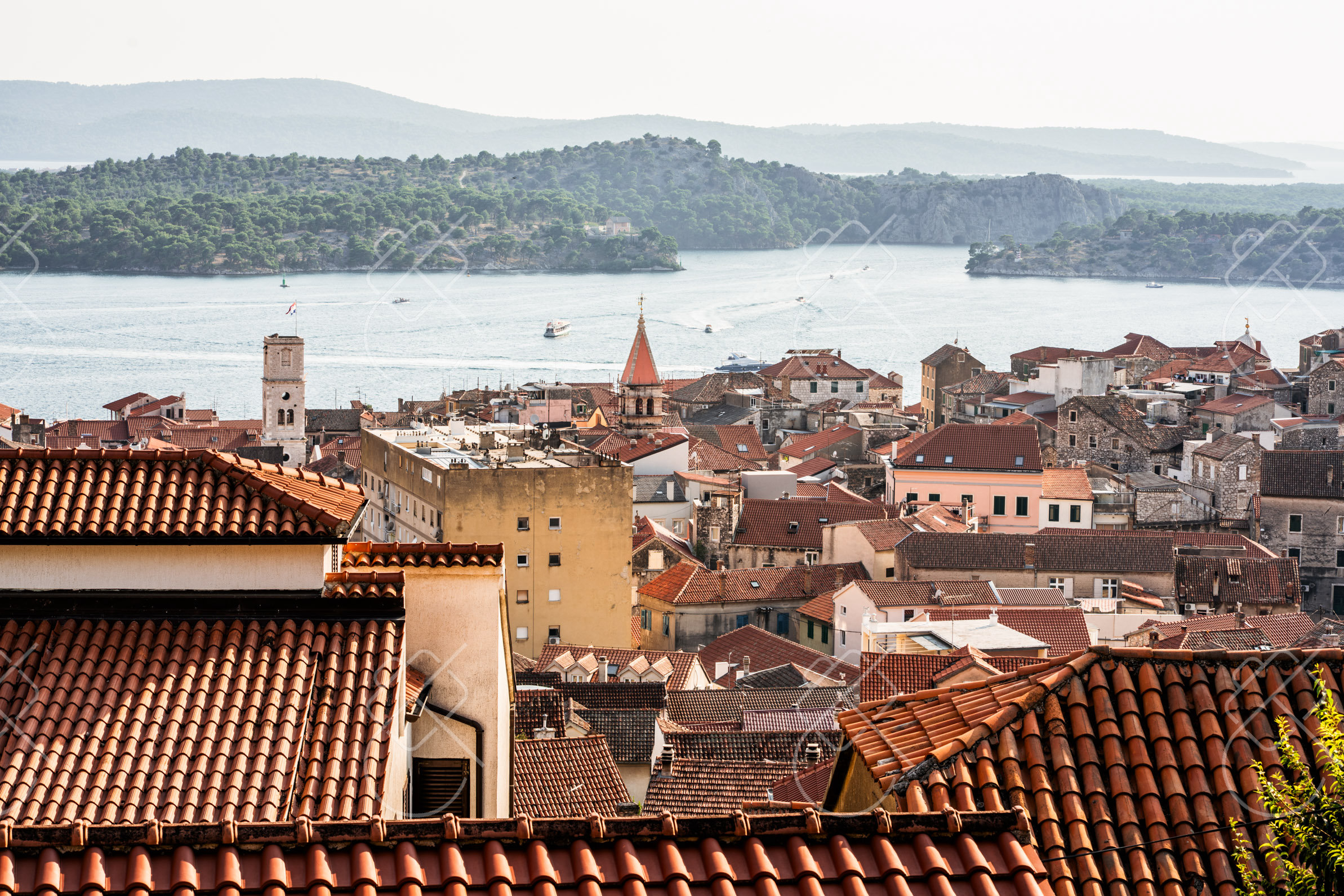
What it's like: the old fishermen's and farmers' quarter on the slope west of the palace, a tangle of narrow stepped lanes and small stone houses between the Riva and the forested Marjan peninsula. The paths and viewpoints of Marjan start at the top of the quarter.
Who it suits: couples and anyone who wants old-town character without the late-night noise. The palace is a five to ten minute walk, and Marjan is the easiest escape from the summer crowds, early morning or at sunset.
Downside: a lot of steps. Check where the nearest taxi drop-off is, and expect to carry luggage up the last stretch. Restaurants are fewer than inside the walls.

Practical travel tips, straight to your inbox. Unsubscribe anytime.
What it's like: Split's town beach, a shallow sandy bay a short walk east of the old town, with the ferry port, the main bus station and the train station all on the harbour between the two. The ferries and catamarans to Hvar, Brač and Vis leave from here.
Who it suits: island hoppers with early departures, travelers arriving and leaving by bus, and anyone who wants a swim without taking a bus to a beach. Our Split to Dubrovnik guide and Zagreb to Split guide both start or end here.
Downside: Bačvice turns into a party zone on summer nights, and the beach is packed in August. Rooms right by the harbour hear the port and the traffic. The quieter streets of Lučac and Manuš, just north of the palace, are a calmer compromise between the old town and the station.
Firule and Žnjan run east along the coast from Bačvice, with pebble beaches, a long seafront promenade and newer apartment buildings. Rooms are bigger and pools more common, which suits families and longer stays. You will rely on city buses, taxis or a long walk to reach the palace.
Trogir, on its own small island west of the city near the airport, is a walled medieval town in its own right. It suits drivers, late arrivals and early flights, and anyone who wants a smaller old town to come back to. It is the wrong base if you want Split's evenings.
Season. July and August are the most expensive and crowded weeks, and the best rooms in and near the palace go first. Our Croatia guide's pick is late spring and early autumn, which still have beach weather and calm seas for the ferries; see best time to visit Croatia.
Tourist tax. Croatia charges a per-person, per-night tourist tax that is almost never in the price you see online and is added at check-in. We could not confirm Split's exact 2026 figure from an official source, so ask your host. Our Croatia tourist tax guide has the rules and other towns' rates.
Rooms. Many palace and Varoš listings are private apartments. Check for air conditioning, which you will want in August, the number of stairs, and how you collect the keys, because self check-in by code is common.
Book 2 nights for the city, which is what we had: one day for the palace, the Peristyle and the cathedral bell tower, one for Marjan and the Riva at sunset. Add a night or two if you want an island day trip from the harbour.
Split sits in the middle of the Dalmatian coast. Our Croatia itinerary shows how it fits between Zadar and Dubrovnik, and where to stay in Dubrovnik and where to stay in Zadar cover the next stops. Our Croatian food guide has pašticada and the other dishes to order here.
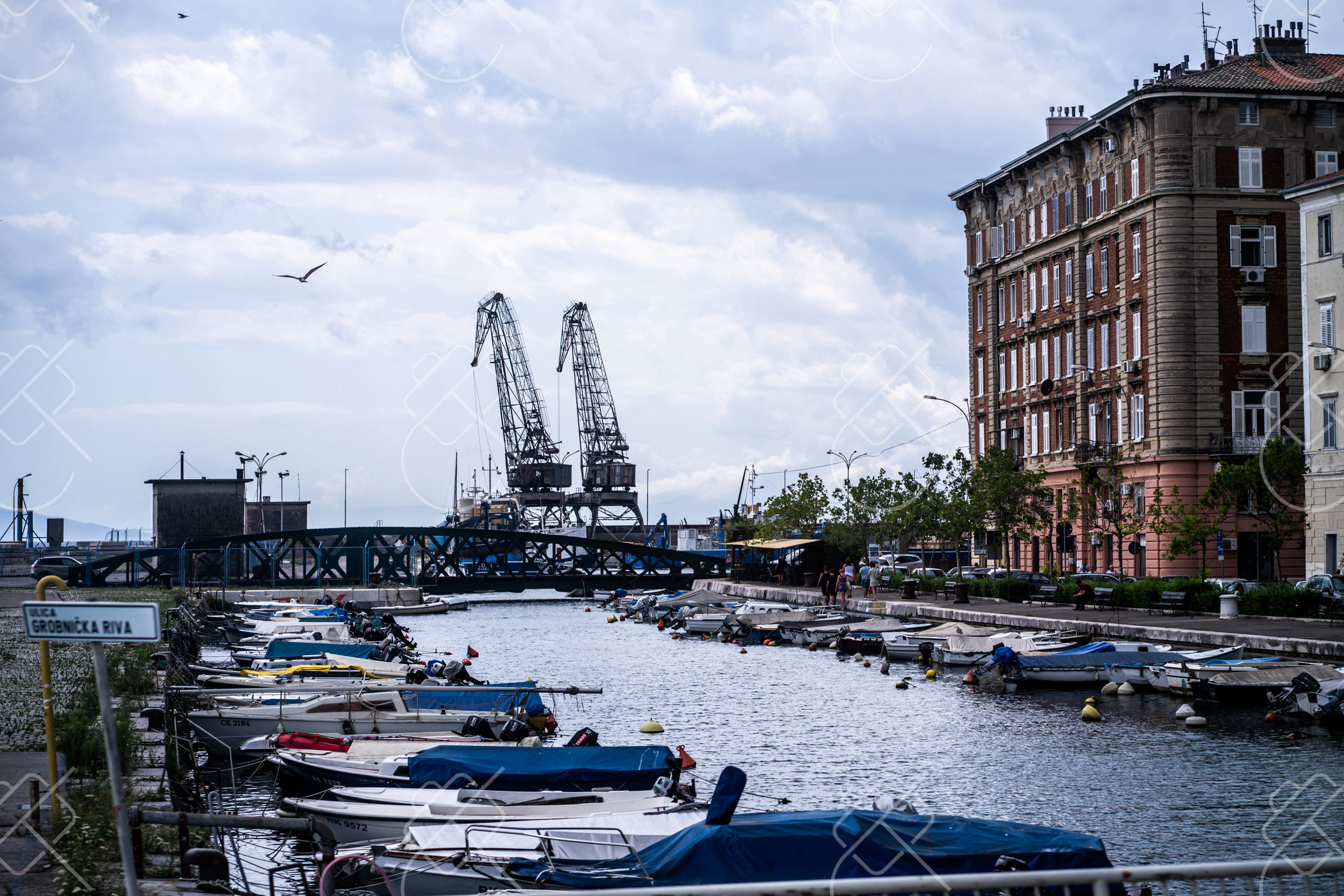
Inside or right beside Diocletian's Palace. The Peristyle, the cathedral, the Riva and the harbour are on foot, and you can see the palace early and late when it is quiet.
The old town for sightseeing and evenings in the lanes. Bačvice for the town beach and the shortest walk to the ferry port, bus station and train station, though it is loud on summer nights.
Bačvice or the streets around the harbour. The ferry port, the bus station and the train station are together on the harbour east of the old town.
In summer the bars in the lanes run late, and stone buildings carry sound. Varoš, west of the walls, or Lučac and Manuš to the north are quieter at almost the same distance.
Two for the city, plus one or two if you want an island day trip. We spent 2 days in Split in August 2023.
Practical travel tips, straight to your inbox. Unsubscribe anytime.
Pick a neighborhood, then a hotel: Croatia on Trip.com.