Home
About us
Destinations & Country Guides
Travel Guides
Recipes
Featured
Photos As Art
Abstract Prints
Locations
Travel Gear
Travel Resources
Favorites
Photo Framer
Explore Photos
Contact Gear & packing
By Clever Tourists · Published · Last updated
South Korea is easy to pack for: bring the right paperwork, a type C or F plug adapter, your medicine with proof it is yours, shoes you can slip off, and either a winter coat or a rain plan depending on the month. Almost everything else is cheaper and better in Korean pharmacies, Olive Young stores and convenience stores. The two things you cannot fix on arrival are entry authorisation and medicine, so this list starts there. We spent 32 days in South Korea in June and July 2023, from Seoul through Jeonju, Suncheon, Busan, Jeju and Gyeongju to Sokcho. Clothing has its own page: what to wear in South Korea.
• Passport valid for your whole stay.
• K-ETA, if you need one. Korea's temporary K-ETA exemption for 22 countries and regions, including the US, UK, Canada, Australia and much of Europe, runs to 31 December 2026. Unless it is extended again, visa-free visitors from those countries need an approved K-ETA from 1 January 2027. Apply only on the official site, k-eta.go.kr, at least 72 hours before boarding; lookalike sites charge many times the real fee. Our K-ETA 2027 guide has the details.
• e-Arrival Card. Korea has moved its arrival card online, and whether you need to fill it in depends on your K-ETA status. See how to fill out the Korea e-Arrival Card.
• Your first night's address in Korean or with a postcode, which both forms and taxi drivers will want. For visa basics, see do I need a visa for South Korea.
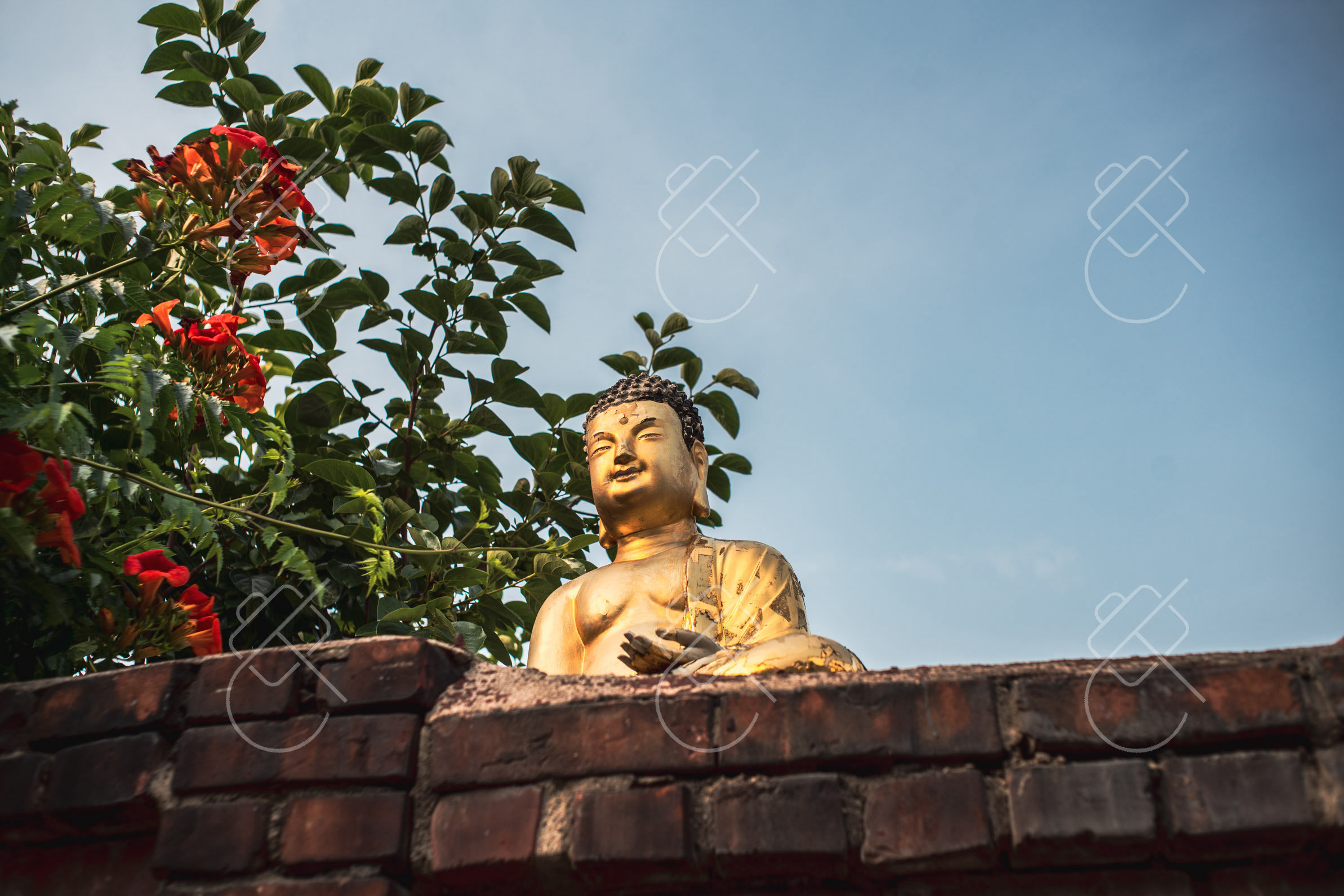
Korea's Ministry of Foreign Affairs says visitors can bring medicine for personal use up to 6 bottles or a three-month supply, and should be able to show it is theirs: a prescription, a doctor's letter or the pharmacy label on the packaging. Keep everything in its original packaging.
Medicines containing narcotic or psychotropic substances are a different category. These need prior approval from the Ministry of Food and Drug Safety (MFDS) whatever your nationality, and this catches common prescriptions such as stimulant ADHD medicines and some strong painkillers and sleeping pills. The MFDS application is online, but give it weeks, not days. Cannabis-based products, including CBD, are illegal in Korea even with a prescription.
If your medicine is anything other than ordinary, check with the nearest Korean embassy well before you fly. For colds, allergies and stomach trouble, Korean pharmacies (yakguk, marked 약) sell effective over-the-counter medicine, and many pharmacists in central Seoul and Busan speak some English.
Plugs: Korea uses 220 V, 60 Hz with type C and F sockets (two round pins, the European style). Visitors from the US, UK and Australia need an adapter. Most phone and laptop chargers are rated 100 to 240 V; a US hair straightener usually is not.
Phone: Google Maps gives poor walking and driving directions in Korea, so download Naver Map or KakaoMap before you arrive, plus Papago for translation. Data is cheap and fast; our South Korea eSIM guide explains eSIM vs local SIM and why some Korean apps want a local number.
Money: cards are accepted almost everywhere, including taxis and convenience stores. Carry some cash for market stalls, small restaurants and topping up a transit card. A T-money card (bought at convenience stores) pays for subways, buses and many taxis across the country; see our T-money guide, or the Climate Card vs T-money comparison if you are staying a while in Seoul.
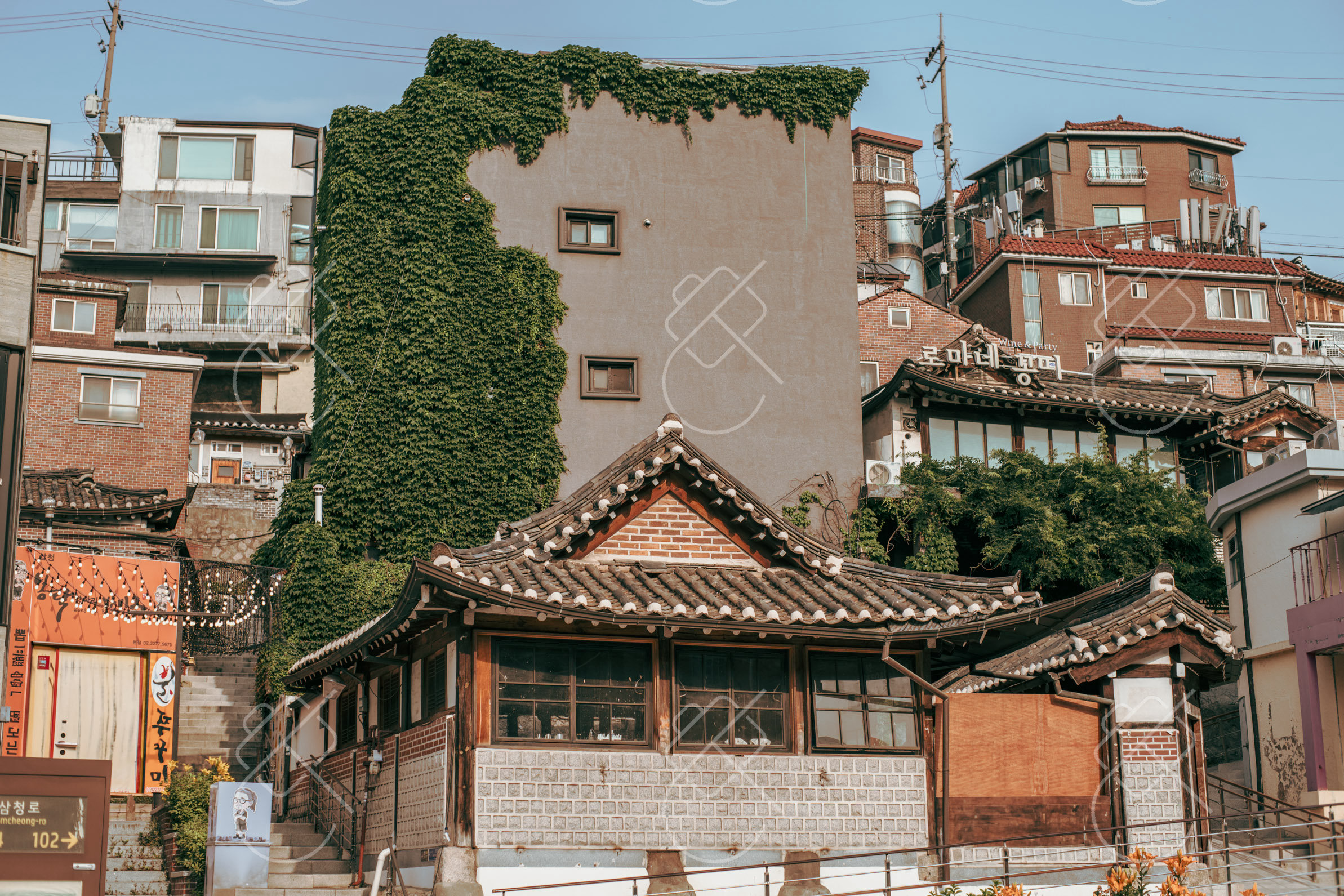
Korea's rainy season, jangma, usually arrives in late June and lasts into July, with heavy downpours rather than all-day drizzle. August is hot and humid in Seoul and Busan.
• A compact umbrella and a light rain jacket. Convenience stores sell cheap umbrellas the moment rain starts, so one is enough.
• Shoes that dry overnight, and a spare pair of socks in your daypack.
• Sunscreen and a hat for Jeju and coastal walks; Korean sunscreen is excellent and cheaper at home than imports, so you can buy it there.
• A small towel and a refillable water bottle for hikes such as Seoraksan from Sokcho or the coastal Olle trails on Jeju.
We carried a light Columbia rain jacket through June and July (on our gear page).
Seoul in January is dry and properly cold, with nights regularly below freezing and an icy wind off the river. The mountains and the east coast around Sokcho are colder still.
• A warm insulated coat, hat, gloves and a scarf. Indoors is heated, often strongly, so layers you can take off beat one heavy jumper.
• Thermal base layers if you will be out early or in the mountains.
• Shoes with grip for icy pavements and temple steps.
• Lip balm and moisturiser. Heated rooms are very dry; Korean pharmacies and Olive Young stock plenty.
Heat packs (hotpacks) are sold in every convenience store for small change. Winter also brings Seollal; see Seollal 2027 dates and closures.
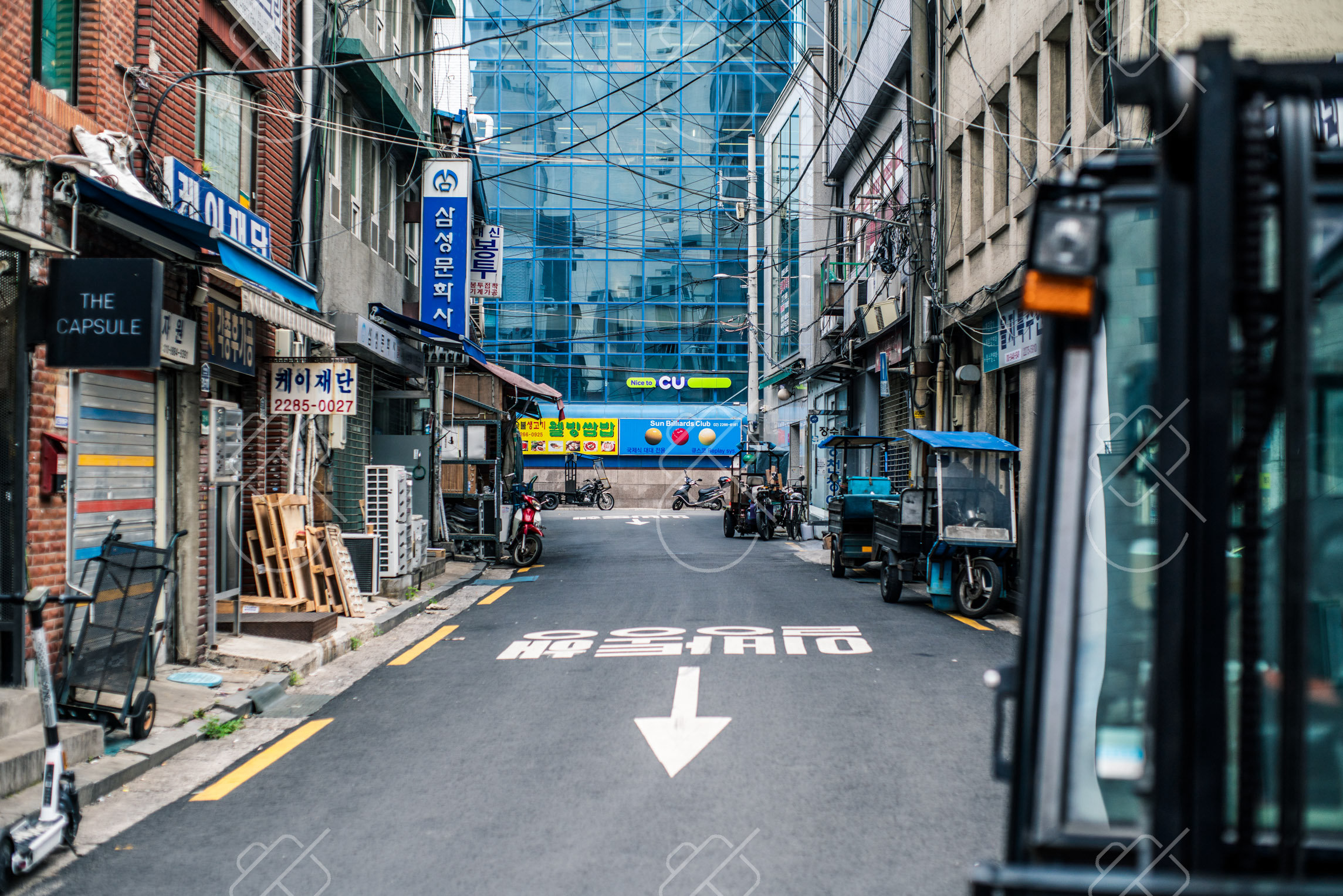
You take shoes off in homes, guesthouses with heated ondol floors, some restaurants with floor seating and many temple halls. Slip-on shoes or loose-laced trainers save a lot of time; we carried a pair of slip-on Keds and shoe bags for this. Temple rules are in temple and shrine dress codes in Japan and Korea.
Public bins are rare in Seoul, so carry a small bag for rubbish.
Buy there instead of packing: skincare and sunscreen, sheet masks, socks (sold everywhere for small change), umbrellas, toiletries and snacks. Our Korea grocery guide covers what is worth picking up. Leave space for it.
For routing, see our 32-day South Korea itinerary, the Seoul guide and the Busan guide. The general kit is in our long-trip packing list.
Up to 6 bottles or a three-month supply for personal use, according to Korea's Ministry of Foreign Affairs, with proof it is yours such as a prescription or pharmacy label. Narcotic and psychotropic medicines need prior approval from the Ministry of Food and Drug Safety.
Visitors from the US, UK and Australia do. Korea uses 220 V with type C and F sockets, the two-round-pin European style.
If you are from one of the 22 exempted countries, the exemption runs to 31 December 2026, so unless it is extended you need a K-ETA from 1 January 2027. Apply only on k-eta.go.kr, at least 72 hours before boarding.
A compact umbrella and light rain jacket for the late June to July rainy season, shoes that dry overnight, a hat and a refillable bottle. Sunscreen is easy to buy there.
Get our new South Korea guides and practical tips by email: where to stay, what to eat, what things cost and the rules that catch travelers out.
Free. No spam, only new guides and tips.
Search verified local fleets with low security deposits and exact model delivery on Localrent.
Best deals on South Korea hotels this week — check Booking.com.