Home
About us
Destinations & Country Guides
Travel Guides
Recipes
Featured
Photos As Art
Abstract Prints
Locations
Travel Gear
Travel Resources
Favorites
Photo Framer
Explore Photos
Contact Destinations & Itineraries
By Clever Tourists · Published
One night, two with a day trip. We spent 3 days in Jeonju, from 12 to 15 June 2023, after 5 days in Seoul and before Suncheon, and one of those days was a day trip to Namwon. The hanok village, more than 700 tile-roofed houses with the Omokdae viewpoint, Gyeonggijeon shrine and Jeondong Cathedral, fits in one long day. The night matters as much as the day: Jeonju is Korea's food city, and the evening, with makgeolli by the kettle, is half of the reason to come. A second day adds Namwon, a short train ride south.
• Day trip from Seoul: possible, with the KTX taking about 1 hour 40 to 50 minutes, but you see the village at its busiest and leave before dinner. See our Jeonju hanok village guide.
• 1 night: the recommendation for most trips. Village in the afternoon and evening, Omokdae and the lanes early the next morning.
• 2 nights: add Namwon, or a slow day of markets, craft workshops and Jaman Mural Village.
• 3 nights: what we had, a comfortable pace with a day trip in the middle.
The village is walkable end to end, and Jeonju Station is a 15-minute taxi away, so almost no time goes on transit once you arrive.
Day 1, the hanok village. Start at Gyeonggijeon Shrine, built in 1410 to hold the portrait of King Taejo, founder of the Joseon dynasty; its courtyards and bamboo are quiet before the tour groups. Across the road, Jeondong Cathedral, finished in 1914, is a red-brick Romanesque church on a martyrdom site. In the afternoon, rent hanbok if you want to (several village sites, including Gyeonggijeon, waive entry for hanbok wearers) and walk the side lanes away from the main food street. Climb to Omokdae pavilion before sunset for the view over the sea of curved roofs, then cross to Jaman Mural Village on the hillside opposite.
Evening. Eat Jeonju bibimbap, served in a hot brass bowl, then head to one of the makgeolli alleys, where a kettle of rice wine arrives with a spread of side dishes that grows with every refill. Our food of South Korea guide explains the rest of the menu.
Day 2, Namwon. Namwon is about 30 minutes by train or about an hour by intercity bus. It is the setting of the Korean folk tale of Chunhyang, and Gwanghallu, a Joseon-era pavilion and garden with ponds and stone bridges, is the centre of it. We spent a day there from our Jeonju base. If you stay in Jeonju instead, take the morning slowly in the village before it fills, and visit Nambu Market by the river.
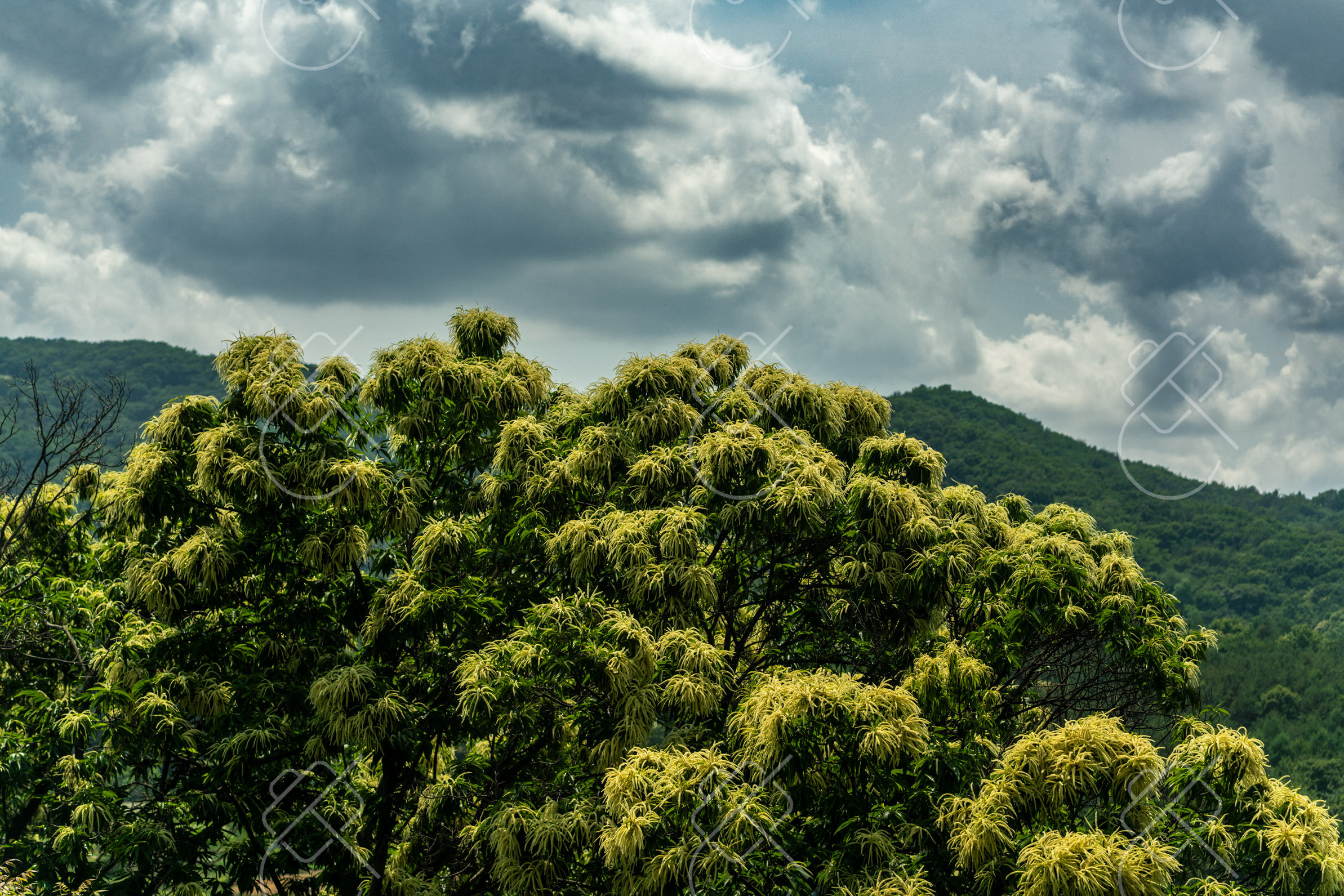
On our 32-day South Korea route, Jeonju was the first stop after Seoul, then Suncheon (3 days), Busan (4), Jeju and back up the east coast. Running down the west side of the peninsula like this, instead of straight down the Seoul to Busan line, is what lets Jeonju fit without backtracking. Jeonju to Suncheon is about an hour on the Jeolla line KTX.
From Seoul, KTX trains leave mainly from Yongsan; book on the Korail+ app or korail.com, which has handled all high-speed tickets since KTX and SRT merged on 1 September 2026. The express bus from Seoul takes about 2 hours 40 minutes and is the fallback when trains sell out at weekends.
Our 10-day South Korea itinerary treats Jeonju as an optional add-on; one night between Seoul and Busan is the easiest way to fit it.
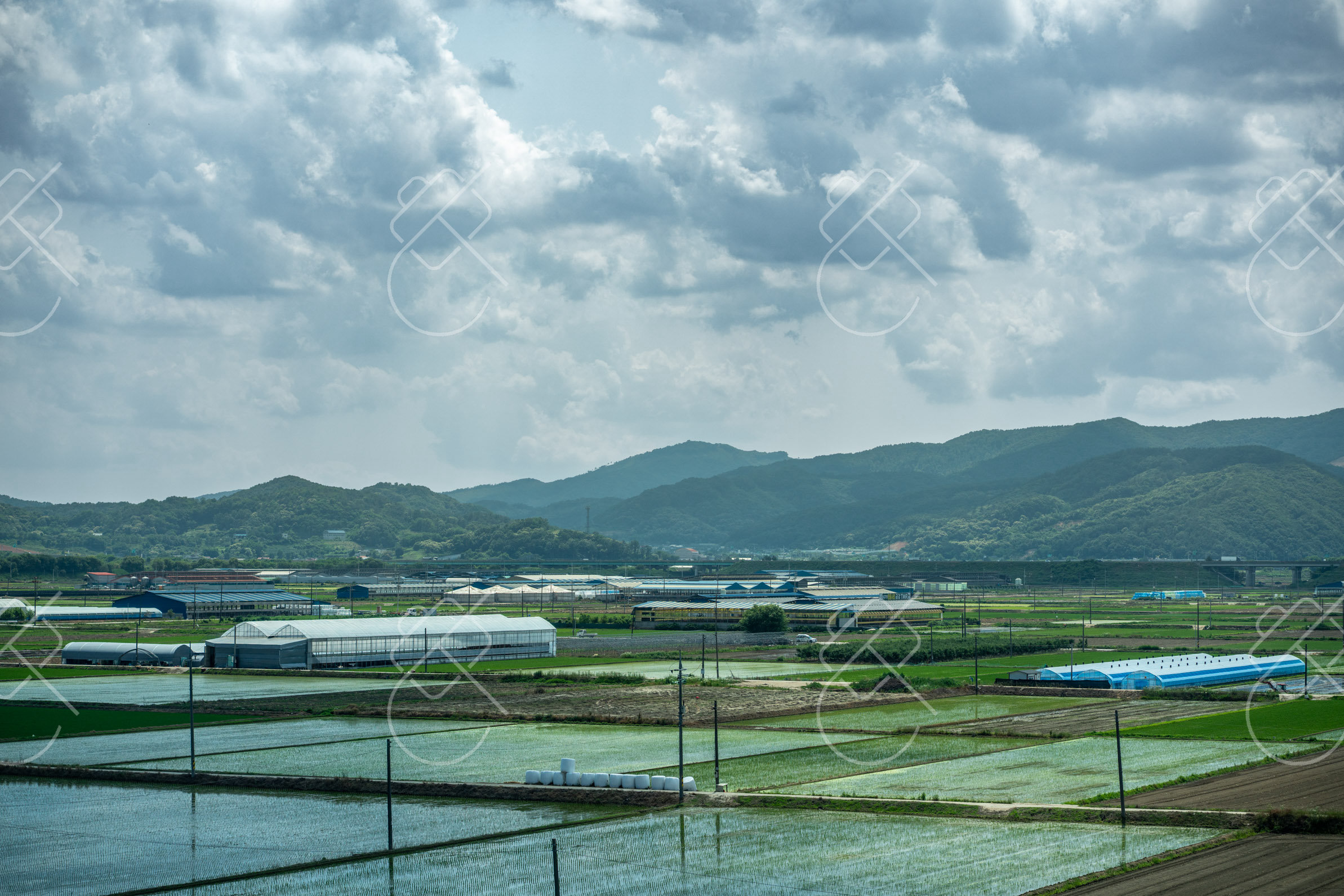
Jeonju is the easiest place in Korea to sleep in a traditional house, and it changes what the village feels like. Most hanok guesthouses inside the village have a handful of rooms around a courtyard, with a thin mattress on a heated ondol floor and shoes left at the step.
• Book ahead for weekends. The village is a domestic holiday spot, and the good small guesthouses fill on Friday and Saturday nights.
• Expect a floor bed. Some guesthouses offer raised beds; ask if sleeping on the floor is a problem.
• Check the walls. Traditional rooms can be thin-walled and close to the food streets; rooms on the side lanes are quieter.
Staying in the village puts Omokdae and Gyeonggijeon a short walk away at 8am, and the makgeolli alleys a short walk away at night. If you prefer a hotel, the area around Jeonju Station is modern and a 15-minute taxi from the village, which makes evenings less convenient.
Spring and autumn are the comfortable seasons for a walking town like this, and October brings food festivals. We were there in mid-June: warm and humid, just ahead of the jangma rainy season, which usually reaches the southwest in the last third of June. The village is busiest at weekends with Korean families and school groups, so a weekday stay changes the experience more than the season does.
Check public holidays before you book: Seollal and Chuseok fill trains and guesthouses; our Seollal 2027 guide has the dates.
• Leaving before dinner. A day trip misses the makgeolli evening, which is the best thing Jeonju does.
• Staying on the main food street. The lanes either side are where the hanok houses are quiet.
• Arriving without a hanok stay booked. The good guesthouses are small and fill at weekends.
• Forgetting a T-money card. It covers local buses here as in Seoul; see our T-money guide.
One day covers the hanok village, Gyeonggijeon, Jeondong Cathedral and Omokdae. Stay the night so you get the makgeolli evening and the lanes before the crowds; we spent 3 days.
It is doable, with the KTX taking about 1 hour 40 to 50 minutes, but you see the village at its busiest and miss the evening. One night is much better value.
By train in about 30 minutes or by intercity bus in about an hour. Gwanghallu, the Chunhyang pavilion and garden, is the main sight. We visited as a day trip from Jeonju.
Jeonju bibimbap in a hot brass bowl, and makgeolli by the kettle with side dishes in the makgeolli alleys in the evening.
Get our new South Korea guides and practical tips by email: where to stay, what to eat, what things cost and the rules that catch travelers out.
Free. No spam, only new guides and tips.
Search verified local fleets with low security deposits and exact model delivery on Localrent.
Get the best deals on where to stay in South Korea — Booking.com.