Home
About us
Destinations & Country Guides
Travel Guides
Recipes
Featured
Photos As Art
Abstract Prints
Locations
Travel Gear
Travel Resources
Favorites
Photo Framer
Explore Photos
Contact Food & culture
By Clever Tourists · Published
A Korean supermarket is organised around one idea: you buy the side dishes, not just the ingredients. The banchan counter sells prepared vegetables, kimchi, fish cake and braised things by weight, and that is what a Korean fridge is actually stocked with. The rest of the shop is a small number of fermented staples — gochujang, doenjang, gochugaru — that do most of the flavouring in the cuisine. Get those three right and everything else follows.
Gochujang is the thick red fermented chilli-and-soybean paste. It is sweet, savoury and only moderately hot. Use it for marinades, stews and the sauce in bibimbap.
Doenjang is fermented soybean paste, the Korean answer to miso but stronger and chunkier. It is the base of doenjang-jjigae and appears in soups and vegetable dishes.
Gochugaru is dried chilli flakes, and it is not the same as the chilli powder used elsewhere: coarser, fruitier, less bitter. It is what makes kimchi red.
Two more worth knowing: sesame oil (toasted, used as a finishing oil and never for frying) and soup soy — a lighter soy sauce sold specifically for soups rather than for dipping.

Supermarkets such as E-Mart, Homeplus and Lotte Mart, and the big department-store food halls, run long counters of prepared side dishes sold by weight. You point, they weigh, you take it home in a plastic tray.
This is not a tourist novelty — it is how the week gets fed. Buying three or four banchan and a bag of rice is a complete meal for two people.
Kimchi is sold in large bags and tubs, not small jars. Refrigerated kimchi cabinets are a standard fixture, and the volume tells you what a staple it is.
CU, GS25 and 7-Eleven run 24 hours and are genuinely good: triangle kimbap, ramyeon with hot water at the counter, boiled eggs, and in summer a freezer of naengmyeon broth.
The thing that confuses visitors is the gift sets. Stacked near the entrance you will find elaborate boxes of Spam, cooking oil, tuna and processed meat, tied with ribbon. These are real, standard gifts for the lunar new year (Seollal) and harvest festival (Chuseok). They are not a joke and they are not discounted tourist goods.
Alcohol is cheap and sold in supermarkets: soju in green bottles sold singly, and makgeolli in plastic bottles.
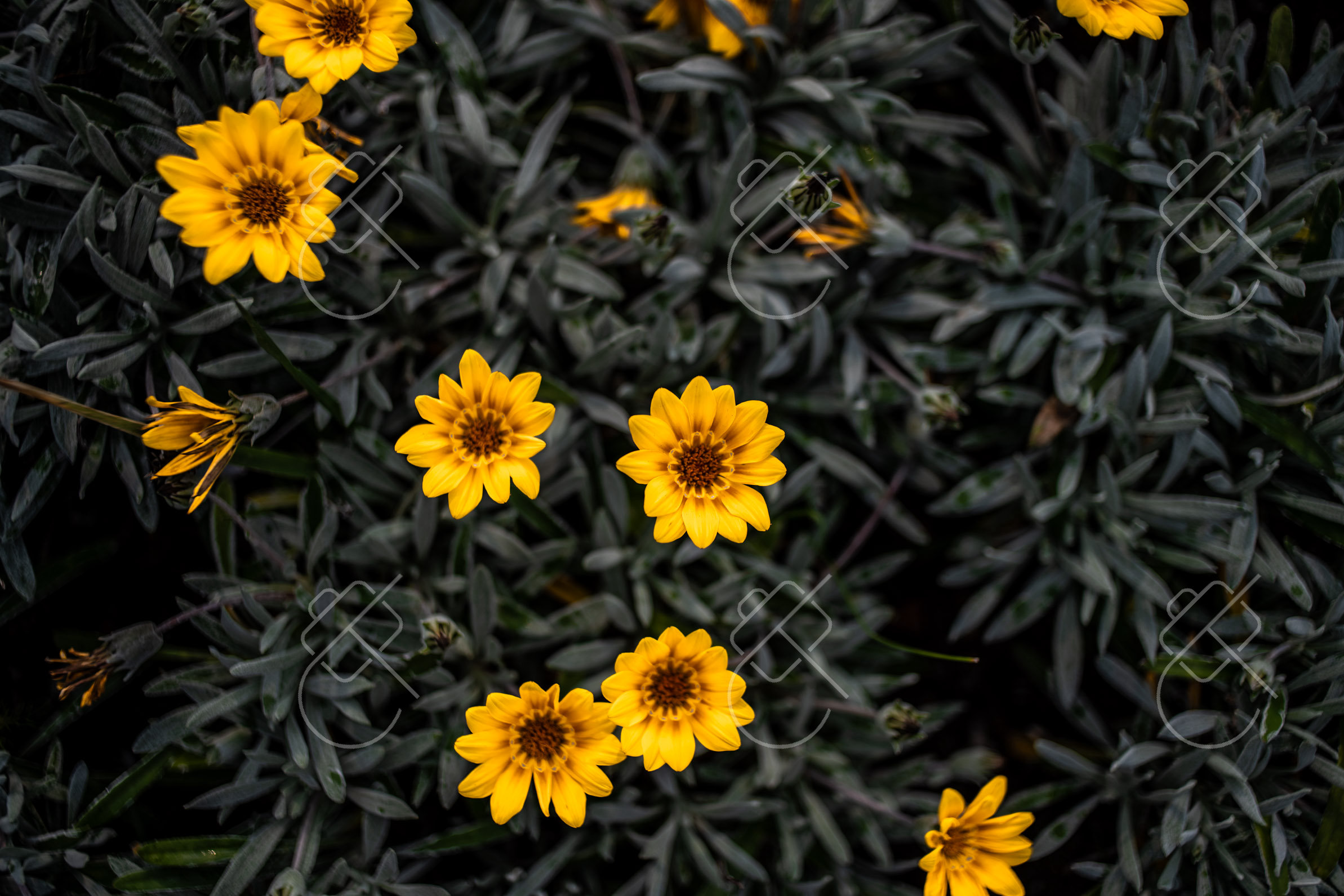
Spring is namul — wild and cultivated greens — and strawberries, which Korea treats as a seasonal event.
Summer is naengmyeon, cold noodles, and watermelon; convenience stores lean hard into anything iced.
Autumn brings kimjang, the communal making of winter kimchi, usually in late autumn. Cabbage prices move sharply in that window and supermarkets sell cabbage in bulk with the other kimjang ingredients grouped together. Chuseok falls in autumn and songpyeon, the half-moon rice cake, appears everywhere.
Winter is tangerines from Jeju, which arrive by the box.
For the cooked versions rather than the shopping list, our South Korea guide covers where to eat them.
Cards work almost everywhere, including tiny shops — Korea is one of the most card-friendly countries there is.
Produce is often sold pre-packed rather than loose, so you may not need to weigh anything. Where there is a scale, it prints a sticker you stick on the bag before the till.
No tipping, anywhere.
Trash separation is taken seriously. Convenience stores and supermarkets sell the correct bags, and recycling bins are separated by material.

Gochujang is a thick fermented paste used in marinades and stews. Gochugaru is dried chilli flakes, coarser and fruitier, used to make kimchi and as a general chilli seasoning.
Yes. Kimchi is sold in large bags and tubs from refrigerated cabinets, in far bigger quantities than small jars elsewhere, and there are usually several varieties by region and fermentation level.
Spam and similar tinned goods are traditional gifts for Seollal and Chuseok. The elaborate boxes near the entrance are ordinary seasonal gifts, not tourist merchandise.
Yes. Cards are accepted almost everywhere including small shops and markets, so you rarely need cash.
Get our new South Korea guides and practical tips by email: where to stay, what to eat, what things cost and the rules that catch travelers out.
Free. No spam, only new guides and tips.
Search verified local fleets with low security deposits and exact model delivery on Localrent.
Get the best deals on hotels in South Korea with Booking.com.