
Home
About us
Destinations & Country Guides
Travel Guides
Recipes
Featured
Photos As Art
Abstract Prints
Locations
Travel Gear
Travel Resources
Favorites
Photo Framer
Explore Photos
ContactFour days is the right amount of time for a first trip to Busan. The city is stretched along mountains and bays, so the challenge is not finding enough to do; it is avoiding long cross-city journeys between sights that look close on a list. Spend one day on the eastern coast, one around Nampo and Gamcheon, one on Yeongdo, and keep the final day for temples, markets, or whatever the weather interrupted.
Tap any photo to open it full-screen and order a print.
Give Busan four full days if possible, plus arrival and departure time. Base yourself in Seomyeon for the easiest transport balance, Nampo for markets and old downtown, or Haeundae when the beach is the priority. Do not put Haedong Yonggungsa, Gamcheon, and Haeundae into one day: they occupy different edges of a very large city.
Spring and autumn are the easiest seasons for Busan's coastal walks. Summer brings beach energy, heat, rain, and larger crowds; winter can be clear and sharply windy.
Comfortable temperatures and seasonal color suit long outdoor days, with cooler evenings beside the water.
Haeundae and Gwangalli are at their busiest. Humidity, rain, and strong midday sun make early starts more important.
Clearer air and walking weather suit coastlines, markets, and hillside neighborhoods. Major festivals can increase demand.
Lower crowds and crisp views are possible, but exposed headlands and beach promenades can feel much colder than the forecast.
Nampo, Jagalchi & Gamcheon — The strongest introduction to Busan's markets, working port, hillside geography, and older commercial center.
Haeundae & Gwangalli — Two distinct coastal districts best connected as a full east-Busan day ending after dark.
Yeongdo & Huinnyeoul — Clifftop lanes and working-harbor views that feel more specific to Busan than another observation deck.
Haedong Yonggungsa — A dramatic seaside temple that rewards an early start and careful pairing with nearby east-coast stops.
Busan city pass — Useful only when the included paid attractions match your actual route; do the arithmetic before buying.
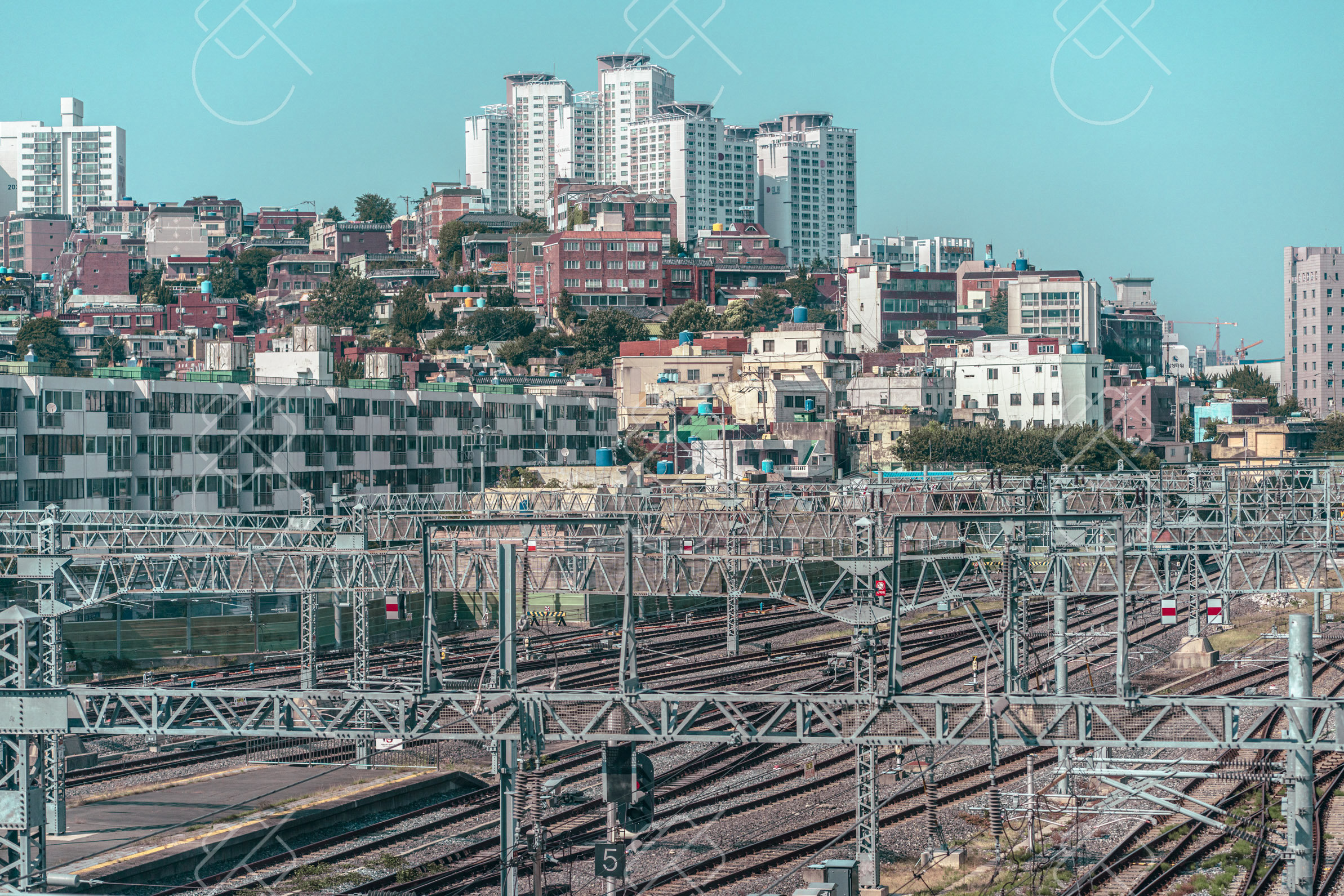
The southwest side explains Busan's structure most clearly. Jagalchi faces the working harbor, Nampo's streets fold markets and food stalls together, and Gamcheon climbs the hills above them in dense tiers of color. Grouping these places creates one coherent day rather than three disconnected photo stops.
Begin at Jagalchi and walk through the surrounding market streets before lunch. The appeal is not one famous stall; it is the movement between fish market, port, alleys, and the dense commercial blocks around Gukje and Bupyeong Kkangtong.
Visit Gamcheon later, when the strongest group-tour wave begins to soften. Stay on marked public routes, keep voices down near homes, and resist treating residential doors and windows as props. Return toward Nampo for dinner and the evening city.
Markets work from morning through lunch; Gamcheon is more comfortable later in the afternoon when light reaches across the hillside.
Nampo is ideal for this side of the city and convenient for Busan Station. Seomyeon offers a better compromise when the itinerary also emphasizes the east coast.
Try dwaeji-gukbap, milmyeon, ssiat hotteok, fish cakes, and seafood selected with a clearly agreed price.
Gamcheon remains a residential neighborhood. Photograph the larger streets and viewpoints without blocking entrances or aiming into homes.
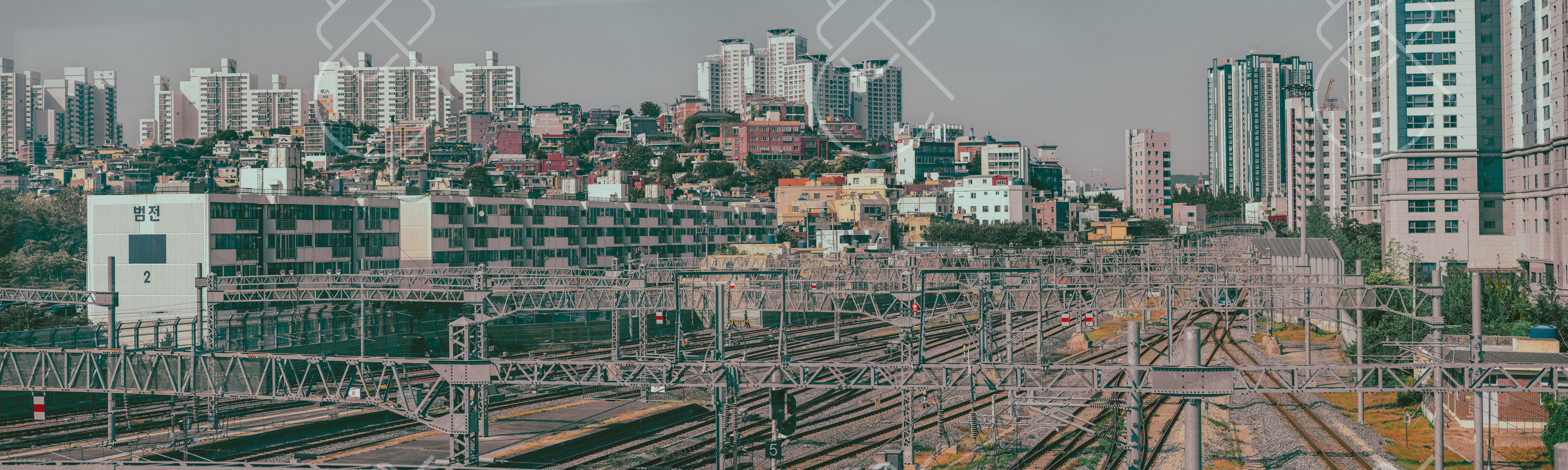
Haeundae is Busan at its most polished: a broad urban beach backed by towers, restaurants, and entertainment. Gwangalli is more social and more satisfying after sunset, when the Gwangan Bridge becomes the district's illuminated horizon. Connect them with a coastal walk and an unhurried meal.
Start around Haeundae Beach, then walk the Dongbaek coastal path rather than moving immediately to another attraction. Continue toward Gwangalli later in the day. The two beaches look close across the city map but deserve different light and different moods.
If you want a paid viewpoint, sky capsule, or yacht trip, choose one. Stacking several ticketed perspectives adds cost without necessarily adding a new understanding of the coast. The free promenade and bridge view remain the essential experience.
Use Haeundae early and arrive at Gwangalli before sunset so the waterfront changes from day to night.
Haeundae suits beach-focused trips and later nights on the east side; Seomyeon reduces travel imbalance across the full four-day route.
Look for grilled shellfish, raw fish, Korean pub food, and cafes facing the water, but expect a premium on the first row.
Reserve highly timed coastal attractions only after checking the day's weather. Haze and strong wind can erase much of their value.
Busan makes sense when each day belongs to one piece of coastline.
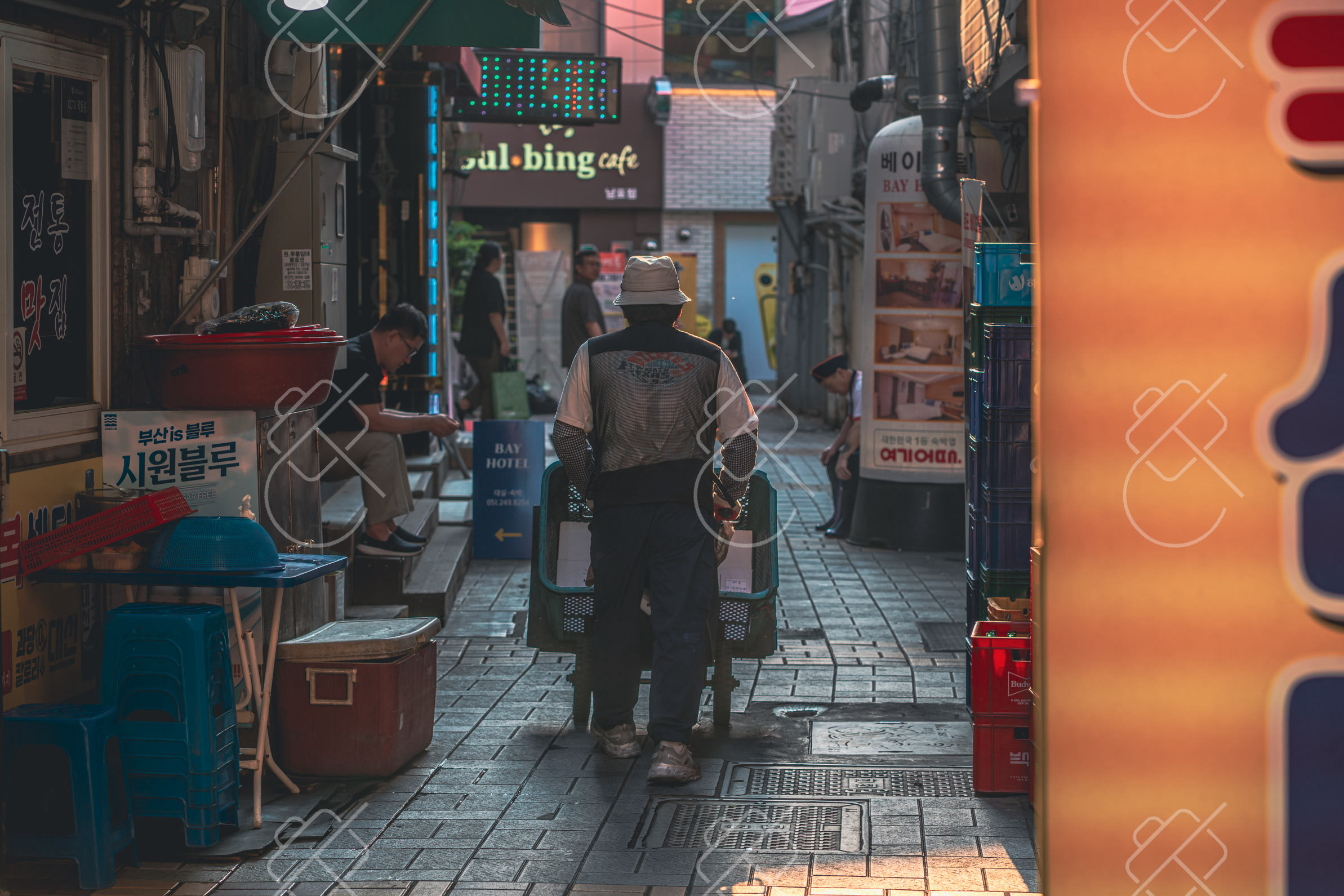
Yeongdo sits close to Nampo but feels separate. Bridges, shipyards, steep neighborhoods, and open-sea cliffs give the island some of Busan's strongest visual contrasts. Huinnyeoul's lanes and the coast below are the accessible core; Taejongdae adds a larger park landscape when weather is clear.
Take the bus or a taxi from Nampo and begin at Huinnyeoul before the narrow paths become busy. Walk with the slope and transport in mind: what looks like a short connection may involve steep stairs and a long return climb.
Continue to Taejongdae only if visibility and energy justify it. Otherwise, spend the afternoon around local cafes, viewpoints, and the working waterfront before returning across the bridge. Yeongdo is better at a human pace than as another checklist.
Morning reduces congestion in the narrow village paths; clear afternoon light is strongest for Taejongdae and the port.
Visit Yeongdo from Nampo or Seomyeon. Staying on the island is atmospheric but less convenient for the rest of a first-time itinerary.
Yeongdo has seafood, simple Korean meals, and an increasing number of view cafes. Choose by food and access, not only by the window.
Wear shoes for stairs and uneven paths. Save a taxi option for the return if the day's walking becomes more vertical than expected.
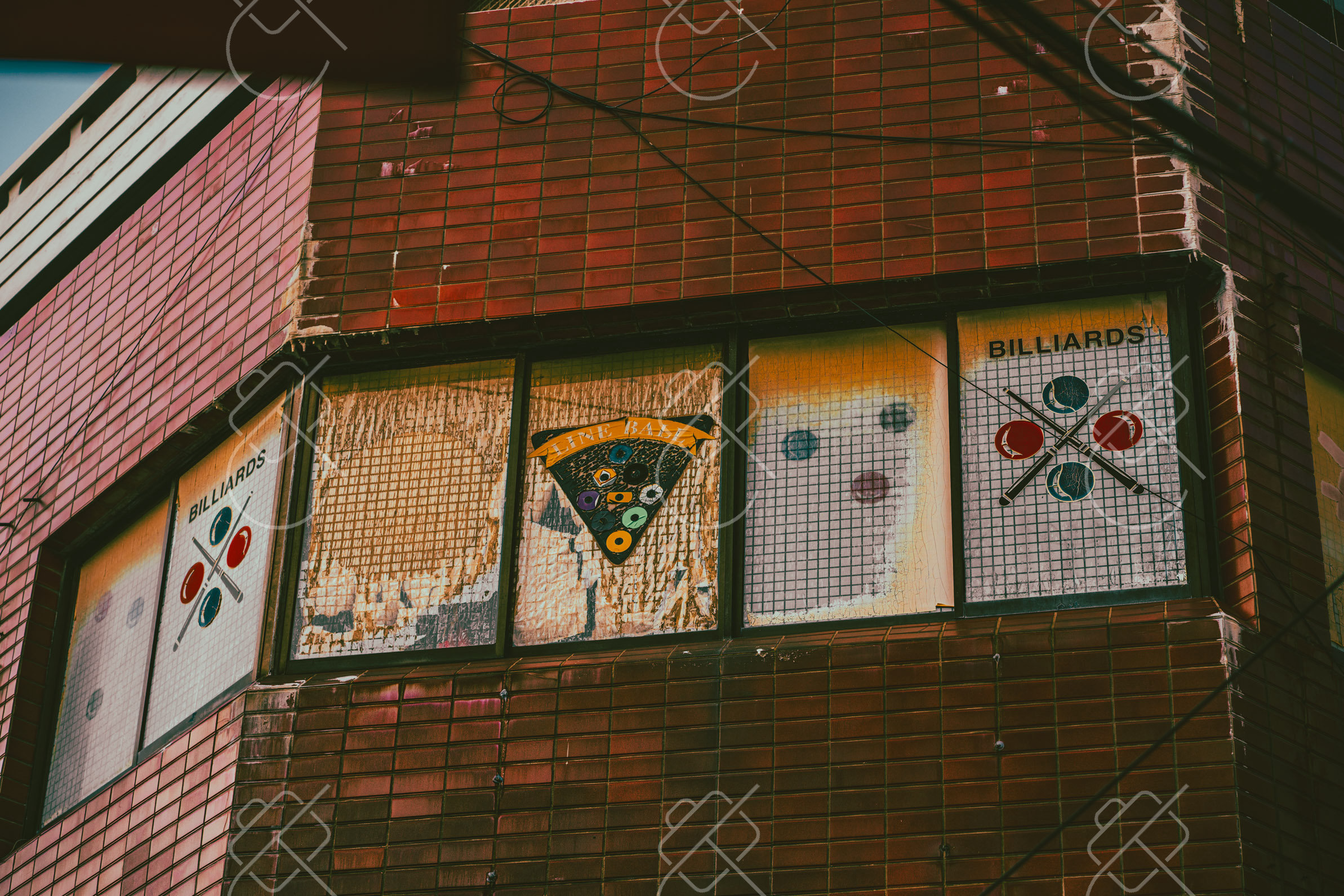
The fourth day should absorb what weather or distance disrupted. Haedong Yonggungsa is the obvious east-coast choice, set dramatically against the sea. Beomeosa offers a quieter mountain setting on the opposite side of the city. Choose one, then pair it geographically rather than trying to compare both before lunch.
Reach Haedong Yonggungsa early and continue to Songjeong or another east-coast stop. The temple's popularity is part of the reality; arriving early protects both the atmosphere and the narrow circulation routes.
Choose Beomeosa when you prefer forest, mountain architecture, and an easier link with northern Busan. Alternatively, keep the day urban around Seomyeon and Jeonpo, especially in rain. A flexible day is useful in a coastal city where visibility changes quickly.
Temples are best early. Keep the afternoon open until the coastal forecast becomes clear.
Seomyeon is the most balanced base for a flexible itinerary and convenient metro transfers.
Use the final day for anything missed: a serious pork soup breakfast, market lunch, or barbecue around Seomyeon.
The Visit Busan Pass can be worthwhile for a paid-attraction day, but it should follow the itinerary rather than determine it.
The city's best views are not isolated attractions; they are the spaces where hills, apartments, ports, and open water meet.
A loose, walkable route — bend it to your pace and the light.
Start at Jagalchi and walk through the surrounding markets. Eat lunch nearby, then travel uphill to Gamcheon for the afternoon. Return to Nampo for evening food streets and city views.
Keep the first day entirely in southwest Busan. Adding Haeundae would turn a coherent route into a long commute.
Where to shoot: Fishing boats and harbor activity · Market lanes around Nampo · Gamcheon's hillside from designated viewpoints
Tip: Ask before photographing vendors closely, and confirm seafood pricing before ordering.
Walk Haeundae Beach and Dongbaek in the morning. Use the afternoon for one chosen coastal activity, then reach Gwangalli before sunset and stay for the bridge lights.
This is the longest polished waterfront day; balance it with neighborhood food rather than multiple observation decks.
Where to shoot: Haeundae's beach-and-skyline contrast · Marine City from Dongbaek · Gwangan Bridge through blue hour
Tip: Carry a light layer even in mild weather; the waterfront becomes cooler and windier after sunset.
Travel from Nampo to Huinnyeoul early and follow the cliffside paths. Continue toward Taejongdae in clear weather or slow down around Yeongdo's port-facing neighborhoods.
Return across the bridge for dinner. Do not underestimate the island's stairs or the time spent waiting for buses.
Where to shoot: Cliffside lanes above the water · Port infrastructure framed by neighborhoods · Taejongdae's open coast
Tip: Use a taxi for one leg when it saves a steep backtrack; this is a better use of money than forcing another paid viewpoint.
Go early to Haedong Yonggungsa and pair it with Songjeong, or choose Beomeosa for a mountain-temple day. In poor coastal weather, stay central around Seomyeon, Jeonpo, and Bujeon Market.
Leave enough time for Busan Station or Gimhae Airport. The light rail connects the airport through Sasang, while high-speed trains make Busan an easy continuation from Seoul.
Where to shoot: Temple roofs against the sea · Songjeong's quieter shoreline · Jeonpo alleys after rain
Tip: Check the final metro or airport connection before committing to an east-coast sunset.
With five days, add Igidae's coastal walk, a full Beomeosa and Dongnae day, or an overnight side trip to Gyeongju. With three days, keep Nampo and Gamcheon, Haeundae and Gwangalli, and either Yeongdo or Haedong Yonggungsa according to weather.
Explore regional routes with verified local fleets, zero hidden charges, and transparent insurance on Localrent.
Get the best deals on hotels in Busan with Booking.com.
Transit cards, local customs, visa rules, and practical travel guides for this region.
Get our new Busan guides and practical tips by email: where to stay, what to eat, what things cost and the rules that catch travelers out.
Free. No spam, only new guides and tips.
See every destination we've photographed:
Browse all destinationsCurious about the gear behind these photos? See the gear list.