Home
About us
Destinations & Country Guides
Travel Guides
Recipes
Featured
Photos As Art
Abstract Prints
Locations
Travel Gear
Travel Resources
Favorites
Photo Framer
Explore Photos
Contact Gear & packing
By Clever Tourists · Published · Last updated
For Bali, pack a European-style plug adapter, a small stomach kit, your own sarong, mineral sunscreen, insect repellent and one warm layer for the mountains, and leave the drone at home unless you've checked the permit rules. Most other things are cheaper and easier to buy on the island, from toiletries to beachwear. Two things people confuse with packing are paperwork, not kit: the tourist levy and the arrival forms, which we cover separately. We spent 18 days on Bali in May and June 2023, moving from Seminyak to Munduk, Ubud, Kintamani, Sidemen and Padangbai, so this list covers the coast, the rice terraces and the cooler highlands. For clothing, see what to wear in Bali.
• Plug adapter for Type C/F (two round pins) if you're coming from the US, UK or Australia. Bali runs at about 230 volts.
• A Bali belly kit: oral rehydration salts, loperamide, hand sanitiser and any standby medicine your doctor prescribes.
• A sarong and sash, or a sarong you can tie properly, for temple visits.
• Mineral sunscreen and a rash guard for snorkelling.
• Insect repellent with DEET or picaridin.
• A warm layer for Kintamani, Munduk and any sunrise trek on Mount Batur.
• Sandals plus one pair of grippy shoes for waterfall steps and rice terrace paths.
• A refillable water bottle, filled from filtered refill stations, not the tap.
"Bali belly" is travellers' diarrhoea, and the main defence is habit: drink sealed, boiled or filtered water, eat food served hot, and wash hands before eating. The tap water is not for drinking. Pack a small kit so a bad day doesn't become a bad week: oral rehydration salts, loperamide for travel days (the CDC advises against using it alone if you have a fever or blood in the stool), and hand sanitiser with at least 60% alcohol.
Ask your doctor before the trip whether a standby antibiotic makes sense for you, and about hepatitis A and typhoid vaccines, which the CDC recommends for most travellers to Indonesia. Pharmacies (apotek) are common in Seminyak, Canggu and Ubud and sell rehydration salts and basic remedies.
Everything else about food and water safety, including how to choose a warung and when to see a doctor, is in our Bali belly guide. Bring prescription medicine in its original packaging with a copy of the prescription; Indonesia treats narcotics severely, so if you take any controlled medicine, check with the Indonesian embassy before you fly.
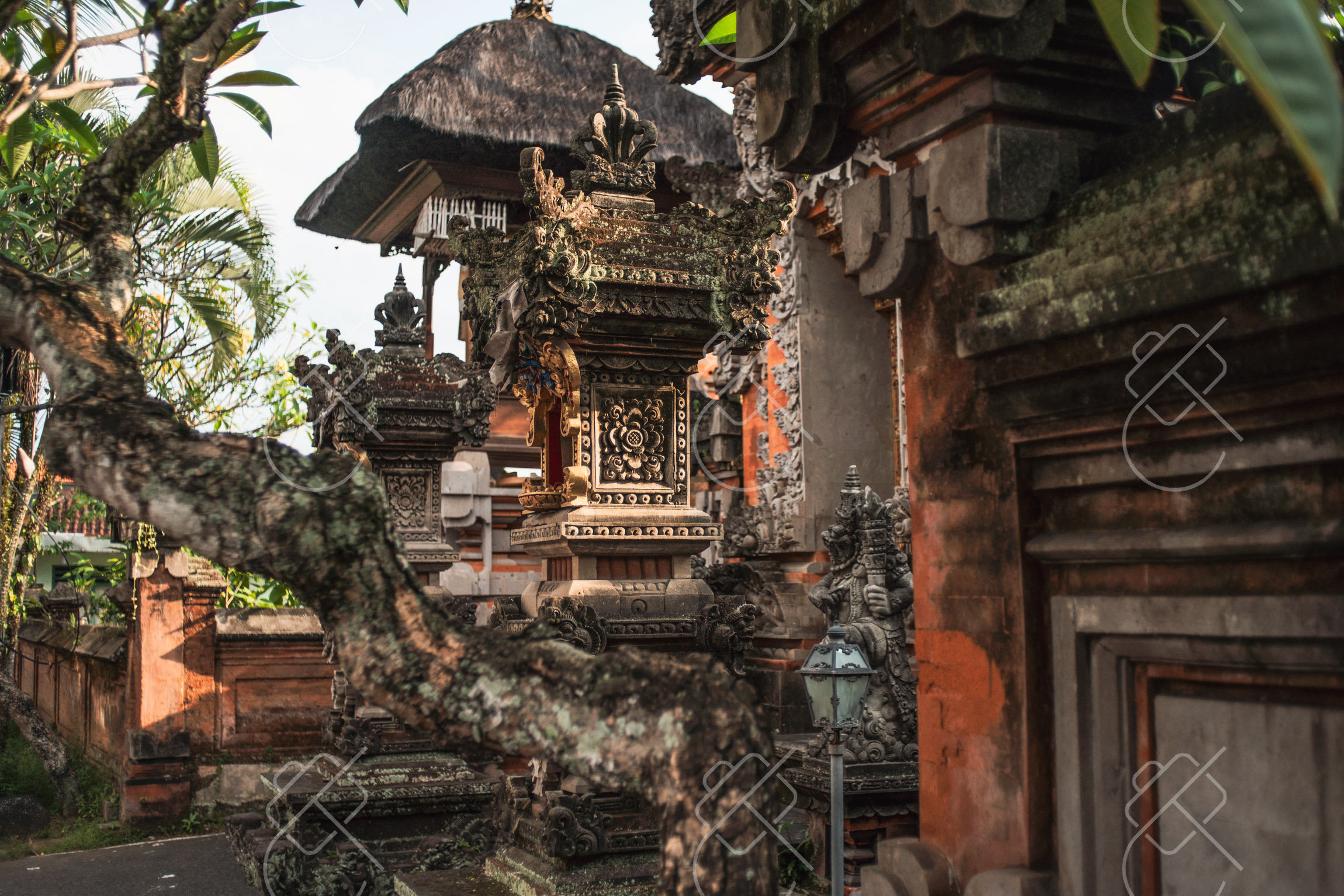
A sarong (kamen) and a sash are required to enter Balinese temples, for men and women. Big sites such as Uluwatu, Tanah Lot and Besakih lend or rent them at the entrance, but owning one means you can walk into village temples and ceremonies without searching for a rental, and it doubles as a beach cover-up, a scarf on a cold scooter ride and a blanket on a flight. Sarongs sell for little at Ubud market, so you can also buy one on day one.
Temple rules go beyond clothing: covered shoulders, no stepping on offerings, and some rules on who may enter. Our Bali temple etiquette guide explains them, and temple dress codes in Vietnam and Bali covers the dress side.
Bali sits about 8 degrees south of the equator and the sun is strong all year. Pack a high-SPF mineral sunscreen (zinc oxide or titanium dioxide) if you plan to snorkel at Amed, Padangbai or Nusa Penida; it is kinder to coral and you'll find fewer imported options on the island, often at high prices. A long-sleeved rash guard and a hat cut down how much you need.
The highlands are a different climate. Kintamani and Munduk sit high enough that evenings and early mornings are cool and often misty, and a Mount Batur sunrise trek starts in the dark around 4am in chilly air. One fleece or light down jacket and long trousers cover it. In the rainy season, roughly November to March, pack a light rain jacket; showers tend to come in heavy bursts. Month-by-month detail is in best time to visit Bali.
Waterfalls such as those around Munduk and Sidemen involve wet, steep steps: sandals with a heel strap or light trail shoes are safer than flip-flops. A small dry bag helps on boat trips from Padangbai or Sanur.
Plugs: Indonesia uses Type C and Type F sockets (two round pins) at roughly 230V, 50Hz. Phone and laptop chargers marked 100-240V work with an adapter; US 120V-only appliances do not.
Drones: the rules are unclear and changing. Indonesia's civil aviation authority requires registration and permits for some drones, Bali's own regulations restrict flying over temples and at night, and there is a large no-fly zone around Ngurah Rai airport. Published guides disagree on what a tourist with a small drone must do, so check the Directorate General of Civil Aviation or the Indonesian embassy before you pack one, and assume temples and ceremonies are off limits without permission.
Money: cards work at hotels, malls and many cafés, but warungs, small shops, temple donations and drivers usually want rupiah cash. Use bank ATMs inside shops or branches rather than standalone street machines, and decline the ATM's currency conversion.
Bali charges foreign visitors a tourist levy, and Indonesia uses an electronic visa on arrival and a digital arrival card. None of these is something you pack, but each is something to sort out on your phone before you land. Our Bali tourist tax and arrival guide explains the levy and how to pay it, the e-VOA guide covers the visa, and the All Indonesia arrival card guide walks through the customs form. Our Denpasar airport arrival guide covers what happens after you land.
For our own route, see the 18-day Bali itinerary and the Ubud guide. The core kit for longer trips is in our long-trip packing list.
Yes, unless your plugs have two round pins. Bali uses Type C and Type F sockets at roughly 230 volts. Chargers marked 100-240V work with an adapter; US 120V-only appliances don't.
It's worth it. A sarong and sash are required in Balinese temples. Big temples rent or lend them, but your own lets you visit village temples freely and doubles as a beach cover-up. They're also cheap at Ubud market.
Oral rehydration salts, loperamide for travel days (not alone if you have a fever or blood in the stool), hand sanitiser with at least 60% alcohol, and any standby medicine your doctor recommends.
Only for the highlands. Kintamani and Munduk are cool and misty in the evenings and early mornings, and Mount Batur sunrise treks start around 4am, so pack one fleece or light jacket and long trousers.
Get our new Bali guides and practical tips by email: where to stay, what to eat, what things cost and the rules that catch travelers out.
Free. No spam, only new guides and tips.
Search verified local fleets with low security deposits and exact model delivery on Localrent.
Compare flights to Bali and get the best deals on Kiwi.com.