Home
About us
Destinations & Country Guides
Travel Guides
Recipes
Featured
Photos As Art
Abstract Prints
Locations
Travel Gear
Travel Resources
Favorites
Photo Framer
Explore Photos
Contact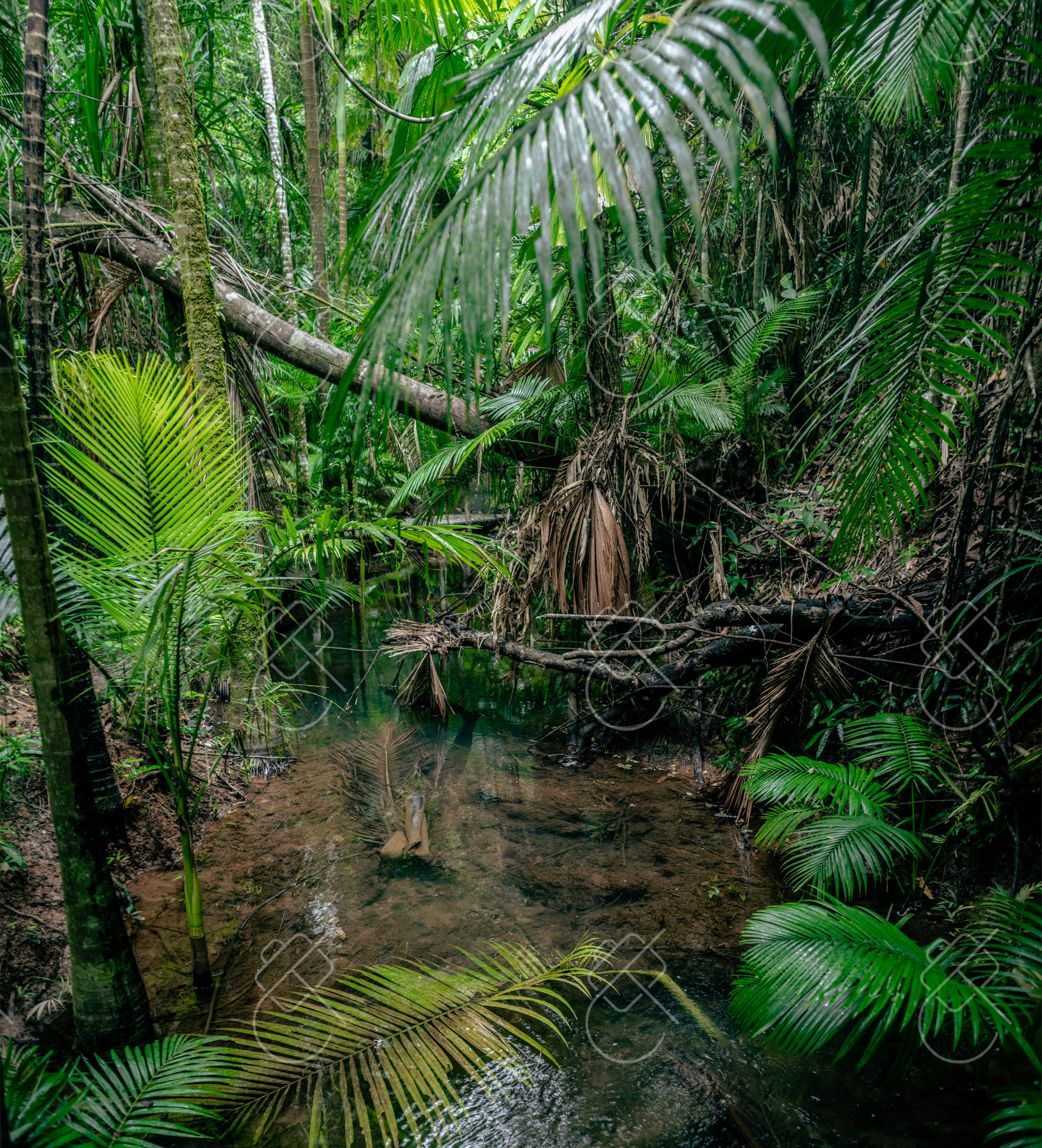 Gear & packing
By Clever Tourists · Published · Last updated
The most important packing decision for Australia is what NOT to bring: food, plant material, animal products and muddy outdoor gear are biosecurity risks, and anything in those categories must be declared on arrival or binned before the border. Declaring costs you nothing but a few minutes; not declaring can bring a fine and, for visitors, visa cancellation. After that, Australia needs a type I plug adapter, serious sun protection, and insect and stinger gear if you go to tropical Queensland. We spent January and February 2023 in Australia: Melbourne, the Great Ocean Road, the Grampians, Coonawarra and Adelaide, then Alice Springs, Townsville, Magnetic Island, Cairns, the Daintree and Sydney.
Australia's Department of Agriculture, Fisheries and Forestry (DAFF) says you must declare all food, plant material and animal products, plus other risk items, on your arrival declaration. That includes:
• Food of any kind, including snacks from the plane, packaged sweets, tea, spices, dried fruit, nuts and baby food. Many declared items are inspected and returned to you.
• Plant material: seeds, fresh fruit, flowers, wooden souvenirs, straw items.
• Animal products: meat, eggs, dairy, feathers, shells, skins.
• Footwear, clothing and equipment that has been in contact with animals or worn in a rural area, such as hiking boots, tents and fishing gear. Soil is not allowed in, including dirt on shoes, so clean boots before you pack them.
DAFF states plainly that you will not be penalised under the Biosecurity Act if you declare and present all goods, even if they are not allowed in. Failing to declare can mean an infringement notice of thousands of dollars, possible prosecution and, for visa holders, visa cancellation and refusal of entry. If unsure, declare it, or drop it in the biosecurity bins in the arrivals hall before the officers.
The declaration itself is the Incoming Passenger Card, being replaced in stages by the digital Australia Travel Declaration, already available on some flights; your airline will tell you which applies.
• Visa or ETA. Almost every visitor needs one before boarding, applied for through official channels only; US and Canadian citizens use the Australian ETA app. See the Australia ETA app guide and do I need a visa for Australia.
• Medicine: the Therapeutic Goods Administration (TGA) lets travellers bring up to a three-month supply of medicine for their own use, with the prescription or a doctor's letter stating what it is and how much you are carrying, ideally in original packaging. Some medicines, including certain controlled drugs, have extra rules, so check the TGA's traveller pages if yours is unusual. Declare medicines on your arrival card.
• Driving: your home licence, plus an International Driving Permit if it is not in English. Australia drives on the left; read driving in Australia.
Australia's UV levels are among the highest in the world, and the Bureau of Meteorology's UV index regularly reaches extreme levels in summer across most of the country. Sunburn can happen in well under half an hour on a clear summer day.
• SPF 50+ sunscreen. Australian sunscreen is regulated as a therapeutic good and widely sold in supermarkets and chemists, so buy it there rather than packing a lot.
• A broad-brimmed hat. We carried a Selke oilskin hat (on our gear page); a cap leaves ears and neck exposed.
• Sunglasses rated for UV, and a long-sleeved sun shirt for beaches and boats.
• A big water bottle for the outback. In Alice Springs and the Red Centre, carry more water than you think on walks such as Uluru and Kings Canyon, and start early in summer.

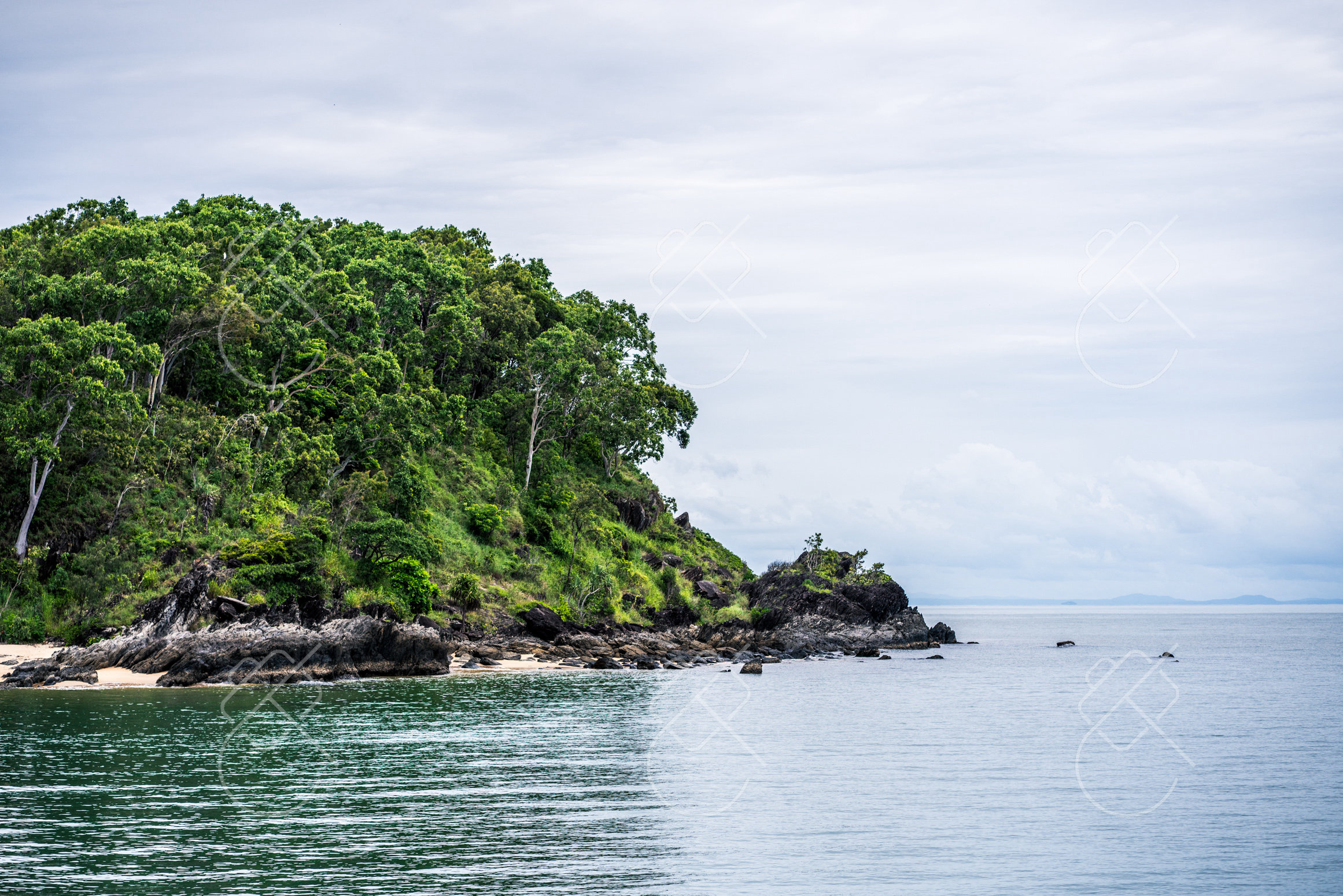
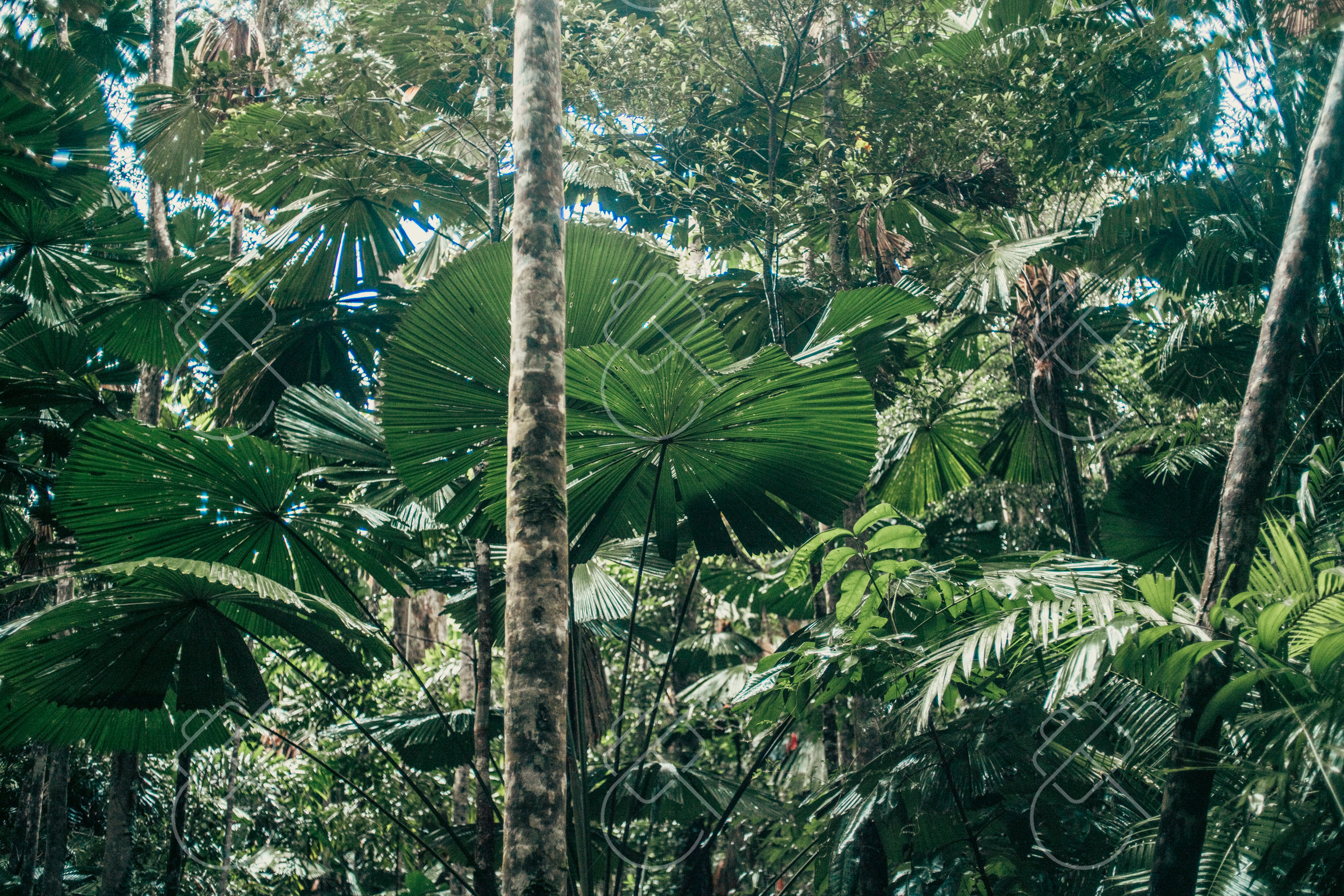
Cairns, the Daintree and Townsville are tropical. Their wet season runs roughly from December to March, with heavy rain, humidity and road closures.
• Insect repellent with DEET or picaridin, for mosquitoes and sandflies in the Daintree and on mangrove boardwalks; Australian brands are sold everywhere.
• A light rain jacket and quick-dry clothes for the wet season.
• Stinger suit: dangerous box jellyfish and Irukandji are present in tropical Queensland waters mainly from about November to May (stinger season). Swim at patrolled beaches inside stinger nets where they exist, and wear a full-body lycra stinger suit when snorkelling or swimming outside them. Reef tour operators from Cairns and Port Douglas usually provide suits; for beach swimming you can buy one locally. Never swim in rivers or estuaries in the north: saltwater crocodiles live there, and warning signs mean it.
• An action camera or waterproof phone case for the reef. We carried a GoPro.
For how long to stay, see how many days in Cairns.
Australia uses 230 V, 50 Hz with type I sockets (two angled flat pins, plus an earth pin), shared with New Zealand. US, UK and European visitors need an adapter; most chargers are rated 100 to 240 V. Sockets have their own on/off switch, so switch it on.
• A power bank for long drives and outback days.
• Offline maps. Mobile coverage is good in cities and along main highways but disappears fast in the outback, the Daintree and national parks. Telstra has the widest rural coverage of the three networks.
• Cards: Australia is close to cashless, and contactless payment is accepted almost everywhere, including for small amounts; a little cash covers the rare exception.
Australia's seasons are reversed for northern-hemisphere visitors, and the country is big enough to need two wardrobes at once: January can be over 40°C in Adelaide or Melbourne on a heatwave day, and cool and windy on the Great Ocean Road the next. Southern evenings call for a warm layer even in summer. See the best time to visit Australia and, for January in Melbourne, the Australian Open 2027 guide.
Buy there instead of packing: sunscreen, insect repellent, a stinger suit, thongs (flip-flops), snacks and toiletries from Woolworths, Coles or Aldi. Our Australia grocery guide covers what is worth picking up. Remember you cannot bring most food in, so arrive with an empty snack bag. For the city, see the Melbourne guide; the core kit is in our long-trip packing list.
All food, plant material and animal products, plus footwear, clothing and equipment that has been in contact with animals or worn in a rural area, such as hiking boots and tents. You will not be penalised for declaring goods, even if they are not allowed in.
You can receive an infringement notice of thousands of dollars, face possible prosecution and, as a visitor, have your visa cancelled and be refused entry. Declare anything you are unsure about or use the biosecurity bins.
Up to a three-month supply for your own use, with the prescription or a doctor's letter, ideally in original packaging. Some controlled medicines have extra rules, so check the TGA's traveller pages.
Type I, with two angled flat pins and an earth pin, at 230 V. US, UK and European visitors need an adapter.
Mainly from about November to May in tropical Queensland. Swim inside stinger nets at patrolled beaches and wear a full-body stinger suit when snorkelling or swimming elsewhere.
Get our new Australia guides and practical tips by email: where to stay, what to eat, what things cost and the rules that catch travelers out.
Free. No spam, only new guides and tips.
Compare flights to Australia and get the best deals on Kiwi.com.